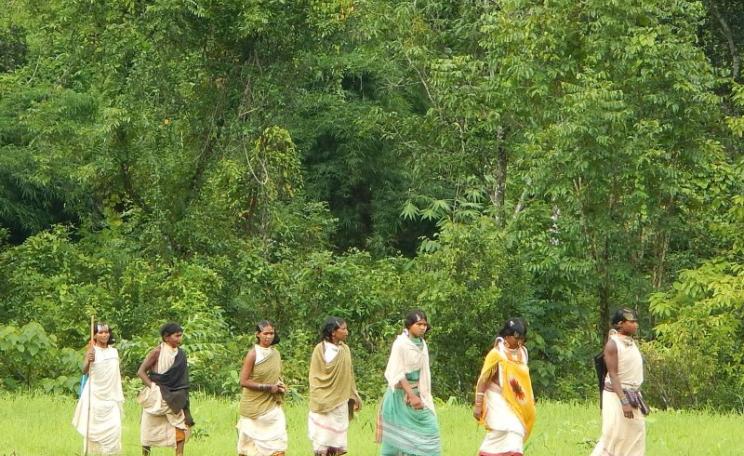
India's neoliberal government is attempting the mass seizure of indigenous lands, commons and forests in order to hand them over for corporate exploitation with mines, dams and plantations, writes Pushpa Achanta. But tribal communities are rising up to resist the takeover, which is not only morally reprehensible but violates India's own laws and international human rights obligations.
Seventeen or more secret applications have been made to India's GMO regulators for trials and release of GM crops including rice, wheat, chickpeas, brinjal and mustard, write Colin Todhunter & Oliver Tickell. In a violation of the law regulators have released no information about the applications, raising fears that India's first GMOs will be released with no health, safety or environmental testing.
Organic farming produces more nutritious food than chemical agriculture, writes Colin Todhunter, while sustaining soils and building organic matter. And we know this from real, peer-reviewed scientific studies - unlike the pseudo-science touted at us by the self-interested advocates of industrial agribusiness.
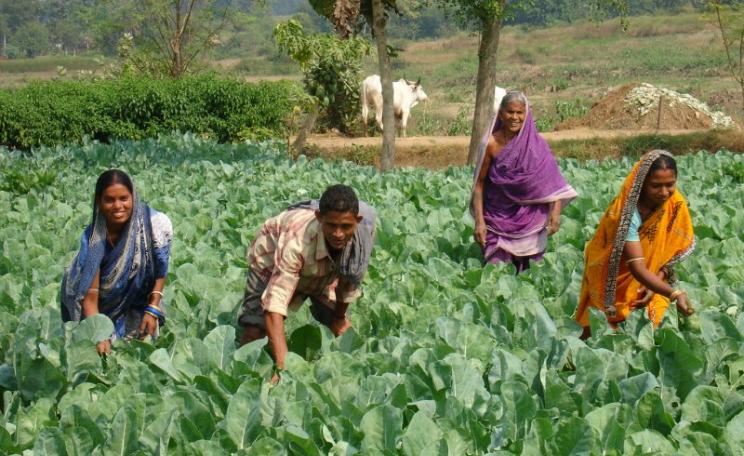
For the women farmers of Tamil Nadu life has long been a struggle, Sheelu Francis told Tristan Quinn-Thibodeau, all the more so following the advent of 'Green Revolution' industrial agriculture. So now women's collectives are organising to restore traditional foods and farming methods, resulting in lower costs, higher yields, improved nutrition, and a rekindling of native Tamil culture.
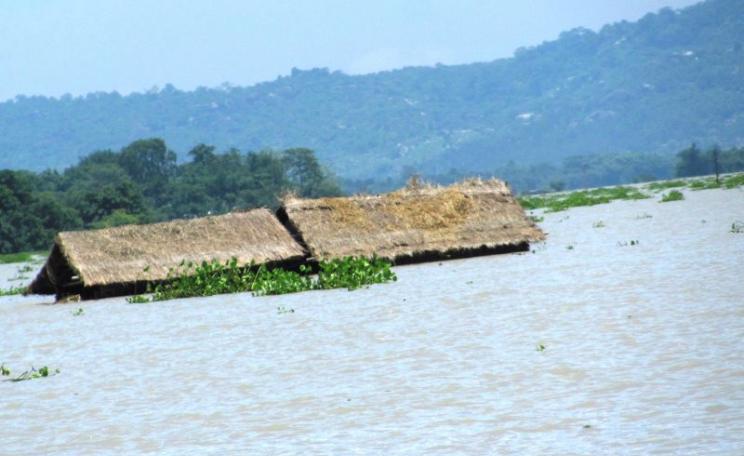
India's tea capital, Assam, has been hit by devastating floods for the second time in three years, writes Sneha Krishnan. But the government has failed to address key environmental issues like deforestation and soil conservation, or involve local communities in developing solutions. So ever more fertile land is lost to erosion, and millions of the country's poorest people suffer.
India's decision to release GMO cotton seeds that incorporate genes for Bt toxins into indigenous 'desi' varieties threatens disaster for the country's small and organic cotton farmers, writes Vandana Shiva. The danger is that the GMO characteristics will spread rapidly into the gene pool, contaminating India's unique heritage of cotton seed diversity.
The ancient spiritual Indian practice of yoga has been colonized, writes Susanna Barkataki - appropriated into a commercially-driven 'body beautiful' culture. True practitioners must reclaim its true purpose and stage their own ahimsa, or nonviolent revolution of the mind, body and spirit.
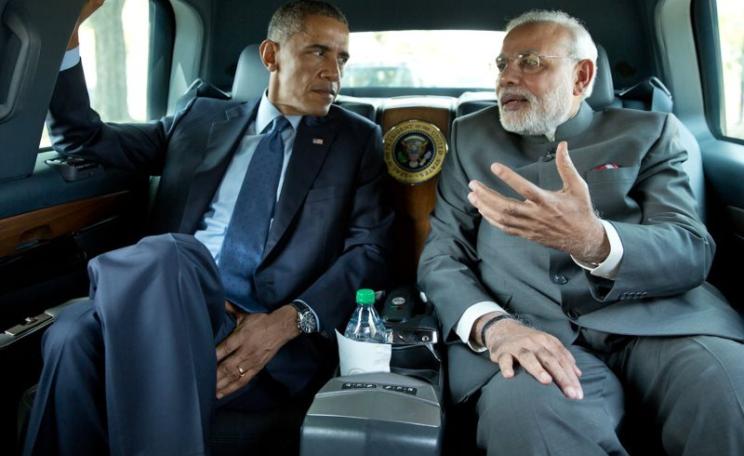
President Obama and India's Prime Minister Modi are best of friends - aren't they? So how come the US took India to the WTO's trade court - and just won a resounding victory? And why isn't India challenging the US's own discriminatory solar subsidies? It's because of the money, writes Charles Pierson. And poor India has no choice but to play by Washington's rules.
President Modi is determined to sweep away 'obstacles to growth' including the laws that allow marginalised communities to challenge the confiscation of their lands and forests for dams, mines and other 'development' projects, writes Arpitha Kodiveri. If proposed 'reforms' are enacted, the only remaining avenue of dissent may be one of armed conflict.
Following a series of disastrous failures in India, one of Coca-Cola's most important markets, the company is desperate to rebuild its reputation by claiming 'water neutrality'. But the idea is absurd, writes Amit Srivastava, and does nothing to benefit the communities that suffer from the depleted aquifers it pumps from.
A new study finds that Indian farmers in rain-fed areas are being driven to suicide from the increased cost of growing Bt GMO cotton varieties that confer no benefits to them, writes Eva Sirinathsinghji. The extra expenses arise from buying new seeds each year, along with increased chemical inputs, while suffering inadequate access to agronomic information.
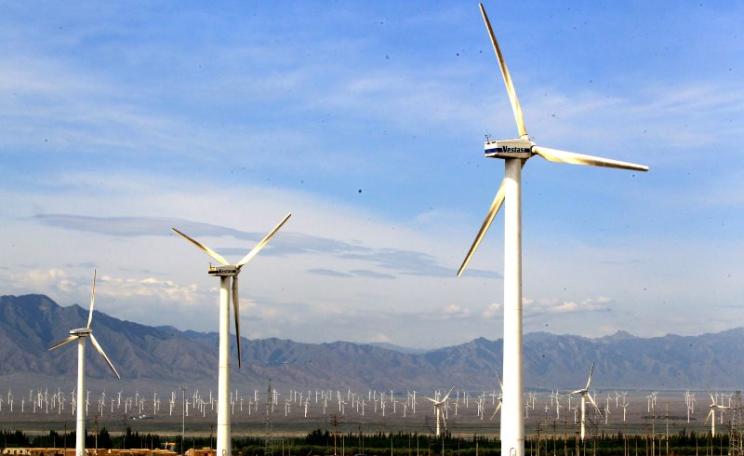
China's success in driving down its fossil fuel burn will raise chances of a success at this year's Paris climate talks, writes Kieran Cooke - but first the world must appreciate the changes China is making, and how clean energy is catalysing a broader economic transformation.
It's not just western corporations that are moving into large-scale agribusiness in Ethiopia, writes Mohammad Amir Anwar. Indian investors have acquired rights to some 6,000 sq.km of land much of it in the ecologically sensitive Gambela region, where unconsulted Nuer and Anuak peoples are suffering from forest clearance.
Solar energy is not just about electricity, writes Anne Wheldon. It's also about heat - and three innovative projects highlighted by the Ashden Awards are showing how solar heat can dramatically reduce the carbon footprint of food processing and farming, while helping agricultural businesses increase profits
Gaia Vince's remarkable book is far more than a litany of the problems of global warming and mass extinction, writes Robert Hunziker. It's also an inspiring account of how people can respond to such crises in wonderful, imaginative, creative ways, achieving seemingly impossible tasks from seeding glaciers in the Himalayas, to holding back the desert with dew.
As delegates prepare for the Bonn climate talks, India is being struck by extreme heat with a long-delayed monsoon season and a death toll of thousands, writes Liz Hanna. If this is an indicator of the warming world to come, it's giving us all the reasons we could possibly want to act decisively before it's too late.
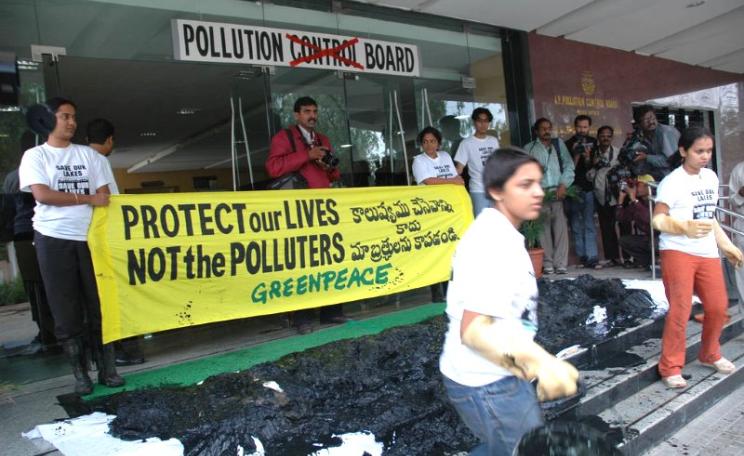
Greenpeace India is to fight on for another month after a surge of support from allies, new donors and staff, who have pledged to work through June for no pay after the Indian government blocked its bank accounts.
First the Pepsi-Cola bottling company in south India caused outrage by depleting groundwater. Next it was found to be operating without valid permits.Then as protests grew the company won a High Court order giving it police protection. Now locals are vowing to keep the plant shut for good.
Corporate lobbyists and their tame politicians love to present GMOs as being humanitarian in purpose, writes Colin Todhunter - as if they exist only to feed the starving millions. But if that's the case, why are they silent on genocidal land grabs, agrochemical poisonings and the destruction of efficient, productive smallholder farming?
Greenpeace India has barely three weeks left to fight for its survival following a broad government crackdown on civil society. The green NGO has been left with funds for staff salaries and office costs that will last no later than 1st June.
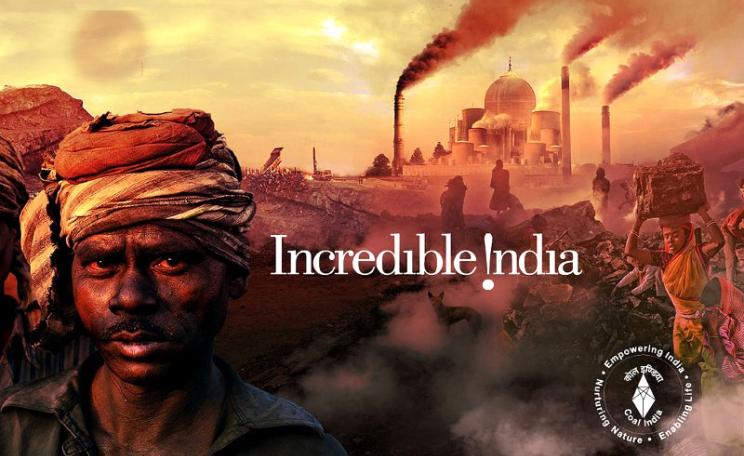
Prime Minister Modi's government has frozen the bank accounts of Greenpeace India, writes Praful Bidwai - provoking widespread protest from the environment and civil rights community. It's all part of a wider campaign against 'anti-national' movements that challenge India's development policies based on the aggressive exploitation of coal, minerals, big hydro and nuclear power.
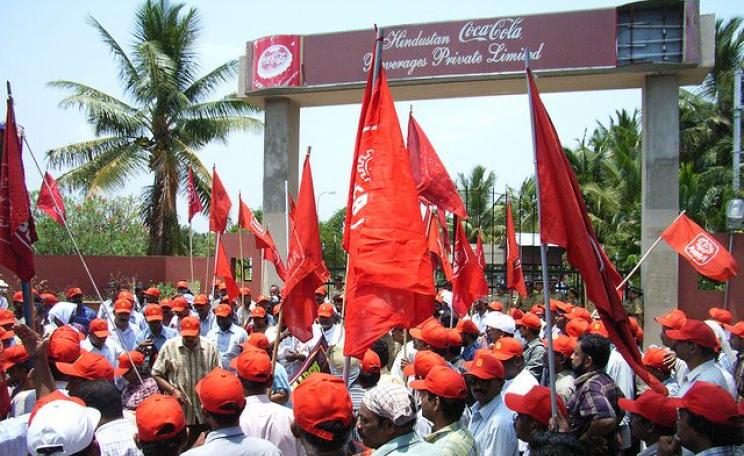
Local campaigners fearful of water shortages and industrial pollution have forced state authorities to cancel an unpopular plan to allocate land for a Coca-Cola bottling plant in Tamil Nadu, India.
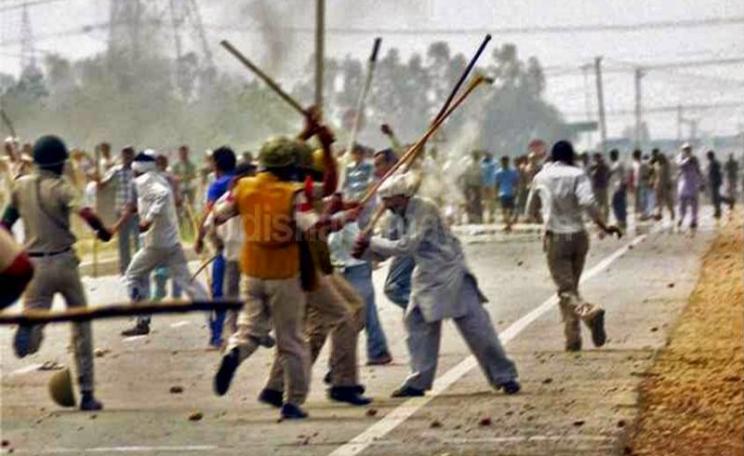
Police in India's Uttar Pradesh state yesterday opened fire on a 'sit in' by tribal protestors at the construction site of the Kanhar dam, now under construction in open contempt of court orders. Tribal leader Akku Kharwar and eight others were seriously injured by the gun fire.
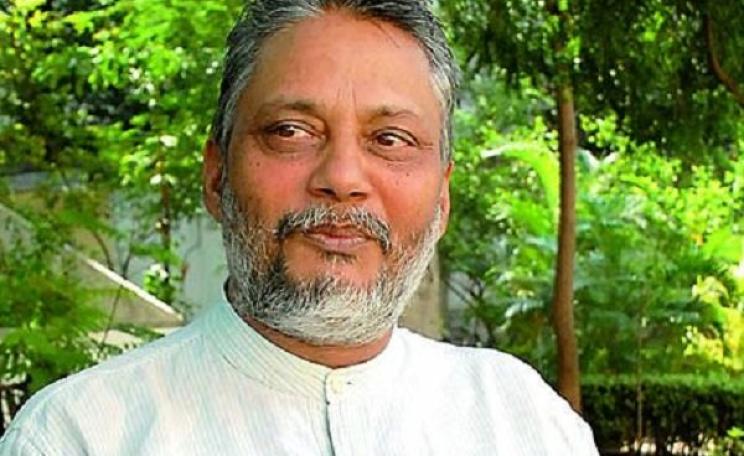
The revival of traditional rainwater harvesting has restored flow to rivers in India's driest state, Rajasthan - thanks to the tireless efforts of Rajendra Singh, recent winner of a Stockholm water prize. And as Pramila Krishnan discovered in a fascinating meeting, Singh's techniques, and his philosophy, are of truly global significance.