Ruthless conservation policies at India's Kaziranga reserve claimed 20 lives in 2015 alone, writes Bhaskar Vira. Now, after a BBC film revealed the grim reality of life for local people, the BBC itself is in the firing line - banned from all India's tiger reserves for five years. Successful conservation must build bridges with communities - not fight them!
In law, the Shuar Arutam People of Ecuador's Amazon control their ancestral forests. But the government has allocated more than 38% of their territory to large-scale mining, and a gigantic hydroelectric dam is about to be built. Peaceful resistance has been met with a violent military occupation against a People whose only demand, set out in this Open Letter, is peace and justice.
The opposition of Ecuador's Shuar People to large scale mining and hydroelectric development in their ancestral forests has triggered a full-scale military occupation of their lands in the Amazon cloud forest, writes Jake Ling, accompanied by a surge in state-sponsored murder and violence - for which Chinese and Canadian mining companies must share responsibility.
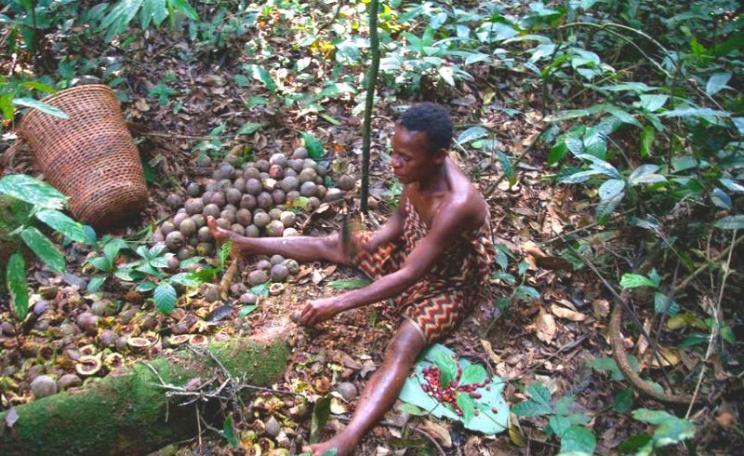
The OECD is pursuing a complaint that WWF has funded abuses against the indigenous forest-dwelling Baka or 'Pygmy' peoples of Cameroon, after determining that its human rights guidelines do apply to WWF owing to the 'commercial nature' of its conservation activities.
Supported by state and national governments, palm oil plantations are advancing over the rainforest hills of Sabah, Malaysia, writes Sophie Chao. In their way: the indigenous Murut of Bigor, whose culture, livelihood and very lives are under threat as forests and farms fall to chainsaws and bulldozers, enriching loggers and distant investors beyond the dreams of avarice.
The US is a party to the International Covenant on Civil and Political Rights and the UN Declaration on the Rights of Indigenous Peoples, write Colin Samson & Øyvind Ravna. Both require free, prior and informed consent for any intrusions on indigenous lands and stipulate that indigenous peoples shall own and control their traditional lands. The US is violating both at Standing Rock.
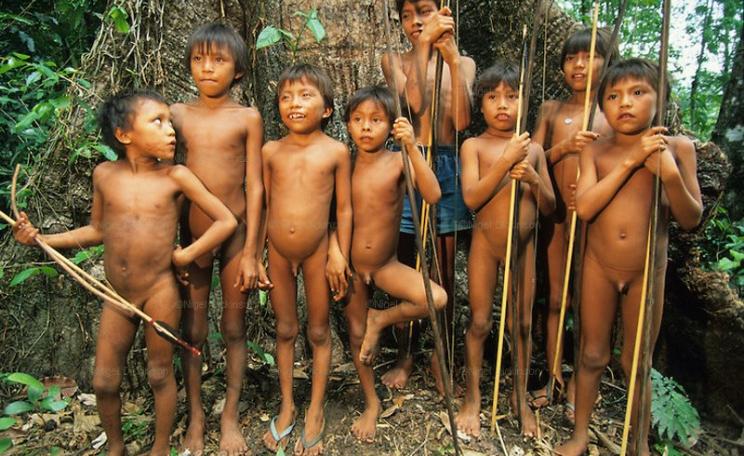
Peru's Congress may soon approve a road through remote rainforest which is home to the country's last uncontacted tribes. The link to the Inter-Oceanic highway would open the area up to land grabs, wood cutting and gold mining, and expose vulnerable indigenous people to diseases to which they have no immunity.
The jobs and quick money that fracking can generate may seem initially attractive, indigenous Canadian activist Caleb Behn told Jen Stout on his recent visit to Scotland. But after decades of oil and gas production, the ineradicable legacy is of fractured landscapes and long-term pollution. 'My land is bisected, divided, by pipelines, roads, well sites, pads, all that. It's really hard on my heart.'
Brazil's indigenous peoples rose up against the government's plans to suppress the rights they had fought so hard to win over decades, writes Christian Poirier. Their victory shows the way to defend our achievements and rights: collective struggle, organized response, strong mobilization and ceaseless pressure.
A government-led shrimp farming project meant to tackle extreme poverty in northern Sabah, Malaysian, won local support in 2010 by promising job opportunities for impoverished indigenous communities. Six years on, mangrove forests local people depend on for food, materials and income are closed off and being cleared - but the jobs have yet to materialise.
The construction of the Don Sahong Dam in Laos PDR must be halted until full information on the project's impacts - in particular the fate of millions of fish that migrate each year through the Hou Sahong channel now being dammed - has been published, writes the Save the Mekong Coalition in this open letter sent today to the project developers.
Israeli military forces have resumed their harassment of Palestinian pastoralists in the occupied Jordan Valley, part of the West Bank, holding live-fire tank and infantry maneuvers on pastures and cropland close to local communities, accompanied by the forced expulsion of both people and livestock.
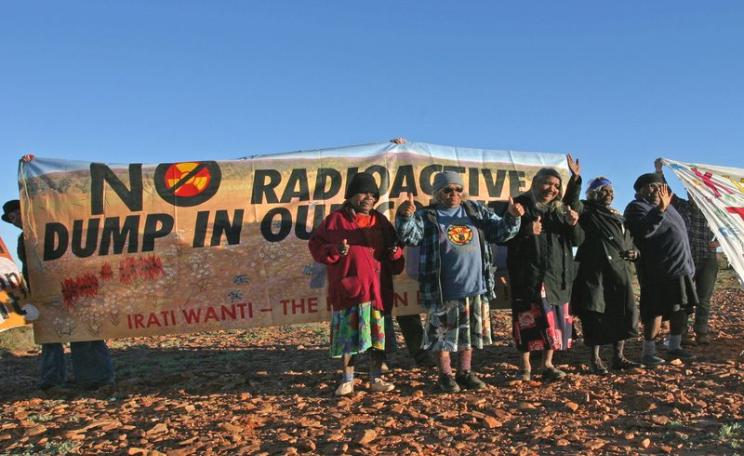
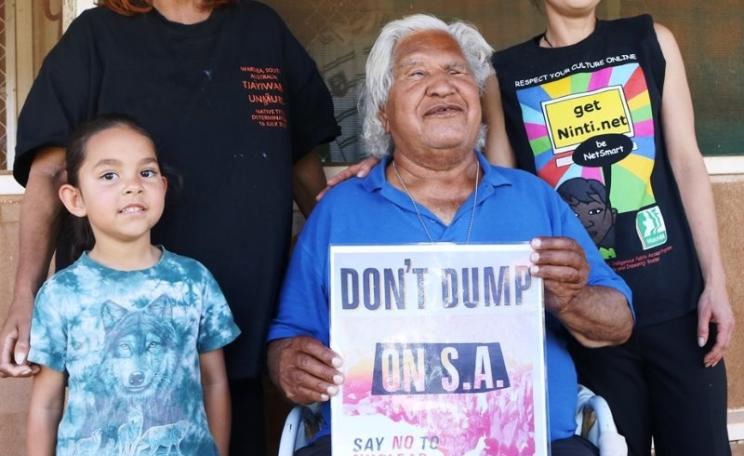
A 350-member Citizens' Jury convened to decide on whether a massive nuclear waste dump would benefit South Australia just gave the plans a big 'No!', writes Ian Lowe. SA Premier Weatherill must drop his attempt to reverse that decision with a referendum, and accept the jury's well informed, democratic verdict.
COP22 has revealed signs of real momentum toward an effective role for tropical forests in achieving a low carbon future, writes Tony Juniper. Now for the hard bit - connecting with realities on the ground to make it happen. This will mean working with indigenous and other forest communities to support and reward their conservation efforts, while harnessing large-scale international carbon finance.
An officially convened 350-strong Citizens' Jury has decisively rejected South Australia's plans to import over half a million tonnes of high and intermediate level nuclear waste for long term storage, writes Jim Green. This has dealt a powerful blow against the project from which it is unlikely to ever recover, and represents a major victory for campaigners, indigenous Australians and economic sanity.
The intimate connection between landscape and religion is at the center of Native American societies, writes Rosalyn R. LaPier, and a key reason why thousands of Native Americans and Indigenous peoples from around the world have traveled to the windswept prairies of North Dakota. There is no excuse for the ignorance and disrespect of corporations, and government.
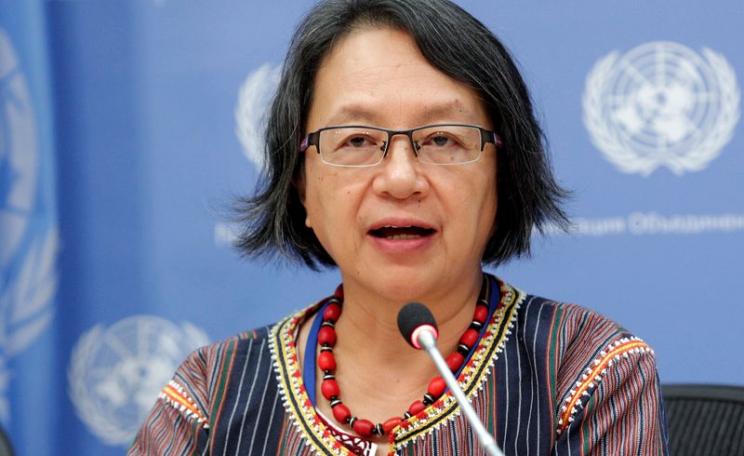
Indigenous Peoples are often the victims of nature conservation, according to a new report by Vicky Tauli-Corpuz presented to the UN this week, as they are expelled from lands they have inhabited for millennia. One reason, she told Joe Eisen, is that indigenous territories are precisely the places where biodiversity is best preserved - thanks to the protective, nurturing presence of their traditional owners.
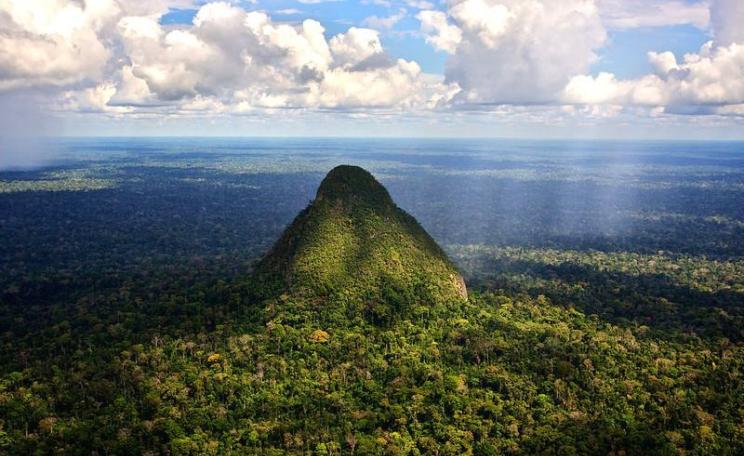
Full credit to Peru for creating the Sierra del Divisor national park in one of the most precious areas of the Amazon, write Lewis Evans & Sarina Kidd. But not for leaving it open to oil drilling, risking the future of uncontacted indigenous tribes that depend on their pristine rainforest environment to survive.
While the confrontation at Standing Rock has galvanized Indians and non-native supporters from across the continent, writes Stanley L. Cohen, it's but a symptom of a much deeper crises facing several million Indians holding on to endangered traditions and cultures that predate 'our' arrival by several thousand years. We may call Indian people sovereign. But it's all a grand, perverse lie.
The Thai government was right to evict an indigenous community from the Kaeng Krachan National Park at gunpoint and burn down homes, a Bangkok court has ruled - even though one resident had lived there for 100 years and the Park was only created in 1981.
It's not that Dilma Rousseff, Brazil's ousted President, was wonderful for the environment, writes Ed Atkins. It's that Michel Temer's new regime is certain to be far worse. Plans are afoot to weaken environmental assessments for large projects like mines, roads and dams. And the new Minister of Agriculture is a notorious campaigner for hugely increased deforestation.
As the global assault on indigenous lands intensifies, the world's largest conservation group, the IUCN, has just voted at its World Conservation Congress for the sacred natural sites and territories of indigenous peoples to be recognised as 'No-Go Areas' for destructive industrial scale activities, writes Hal Rhoades - and for corporations to permanently withdraw from such areas.
Big conservation NGOs increasingly resemble the nature-destroying corporations they should be opposing, writes Margi Prideaux. This ideological capture is reflected in their vapid marketing to conservation 'consumers'; the serious abuse of indigenous communities they should be engaging as partners; and their willing sacrifice of core objectives to money and influence.
In the thick of the Olympic frenzy, one voice that was systematically excluded from mainstream narratives is that of Brazil's Indigenous Peoples, writes Lewis Evans, who have fought to survive through centuries of dehumanisation, theft and genocide. And now they face a fresh attack as a proposed constitutional change, PEC 215, threatens a new round of indigenous land theft.