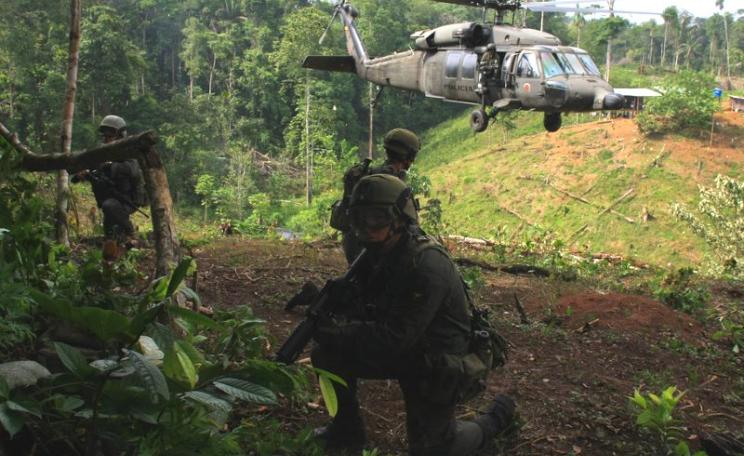
Botswana's war on its indigenous population, the Bushmen of the Kalahari, has reached a new pitch, writes LEWIS EVANS. No longer content to arrest and intimidate them as they engage in subsistence hunting on their own land, the state has begun to shoot them from aircraft. These illegal, genocidal acts must stop!
The real reason why 'golden rice' remains uncultivated after a 20 year effort is its poor agronomic performance, write Angelika Hilbeck & Hans Herren. But beyond that, the very idea of golden rice as a 'solution' to Vitamin A deficiency fails to recognise the real causes of malnutrition - poverty, hunger and poor diet. How will golden rice reach poor children in the first place? And will they ever get the rich, oily diet they need to assimilate its fat-soluble nutrients?
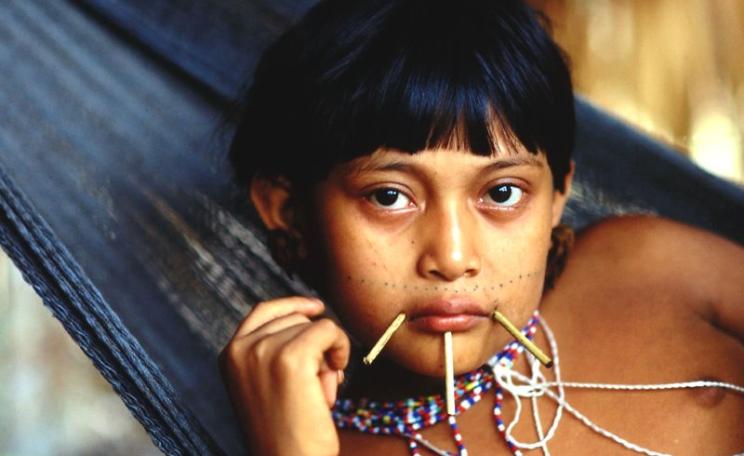
Brazil's new neoliberal government is intent on building a massive new dam deep in the Amazon rainforest on the on the Tapajós river, writes Helle Abelvik-Lawson, obliterating the indigenous territory of the Munduruku people in defiance of their constitutional rights.
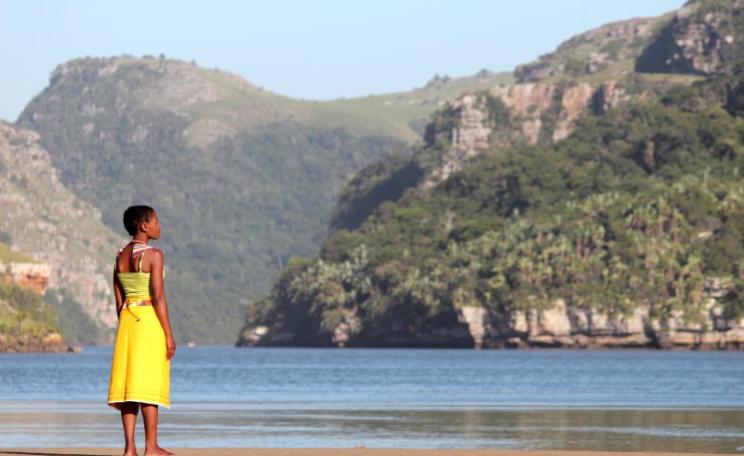
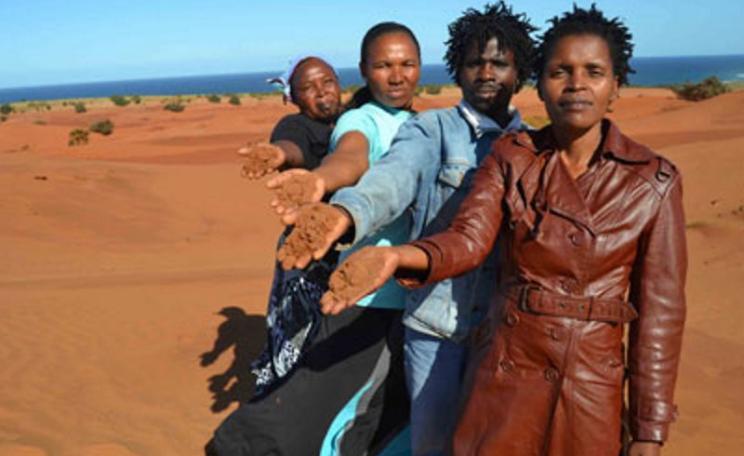
Campaigners have forced the biggest shareholder in a titanium mining project on south Africa's 'Wild Coast' to withdraw, reports Rachel Lees. But they now fear the project itself will continue under the auspices of local 'front' companies, while the big profits enrich the British and Australian investors that are the real masters of Africa's neo-colonial minerals boom.
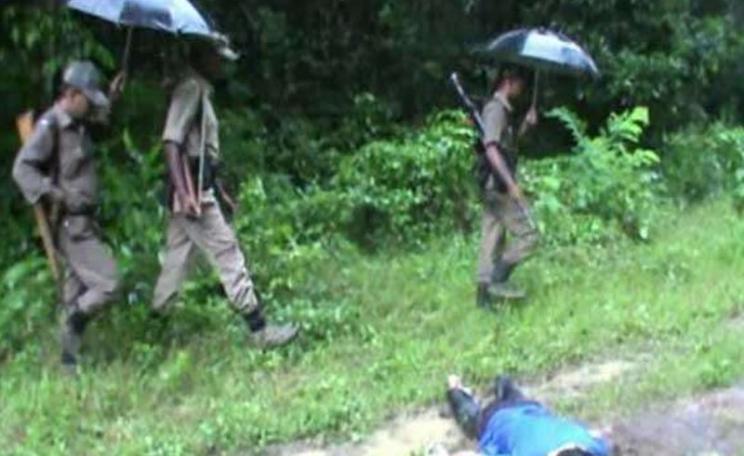
A 7-year old boy has been shot by park guards in Kaziranga national park, India, visited in April by Prince William and Kate, which operates a strict 'shoot first' policy. The incident highlights the government's wider efforts to evict tribal peoples from their forests in the name of conservation.
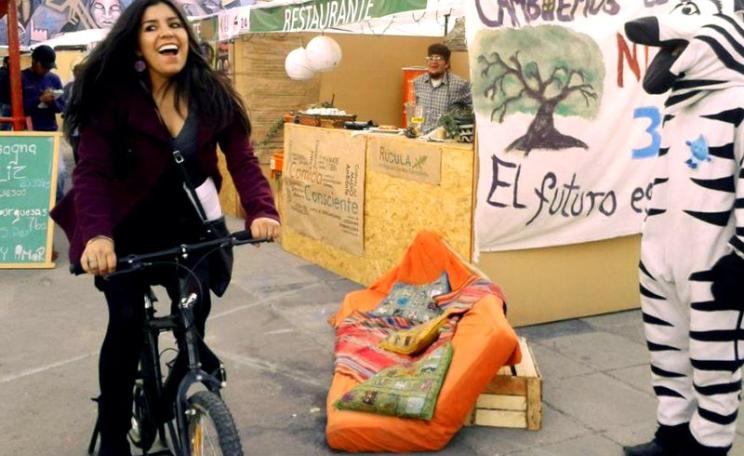
Rooted in the Andean principles of sharing, resilience and 'Vivir Bien' (Living Well), Bolivian activists in the world's highest capital city are building cooperative, grassroots alternatives to the profit-oriented economy, writes Sian Cowman. Their weekly lunch party is just the most visible way in which they are challenging the injustice of capitalism and the fragmentation it inflicts on communities.
A new dam on indigenous lands at Muskrat Falls will join a network of other hydroelectric projects spanning Innu territories across the Labrador-Quebec peninsula, writes Colin Samson. The continual violation of Innu rights imperils their ability to enjoy healthy and sustainable lifestyles - and follows in a long tradition of indigenous land theft in North America.
Australia's nuclear industry has a shameful history of 'radioactive racism' that dates from the British bomb tests in the 1950s, writes Jim Green. The same attitudes persist today with plans to dump over half a million tonnes of high and intermediate level nuclear waste on Aboriginal land, and open new uranium mines. But now Aboriginal peoples and traditional land owners are fighting back!
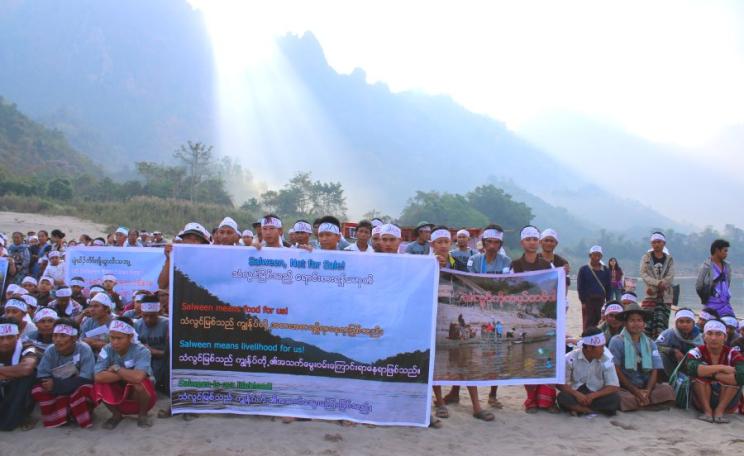
The free-flowing Salween is the last big undammed river in Southeast Asia, home to a flurry of endangered species including tigers and clouded leopards, writes Tom Fawthrop in Hpa-an, Karen State, Myanmar. And thanks to support from both the indigenous Karen people, and senior officials in China who see the huge ecotourism potential of the river and its dramatic gorge, it could just stay that way.
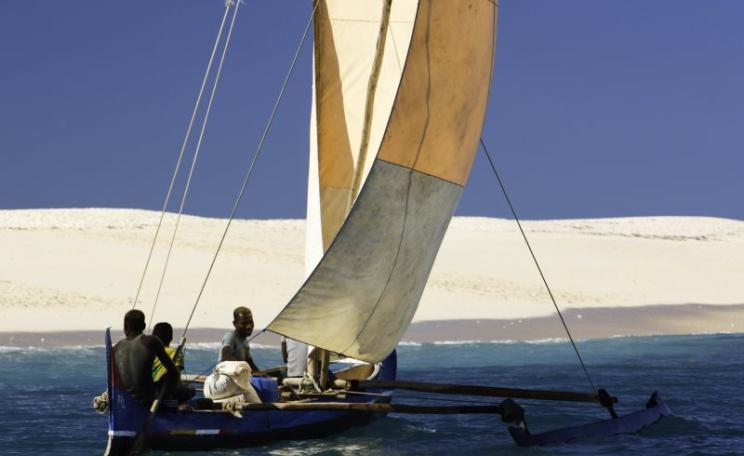
The Vezo, Madagascar's indigenous 'sea nomads', are travelling hundreds of miles to the remote 'Barren Isles', the Indian Ocean's largest locally-managed marine protected area, writes Charlie Gardner. Drawn by valuable shark fins and sea cucumbers, sold into Chinese markets, the Vezo are now joining with local fishers to protect the ecosystem and expel illegal divers.
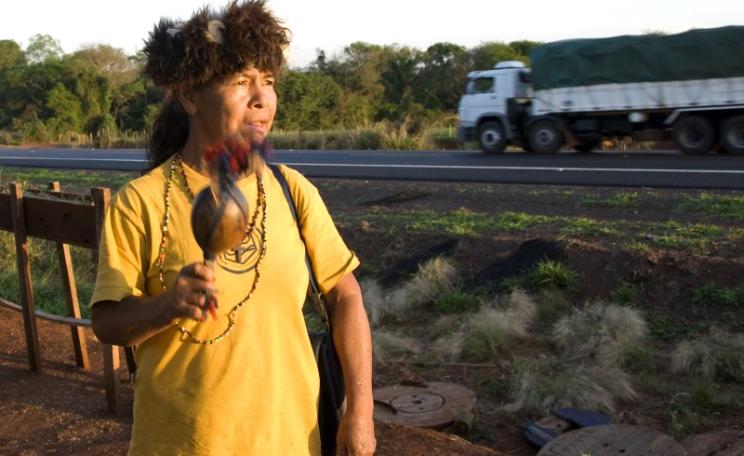
Land theft, agribusiness and violence pose an existential threat to Brazil's Guarani people, writes Lewis Evans. They maintain a powerful resolve to regain their historic lands, and even have the law on their side - but the tribe will need international support to prevail against murderous ranchers and farmers, corrupt politicians and a paralysed legal system.
Amidst the turmoil of the presidential impeachment, writes Jan Rocha, right wing members of Brazil's Congress are set to pass new laws that would build new roads across the Amazon, open up indigenous reserves to industrial exploitation, and create a surge in carbon emissions from burning forests.
The pristine landscape of South Africa's Wild Coast is under threat from mining, writes Hal Rhoades, and the communities standing up to defend the land are facing deadly consequences: harassment, threats, physical assault and murder. Attacks on mine opponents have taken four lives so far and many others have been injured. But the opposition is growing and gaining international support.
The 'war on drugs' is presented as a necessary battle against social evils, writes Benjamin Ramm. But from the Andes to the Caribbean, prohibition has criminalised both religious and cultural expression. And it's a war that is strictly for the global poor: people in Colorado can grow pot - so why not Colombians?
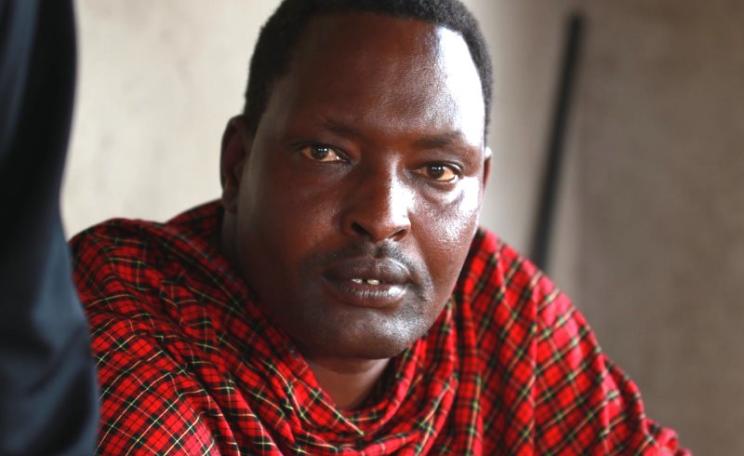
Commuting between land rights negotiations in the city and herding goats on the plains, Edward Loure is at once a traditional Maasai and a modern urbanite, writes Sophie Morlin-Yron. That ability to straddle the two very different worlds he inhabits has been key to his success at having 200,000 acres of land registered into village and community ownership - and his own 2016 Goldman Prize.
The 'brutal savage' meme has enjoyed a resurgence in popular culture and establishment narratives, writes Stephen Corry, despite abundant evidence that it's fundamentally wrong. But it suits today's dominant mindset of conquest, conflict and colonialism all too well, and serves to justify the ongoing genocide and expropriation of surviving Indigenous Peoples today.
The endangered Bengal Tiger and One-horned Rhino desperately need protection, writes Lewis Evans. But in India's Kaziranga National Park, 'fortress conservation' includes a brutal 'shoot on sight' policy that is terrorising local communities, many of them tribal. Indigenous peoples are the natural allies of conservation and need to be engaged in constructive solutions - not shot!
Disregarding revelations of systemic political corruption in Brazil's hydropower sector, President Dilma Rousseff is ploughing ahead with a cascade of giant dams on the mighty Tapajos river. Among the companies touting to win huge construction contracts are France's EDF and Engie, and Germany's Voith and Siemens - in a consortium led by Brazil's Electrobras, which stands accused of high-level corruption over four other dam projects.
Australian governments have long waged a one-sided war on the continent's Aboriginal peoples, writes John Pilger. And now a new weapon has come into play: the starvation of the most remote, culturally intact communities. It's all part of a multi-faceted program of physical and cultural annihilation. And yet the world is silent.
Precious World Heritage Sites that protect vital biodiversity and human cultures are at risk from oil decelopment and other industries. Under threat are not just nature, wildlife, land and water but the 11 million people who depend on the 114 sites' environmental quality for their livelihoods.
North American buffalo are officially 'vulnerable to global extinction', writes Louise Willcox, yet the US National Parks Service and Montana are intent on their wholesale slaughter. In place of a complete ecosystem with wild-roaming buffalo and grizzly bears, wildlife managers are systematically favoring the over-abundant elk that drive the politically powerful hunting industry.
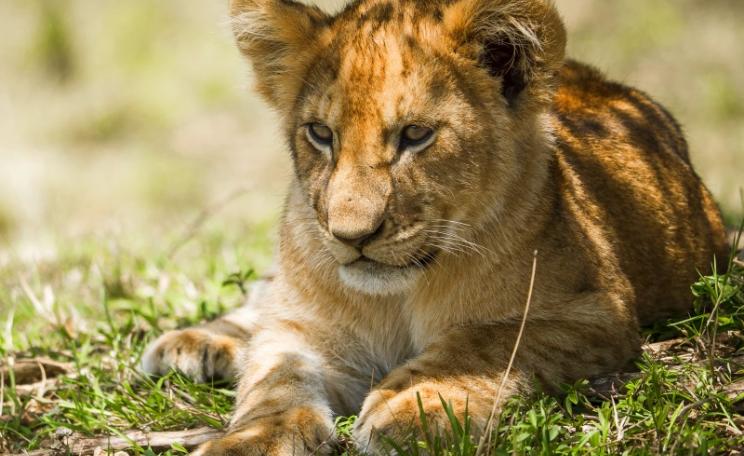
The conflict between lions and Africa's cattle herders goes back centuries, write Grant Hopcraft and Sara Blackburn - and lions have been the big losers in recent years. But where local people benefit from ecotourism, that ancient enmity can quickly be set aside. 'Community conservancies' around formal protected areas are helping both lions and indigenous communities to survive and thrive.
The rights of nature and of indigenous communities are enshrined in Ecuador's constitution, writes Kevin Koenig. But down in the Amazon the government is going full speed ahead with oil extraction on indigenous territories whose owners are committed to keeping their forests and waters pollution-free. A mighty battle is brewing that looks certain to come to a head this year.
For Saskatchewan, uranium is an important part of the economy, but for the province's indigenous peoples, the land is everything. It is filled with relationships between beings who dwell together in an interconnected web. Their traditional ecological knowledge is not just a set of terms or data, but a deep, broadly-viewed reality which contains systematic respect for all creation.