George Catlin's original vision of national parks saw them as providing a refuge for 'man and beast' alike, writes Kollibri terre Sonnenblume, giving Indians a home in the 'freshness of their nature's beauty'. But soon the National Parks Service was violating promises, treaties and contracts as it perpetrated over a century of land theft from America's Indian tribes.
Coffee may be grown all around the tropics, writes Fiona Hesselden, but it originates in just one place: the 'coffee rainforests' of the Ethiopian highlands. We depend on the wild plants for new genes and varieties, yet the forests are falling fast to the advance of farmers. To preserve the forests and all their biodiversity, the original people of the forest must receive their just rewards.
The Government of Honduras is intent on framing the only witness to the murder of Berta Cáceres as the one guilty of the crime, writes Beverly Bell. Gustavo Castro Soto, an eco-defender from Mexico, is now in effective detention in his country's embassy in Tegucigalpa in fear of his life, having himself been injured in the attack and seen the real assassin. The US Government must break its resounding silence.
Less than two weeks after the murder of Honduran eco defender Berta Caceres, another indigenous leader has been shot dead during the violent police and military eviction of 150 families from the settled community of Rio Chiquito. International funders of the controversial Agua Zarca hydro project are now backing out..
Media furore over the shooting down of a helicopter in Tanzania masks a bigger picture of commercial hunting and evictions of indigenous tribes in the name of wildlife, writes Navaya ole Ndaskoi. It's time to rethink 'white saviour' mythology and develop new models of conservation that respect and engage with African communities, recognise their achievements, and inspire a new generation of conservation heroes.
The indigenous Wampis people of the Peruvian Amazon have demanded the immediate closure of a Petroperú oil pipeline after a series of devastating spills, writes Vanessa Amaral-Rogers. The company has already been found guilty of 'negligence' after previous oil spills contaminated the Wampis land and rivers.
Last week the environmental and human rights activist Berta Cáceres was murdered by gunmen in an early morning attack on her home which may have been carried out by or in collusion with state agents. Now her friend and colleague Gustavo Castro, himself wounded in the attack and the only witness to Berta's murder, has been detained for questioning.
WWF’s support for 'fortress conservation' has led to serious human rights abuses for indigenous peoples, writes Lewis Evans, and nowhere more so than in Cameroon, where the Baka are considered trespassers and poachers in their own ancestral forests. A formal complaint against WWF's behaviour is now in process.
A year after Shell was forced into a £55 million settlement with an indigenous community in Nigeria devastated by oil spills, a UK High Court judge has allowed two new such cases to proceed on behalf of some 43,000 subsistence farmers and fishers whose livelihoods have been wiped out by the same cause.
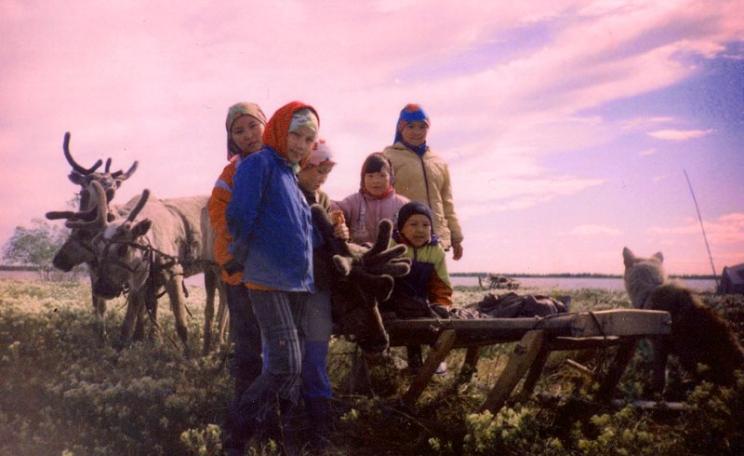
A vital nature preserve in western Siberia, and the indigenous peoples that inhabit it, are at risk from oil development, write Elena Sakirko & Konstantin Fomin. Oil giant Surgutneftegas is already active in the Numto Park, but now they want to extend operations into its fragile wetlands, putting at risk snow cranes, the Heavenly Lake, and the survival of the Nenet and Khanty peoples.
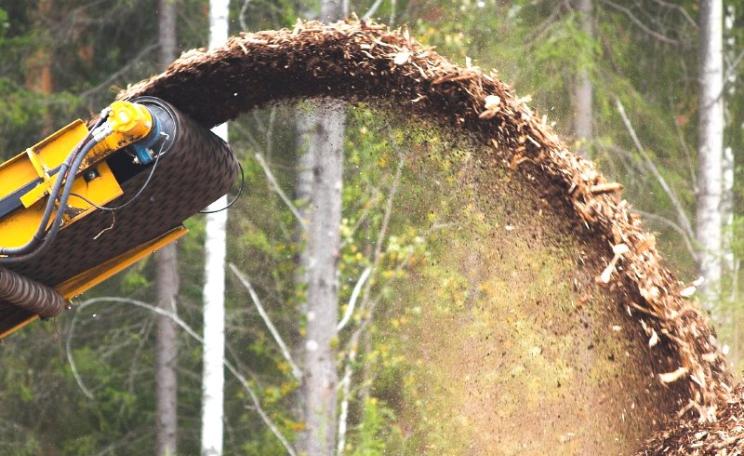
We, the signatories of this declaration, are calling on the European Union (EU) to exclude bioenergy from its next Renewable Energy Directive (RED), and thereby stop direct and indirect subsidies for renewable energy from biofuels and wood-burning.
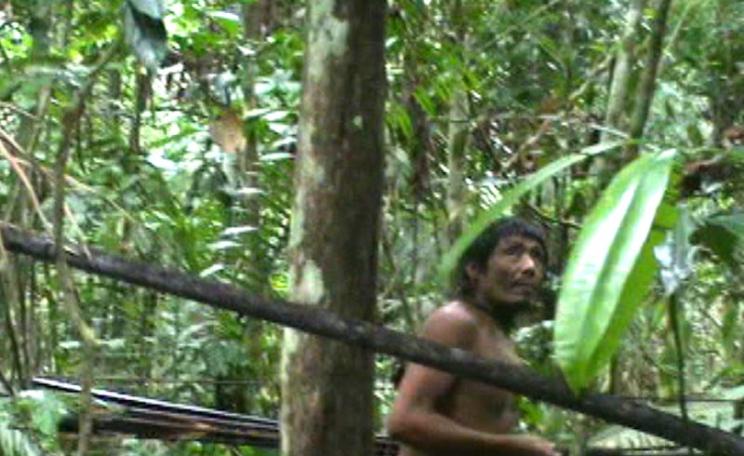
The Kawahiva, an uncontacted tribe in the Amazon rainforest, face extinction unless Brazil's government acts to secure their legal rights to land, security and to remain undisturbed by outsiders, writes Lewis Evans. The decree that would achieve this vital goal has been sitting on the Minister of Justice's desk since 2013. Let's make sure he signs it soon, before it's too late.
Erdogan's horrific 'war on terror' in the Kurdish cities of Eastern Turkey may have a silver lining, writes Defne Kadıoğlu Polat - at least for property developers and ruling party insiders. Plans are already under way for 'urban renewal' projects that will see the valuable real estate cleansed of buildings and people by the war developed into luxury apartments and shopping malls.
The UK's coal burn is not just having a huge impact on climate, writes Anne Harris. It's also devastating communities in the UK, Russia, Colombia and other nations that supply our coal power stations. Those impacted are doing their best to resist the mining companies that are destroying their land, stealing their homes and polluting their air and water. But they need our help!
Israel's government is now free to expel 1,200 of its Bedouin citizens from their 'unrecognised' villages in the Negev desert, following a Supreme Court decision not to hear their appeal. Now only one thing can save the Bedouin, their communities and their way of life: an international outcry.
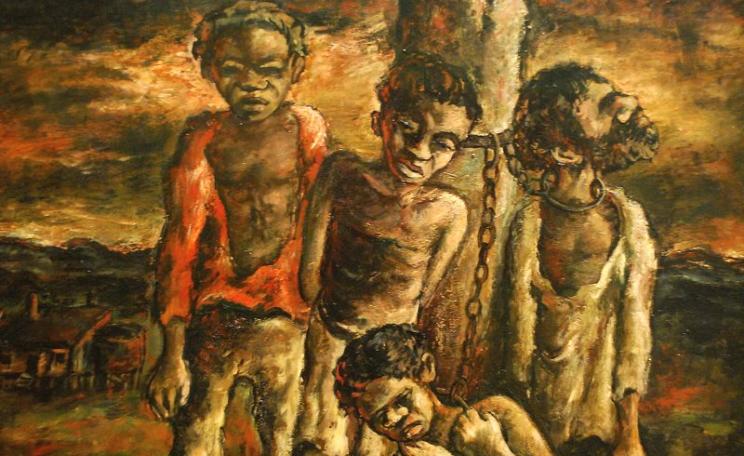
For most Australians, 26th January is a day of family celebration, writes John Pilger. But for its indigenous peoples the only thing to celebrate is their survival after over two centuries of rape, murder, theft and vicious racism that continues to this day, and has even found new expression in Australia's war on refugees, incarcerated in barbaric Pacific Island concentration camps.
Dam builders have a new mantra, writes Tom Fawthrop: 'sustainable hydropower'. Repeated at every opportunity, it is based on the unproven idea that large dams can be made 'sustainable' by promising future 'mitigation'. And so it is at the Don Sahong dam in Laos which is about to devastate the mighty Mekong and the 60 million people who depend on it for food and livelihood.
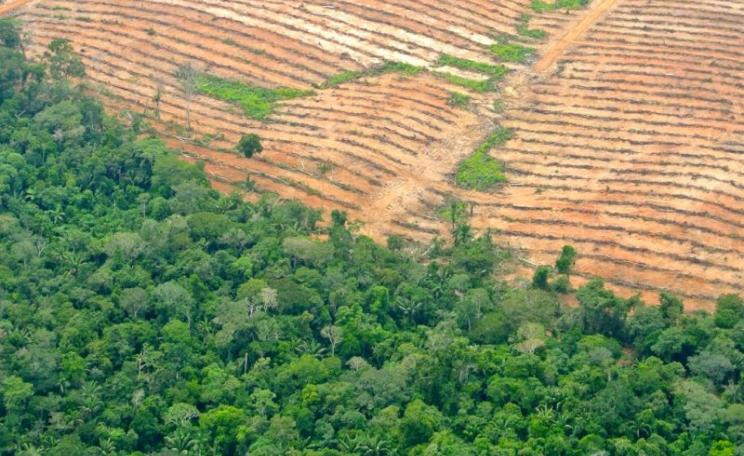
Never mind Brazil's COP21 promises to cut its carbon emissions, writes Jan Rocha. New laws passing through Congress will encourage deforestation by removing safeguards and opening up indigenous territories to mega-projects. Serious drought is already contributing to a big increase in forest fires.
Farmers on Palawan are being tricked into giving land away to palm oil companies with local government support, writes Rod Harbinson. Under the palm oil company 'leases' the farmers lose all rights to their land, never receive any money, and are saddled with 25 years of debt. Those who resist the land grabs are now in fear for their lives following the murder of a prominent campaigner.
A new movement has been launched at COP21 in Paris to give legal effect to the rights of nature and communities, writes Hal Rhoades, providing effective protection against the gross environmental damage and human rights violations that accompany extractive industries from mining to oil development and agri-business projects, and which underlie climate change.
Death threats to an indigenous forest defender in Peru have followed his success in closing down an illegal palm oil operation on his tribe's lands carried out by a member company of the Roundtable on Sustainable Palm Oil, now meeting in Kuala Lumpur.
A new investigation of palm oil plantations, companies and auditors has found that the Roundtable on Sustainable Palm Oil is failing to deliver on its promise, writes Chris Lang. Widespread fraud, collusion between auditors and companies, conflicts of interest, and a flawed complaints system mean that RSPO-certified palm oil may be destructively and illegally produced.
The massacre of elephants for Asian ivory trade is driving the iconic African giant to extinction, writes Lewis Evans. But the 'military response' is both brutal and ineffective, all the more so as it excludes and alienates the indigenous communities who are the best defenders of nature and wildlife. The simplistic message of 'Last Days of Ivory' is both damaging and dangerous.
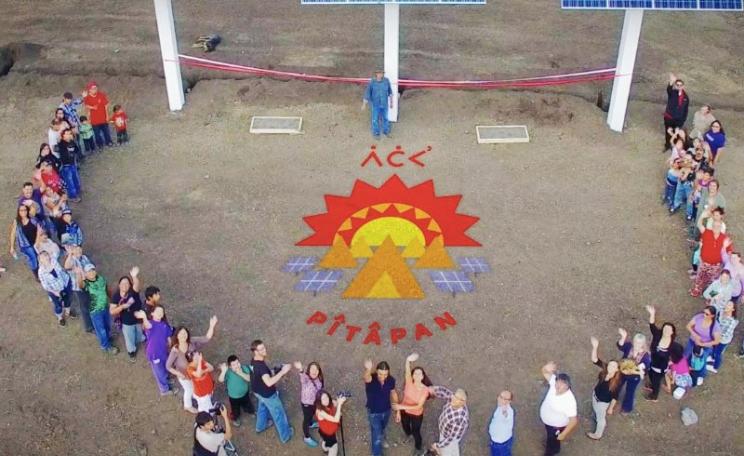
An 500-strong Indigenous community in Alberta, the heart of Canada's environmentally catastrophic tar sands industry, is fighting back against the pollution, writes Melina Laboucan-Massimo - by cutting themselves adrift from dependence on fossil fuels, and starting up their own solar power station: a vital first step towards building a just and sustainable society.