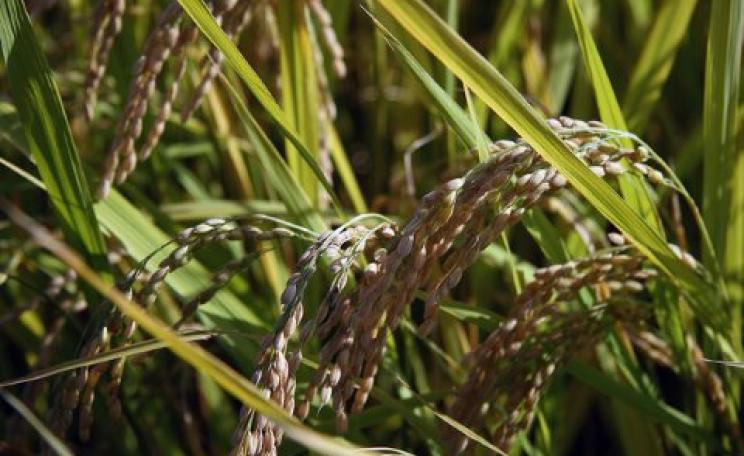
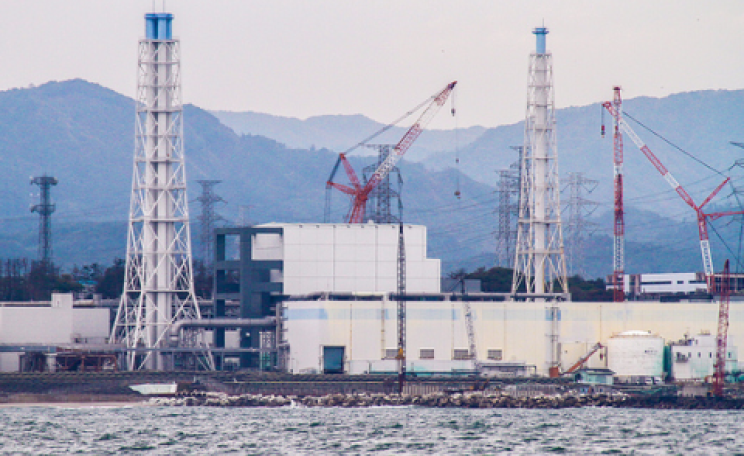
Research on the biological effects of radiation near the Fukushima nuclear disaster site finds a powerful response in rice seedlings, writes Gregory McCann. The discovery will do nothing to boost consumer confidence in resumed rice exports from the Fukushima region.
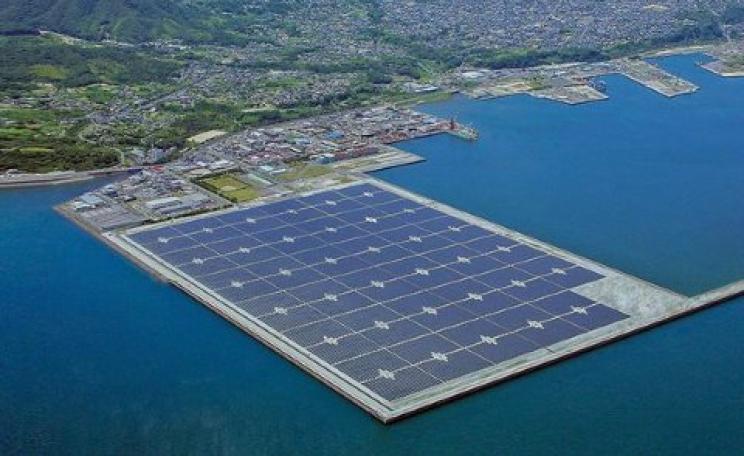
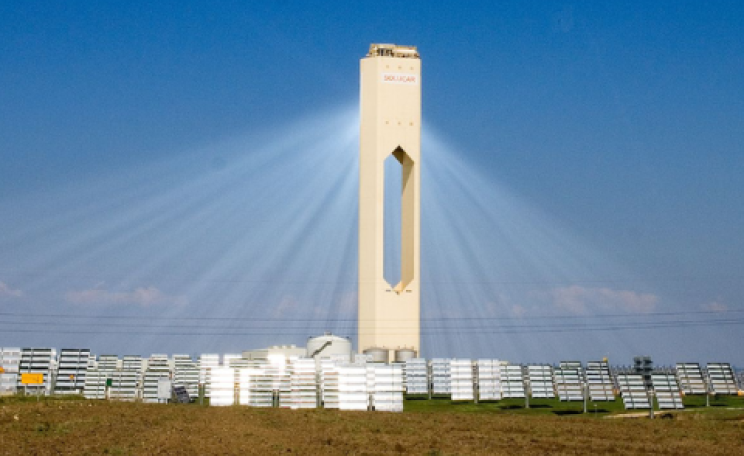
As Japan seeks to end reliance on nuclear power, one of the answers is floating 'solar islands', writes Jon Major. A 70MW solar island opened last year, and two additional plants have just been announced.
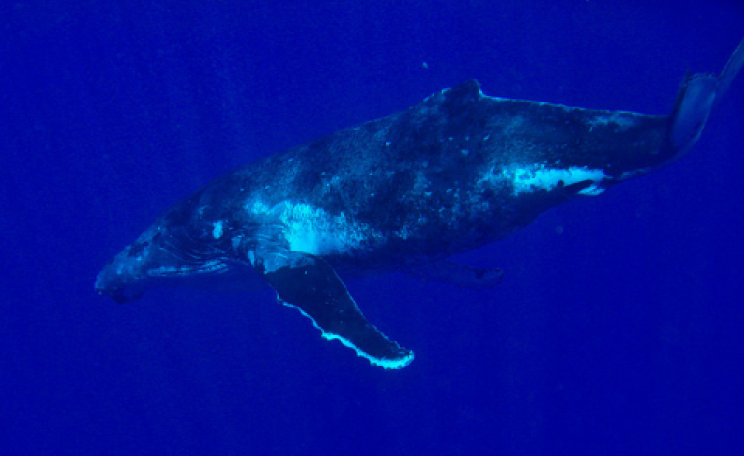
Tomorrow the 65th meeting of the International Whaling Commission begins in Slovenia, writes Clare Perry. Among the issues: Iceland's slaughter of fin whales in defiance of the IWC moratorium, and its illegal export of their flesh and blubber to Japan - over 2,000 tonnes this year alone. The IWC and its member nations must act.
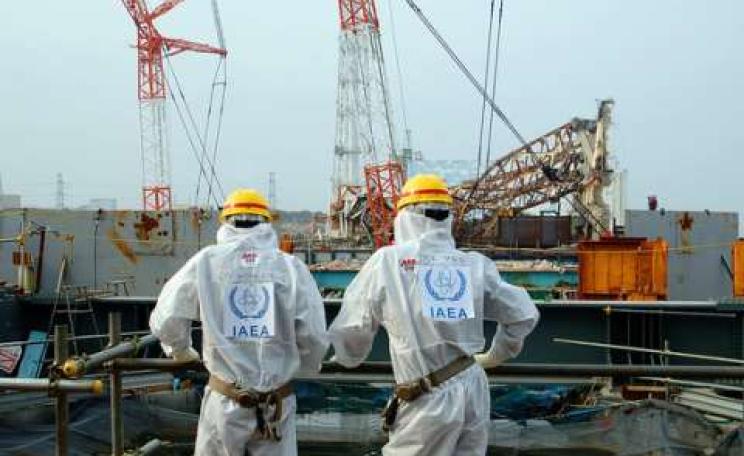
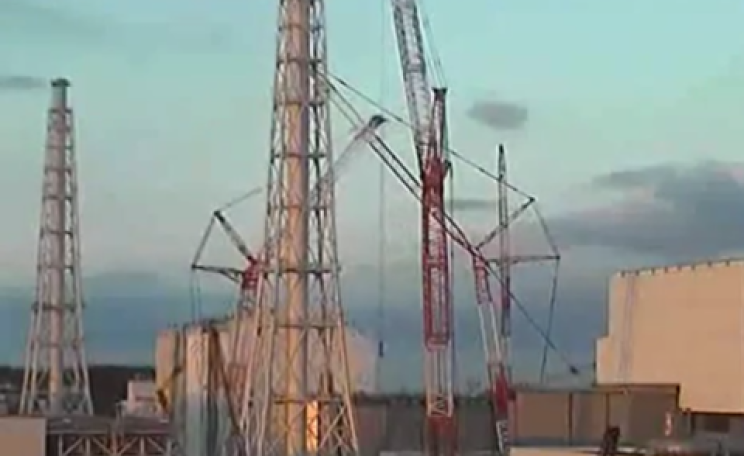
A massive health crisis is following the 2011 nuclear disaster at Fukushima, write Joseph Mangano & Janette Sherman - not just in Japan but around the world. But the health impacts remains woefully under-studied. Scientists must wake up and undertake serious research without delay.
Fukushima has largely disappeared from the mainstream news, writes Harvey Wasserman. After all, who wants to read about children with cancer, continuing huge radiation leaks, and the very real possibility of another catastrophe as big as Chernobyl?
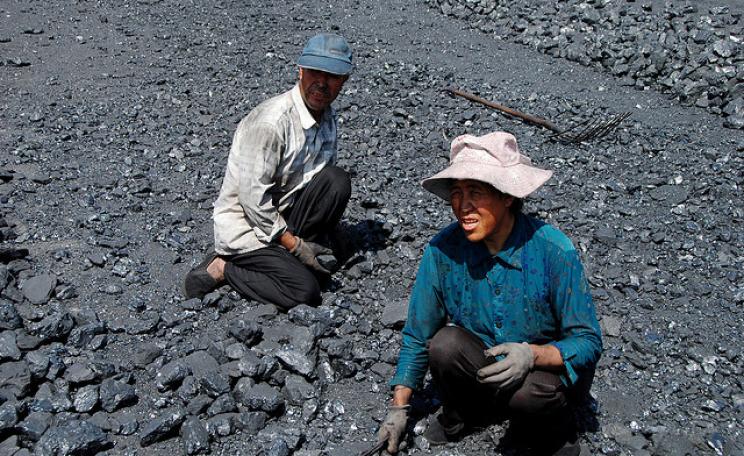
Japan is the world's biggest financier of coal development, setting developing countries on a dirty, coal fired energy track. As President Obama visits Japan, Nicole Ghio urges Prime Minister Shinzo Abe to re-apply its coal billions to build a clean, renewable energy future.
The International Court of Justice has ordered Japan to revoke its 'scientific whaling' permits in the Antarctic and cease to issue new ones as they are not for scientific purposes. Next, the North Pacific ...
The solar industry is going great, with tens of gigawatts of new capacity planned for 2014 alone. But as Jonathon Porritt writes, the solar revolution could be going even faster - with smart, consistent policies for solar power in Europe and Japan.
A telephone transcript released under the Freedom of Information Act shows: the US Navy knew that the USS Ronald Reagan took major radiation hits from the Fukushima atomic power plant after its '3/11' meltdowns and explosions.
Tepco has announced the accidental leak of 100 tonnes of highly radioactive water from a storage tank at the stricken Fukushima nuclear plant in Japan.
In his new book 'Hunting the Hunters - at war with the whalers', Laurens de Groot recounts his adventures with Sea Shepherd in the Southern Ocean, saving whales from Japan's 'scientific research'.
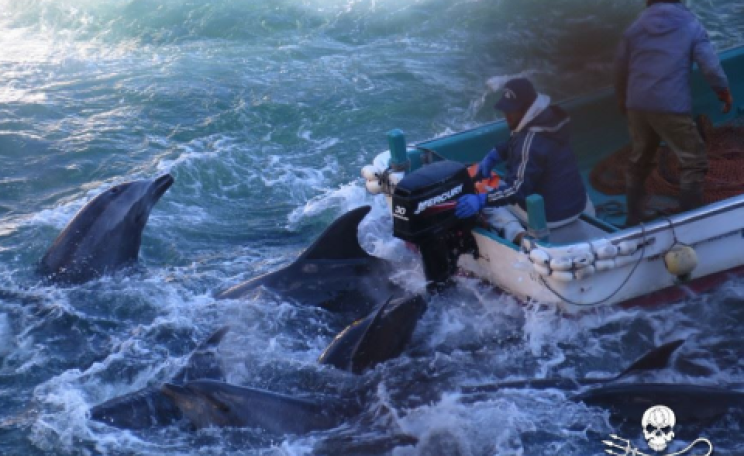
The Japanese dolphin slaughter at Taiji is an exercise in wilful sadism, writes Joshua Frank. But responsibility for the killing spreads much wider than Japan, with captive cetaceans from Taiji reaching aquaria around the globe - including SeaWorld.
Japan's secrecy law, just passed by parliament, gives the government carte blanche to designate state secrets - and restrict information about anything it likes. Saul Takahashi hears the sound of jackboots on the march ...
An unexpected outcome of the Fukushima nuclear disaster is that the UK's Sellafield nuclear site - already the world's biggest plutonium repository - is set to store even more of the radioactive, fissionable metal.
At the COP19 in climate conference in Warsaw, a new coalition has formed - 'the climate saboteurs'. Key members are Australia, Canada, Japan. They are resolute in crushing the hopes of developing countries already suffering climate catastrophes like Typhoon Haiyan.
Japan's hunting of cetaceans has become a rallying point for nationalists, but demand for their meat is falling amid worries about toxic pollution. Fukushima could just prove to be the last straw for a declining industry ...
Three years after the Fukushima nuclear catastrophe hit our TV screens, Paul Mobbs examines the still unfolding global disaster - and the motives of politicians whose love of nuclear power is stronger, than it is wise.
Japanese prosecutors have dropped all charges against Tepco, the operator of the stricken nuclear power plant at Fukushima, along with senior Government officials.
The Kindai tuna, bred by scientists at Kinki University, may lead the way for future large-scale tuna farms. Tom Edathikunnel investigates whether the idea really is preferable to overfishing
Forty years ago this month The Ecologist reported on the environmental implications of the rise of the Japanese economy. In the wake of the recent earthquake and associated nuclear fears has it cleaned up its act?