The US EPA has approved new GMO corn and soybean varieties resistant to both glyphosate and 2,4-D, writes Jim Goodman - and the highly toxic herbicide mix itself. In this latest escalation of the chemical war against nature there is one clear winner - Dow AgroSciences. But everyone else loses - farmers, consumers and our increasingly endangered wildlife.
A British lawyer has filed a complaint with the International Criminal Court, writes Kevin Ponniah, alleging that a wave of violent land-grabbing that has displaced 770,000 people has been carried out by Cambodia's ruling elite, and that it amounts to a crime against humanity.
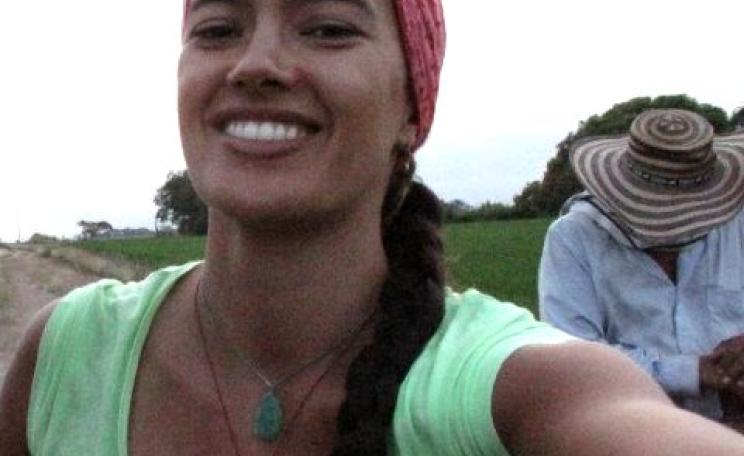
Doima, a small town in the Colombian highlands, is on the front line of battle against a giant government-backed gold mine that would fill a nearby valley hundreds of metres deep in over a billion tonnes of mine waste. Hal Rhoades met Mariana Goméz Soto, an activist in Doima's campaign to defeat the mine project.
A huge EU-US trade and investment deal may not be quite so dangerous as its opponents portray it, writes Gabriel Siles-Brügge - but it still represents a serious threat to governments' ability to regulate for the benefit of citizens and environment, and would entrench 'competitive' markets in public service provision.
Government and corporations are resorting to the judicial repression of environmental activism in Malaysia, writes Meena Raman - deploying public order and defamation laws to suppress criticism and protest. Malaysia must value its peoples health and security above corporate profit.
Deep in rural Devon, the word is that the Government intends to trap the wild-living beaver family on the River Otter next month, and consign them to captivity. But as Alasdair Cameron writes, this is not only unnecessary and unpopular, but probably illegal as well.
Three Sea Shepherd volunteers have been arrested for 'harrassing dolphins' and deported from the Faroe Islands. But their real crime was to save hundreds of Atlantic white-sided dolphins from slaughter.
Sanctions against Russian natural resource tycoons could be good for the environment, writes eco-campaigner Konstantin Rubakhin - if only they would target the right people. But so far, the EU has been turning a blind eye to powerful Kremlin insiders with an open licence to pollute and destroy.
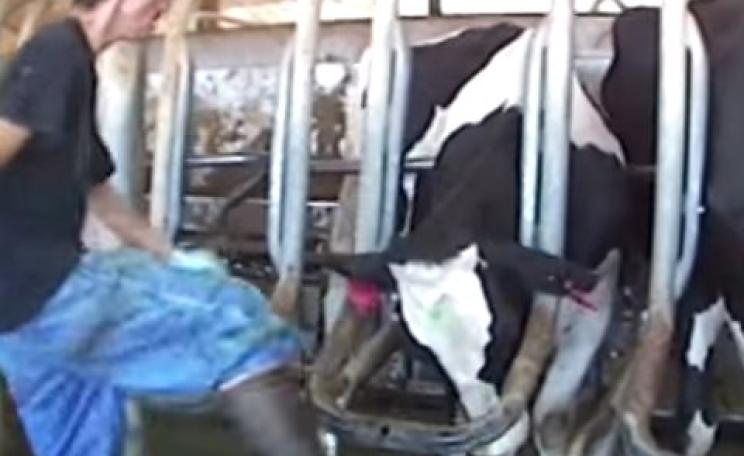
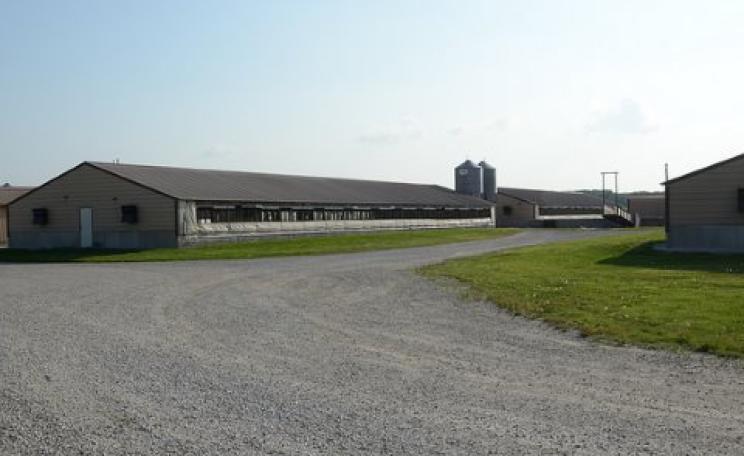
A legal challenge to a draconian Idaho law that outlaws free speech about animal abuses on factory farms has survived a 'motion to dismiss' in a federal court. The challenge, mounted by free speech, animal welfare, food and environment groups, claims the 'ag gag' law is unconstitutional.
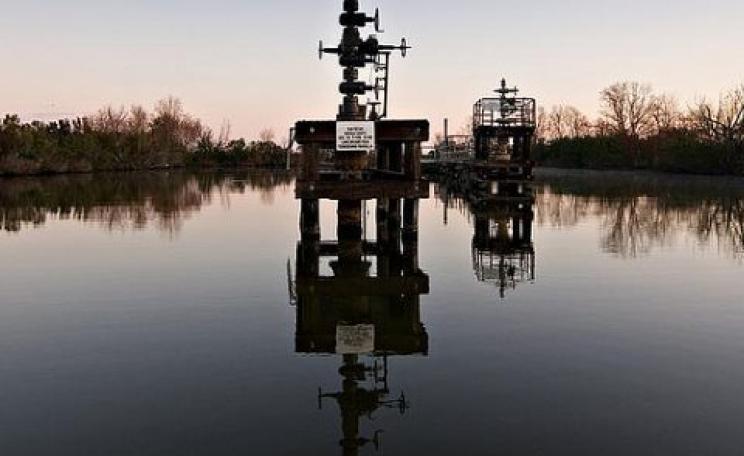
Thanks to damage to coastal wetlands by the oil & gas industry, Louisiana is losing two acres to the sea an hour, writes Julie Dermansky. The companies are legally obliged to repair their damage - but they haven't and the cost has reached $50 billion. The answer? A Bill backed by the state governor to make them immune from lawsuits.
Thanks to Andy Hall's investigations of abuses of migrant workers in Thailand's fish and pineapple industries, a criminal trial begins today in Bangkok - his own. He faces eight years in prison and a $10 million fine for exposing their crimes in a devastating report that has inspired international action against the companies involved.
The Danish Navy has just supported the annual 'grind' cetacean slaughter on the Faroe Islands, seizing three boats used by Sea Shepherd to obstruct the hunt, and detaining their crew. The move enabled whale hunters to slaughter an entire pod of 33 pilot whales.
Campaigners who dared confront the might of the US's nuclear weapons establishment, in the process revealing the chronic insecurity of its facilities, are paying a heavy price, writes Michael Edwards. But their strength, serenity and joy in the face of brutal injustice brings hope to the world for a just and peaceful future.
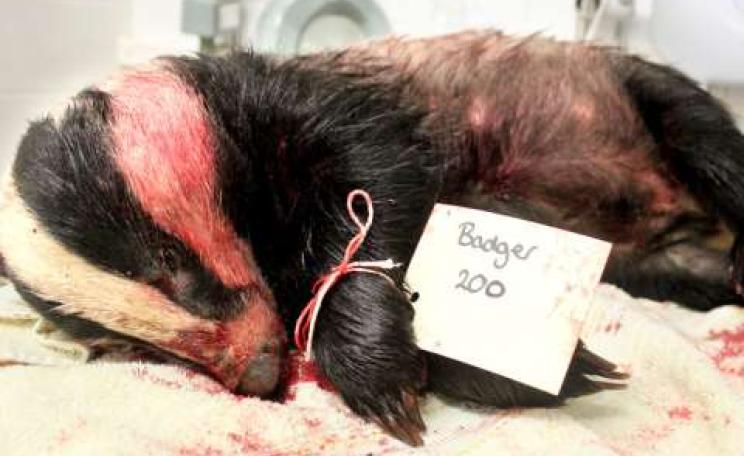
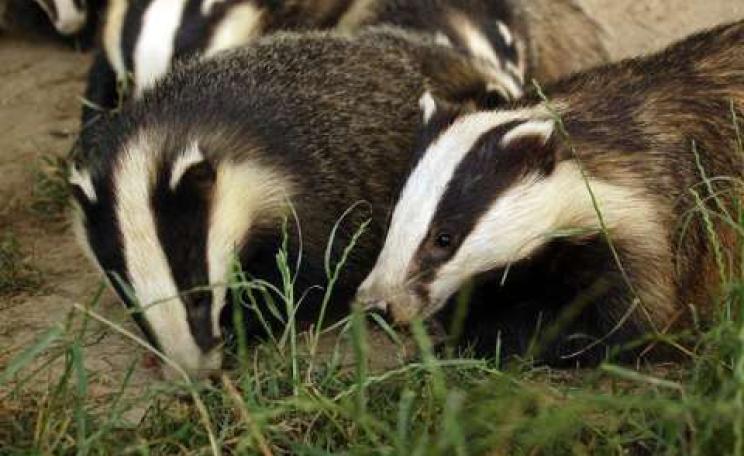
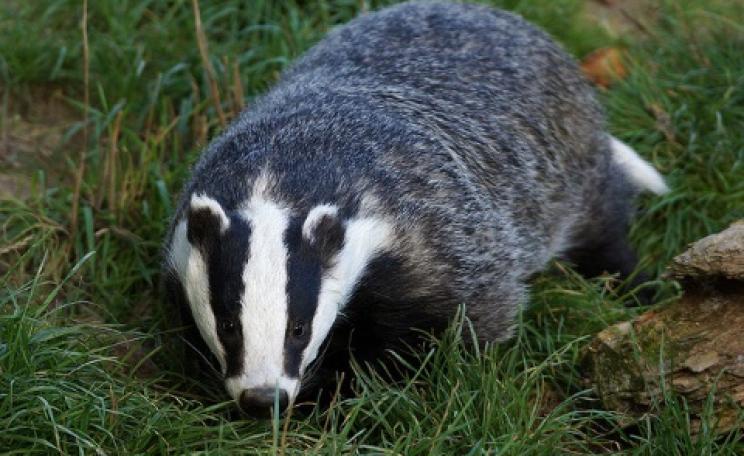
A High Court judgment on the lawfulness of the 2014 badger cull is awaited. A criminal investigation is under way on the dangerous and illegal behaviour of culling contractors. Obviously, writes Lesley Docksey, it's the perfect time for Natural England to authorise another round of culling.
First corporations gained legal personhood, writes Don Fitz. Next they seized the right to force 'free trade' on unwilling populations. Now they are making sure that 'corporate rights' trump citizen rights - like the right to wholesome food and a healthy environment. That's where the 'Right to Farm' constitutional amendments come in ...
Avon & Somerset police say that National Farmers Union and cull company representatives will be excluded from the control room in the 2014 cull. Their presence in control rooms in the 2013 cull caused a major loss of public confidence in the policing operation.
An array of solar panels on a Chiswick side street, facing a brewery wall, constitute a threat to the quality of life of future generations, according to the council and a planning inspector. Paula Owen begs to differ, and wonders - exactly what kind of mushroom have they been smoking?
New revelations show that the rifle-wielding badger cullers were often acting criminally, writes Lesley Docksey - pursuing badgers with loaded weapons on both private and public land outside licenced areas, with impunity, while the IEP was apparently kept in the dark. Strict controls are essential - or just an end to the cull.
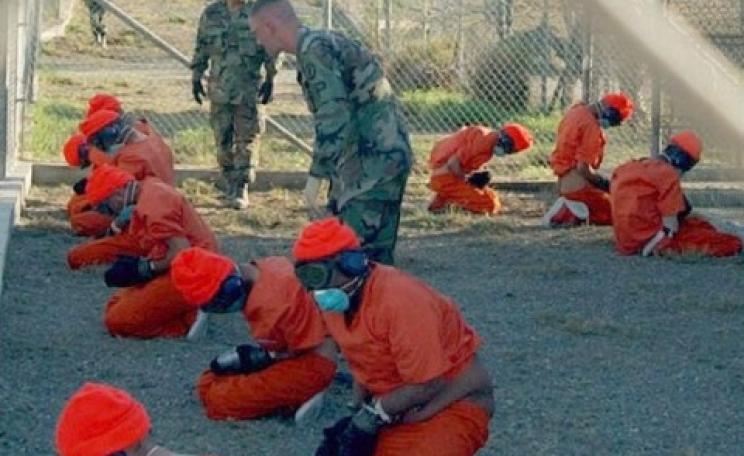
G4S, the UK government outsourcer that supports Israeli security functions in the West Bank, will now supply 'custodial services' to Guantánamo Bay Naval Base, writes Clare Sambrook. Shocked? You shouldn't be. G4S is impervious to public criticism and defies international law with impunity.
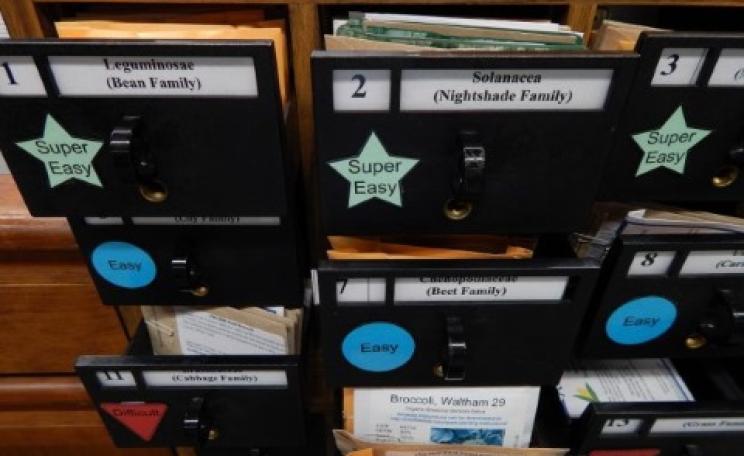
A Pennsylvania seed library stands accused of 'agri-terrorism' over alleged breaches of the Seed Act 2004, reports a bemused Kevin Carson. Have USDA and state agriculture departments become the enforcement branch of the agribusiness crime syndicate?
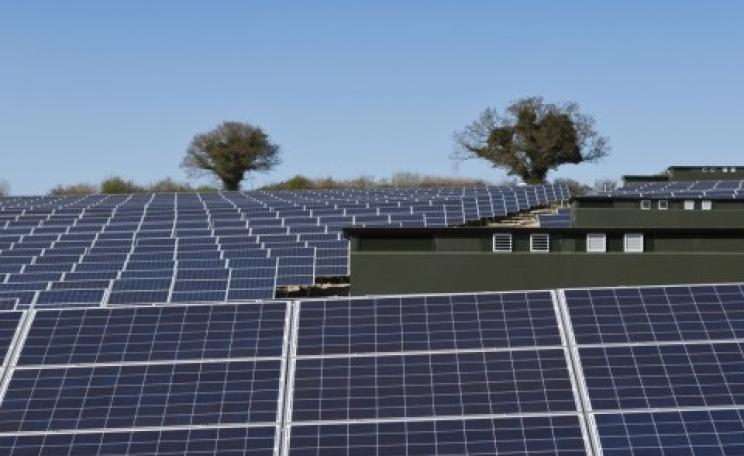
Four large solar firms are suing the British Government over its decision to end support for 'farm scale' solar generators of 5MW or more. The move reflects ministerial concern about the success of the UK's fast growing solar power sector.
Last week the Upper Tribunal of the Royal Courts of Justice ordered Defra to release key information about the badger cull based on a 'public interest' argument, writes Lesley Docksey. Could this judgment open a new era of transparent and accountable government?
Missouri voters have narrowly passed a 'right to farm' amendment to the state constitution. But small farmers already enjoy such rights, writes Ben Whitford. The beneficiaries will be industrial-scale corporate producers who now have a legal shield against regulation on GMOs, pollution, animal welfare and health standards - and, of course, the lawyers.
New regulations on animal slaughter are in force across Russia, writes Georgy Borodyansky, with devastating effects on small farmers and consumers, who face a three-fold hike in the price of meat. Will the 'health and safety' madness destroy Russia's main producers of wholesome food?