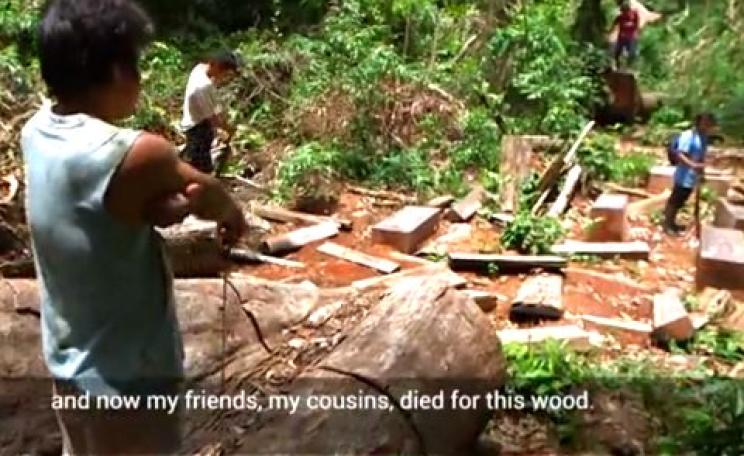
The COP20 host, Peru's President Humala, certainly talked the talk on indigenous rights last September when he signed a $300 million deal with Norway. But his violations of indigenous rights, 'hands off' approach to murders of indigenous leaders and recent unguarded comments betray his true sentiments.
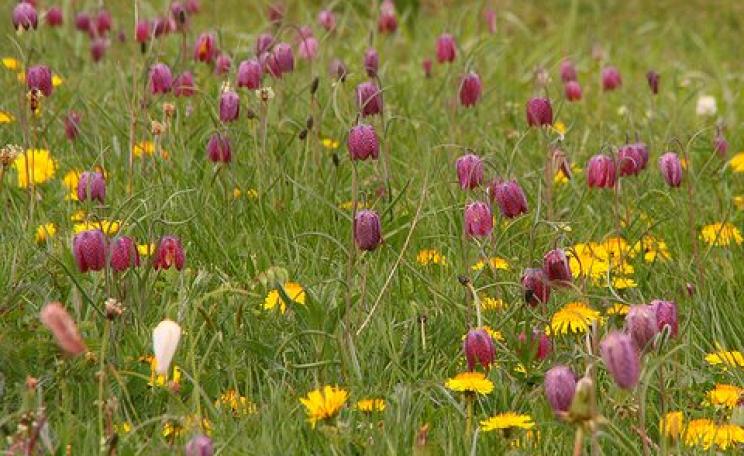
MPs will be lobbied today by wildlife supporters desperately concerned at the declining state of Britain's nature, writes Martin Harper. Despite clear warnings that both 'protected' sites and threatened species are faring badly, politicians find it all too easy to look the other way. Hence the need for a Nature and Wellbeing Act.
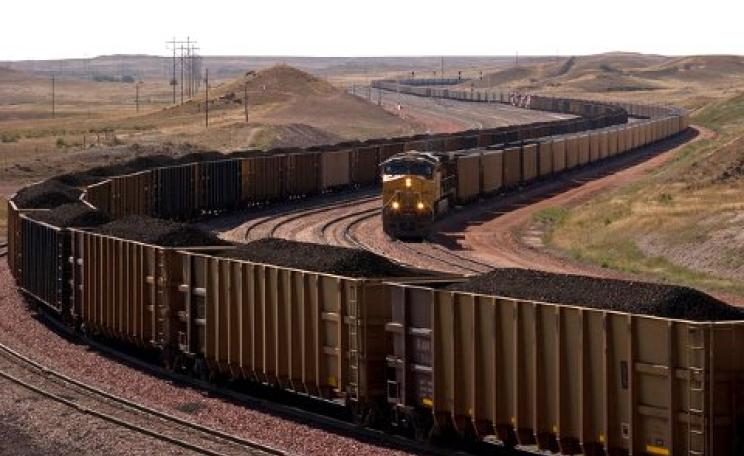
Coal leases on public lands operated by the US Bureau of Land Management are responsible for 40% of US coal production and 14% of total US CO2 emissions, writes Mike Gaworecki - yet their environmental impacts have not been reviewed in 35 years.
Financed by the World Bank, the Kenya Forest Service has intensified its illegal campaign of evictions, arson, beatings and arrests of the Sengwer forest people of the Embobut forest, Dean Puckett reports from the Cherangani Hills. And behind the violence lies the lure of hard cash - from the prospect of selling the forest's carbon to international financiers.
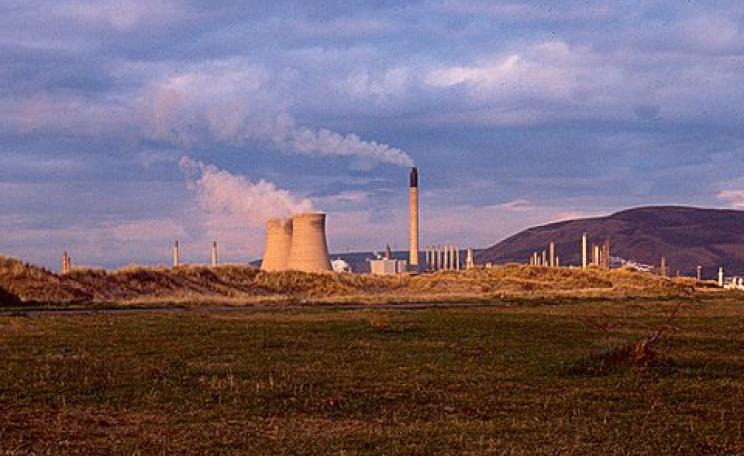
The UK Government plans to lock consumers into a 2.5bn a year, 15-year spend to support peak-time fossil power generation - while undermining energy demand savings capable of achieving the same purpose more cleanly and cheaply. But today the 'unlawful' system has been hit by an ECJ lawsuit.
After an apparent cave-in to Europe's pesticide industry, the European Food Safety Authority's latest guidance on pesticides conflicts with European law, writes Georgina Downs - by ignoring the real-life agrochemical exposure of rural residents. Commission President Juncker must step in and demand the withdrawal of this disgraceful document.
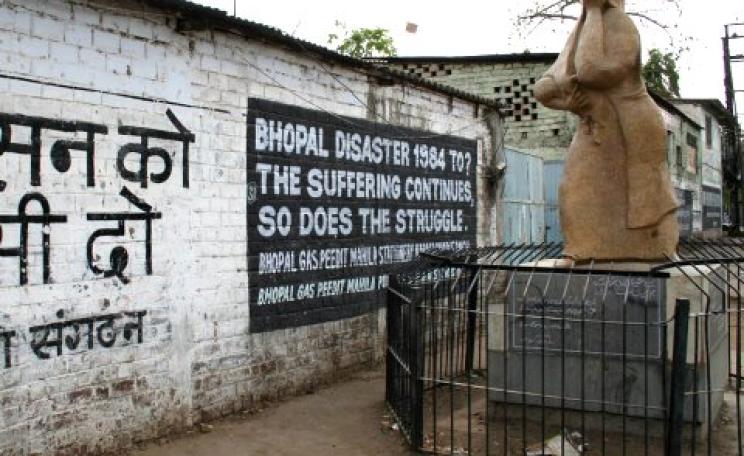
Thirty years ago today, Union Carbide's pesticide factory in Bhopal, India, released toxic gases that killed 3,787 people and injured over half a million, writes Vijay Prashad. The site is still contaminated, victims remain uncompensated, and the area suffers from a high rate of serious birth defects. Yet UC's CEO evaded justice, to die in a Florida nursing home this year at the age of 92.
From the creation of the very first national parks and game reserves, 'conservation' has always been about repressing and expropriating indigenous tribes, Survival International director Stephen Corry told Alice Bayer. And despite all the evidence that indigenous peoples are the best wildlife managers, old attitudes die hard ...
As the Arctic ice retreats, a fragile but resource-rich landscape replete with oil, minerals, fish and islands is opening up, writes Conn Hallinan. A new land-rush is on, and it could all lead to war. But it can be avoided provided states respect the rule of law and build on existing regimes of cooperation to protect the precious Arctic environment.
It's easy to forget that Julian Assange - reviled by mainstream media, hounded by Sweden's judiciary, 'red-listed' by Interpol, publicly attacked by the US defense secretary - remains an innocent man, 'wanted' for nothing more than questioning, writes John Pilger. His disgraceful treatment dishonours only his persecutors.
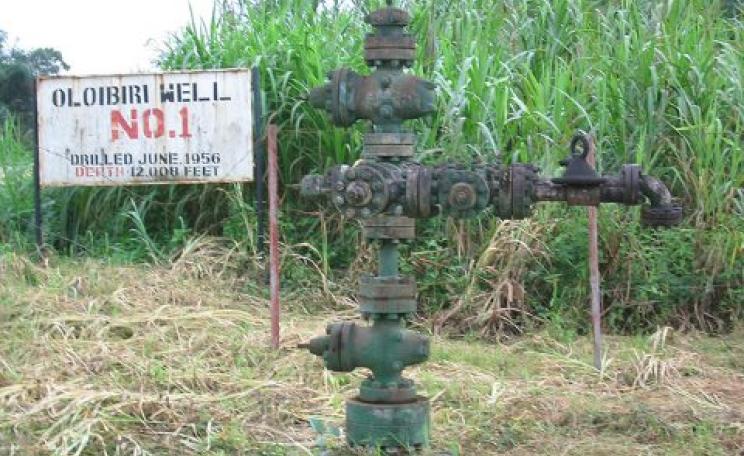
A London court has forced Shell to disclose documents about its pipelines and oils spills in Nigeria, writes Sarah Shoraka - and they reveal that the company has lied about the scale of oil spills in previous legal actions, and concealed the terminally poor condition of its pipelines.
A landmark judgment by the European Court of Justice compels the UK Government to act as soon as possible to reduce air pollution in British cities, writes Keith Taylor - and a good thing too for our health, safety and wellbeing. But it's not just the UK that benefits: every EU country must also comply with the ruling.
An attempt by the UK's Conservative Party and its allies to force countries to allow EU-approved GMO crops has been defeated by the European Parliament, writes Keith Taylor. Instead MEPs voted to strengthen the national GMO opt-out. But the UK still has a battle to fight against its avidly pro-GMO government.
Denton's 59-41 vote to ban fracking has got right up the nose of the state's fossil fuel elite, writes Julie Dermansky. The Texas city has already been hit with two lawsuits - but it's going to fight them all the way, with a $4 million legal fund ready and waiting.
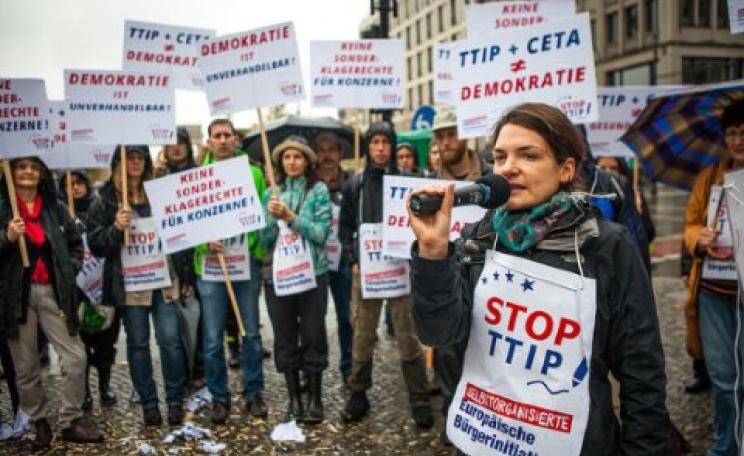
The Commission's refusal to 'register' a European Citizens Initiative demanding an end to negotiations over the TTIP trade deal is more than just an affront to the 'democratic values' that Europe is meant to represent, write Mary Fitzgerald & Michael Efler. It is also unlawful, and the legal challenge filed today at the ECJ is richly deserved.
A 300-strong coalition of civil society groups is taking the European Commission to the European Court of Justice, claiming that its refusal to register a official 'Citizens Initiative' opposing the EU-US TTIP trade deal was unlawful.
Far from creating a 'level playing field' for business, TTIP favours foreign corporations over domestic ones - while undermining governments' right to legislate for public health, safety and wellbeing. Australia got the message in 2011 after being sued for its anti-smoking policies - now Europe must catch up!
Legislation put forward by Brazil's re-elected President Dilma Rousseff would open up to 10% of protected areas to mining, writes Luke Parry. The effect would be to gut nature conservation in Brazil, already in a perilous state due to underfunding and growing pressure for the development of mines, dams, farms and plantations.
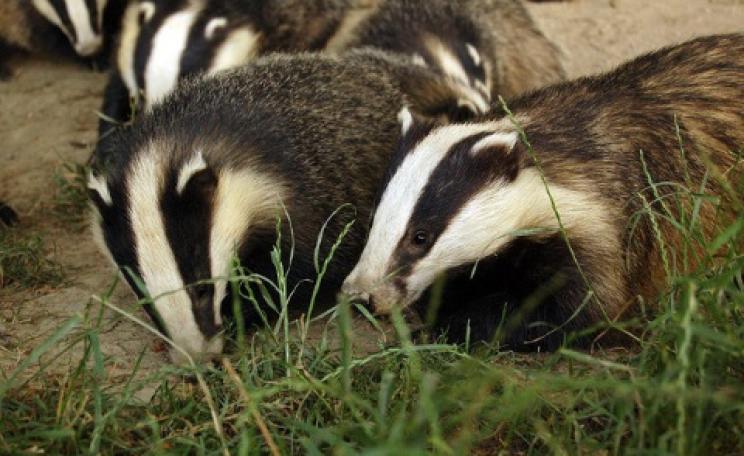
The Court of Appeal last month ruled that England's Badger cull is lawful despite the lack of independent supervision. But on the eve of a fresh Parliamentary debate, and with public opinion backing the badgers all the way, the Badger Trust is the clear winner where it really matters - in public hearts and minds.
This Tuesday voters in Oregon and Colorado will have the chance to strike a decisive blow for consumers' right to know by forcing the labeling of GMO ingredients. Big Food is spending big to mislead and confuse voters, writes Ronnie Cummins - but the outcome is looking too close to call.
Lafarge Tarmac has withdrawn its bid to quarry Hopwas Woods following a huge local and national campaign. It's a victory to celebrate - but as the Woodland Trust points out, it also shows that none of our ancient woodland is truly safe from destructive development.
Extreme energy in the UK is arousing extreme reactions, write Jess Elliot & Damien Short. On the one side stand citizens committed to preserving the quality of the local and global environment. And against them, a government determined to let fracking rip, and police forces prepared to ignore legal norms to suppress the growing popular resistance.
Just as the UK Government is stirring up public anger against human rights, writes Anna Grear, its fast-track development of shale gas and oil shows that we need these legal protections more than ever. A new report shows how the 'dash to frack' is endangering our most cherished rights - to health, water, security and life.
Peruvian law requires the government to recognise indigenous peoples's ownership of their lands. Yet 594 communities with claims to 20 million hectares of land remain with no secure title - leaving their forests open to illegal logging, plantations and settlement. Now one village is taking its demands to the courts.