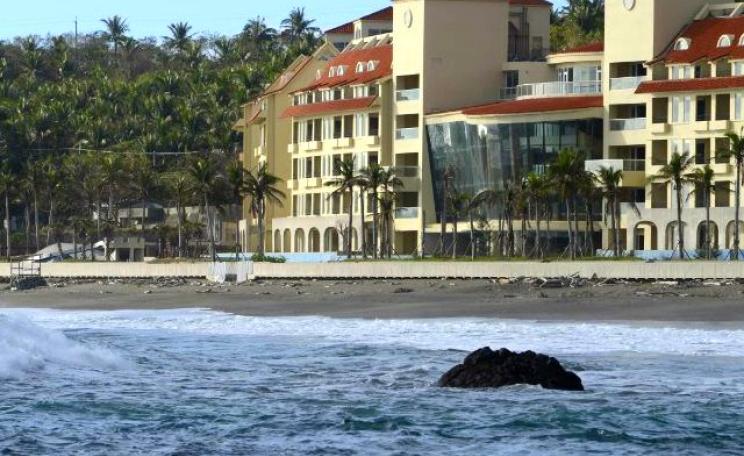
A huge hotel development has been built on a pristine beach belonging to the 'Amis, one of Taiwan's indigenous tribes, despite numerous court rulings confirming its illegality. Glenn Smith met 'Amis campaigner Sinsing, whose fight for justice began when the government handed out eviction notices to her community - and will continue until the hotel is razed and the beach restored.
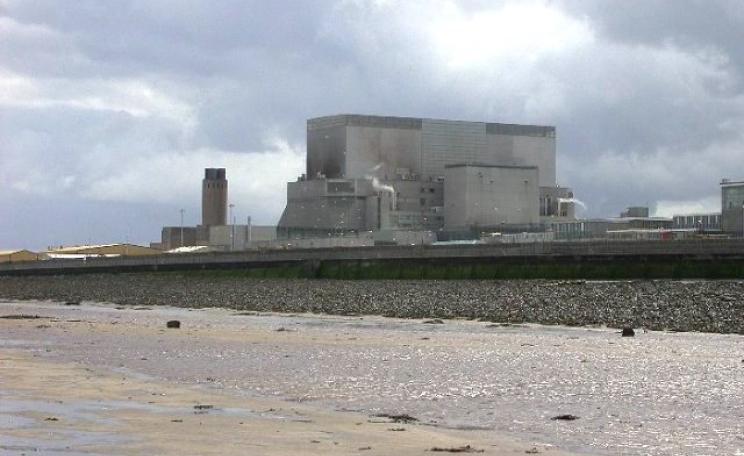
The UK government has warned Austria that it will 'embrace any future opportunity that arises to sue or damage Austria' if it pursues its legal challenge to the the Hinkley point C nuclear plant, according to a leaked document.
The rapid deterioration of the world's oceans and the life they contain calls for a breakthrough in their governance, writes Deborah Wright. The seas must be protected, respected and policed as the common heritage of all mankind, and of all generations present and future.
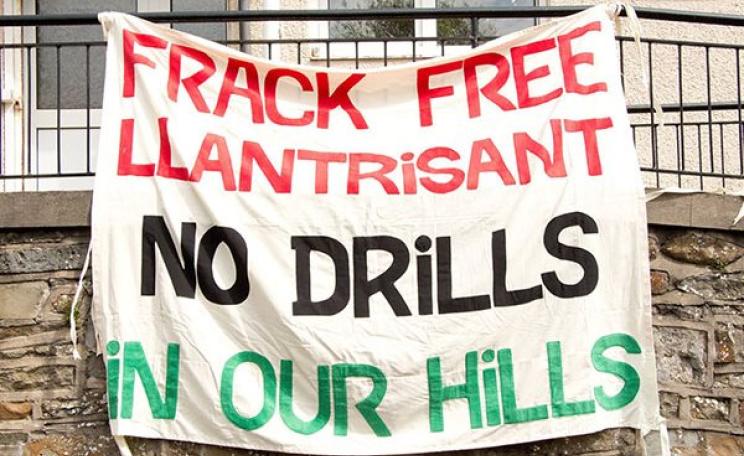
This week the Welsh Assembly voted for a moratorium on fracking. But IGas company bosses insist that the Welsh Government is powerless to stop them pushing ahead with test drilling plans - as all the key decisions are made in Whitehall.
Countries at the UN have agreed to start formal negotiations on a new 'legally binding instrument' to conserve the biological riches of the high seas that cover 45% of planet Earth, and ensure their sustainable use for the benefit of all mankind.
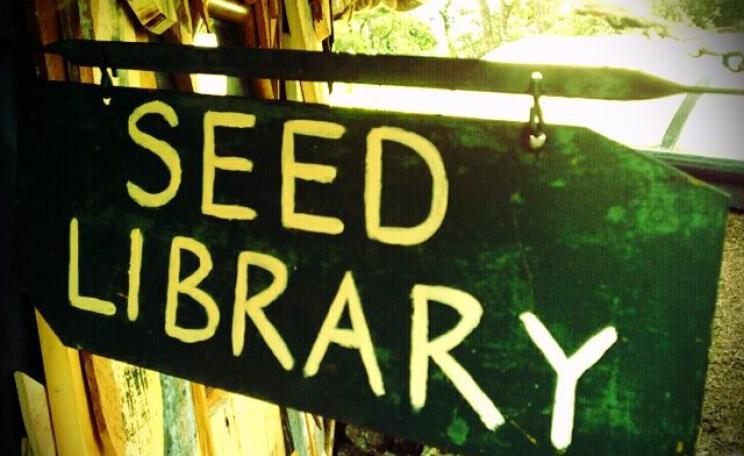
A year ago today, Europe-wide protests defeated an EU regulation that would have outlawed many seed saving activities, writes Ben Raskin. Now growers are taking matters into their own hands, saving and developing open-pollinated seeds - and campaigning for a seed regulation that supports them, not the monopolist seed corporations.
The lesson of fracking in the US and Canada is a simple one, writes Naomi Klein. The fracking industry is vicious, brutal and will stop at nothing to get its way. British anti-frackers can celebrate yesterday's achievements - but the fight ahead will not be an easy one.
Austria will launch its legal challenge against the UK's massive support package for the planned 3.2GW Hinkley Point C nuclear power station by April, writes Arthur Nelsen. The move will add years of delay to the controversial project, and may well finish it off altogether as fears over the troubled EPR reactor design grow, and renewables continue to fall in cost.
President Obama will shortly be on his way to India. In this Open Letter, Vandana Shiva invites him to join in securing the essential human freedoms to seeds and food - and to set aside any plans to pressure India into changing its laws to allow the corporate domination of life.
For 16 years the Thai government has ignored the plight of a community where toxic lead mine waste is causing severe chronic poisoning - defying both a 2013 court order, and its international obligations. It's just one of many toxic sites across Thailand that need to be cleaned up - but the government's main concern is to encourage further industrialisation.
Indigenous forest dwellers in India's iconic Kanha Tiger Reserve have suffered another round of illegal forced evictions at the hands of the country's Tiger Conservation Authority - a move that is threatening the future of the tigers themselves.
Indonesia appears to brought rainforest logging under control - but it's all a huge illusion, according to a new EIA report. Traditional logging has been replaced by the mass clearance of rainforest for oil palm plantations, creating massive supplies of hugely profitable but often illegal timber. And lurking beneath the surface is a pervasive network of criminality and corruption.
Following a disgraceful EU stitch-up, the European Parliament today passed a law permitting EU-wide GMO crop cultivation. With regulation and safeguards devolved to member states, and only limited 'opt-out' rights, it is a recipe for chaos that GM corporations will ruthlessly exploit.
A fusion of drone systems and chemical agents is set to transform the landscape of combat for states and non-state actors alike, writes Paul Rogers. These technologies won't just be used for warfare, but for 'public order' ... suppressing riots, protests and political dissent. Forget water cannon - this is the real deal.
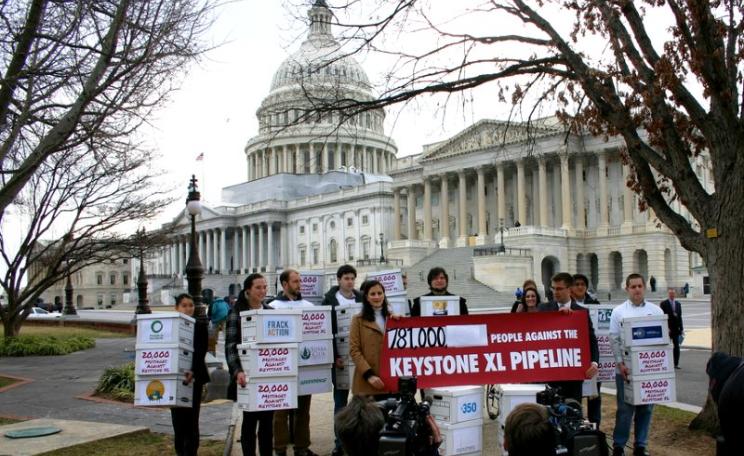
The US government is being sued for $15 billion for its cancellation of the Keystone XL tar sands pipeline last year in order to combat climate change. The legal challenge under NAFTA sends a warning to all countries contemplating similar 'free trade' agreements.
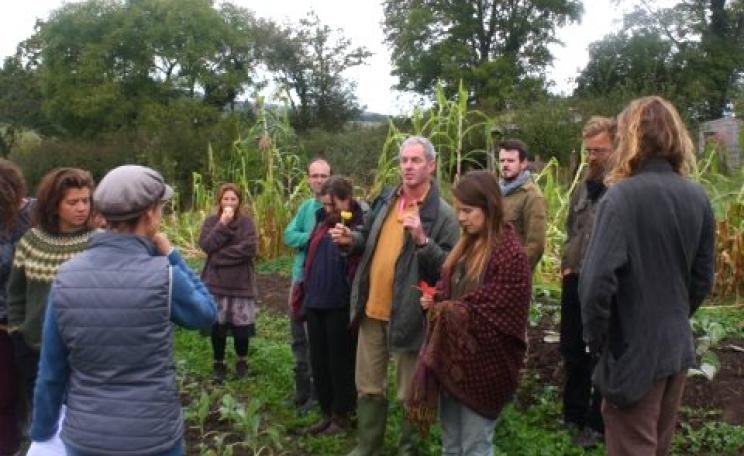
Farmers and growers in south-west England have united to reclaim the lost skill of seed saving, writes Ashley Wheeler. They are determined to grow, develop, share and disseminate open-pollinated seeds, and oppose EU laws granting commercial plant breeders a legal monopoly on the seeds that sustain our lives.
A grassroots movement of eco-activists is achieving unprecedented success in challenging fossil fuel developments in the Cascadia region of the US's Pacific northwest, writes Alexander Reid Ross. And that has attracted the wrong kind of attention - from local police, FBI and right-wing legislators determined to protect the corporate right to exploit and pollute.
With Monarch butterfly numbers down by 90% in 20 years - largely as a result of GMO crops in key feeding areas - the US Fish and Wildlife Service is reviewing the insect's status with a view to granting it legal protection under the Endangered Species Act.
More than 25 million Americans live within an 'oil train blast zone', writes Ralph Nader. But as volumes of tar sands and shale oil carried by train soar, the oil cars identified as a 'substantial danger to life, property, and the environment' in 1991 remain in use. We must ban those dangerous railcars - and put an end to all 'extreme oil'.
Despite a raft of legislation to protect our wildlife, 60% of our key species are in decline, writes Jenny Jones. That's why we need a new and positive approach, going beyond protection to rebuilding flourishing, sustainable wildlife populations. And people too will see the benefits - in our own as is our health and wellbeing.
The official investigation into the downing of MH17 is without precedent in the history of aviation, writes James O'Neill, as it gives one of the prime suspects, Ukraine, a veto power over publication of the report. Grieving families of the victims may never know know the truth, as geopolitics triumphs over justice.
Under the TTIP US-EU trade agreement, the world's largest chemical corporations would be able to attack US states' attempts to regulate for chemical safety, writes Patrick Gleeson. In both the US and the EU, corporate rights - asserted in secret courts - would trump democracy and attempts to raise health, safety and welfare standards.
Sarawak's lucrative logging industry has given rise to dynasties of enormous wealth and political power, writes Chris Lang, as revealed in this courageous investigation by Lukas Straumann. And the kingpin is multi-billionaire Abdul Taib Mahmud, Chief Minister of Sarawak for 33 years, whose whose property empire spans the globe.
The European Commission has dropped measures to improve air quality and reduce waste from its work plan for 2015 - instead 'cutting red tape' and prioritizing 'jobs, growth, investment' at all costs.