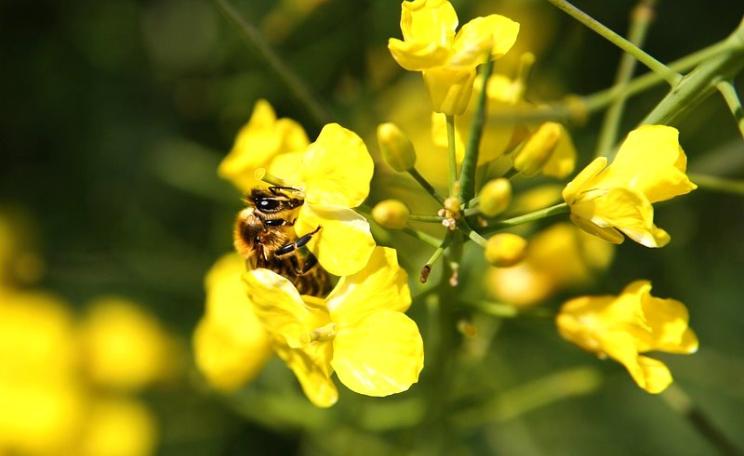
A damning expert critique of the National Farmers Union's application to use banned bee-toxic neonicotinoid pesticide seed treatment on a third of England's oilseed rape crop this autumn has forced the UK government to refuse the NFU's demand.
Europe's most important laws for wildlife, the EU's Nature Directives, are under threat in from a recently launched 'review', writes Martin Harper. The official purpose is to make the laws more effective, but in reality it's all part of the Commission's agenda to strip away regulations that impede business in its pursuit of profit.
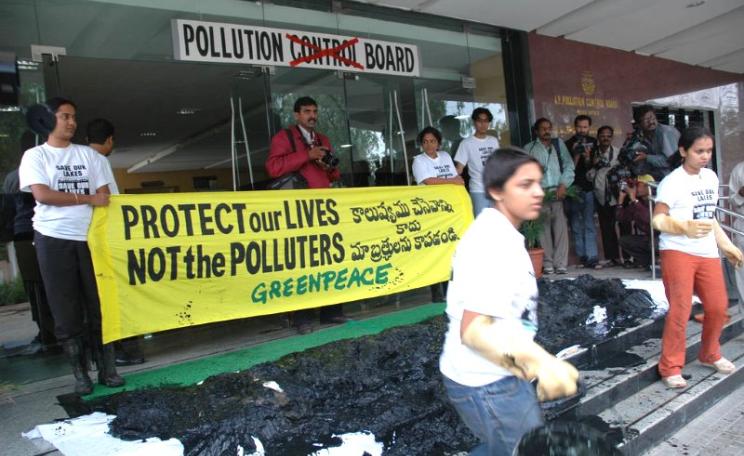
Greenpeace India has barely three weeks left to fight for its survival following a broad government crackdown on civil society. The green NGO has been left with funds for staff salaries and office costs that will last no later than 1st June.
The Port of Seattle is violating its shoreline permit in allowing Shell to set up a 'home port' for its Arctic oil drilling fleet, according to Seattle officials. The finding could nix Shell's oil drilling plans for the 2015 season.
Moves to control powerful HFC greenhouse gases used in refrigeration could culminate in a landmark deal this November, writes David Doniger - the perfect prelude to the main Paris climate talks.
Rainforests around the world and the wildlife they sustain have a rosier future after the European Parliament voted to limit the growth of biofuels such as palm oil in the transport sector.
The European Commission has proposed new rules on foods derived from GMOs that would allow EU countries to opt out from the Europe-wide approval system - a move that has attracted strong criticism from all parties in the GMO debate.
Prime Minister Modi's government has frozen the bank accounts of Greenpeace India, writes Praful Bidwai - provoking widespread protest from the environment and civil rights community. It's all part of a wider campaign against 'anti-national' movements that challenge India's development policies based on the aggressive exploitation of coal, minerals, big hydro and nuclear power.
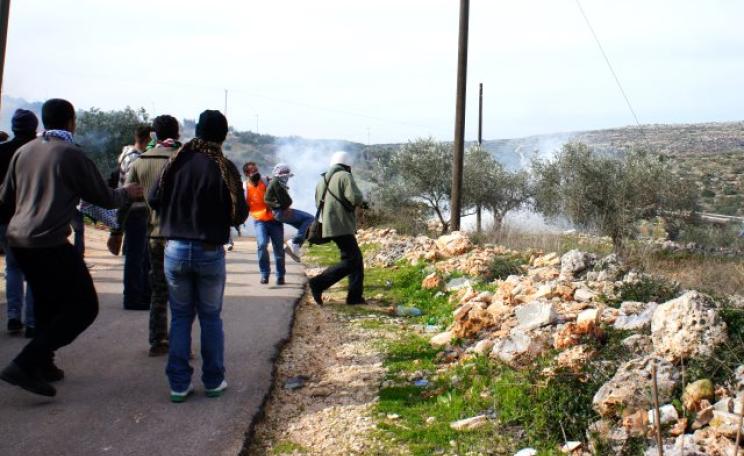
Not satisfied with seizing Palestinian land and water, Israeli settlers in the West Bank have found a new way to enrich themselves at their neighbors' expense - by stealing their fertile soil and transporting it to their own farms and gardens.
Now it's Argentina's turn to be sued in a secret 'free trade' court run by the World Bank, writes Nick Dearden. After bringing a profiteering water company that was missing all its service and quality targets back into public ownership, the country has been ordered to pay $405 million 'compensation'.
Police in India's Uttar Pradesh state yesterday opened fire on a 'sit in' by tribal protestors at the construction site of the Kanhar dam, now under construction in open contempt of court orders. Tribal leader Akku Kharwar and eight others were seriously injured by the gun fire.
Japan's latest plans for 'scientific whaling' in the Southern Ocean have fallen at the first hurdle, writes Tony Press. The IWC's expert panel says Japan's proposal contains 'insufficient information' on which to judge its validity, in particular the need for the 'lethal sampling' of over 3,996 Minke whales that is central to the research plan.
Is it 'morally reprehensible' to arbitrarily decapitate roadside flowers? Yes it is, writes Martin Spray - at least in Switzerland. And now we know that plants have both senses and physiology, why not awareness and emotions too? Even legal standing to have their rights defended in court - at least if they are trees?
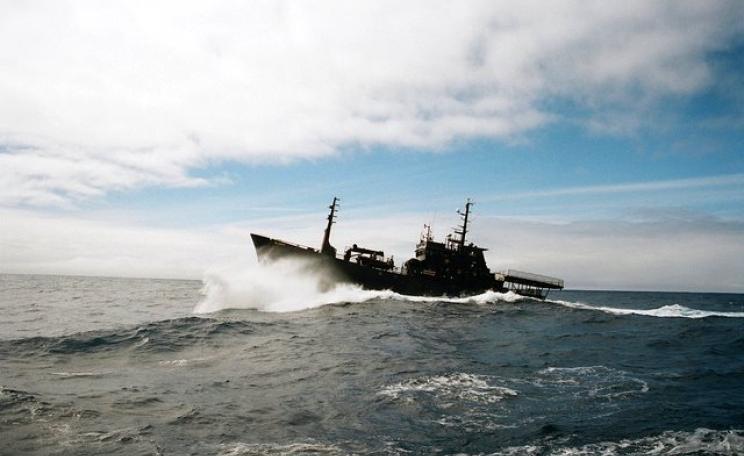
The first year of Sea Shepherd's campaign to close down illegal fishing operations in the Southern Ocean, dubbed 'Operation Icefish' has already led to the detention of two 'bandit' fishing vessels while a third is under pursuit.
On Monday the World Bank's Conference on Land and Poverty begins in the US. But farmer organizations, indigenous groups, trade unions and others denounce the whole exercise as a sham that, in tandem with other Bank initiatives, is all about accelerating corporate land grabs and robbing the poor that the Bank was founded to assist.
Chemical giant Bayer has failed in its attempt to sue Friends of the Earth Germany over its claims that its pesticide Thiacloprid harms bees. Now pressure is growing on the EU to add the neonicotinoid to the three already banned.
The Labour Party has launched a new manifesto for wildlife protection, writes Angus Nurse - and a good thing too! But turning the tide for nature will take more than stricter laws and penalties. Ultimately it's about enforcement. And that means prioritising wildlife crime, committing expert officers, and providing resources.
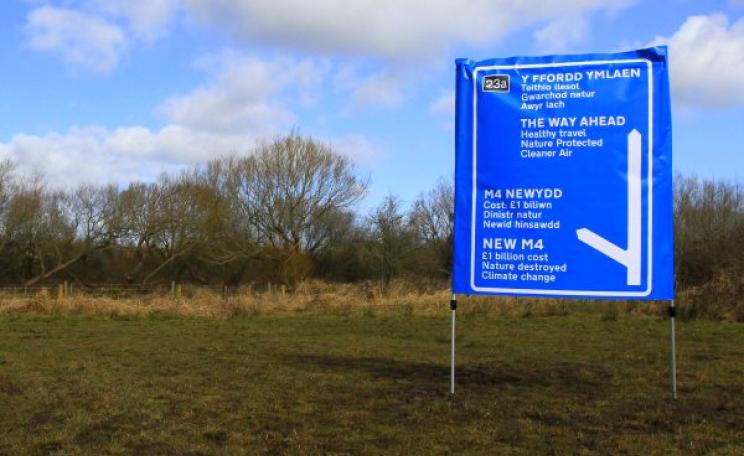
A Friends of the Earth Cymru legal challenge to the Welsh Government's 'irrational' plan to drive a new branch of the M4 motorway across the highly protected Gwent Levels wetlands begins in the High Court today.
The UK's troubled Hinkley C nuclear power station faces a legal challenge from Germany's biggest energy co-op, which claims that the subsidy package will distort energy markets across Europe and disadvantage renewable generators and vendors.
Canada's 'Anti-Terrorism Bill' proposes a massive increase in the power of security services, writes Pete Dolack - and in the crosshairs are campaigners against a tar sands industry that's intent on releasing 240 billion tonnes of CO2 into the atmosphere, and those fighting the pipelines needed to get the heavy crude to market. Who are the real 'extremists'?
Whale and dolphin experts from across the world today launched a new campaign at the European Parliament to ban dolphin captivity in Europe, putting an end to a long saga of abuse and exploitation.
The rushed passage of the Infrastructure Bill with all its pro-fracking provisions and toothless 'safeguards' is an abuse of democracy. And as it's manifestly against the national and public interest, it's also in breach of both MPs' and Lords' legally binding Codes of Conduct. Now Jojo Mehta intends to hold them to account - in Court.
Montana legislators have brushed off the attempts of farmers, ranchers and landowners to effect 'zoning' regulations to protect them, their land, their water and their livestock from the toxic impacts of fracking. Now they say: 'See you in Court!'.
The oil and gas industry has admitted that its canals and drilling rigs have destroyed 1,900 square miles of coastal wetlands on the US Gulf Coast, but a Federal Judge with deep industry ties has ruled that 97 companies off have no liability for the $50 billion damage.