Austria today filed its legal challenge to the UK's €108 billion support package for the Hinkley Point C nuclear plant, writes Oliver Tickell. A second such challenge at the European Court is due from green energy suppliers in Germany and Austria who fear unfair competition from subsidised nuclear power in Poland, Czech and Hungary if the Hinkley C precedent stands.
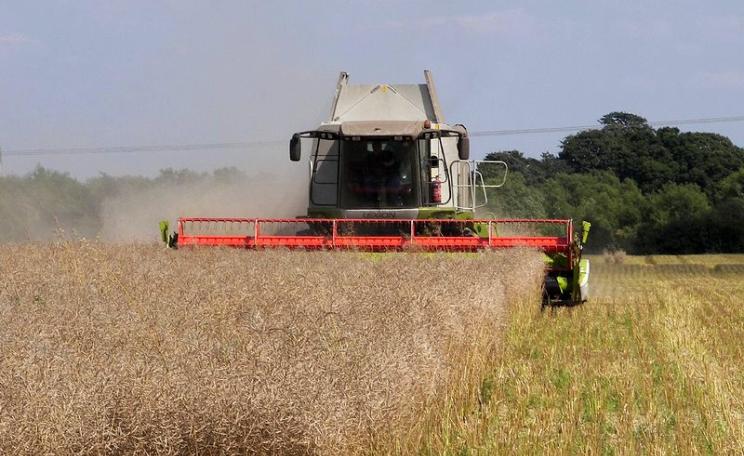
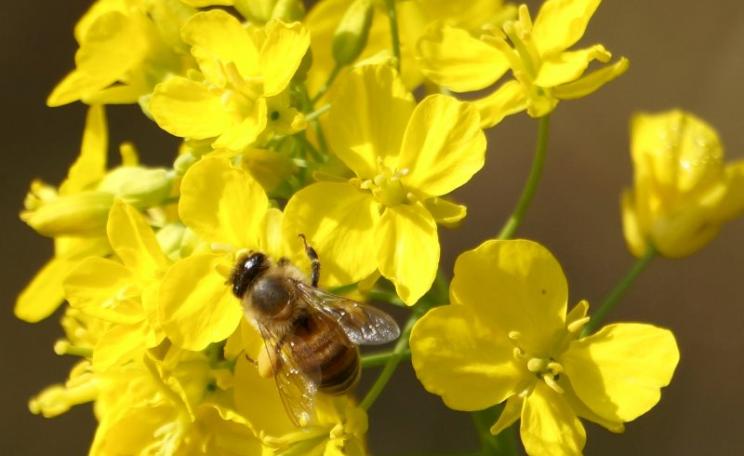
Early yield figures indicate a bumper harvest for oilseed rape in England in the first neonic-free growing season - making a nonsense of the 'emergency' lifting of the ban of the bee-killing pesticides.
This month the UN is meeting to enact binding global rules on the conduct of business and transnational corporations, writes Sam Cossar-Gilbert, reversing the trend for increasing business empowerment in TTP, TTIP and TISA. The new UN Human Rights Treaty aims to provide justice for the victims of corporate criminality anywhere in the world.
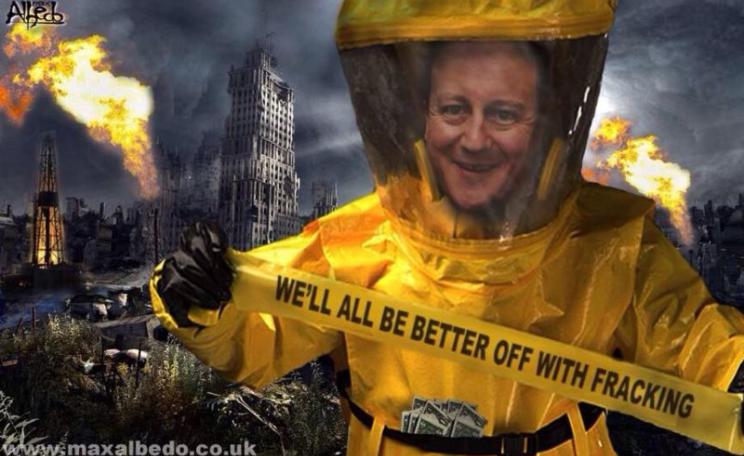
Independent legal advice shows that Lancashire councillors can refuse Cuadrilla's application for planning permission to frack at the Preston New Road site in Lancashire - contrary to advice from the Council's officers.
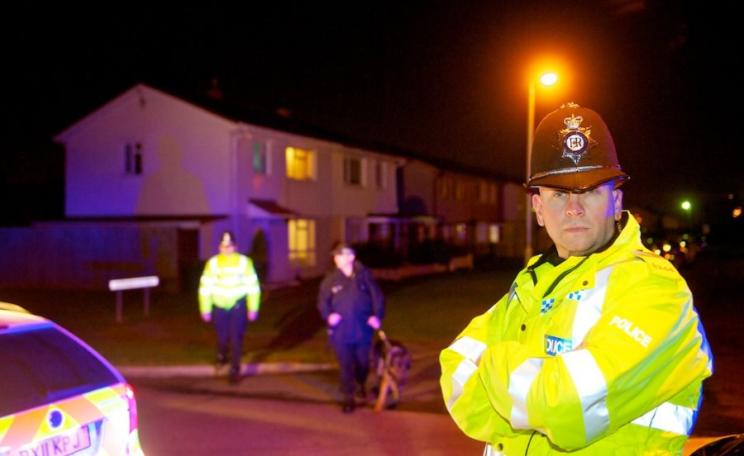
UK police now have free rein to create 'dispersal zones' in public places, writes Josie Appleton. This allows them to exclude people for anything from street drinking to looking suspicious, being homeless, protesting, or merely 'congregating'. This represents a serious breach of our Common Law and Magna Carta rights.
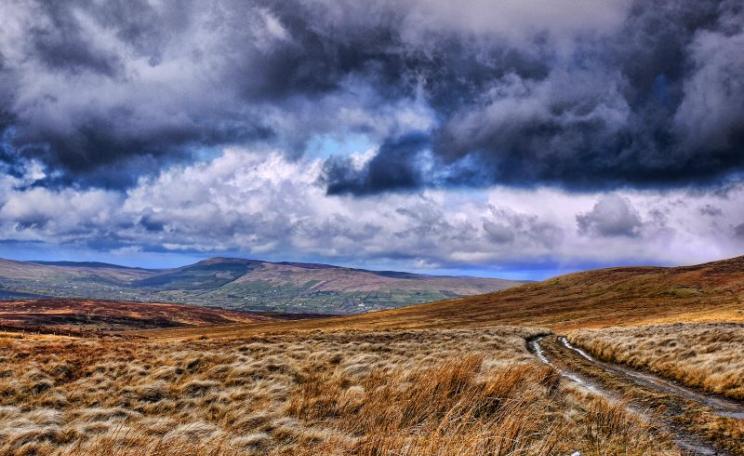
Northern Ireland shows just how much we need the EU's laws protecting nature, writes Andy Atkins - and for the Government to enforce them. The province's wonderful natural heritage is at risk from aggressive and often unlawful developments. And the EU nature laws are essential for us to fight off a host of threats - among them sand dredging, gold mining, road-building and over-fishing.
In a landmark ruling, judges have ordered the Netherlands to do more to tackle the 'imminent danger' of climate change. Meanwhile an expert commission reports of an impending global health breakdown from unmitigated global warming.
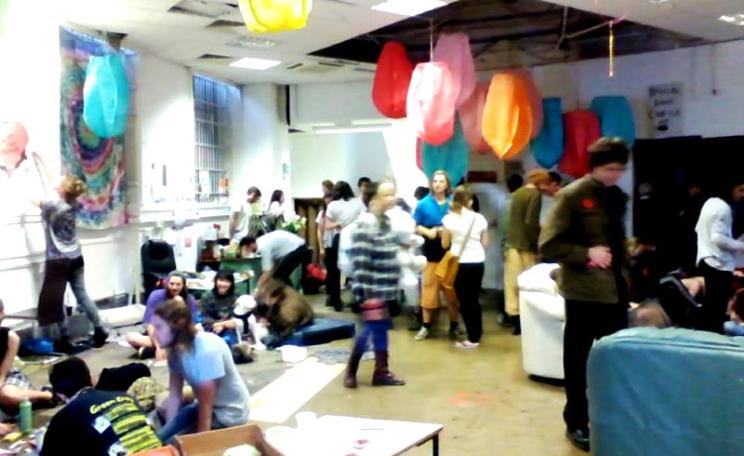
Long a feature of British urban life, domestic squatting has now been criminalised, writes Almudena Serpis. But suddenly two social centres have come to life in a squatted bank in Brighton, and a long abandoned pub in London, reviving the rebellious spirit of the squatting movement, and promulgating a radical anti-austerity message that evokes the struggles in Greece, Spain and beyond.
As Michael Gove gives his first speech as Justice Secretary, promising to update our 'creaking and outdated' courts, Paul Mobbs writes that 'reforms' to date have only deepened the injustice that afflicts poor defendants: penalising the innocent, burdening those who plead 'not guilty' with heavy charges regardless of ability to pay, cutting legal aid, and halving the number of duty solicitors.
The discovery of a secret 'fox farm' apparently linked to the Middleton Hunt exposes the lie that is used to justify fox hunting, writes, Dr Toni Shephard: that it's a legitimate means of wildlife control. On the contrary, foxes are deliberately fattened up for the kill, also indicating possible violations of the 2004 Hunting Act, which prohibits the hunting of wild animals, including foxes, with dogs.
A successful, low-cost scheme in New South Wales to safeguard indigenous Australians in police custody is to lose federal funding, writes Eugene Schofield-Georgeson, even though it is demonstrably saving lives. Rather than cut funding, the government should be financing similar schemes across the country.
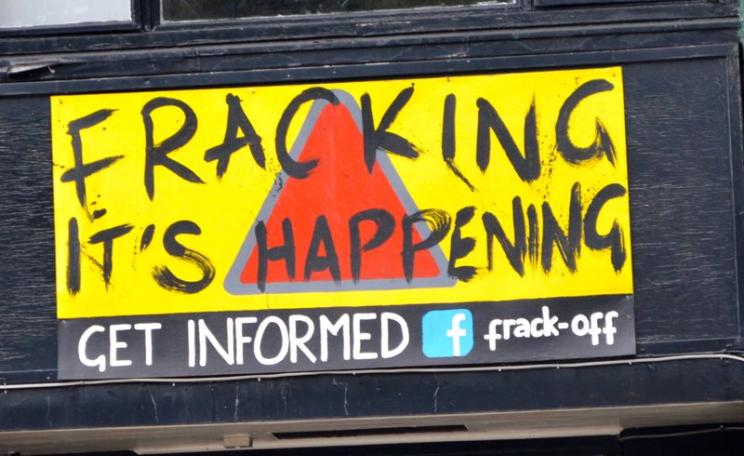
The Government is struggling to spin its policy to fast track fracking, writes Paul Mobbs. So as it cuts the public out of the regulatory process, exempts exploratory wells from controls, and forces the Environment Agency to issue permits with 1-2 weeks, its spin machine has resorted to outright lies and misinformation to conceal the scale of the attack on our environmental rights.
As the great and good of Britain including its most august royal personages converge on Runnymede to celebrate the 800th anniversary of Magna Carta, police are violating the very freedoms the Charter guarantees, writes Donnachadh McCarthy, after declaring an alternative Festival of Democracy to be an 'illegal rave'.
Oxford Council's Executive Board meets today to decide whether to criminalise 'noncompliant' busking, pavement art, cycling and other activities in the City's vibrant public spaces, punishable with a £1,000 fine. Jonny Walker wrote them this Open Letter.
A new Trade Secrets law to be voted on next week by the European Parliament threatens a massive clampdown on journalists and whistle-blowers, write Anne Friel & Anaïs Berthier, giving corporations the right to sue those who disclose private information even in the public interest to protect health, safety and environment.
In 2013 the EU imposed a moratorium on three of the most toxic of the neonicotinoid pesticides in an attempt to save wild bee populations. Now farmers have applied to lift the ban, writes Nat Whalley. Time to call on environment secretary Liz Truss, who today receives a 300,000-signature 'save the bees' petition, to say 'No!'
Lured by promises of aid and investment, African governments are rewriting laws to create lucrative opportunities for corporate agribusiness, writes Chris Walker - while consigning their own farmers to servitude and landlessness. But now farmers are rising up, as in Ghana where a new 'Monsanto law' threatens to end their right to grow, save and share their ancestral seeds.
Industrial logging in the world's second largest rainforest is out of control, writes Raoul Monsembula, and spells disaster for both wildlife and forest people. There is an alternative: community forestry has just been enshrined in law. But resources must be committed to law enforcement in Congo and abroad, and to empowering forest communities.
Africa's poor environmental record has its roots in colonialism, which cut artificial boundaries through peoples and ecosystems, and left a rigid 'fortress conservation' ethic, writes Willem Daniel Lubbe. It's time for countries to adopt a new pan-African environmentalism, and transcend their colonial past.
Government plans to enact a 'domestic extremism' law, announced in yesterday's Queen's Speech, threaten to make thought criminals of all who challenge the established order, writes Donnachadh McCarthy. At risk are campaigners, protestors, journalists and all who dissent from Britain's neoliberal corporatocracy.
In principle the EU's new rules on GMOs allow member states to opt out of GMO crops and foods, writes Mary Dobbs. But they can only do so on very limited grounds, and in a consistent and non-discriminatory way. Being GM-free may be a lot harder than some countries, and campaigners, suppose.
Greenpeace India is to fight on for another month after a surge of support from allies, new donors and staff, who have pledged to work through June for no pay after the Indian government blocked its bank accounts.
First the Pepsi-Cola bottling company in south India caused outrage by depleting groundwater. Next it was found to be operating without valid permits.Then as protests grew the company won a High Court order giving it police protection. Now locals are vowing to keep the plant shut for good.
The military targeting of civilian infrastructure, especially of water supplies, is a war crime under the Geneva Conventions, writes Nafeez Ahmed. Yet this is precisely what NATO did in Libya, while blaming the damage on Gaddafi himself. Since then, the country's water infrastructure - and the suffering of its people - has only deteriorated further.