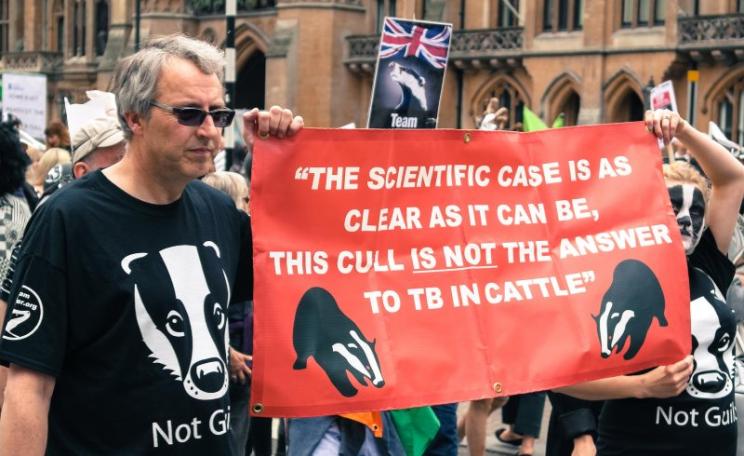
The government's decision of extend the badger cull to Dorset, and persist with the Somerset and Gloucestershire culls, is 'completely irrational', say badger protection groups - and now they intend to prove it in a High Court legal action, forcing an end to the killing.
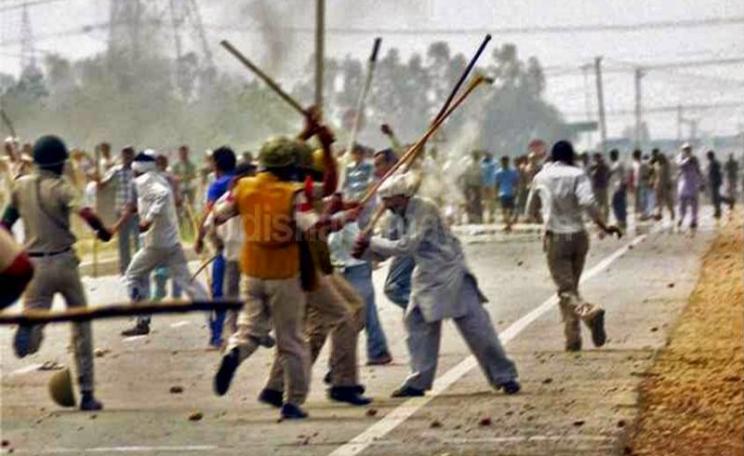
President Modi is determined to sweep away 'obstacles to growth' including the laws that allow marginalised communities to challenge the confiscation of their lands and forests for dams, mines and other 'development' projects, writes Arpitha Kodiveri. If proposed 'reforms' are enacted, the only remaining avenue of dissent may be one of armed conflict.
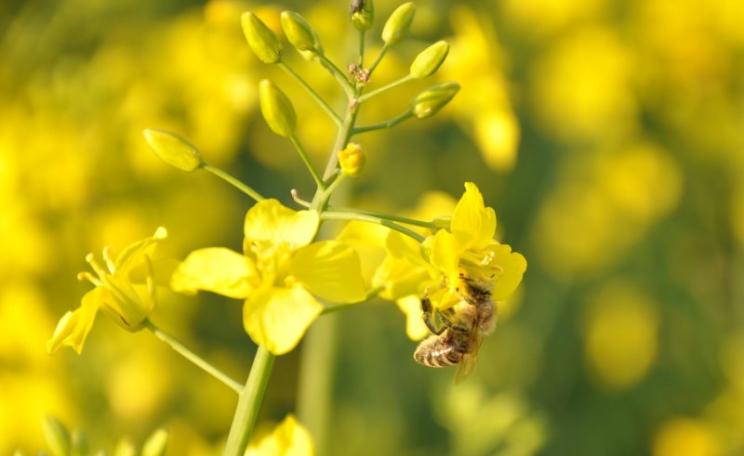
A month after warning the government of legal action over its decision to allow farmers to use bee-killing pesticides banned under EU law, Friends of the Earth has filed a High Court legal challenge to have the 'derogations' declared unlawful.
As World Water Week kicks off in Stockholm today with a theme of 'Water for Development', the drought being deliberately inflicted on Palestinians is firmly off the agenda, writes Laith Shakir. While Israelis water their lawns, irrigate crops and swim in Olympic-sized pools, Palestinian communities a few kilometers away are literally dying of thirst.
A growing protest movement is demanding strong controls on international investors and logging companies buying up Romania's forests, writes Raluca Besliu. In its sights is Austria-based Schweighofer, which stands accused of criminal malpractice and accepting illegal timber shipments. The popular outrage stirred up by corporate misdeeds is now stimulating a wider democratic revival.
Canadian mining company Gabriel Resources is seeking over $2.5 billion damages from Romania after it rejected a vast gold mine at Rosia Montana, writes Oliver Tickell. Incredibly, it is taking legal action under a UK-Romania trade agreement.
Democracy campaigner Donnachadh McCarthy is in court tomorrow tomorrow on a fictitious charge of 'assault against a security guard in Parliament Square'. But his real offence was to expose the corruption at the heart of the Lib-Dems, with the sale of peerages by political parties for around £300,000. And now the CPS is trying to deny him a fair trial.
Julian Assange's struggle for freedom is one of law and justice against vengeful state power determined at all costs to darken the light of truth that Wikileaks has cast into the murkiest of places, writes John Pilger. Now, after a long series of moral and legal victories, his release may finally be drawing near.
Friends of the Earth has taken the first legal steps towards striking out last week's emergency approval of bee-harming 'neonic' pesticides in England, granted last week despite a Europe-wide ban.
In the battle to save America's real wild west of unlogged forests, grizzly bears, mountain goats, Bull trout, free flowing streams and roadless wilderness, a single person stands out, writes Jeffrey St Clair, for her dedication, courage and remarkable success: Arlene Montgomery of Friends of the Wild Swan, Montana.
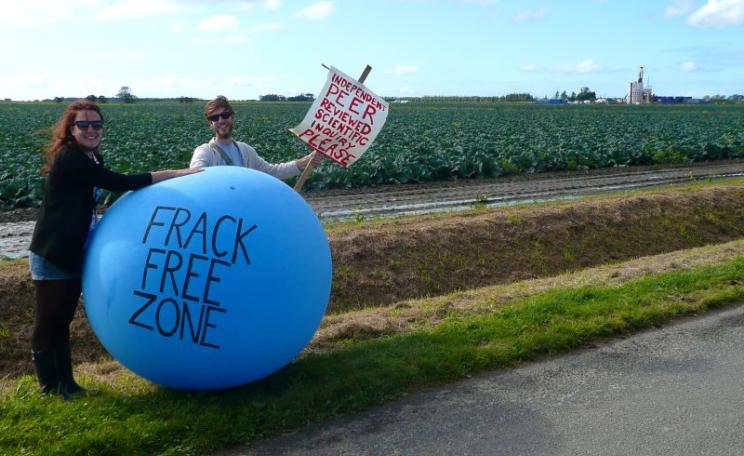
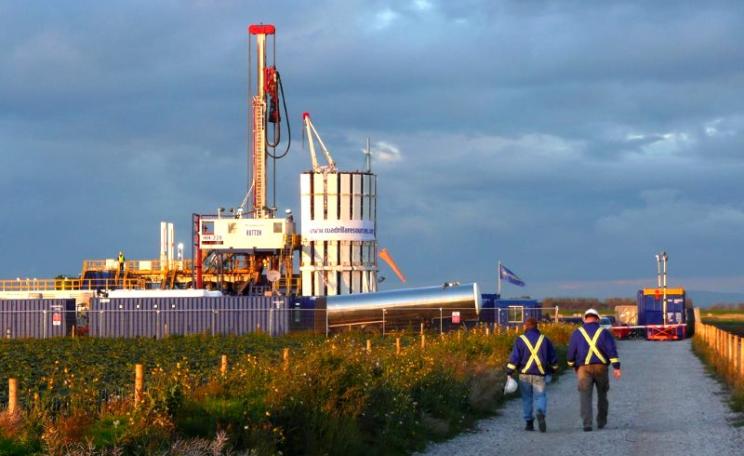
The damage caused by fracking to people, communities and the wider environment will be put under the legal spotlight in public hearings in the US and the UK, write Damien Short & Tom Kerns. While the 'ruling' that emerges will be non-binding, it will provide an authoritative, expert dossier of fact and argument for real legal actions to follow.
A new study led by RSPB shows that more than half of Britain's most precious upland moors are suffering from burning - widely used to increase the numbers of red grouse available for recreational shooting.
The anti-fracking movement scored a great victory when Lancashire councillors refused planning permission for two fracking wells, writes Damien Short. But dig deeper and the triumph was all the greater, as it overcame not just Cuadrilla, but a morass of pro-fracking bias and legal and scientific misrepresentation from those meant to be providing impartial advice.
Last week David Cameron backed down over his plans to bring back fox hunting by 'fatally amending' the Hunting Act, writes Dominic Dyer. The way he spun it, it was all about SNP interference in English law, but the real problem was opposition within the Conservative Party, which increasingly sees blood sports as a barbaric relic that alienates voters of all persuasions.
Breaking a clear pre-election promise, the government will allow fracking to take place in the UK's most precious wildlife sites and in vital groundwater source areas, writes Adam Vaughan.
After 20 years of oil spills, deforestation, waste dumping and ill health, farmers and indigenous people in the the Ecuadorian Amazon have been fighting the Chevron-Texaco corporation. But despite its three times conviction and a $9.5 billion damages award to the victims, the oil giant looks no closer to making good its damage.
The 1865 Treaty of Point Elliot is clear, writes Jan Hasselman: the Lummi Nation has the right to fish, hunt and gather in their accustomed places in perpetuity - and they can't do that if a gigantic coal terminal is built in the Salish Sea's most productive waters. First Nations' treaty rights are now central to protecting the Pacific Northwest from destruction by fossil fuels.
Last December Brazil's indigenous Peoples defeated the PEC 215 constitutional amendment that was meant to open up their territories for agribusiness, mining, power generation and industry, writes Chris Lang. But now, thanks to 'Chainsaw Queen' Kátia Abreu, minster of agriculture, it's back on the agenda ... and resistance is growing once again.
The GMB trade union has called on the UK government to press ahead with the Hinkley Point C power station despite legal challenges and serious technical failures. In this Open Letter, David Elliott, Ian Fairlie, Jonathon Porritt and colleagues tell the union that its members' interests lie in our renewable future, not the nuclear past.
A second legal challenge to the UK's proposed Hinkley C nuclear power plant in Somerset was launched this morning by ten renewable and municipal power suppliers in Germany and Austria, citing grave distortions to European energy markets.
The Council of Monte Maiz, a small town in Argentina surrounded by intensive GMO soya farms, has enacted a law that forbids the spraying and storage of pesticides and other agrochemicals after severe health impacts were detected.
Under the guise of a land-titling project, Peru is breaking up and privatising indigenous common lands across the Andean highlands, writes Arthur Scarritt. While the law provides for communal titling and democratic votes, in practice there's no provision for communities to exercise these rights, and the many are being dispossessed in favour of large, 'efficient' market-oriented producers.
The EU's nature directives provide effective protection for endangered species and habitats, writes Leonardo Mazza. So why the Commission's decision to 'review' and 'modernise' the laws? With its commitment to business-friendly deregulation and uninterest in the environment, the aim is surely to gut them - something only EU-wide citizens' mobilisation can prevent.
Next Tuesday MPs will be voting on an 'amendment' to the Hunting Act that outlaws fox hunting and other cruel sports, writes Robbie Marsland. But its effect would be to make the law a dead letter - so full of holes as to permit the return of full-blown hunting with dogs. MPs must vote down this 'repeal by stealth'.