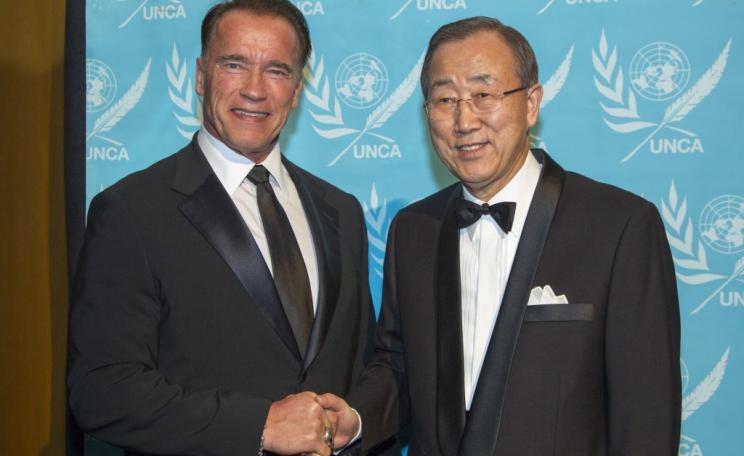
It's billed as 'the biggest story of our time', writes Kieran Cooke. This weekend viewers of Showtime, the US cable channel, will be watching the first of an 8-part documentary series on climate change: some of the biggest names in Hollywood are involved.
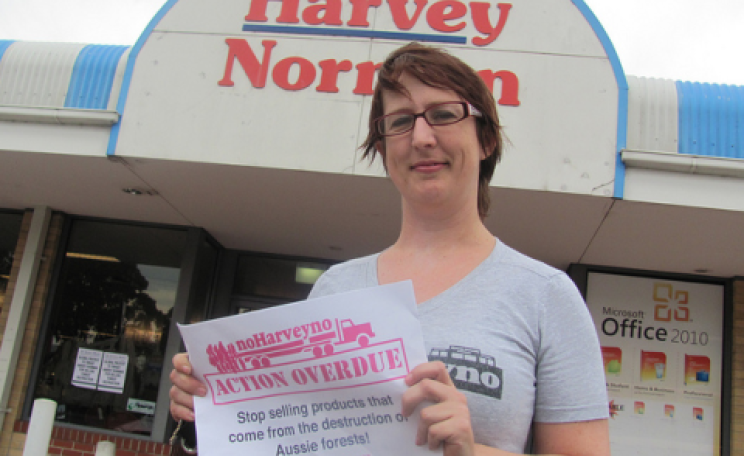
In a radical departure from it's 'pro free speech' rhetoric, Australia's 'Liberal' government wants to ban environmental boycotts. But as Bill Laurance writes, eco-boycotts are not only an effective tool for reining in corporate excesses - they are also a key democratic right.
BBC coverage of last week's IPCC' report was 'almost deliberately confusing', writes Catherine Happer - undermining the public's will to act to forestall climate catastrophe by airing endless sceptical voices, while claiming 'impartiality.
Lawrence Torcello argued that those who fund climate change denial in order to undermine the public's understanding of science should be held 'criminally and morally negligent'. He was unprepared for the ensuing torrent of misrepresentation and hatred.
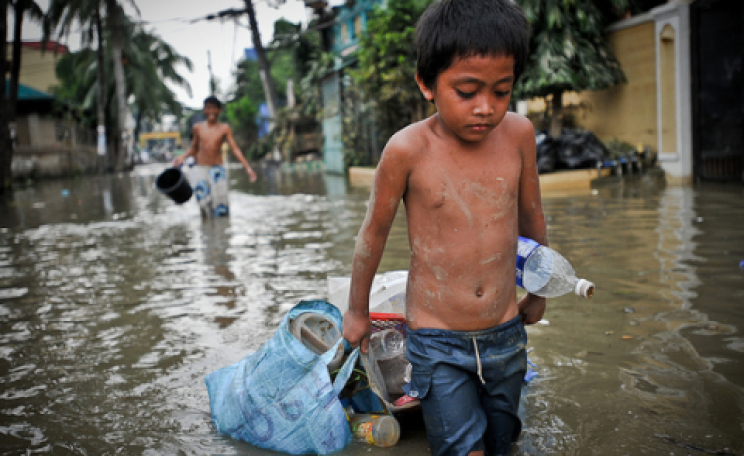
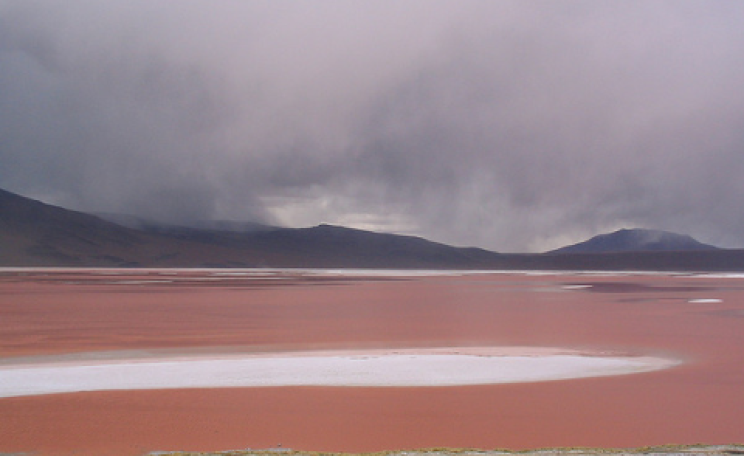
Living between southern England and Bolivia, Maddy Ryle finds inconsistent media attitudes in reporting extreme weather and climate change - and searches out new narratives that engage and empower communities across the world.
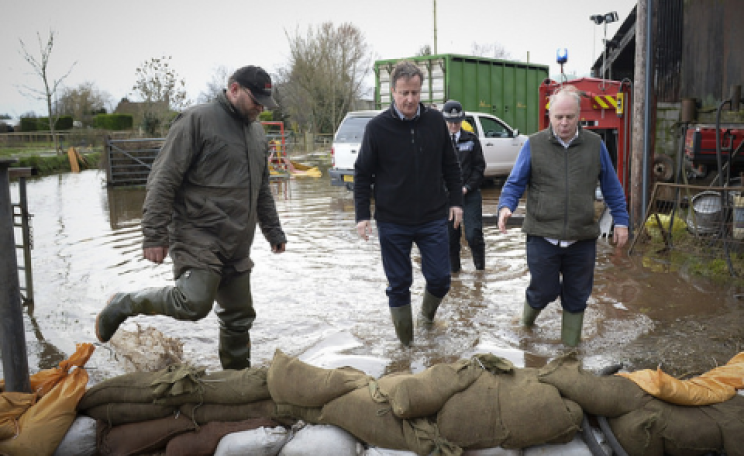
Mainstream media reporting of the recent UK storms rapidly degenerated into narratives of blame focused on environmentalists, writes George Marshall. It's time they uncovered the real villains!
Following the BBC's abysmal reporting of climate change, Vanessa Spedding believes that news 'consumers' must transcend their outrage at media ignorance of climate, and demand new, inspiring narratives.
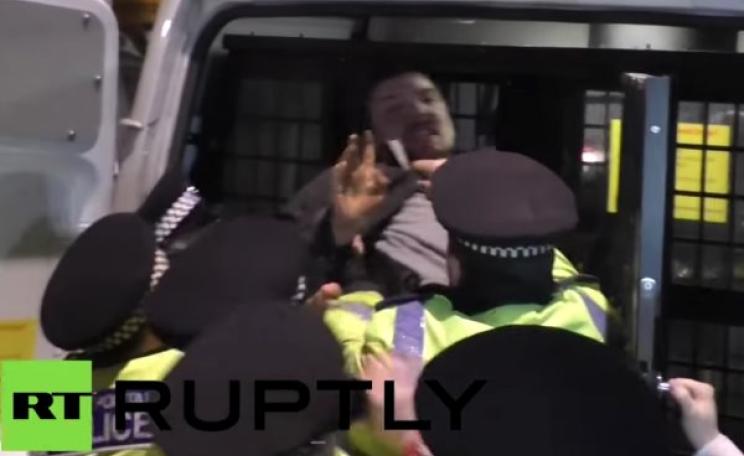
Donnachadh McCarthy is facing 14 years in prison for his peaceful demands for democratic reform in Parliament Square, following his arrest on the order of 'Boris Guards' answerable to the London Mayor. In total four 'occupy democracy' protestors were arrested this weekend a stone's throw from the Westminster media pack - but not a word in the mainstream news.
Right wing media and politicians have chosen the Somerset Levels as their battle field for fighting the 'green' agenda. There is just one problem - the facts. On the Levels themselves, there is a remarkable consensus about the way forward - and the future is Green.
Last week's 'million mask march' is a telling example of the mainstream media's structural hostility to any realisation of a participatory, deliberative or active public, argues Jamie Mackay.
Jonathan Kent examines the diverse media coverage of last night's Guy Fawkes protests in London. The reports tell us more about media prejudices, than about the event itself.
Nigel Farage's media triumph last night highlights Ofcom's decision that UKIP is a 'major political party' in the Euro-Elections. But Ofcom's view, argue Matt Hawkins & Clare Phipps, rests on the myth that the media reflect, rather than influence, public opinion.
The video camera is the weapon of choice for activists and campaigners around the world, with campaign films an effective way to get a message across and fight back against mainstream media bias. Here's our guide to taking your stand...
Eifion Rees reports on the video journalists producing environmental and social justice films that influence public opinion - and consistently get closer to the issues than the mainstream media
It’s fair to say that we have our share of robust discussions in this office. Opinions get aired, fingers get pointed, occasionally voices get raised. It’s all in a good cause. Setting the world to rights isn’t always a civilised tea party.
Receiving the Global Environment Citizen Award in December, US television journalist Bill Moyers warned of the threat posed to the planet by America’s religious right. This is an abridged version of his speech
Are we getting the facts about the world from a free press, or being led astray by a corporate media uninterested in the real issues? Writer and thinker David Edwards argues it out with environmental journalist Caspar Henderson