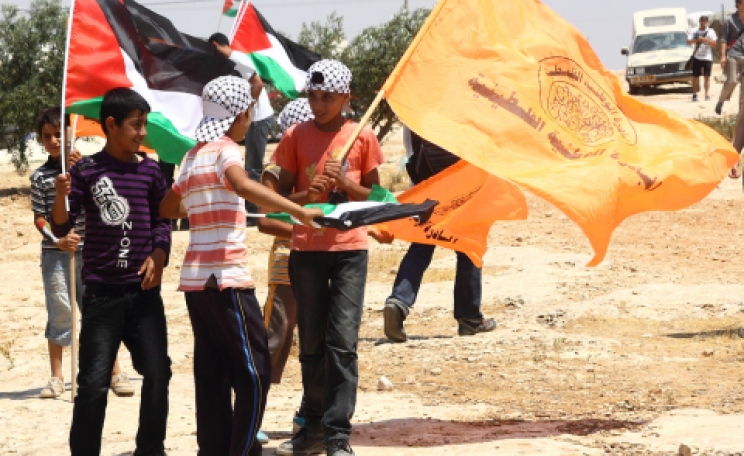
An ecological project has taken root on an abandoned olive grove outside Ramallah. As well as restoring the land itself, its deeper aim is to nurture the ancient links between the Palestinian people and nature, and rebuild a culture of steadfastness in the soil of their native country.
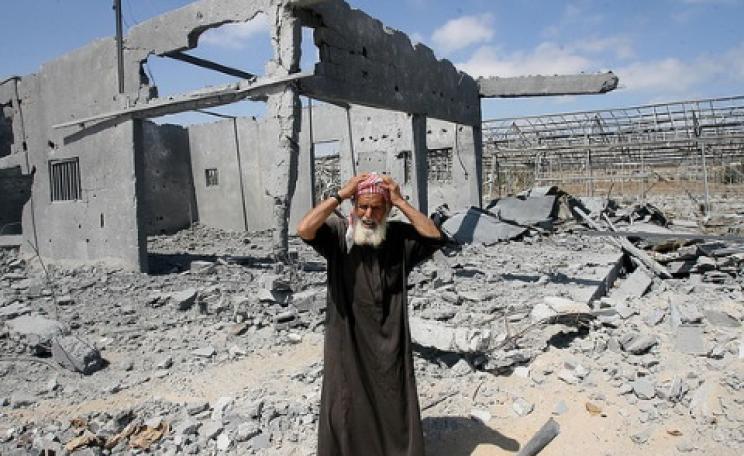
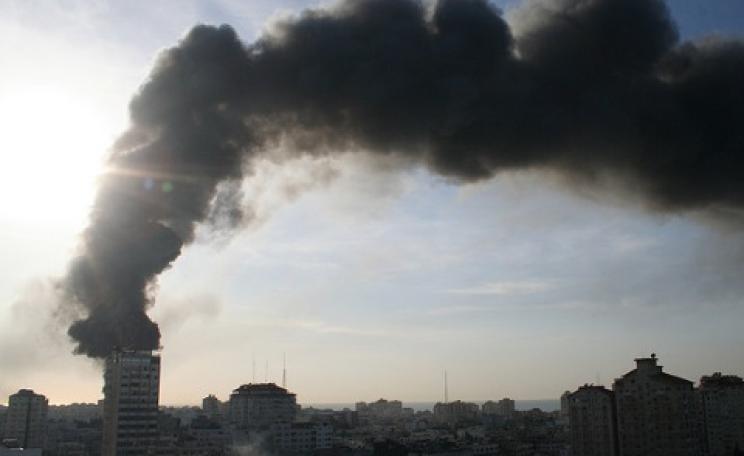
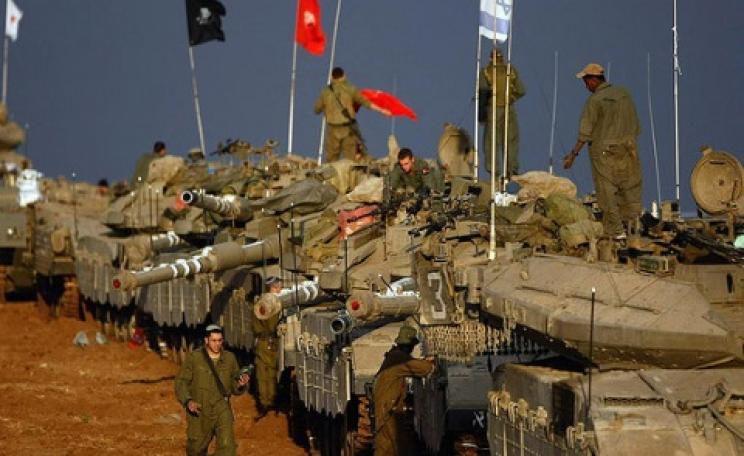
As Israel pursues its war on Gaza with ever-increasing ferocity, and with 25% of Gaza's people forced from their homes, what's the final objective? It's unthinkable that Israel's aim is to 'cleanse' the territory of its people, seize its vast gas reserves, and annex some of the Med's hottest real estate. Isn't it?
Israel's war on Gaza has seen the systematic and widespread destruction of civilian infrastructure essential for human survival, writes Luisa Gandolfo. This represents an apparently deliberate 'cutting off of life support' to those that survive the bombardment now under way.
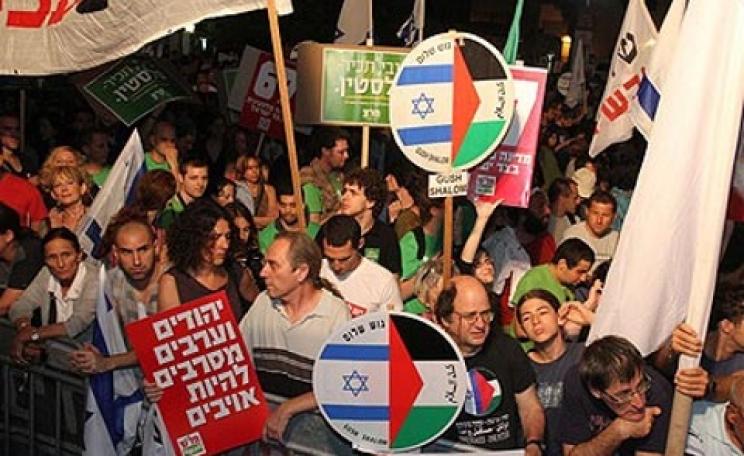
In this war, both sides have declared the same aim - to put an end to the situation that existed before it started. Remarkably, writes Uri Avnery, they can both have their way: an end to the rockets, bombs and shells; an end to the blockade and the occupation. In short, peace. But first they must talk to each other ...
Israel desperately covets Gaza's gas as a 'cheap stop-gap' yielding revenues of $6-7 billion a year, writes Nafeez Ahmed. The UK's BG and the US's Noble Energy are lined up to do the dirty work - but first Hamas must be 'uprooted' from Gaza, and Fatah bullied into cutting off its talks with Russia's Gazprom.
Never mind the 'war on terror' rhetoric, writes Nafeez Ahmed. The purpose of Israel's escalating assault on Gaza is to control the Territory's 1.4 trillion cubic feet of gas - and so keep Palestine poor and weak, gain massive export revenues, and avert its own domestic energy crisis.
Since 1967, Israeli soldiers and 'settlers' in occupied Palestine have destroyed 800,000 olive trees in an attempt to force Palestinian farmers from their land, writes Megan Perry. 'Our response to this injustice will never be with violence, and we will never give up and leave.'
Israel's armed forces have destroyed vital water and sewage infrastructure in their bombing campaign of the besieged territory, writes Mohammed Omer. This constitutes a severe breach of the 1977 Protocol to the 1949 Geneva Conventions on the part of Israel and all those conceiving, planning, ordering and perpetrating the attacks.
Superpower confrontations and growing tensions in Ukraine, the Middle East and the Arctic are all part of a new Cold War, writes Alexander Reid Ross - and this time Green campaigners are under attack by both Russian authorities and NATO ...
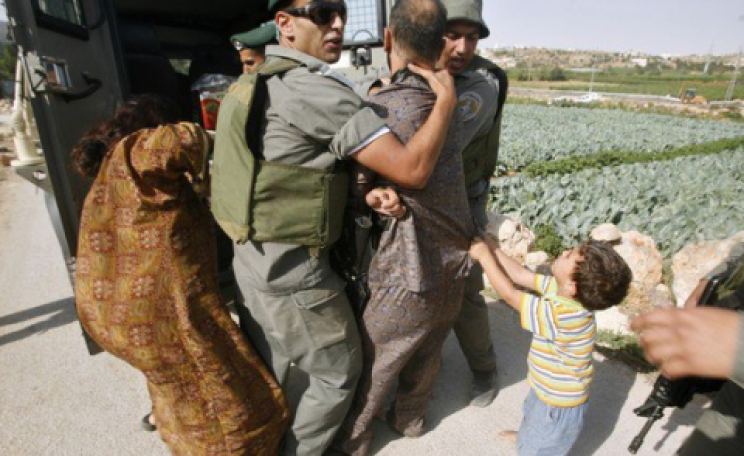
An ancient system of irrigated terraces in Palestine's West Bank have been recognised by UNESCO as a World Heritage Site against strong opposition from Israel - which wants to build its 'separation wall' across Battir, cutting Palestinian farmers from their land.
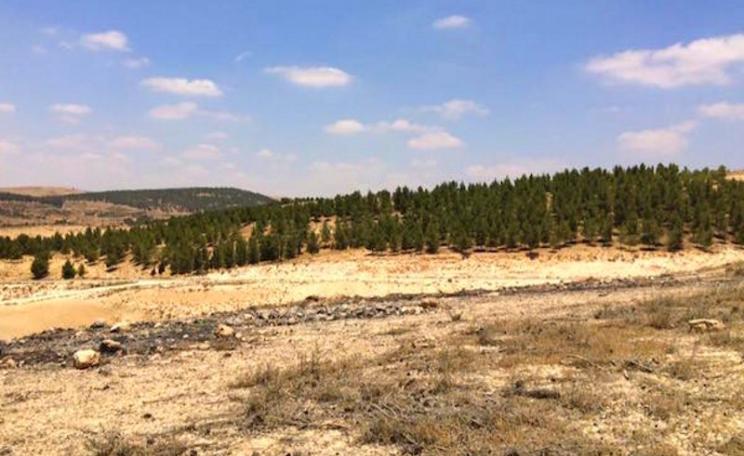
It should be good news, but it's not. Israel's largest man-made forest is set for enlargement, but at the expense of a village where a Bedouin community has lived since they were resettled there in 1956. Its sister village is to be demolished so a new Jewish town can be built on its ruins.
Water is to the 21st century what oil was to the 20th ... the commodity that determines the wealth and stability of nations, writes Garikai Chengdu. Welcome to a new age of hydro-imperialism that is upon us right now in Syria, Israel, Iraq, Libya ...
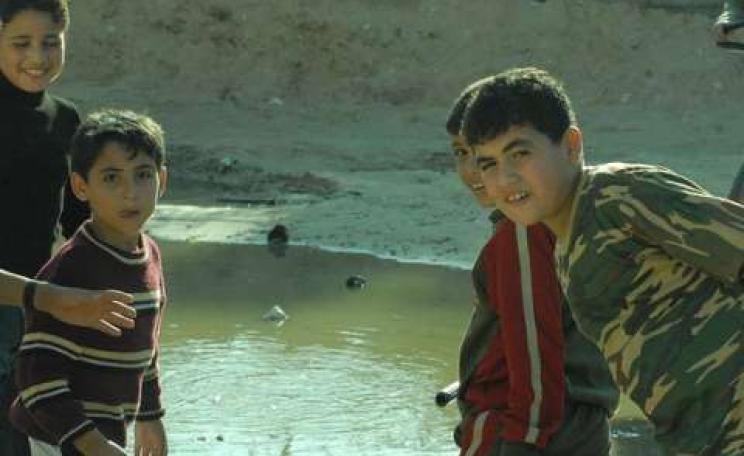
After suffering devastating winter floods, Gaza now prepares for a long, dry summer of acute water shortages, declining water quality and a collapsing sewage system, as its coastal aquifer faces permanent damage from over-use and seawater contamination.
Since July 2010 the Bedouin village of Al Araqib in the Negev desert has been demolished 68 times, writes Silvia Boarini. Many have fled but those that remain are determined to stand their ground: 'They can demolish us 100 times, but we're not going anywhere.'
The Non-Aligned Movement has reiterated the demand for Israel, the only country in the Middle East that has not joined the Non-Proliferation Treaty, to 'renounce possession of nuclear weapons' and join the Treaty without delay.
Systematic, acute, malicious discrimination in access to water in the West Bank and Gaza, combined with massive resource theft, is operated by the occupation authorities and the private water company Mekorot, writes Ayman Rabi on UN World Water Day.
The struggle for collective rights unites all Indigenous peoples from North America to Palestine, writes Sarah Marusek - as does their common narrative of resistance to colonialism, imperialism and capitalism.
... in case there is none tomorrow. Nasser Nawajah wrote this open letter to Israel's economics minister Naftali Bennett - leader of The Jewish Home - about the water starvation suffered by Palestinians.
The besieged Palestinian territory of Gaza now enjoys the prospect of energy independence - a huge gain as fuel supplies to Gaza have restricted by Israel and Egypt. The big question - will Israel allow the gas field's development?
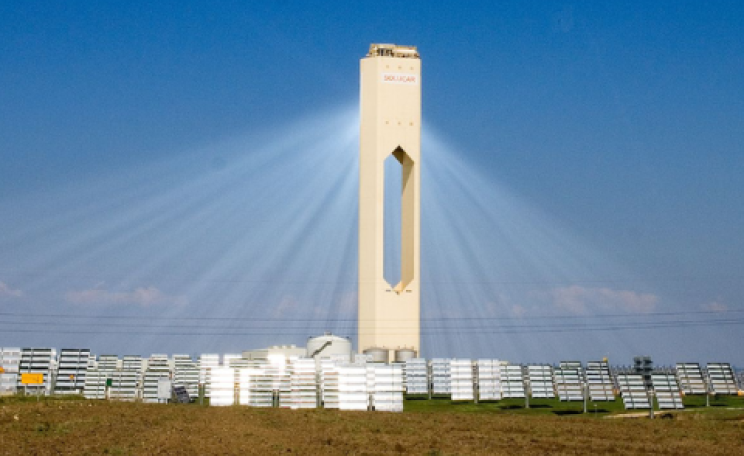
The solar industry is going great, with tens of gigawatts of new capacity planned for 2014 alone. But as Jonathon Porritt writes, the solar revolution could be going even faster - with smart, consistent policies for solar power in Europe and Japan.
The Jordan Valley in the Palestinian West Bank is under active annexation to Israel - in breach of the 4th Geneva Convention. Victoria Brittain went there to explore what this means for the people of the Valley, and the implications for John Kerry's 'peace negotiations'.
The UN has described the Gaza Strip as a 'disaster area' following the onslaught of Storm Alexa and called on the international community to lift the blockade and allow recovery efforts to proceed.
Israel is not known as an oil producer, but that could be about to change. Just one problem: much of the oil lies under the Palestinian West Bank, and international law and the Oslo Accords require an equitable division of the profits. Jonathan Cook reports ...
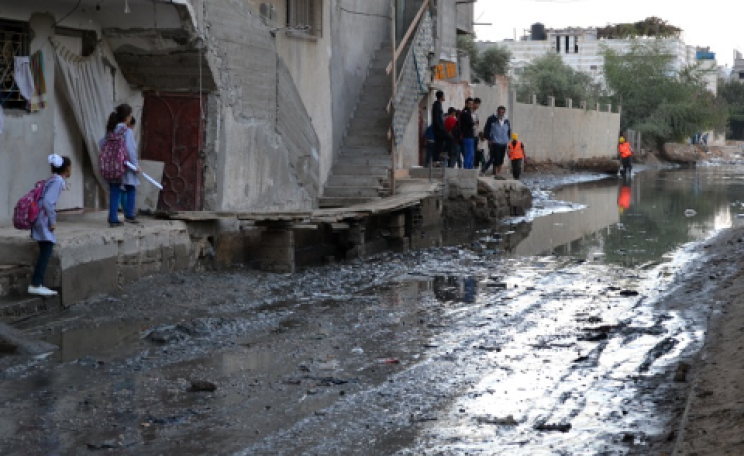
After military attacks on Gaza failed to bring down the territory's Hamas government, reports Ramzy Baroud, Israel is now waging an environmental war whose weapons are chronic power shortages, collapsing sanitation - and floods of sewage.