Decades of deceit have been thrown overboard with the new nuclear sales pitch, argues JIM GREEN. The new sales pitch openly links nuclear power to weapons and argues that weapons programs will be jeopardised unless greater subsidies are provided for the civil nuclear industry
Most British politicians - waking up after a General Election which sent a strong message that the UK electorate don't want railroading by its leaders - sail along blissfully innocent of nuclear's impending denouement, not only in the rest of the world but in the UK too, writes IAN FAIRLIE
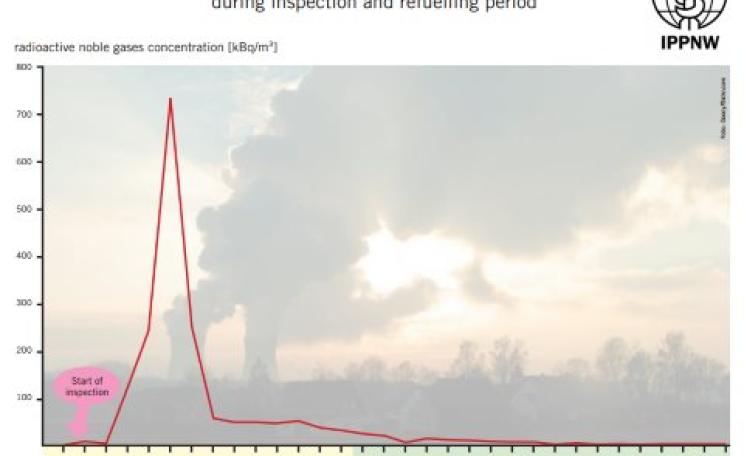
When nuclear reactors are refueled, a 12-hour spike in radioactive emissions exposes local people to levels of radioactivity up to 500 times greater than during normal operation, writes Ian Fairlie. The spikes may explain infant leukemia increases near nuclear plants - but operators provide no warnings and take no measures to reduce exposures.
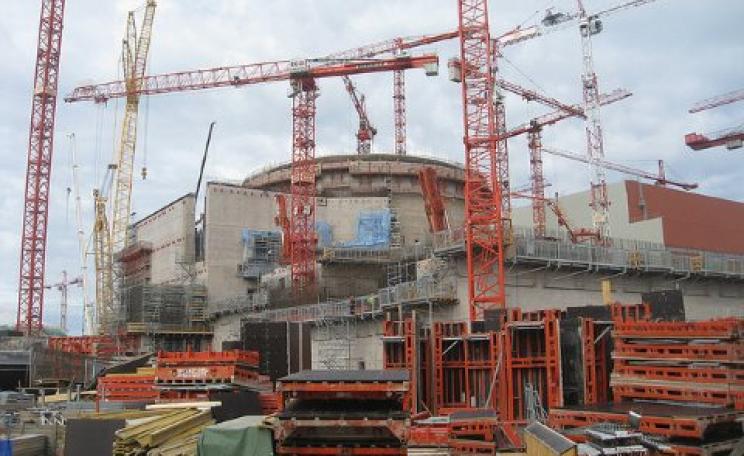
A review of the 66 nuclear reactors 'under construction' worldwide shows that 49 are running behind schedule, including all five in the US and most in China. The long and unpredictable build times of nuclear plants, and the extra costs that ensue, are a compelling reason not to depend on the technology for either power or to mitigate climate change.
Research on the biological effects of radiation near the Fukushima nuclear disaster site finds a powerful response in rice seedlings, writes Gregory McCann. The discovery will do nothing to boost consumer confidence in resumed rice exports from the Fukushima region.
At first it looked like a journalistic coup, writes Neil Crumpton - the BBC's 'scoop' that FOE was no longer opposed to nuclear power. Except that FOE remains firmly anti-nuclear as it has been for decades. The spotlight must now be turned on the BBC itself, and its little-known but shocking links to the nuclear industry
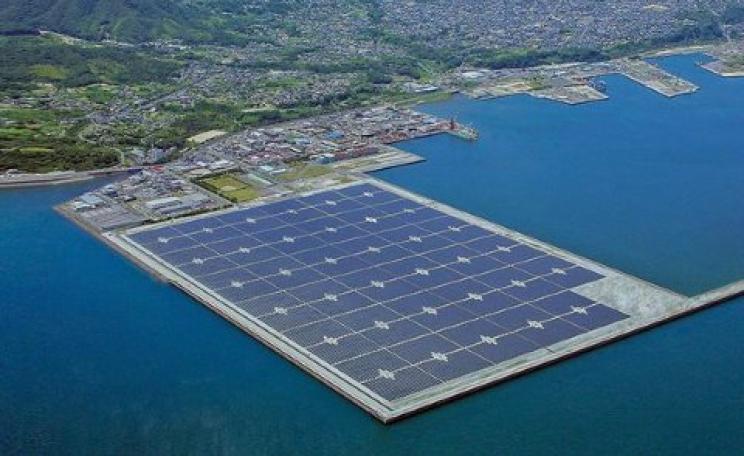
As Japan seeks to end reliance on nuclear power, one of the answers is floating 'solar islands', writes Jon Major. A 70MW solar island opened last year, and two additional plants have just been announced.
Nuclear power exists for one reason only, writes Ralph Nader - government support. Without the taxpayer subsidies, accident liability waivers and exploited consumers, nuclear power wouldn't exist. And even with all the above, it can barely hold on. It's time to end the nuclear boondoggle for once and for all.
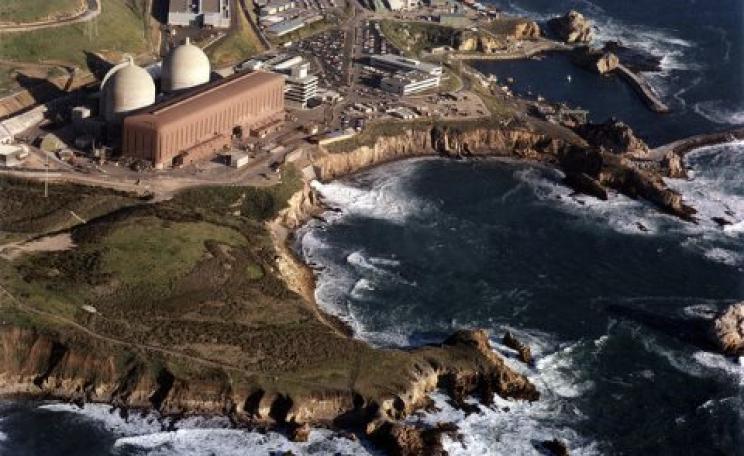
A newly-exposed report by Diablo Canyon's lead nuclear inspector shows that the twin reactors are unsafe, writes Karl Grossman. An earthquake on nearby geological faults could trigger a Fukushima-scale accident causing 10,000 early fatalities. The owner's response? Apply to extend the site's operation for another 20 years.
On the face of it, the UK government's obsession with nuclear power defies reason. It's very expensive, inflexible, creates 'existential' threats and imposes enormous 'long tail' liabilities tens of thousands of years into the future. But there is a simple explanation: it's all to maintain the UK's status as a nuclear WMD state.
The World Nuclear Industry Status Report provides an account of an industry in decline, writes Jonathon Porritt - with rising operating costs and an ever-shrinking share of world energy production, while the sector loses the race for investment and new generating capacity to fast growing renewable energy technologies.
Controversy has been raging for decades over the link between nuclear power stations and childhood leukemia. But as with tobacco and lung cancer, it's all about hiding the truth, writes Ian Fairlie. Combining data from four countries shows, with high statistical significance, that radioactive releases from nuclear plants are the cause of the excess leukemia cases.
Russia has announced that it will build the first thermal nuclear power station in Kazakhstan, the world's largest uranium producer, writes Komila Nabiyeva. But where in that vast country will it be located? Who will own and operate it? How many reactors are planned? Who will get the power? And will it ever actually happen?
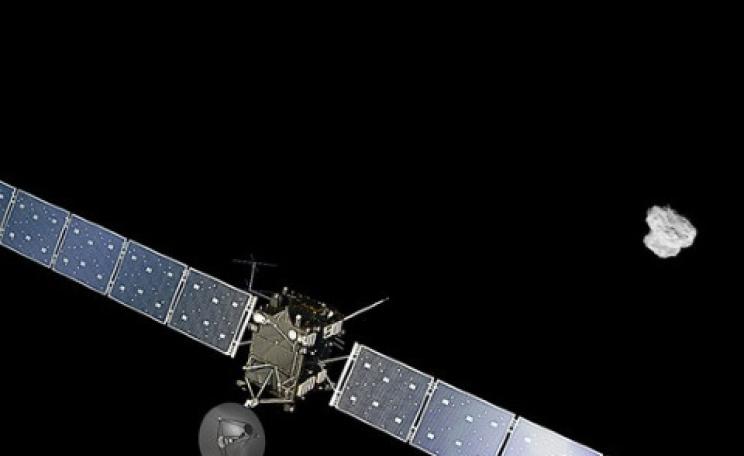
Deep space missions have previously run on nuclear power, writes Karl Grossman - and have twice showered Earth with radioactive debris. But the ESA's Rosetta probe, about to reach its destination, is 100% solar-powered - showing that space can be nuclear-free.
A massive health crisis is following the 2011 nuclear disaster at Fukushima, write Joseph Mangano & Janette Sherman - not just in Japan but around the world. But the health impacts remains woefully under-studied. Scientists must wake up and undertake serious research without delay.
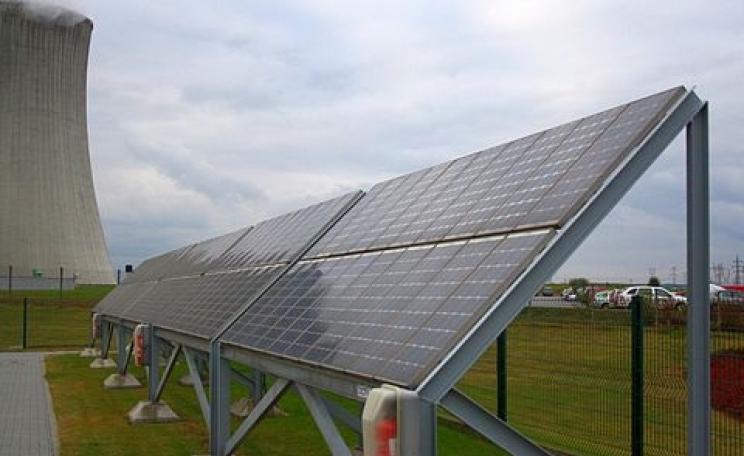
The nuclear industry remains remarkably optimistic about its future, wrties Paul Brown - despite evidence that it is a shrinking source of power as renewables, in particular solar and wind power, compete with increasing success to fill the energy gap.
As the UK's electricity supply margins drop to new lows, the government's punitive approach to renewables will only make matters worse, write Peter Strachan & Alex Russell. Likewise its threats to boycott Scotland's wind power is utterly irrational - we will need it to keep our lights on.
Tatyana Novikova has been fighting an unsafe nuclear power plant right on the country's border with Lithuania. She spoke to Chris Garrard about her campaign, the official persecution of anti-nuclear activists, and her invocation of the Aarhus Convention to the anti-nuclear cause.
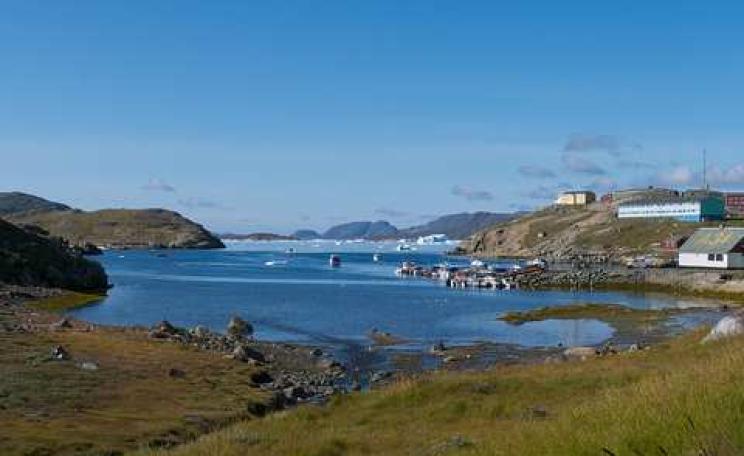
Last October Greenland repealed a law that banned uranium mining. Now mysterious Australian mining companies are staking out the country for exploitation. But as Antony Loewenstein reports, local fears are growing, and political opposition is heating up.
Opponents of nuclear power rightly focus on issues of cost, operational danger and waste disposal, writes David Lowry. But they should not forget the towering 'elephant in the room' - nuclear security and the risk of proliferation and terrorist attacks.
Marking 'Chernobyl day' 2014, a website is launched that calls for the arrest of writer George Monbiot for 'Nuclear Crimes against Humanity and the Environment'.
Barys Piatrovich recalls the tension of unknowing during the days that followed the Chernobyl disaster. Today, barely any of the evacuees are still alive. Dispersed throughout the country, they died alone and unnoticed, statistically insignificant.
It was 28 years ago today that Reactor 4 at the Chernobyl nuclear plant in Ukraine ruptured and ignited, sending a massive plume of radiation across Europe. Jim Green assesses the scientific evidence for how many people died as a result of the catastrophe.