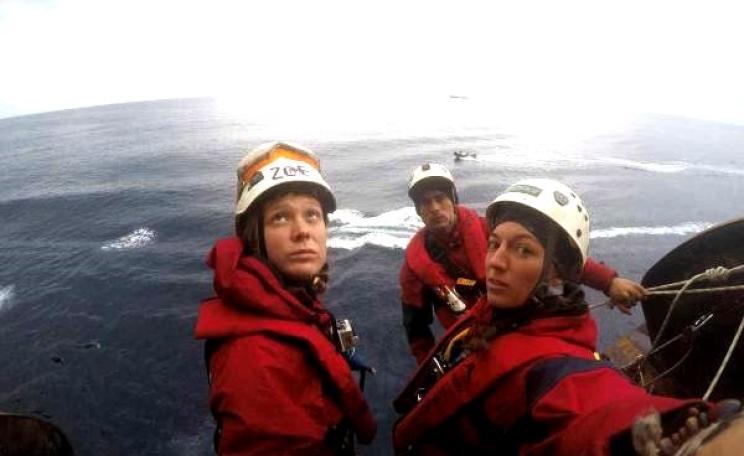
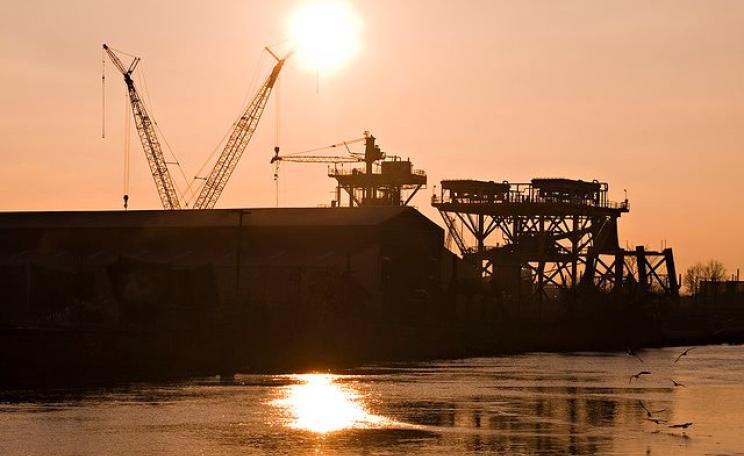
Days after Shell received US Government backing for its plans to drill in the Chukchi Sea in the Alaskan Arctic, volunteers from Greenpeace have occupied its 'Polar Pioneer' oil rig in the Pacific Ocean to demand a halt to all Arctic oil exploration.
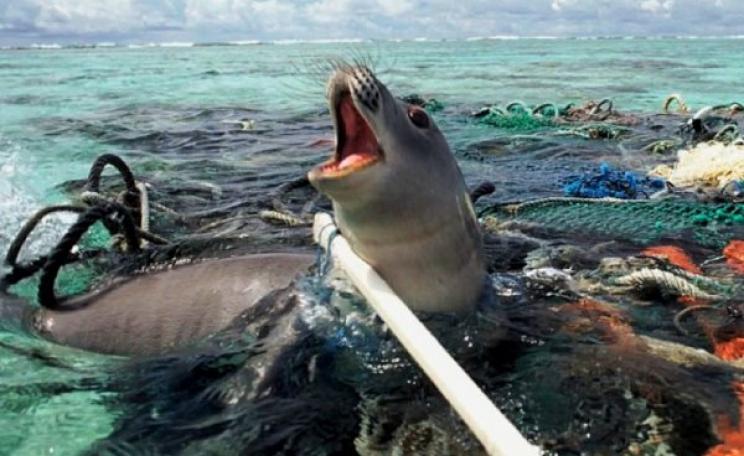
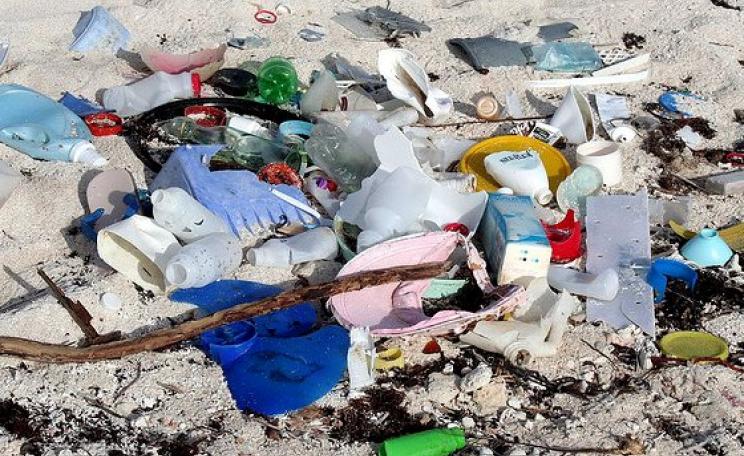
An unimaginably large volume of plastic debris is reaching the world's oceans every year, write Britta Denise Hardesty & Chris Wilcox - and it's set for a ten-fold increase over the next decade, adding to the already terrible toll on marine life from turtles to seals, sea birds and fish. The solution must be to give waste plastic value - if we can find a way.
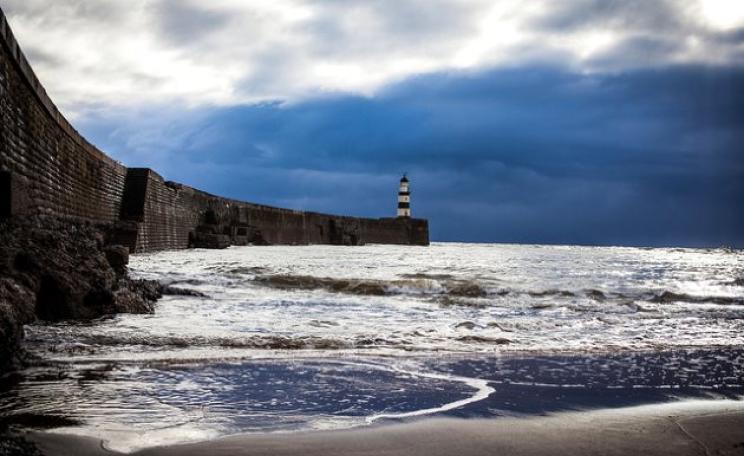
After over a century of coal ash and colliery waste dumping, the Tyne and Wear coastline is no stranger to industrial pollution. But soon a horrific new technology - underground coal gasification (UCG) - will endanger human health and the environment, backed by unflinching Government support and generous lashings of taxpayers' money.
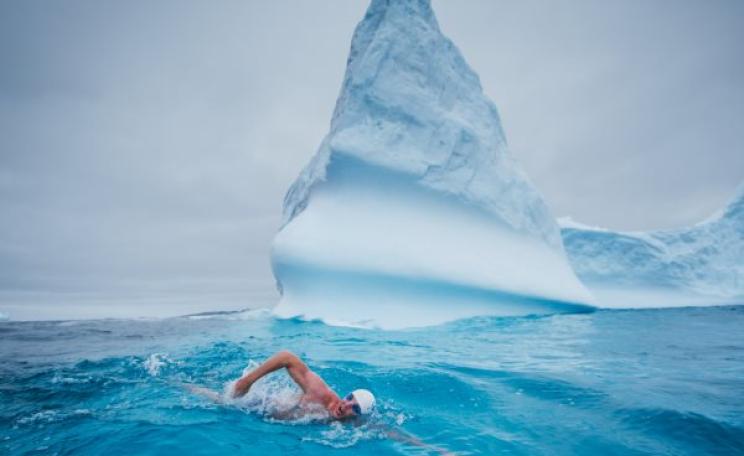
How to campaign for the world's biggest marine protected area in Antarctica's freezing seas? If you're Lewis Pugh, the answer's a simple one: swim there! And before your hands have even recovered from the frostbite, fly off to Moscow to persuade the Kremlin to back the idea. Yannic Rack met the intrepid swimmer in a cosy London pub ...
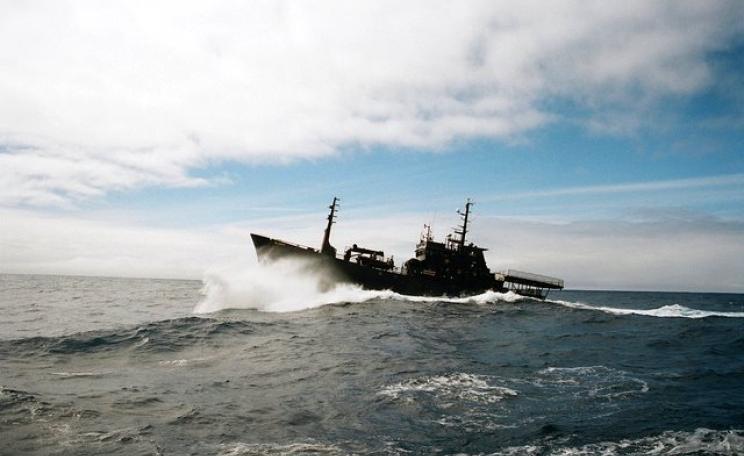
The first year of Sea Shepherd's campaign to close down illegal fishing operations in the Southern Ocean, dubbed 'Operation Icefish' has already led to the detention of two 'bandit' fishing vessels while a third is under pursuit.
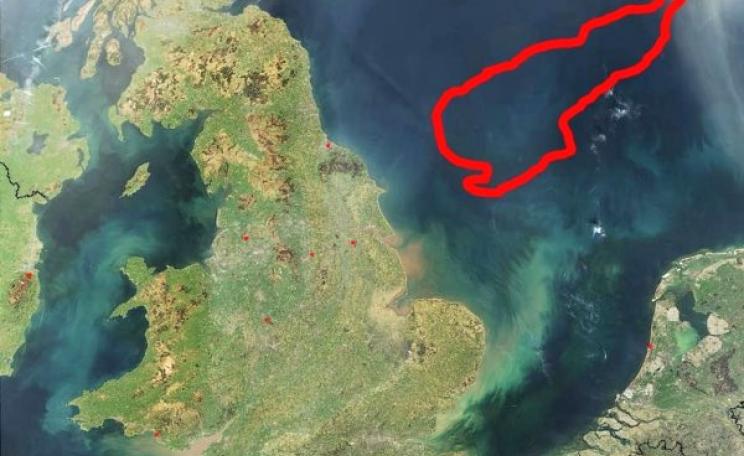
Way out in the turbulent North Sea, the Dogger Bank may seem like an unlikely place to site a large part of Britain's energy infrastructure. But given the stable sea floor, consistent winds, and distance from sensitive neighbours, it could be the perfect place. Even the fish could come to like it!
The the creation of almost a million sq.km of the South Pacific as a fully protected marine area builds on a long Conservative tradition of protecting the natural environment, write Nick Hurd & Zac Goldsmith - and as factory trawlers close in on Pitcairn's pristine waters, the initiative could not have been more timely.
Rising temperatures will result in more snow falling in Antarctica, and the build-up of ice will reduce sea level rise from other sources. But as the extra weight of ice makes Antarctica's glaciers flow faster, the continent will still be a net contributor to sea level rise.
Indian coal firm Adani is struggling to finance its proposed mega coal mine in Australia's Galilee Basin, write Marina Lou & Christine Ottery, as promised government support evaporates and a major investor looks set to pull out.
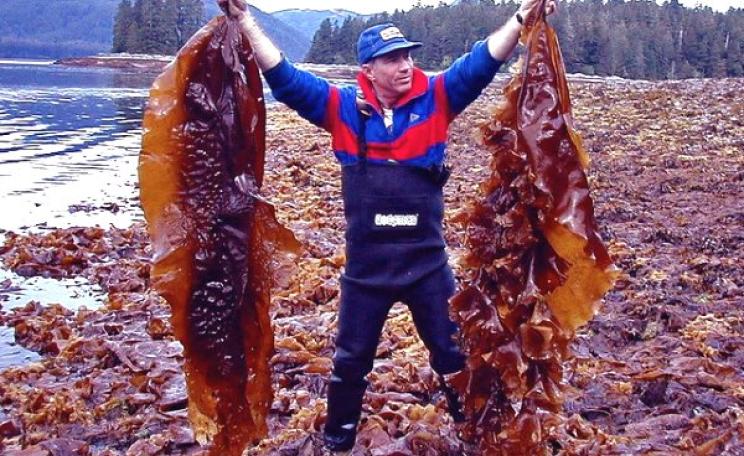
Biofuels are controversial because they are often produced from food crops or grown on farmland, writes Paul Brown, creating extra pressure on land and forests. But a common algae found in abundance around coastlines and clogging up beaches may be the answer.
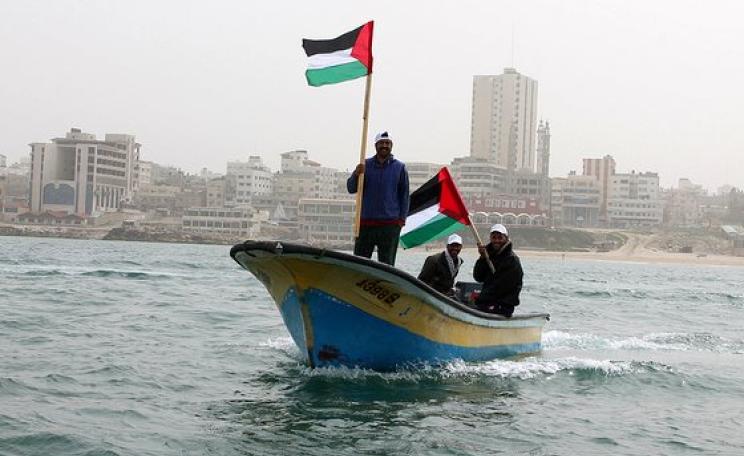
Under the ceasefire between Israel and Hamas last August, Gaza's fishers were meant to be able to work up to six miles from the coast, writes Charlie Hoyle. In fact, Israel is routinely attacking boats within the zone, arresting fishermen, and seizing boats and nets, never to be returned. Only last week, one fisherman was shot dead after allegedly straying over an invisible boundary.
What's the solution to the over-exploitation of fish on the high seas, outside territorial boundaries? Ban it altogether, argues Reg Watson. It would make little difference to the total fish catch, poor coastal countries would reap huge benefits, and the fishing fleet's fuel burn would be slashed. The main losers? Rapacious industrial factory-fishers.
Whale and dolphin experts from across the world today launched a new campaign at the European Parliament to ban dolphin captivity in Europe, putting an end to a long saga of abuse and exploitation.
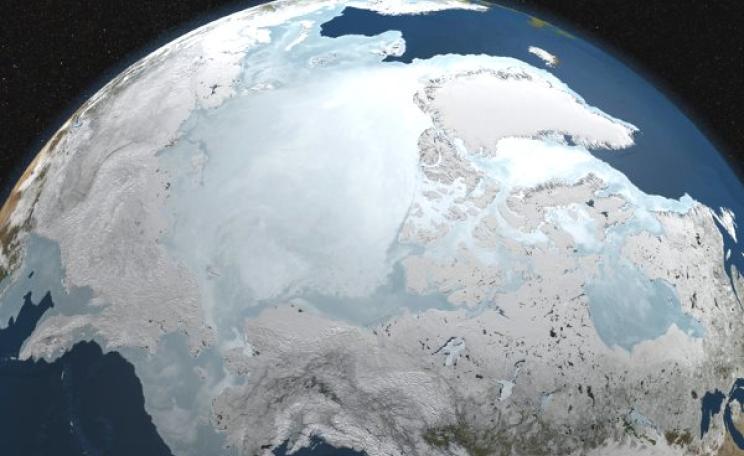
Global warming has been on vacation for a few years, writes Nafeez Ahmed. But that's only because the excess heat - two Hiroshima bombs-worth every second - has been buried in the deep ocean. But within a few years that's set to change, producing a huge decade-long warming surge, focused on the Arctic, that could overwhelm us all.
'Ocean giants' in our coastal waters are increasingly rare, writes Dr Lissa Batey, thanks to a host of threats from pollution to entrapment in fishing gear. Marine Protected Areas in England and Wales could help restore our cetaceans to their former abundance - but so far, only one has been designated for these species in Wales, and none in England.
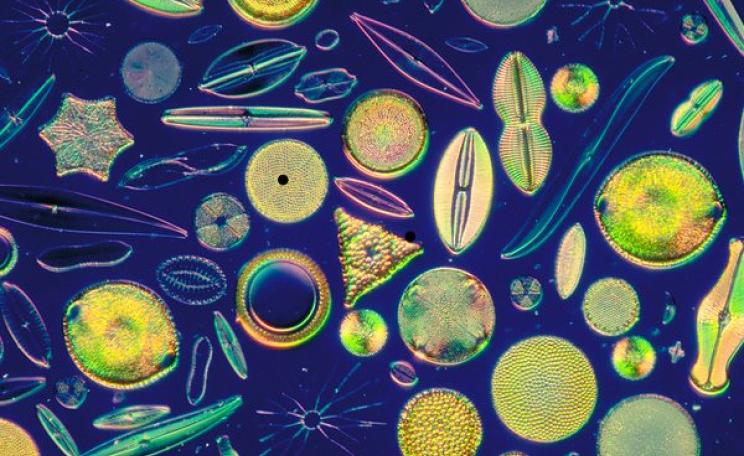
Increasing acidity in the Southern Ocean is slowing the growth of diatoms, reports Tim Radford. Why worry? Because these tiny plankton sustain essential marine ecosystems, and are highly effective at drawing CO2 down into the deep ocean.
Scandinavian inventors are hoping that efficient new waves power technologies will for the first time make the sector competitive with other renewable energy sources, writes Paul Brown - opening up a massive new clean energy resource around the world.
A powerful call has gone out the the US Export-Import Bank not to finance a massive coal mine, railway, port terminal and dredged 'canal' through Australia's Great Barrier Reef with $1 billion in loans and guarantees.
The oil and gas industry has admitted that its canals and drilling rigs have destroyed 1,900 square miles of coastal wetlands on the US Gulf Coast, but a Federal Judge with deep industry ties has ruled that 97 companies off have no liability for the $50 billion damage.
Levels of neurotoxic mercury in Yellowfin tuna are rising at almost 4% per year, and will soon reach a point where the fish are officially unsafe to eat, writes Paul Drevnick. And after decades of debate, there's no longer any doubt where the mercury comes from: humans. Industrial sources like coal burning are mainly to blame, and it's high time we put a stop to it.
On current trends the world will contain 33 billion tonnes of plastic by 20150, writes Mae Wan Ho, and much of it will litter the oceans, concentrating toxins and damaging marine life throughout the food chain. The alternative is to classify the most toxic plastics as 'hazardous waste', and for all plastics to be reused and recycled in 'closed loop' systems.
The rapid deterioration of the world's oceans and the life they contain calls for a breakthrough in their governance, writes Deborah Wright. The seas must be protected, respected and policed as the common heritage of all mankind, and of all generations present and future.
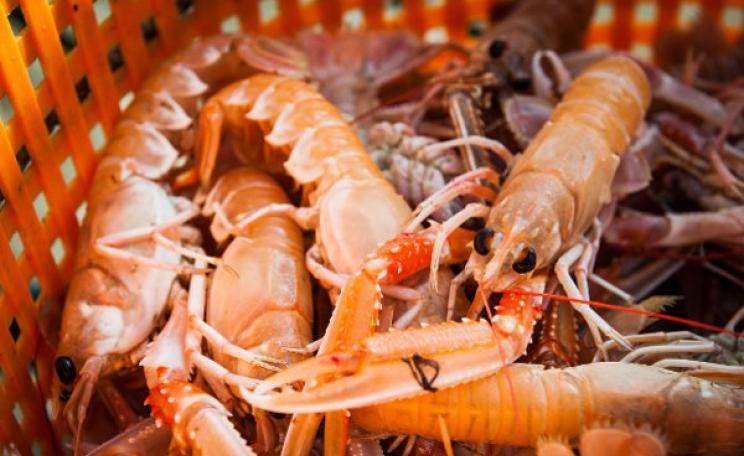
Trawlers in an MSC-certified 'sustainable' lobster fishery producing have been caught in the act of using illegally modified nets to target valuable cod. The MSC has been notified but considers the evidence insufficient to act, so the lobsters still carry the MSC label.
Countries at the UN have agreed to start formal negotiations on a new 'legally binding instrument' to conserve the biological riches of the high seas that cover 45% of planet Earth, and ensure their sustainable use for the benefit of all mankind.