Half a year or so on from the historic signing of the Paris Agreement at the COP21, the smiling promises and diplomatic handshakes have not only left the mainstream media but left us still waiting for the shift to a greener world. NEW VOICES contributor, KATIE ARTHUR looks at whether we can ever expect systems to change without transformed attitudes to lead the way...
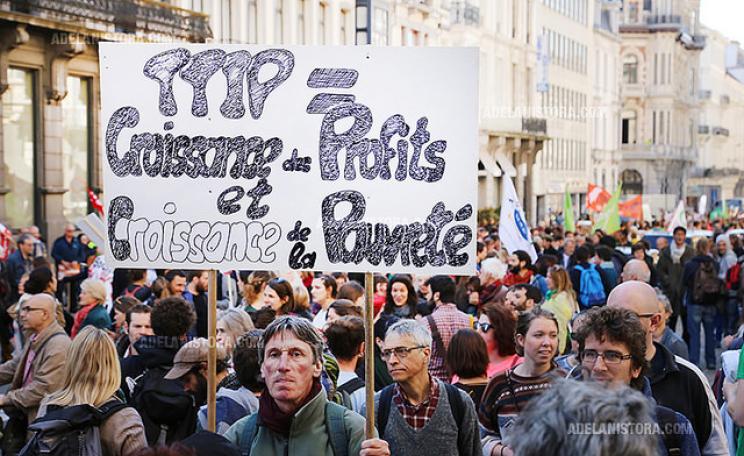
The European Union and the USA have been negotiating the Transatlantic Trade and Investment Partnership (TTIP) behind closed doors since 2013. Negotiators kept insisting that their secret talks would work in the best interest of the public and the environment. But since Greenpeace leaked the TTIP draft negotiating documents it became clearer than ever, that this trade agreement could become one of the most dangerous weapons in the hands of the fossil fuel industry in its effort to kill Climate Action for the 21st century. The elephant in the room is here and it is huge: the word "climate" means something totally different in the TTIP papers.
The industries that have primarily caused, are still causing, and will continue to cause climate change, are the recipients of huge subsidies. Whilst the marginalised are promised a paltry and relatively insignificant amount to mitigate and adapt to the consequences of the problem they did little or nothing to bring about. That's just plain wrong says MARK KERNAN
Those most affected by climate change are those least responsible and the international policy frameworks in place to protect them don't work making it a moral issue. But we must believe that the larger goals of environmental sustainability and social justice can be achieved - if we just work together writes Asoka Bandarage
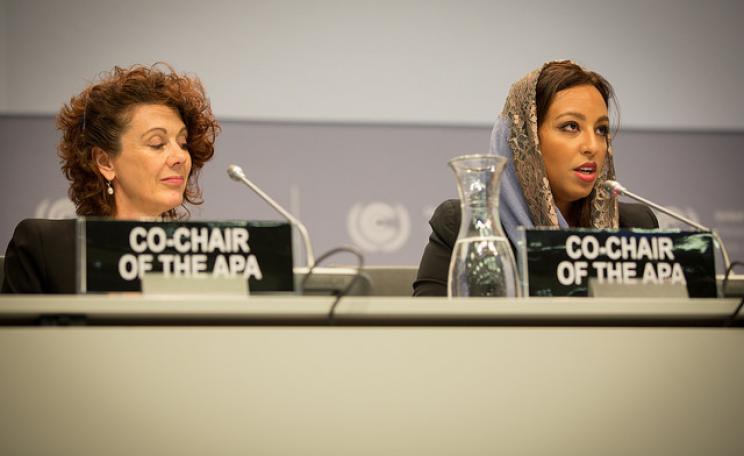
The influence of fossil fuel corporations was strongly questioned by developing countries in the post-Paris meeting of the climate change negotiations in Bonn last week. Climate Trackers Pavlos Georgiadis, Renee Karunungan and Anna Pérez Català highlight the key issues that were debated
The UN intersessional negotiations on climate change (UNFCCC) which started in Bonn last week enter their second week with the big question - how to find and allocate by 2020 the $100bn as agreed in the Paris Agreement. Climate tracker Pavlos Georgiadis reports.