When is direct action justified? In the second part of his special programme on Climate Camp, Phil England gets the lowdown on the legalities of protest
When a Victorian tea party took over Heathrow's Terminal 1 earlier this year, it was a clear sign that environmental campaigning had taken a large step away from time-worn methods of protesting.
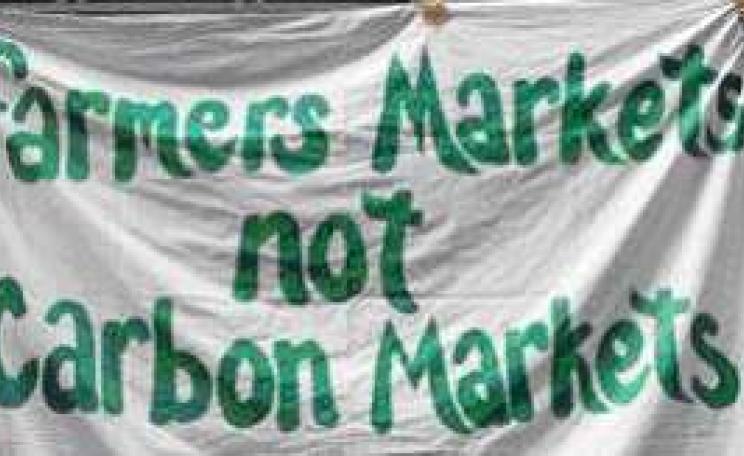
The plan was a simple one: Climate Camp would "swoop" onto the main road on Bishopsgate directly outside the European Climate Exchange (the biggest carbon trading hub in the world) on April 1st, just as the G20 circus rolled into town. But we were never sure precisely how it would work.
John Francis spent 17 years walking... in silence. His pilgrimage is testament to the fact that you don't have to speak to be heard and that the tools to combat global warming are in all our hands.
It may seem odd timing that many of us are heading to the nation's capital early next month for a major act of civil disobedience at a coal-fired power plant, the first big protest of its kind against global warming in America.
It has been a long and bitter struggle. When locals who had for years enjoyed the peace and tranquillity of Thrupp lake at Radley, Oxfordshire, learned that it was to be filled with fly-ash from Didcot power station, they assumed that a small but vocal protest would help see off the plans.
The South West Regional Development Agency is letting down planet and people despite promises to redevelop the former site of Morland leather works 'sustainably'.