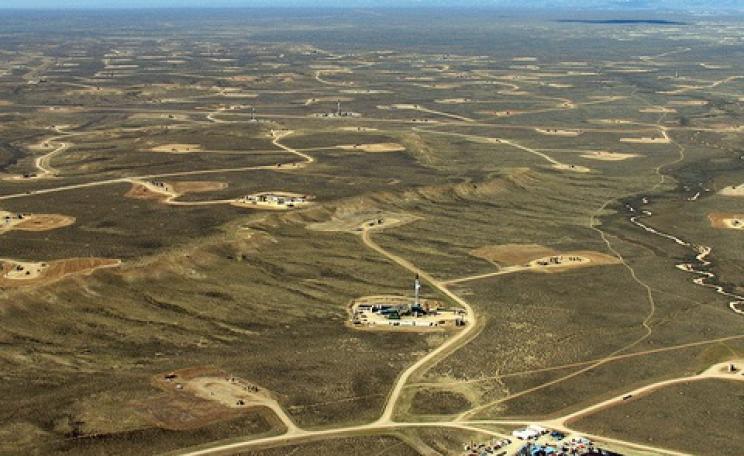
Among the risks of fracking are fragmentation of wildlife habitats, groundwater depletion, surface water pollution. The risks are compounded by a failure among companies and regulators to record or disclose essential information - from the chemicals used, to the time and place of toxic spills.
The UK has just opened a bidding round for fracking licences. But the rules contain only weak protections against fracking in National Parks and AONBs - and none at all for even the most important wildlife sites and drinking water aquifers.
Scotland's network of marine reserves doubled in area today with the designation of 30 new marine reserves. The move has been welcomed by green groups who have long campaigned on the issue - but they warn: this is where the real work begins.
A new report on the Channel's fisheries is a timely reminder of the ecological trend to 'simplification' as whole trophic levels are stripped away by over-exploitation, writes Horatio Morpurgo. Yet the government's profit-focused vision of 'sustainability' is missing the essential element - allowing the recovery of marine ecosystems.
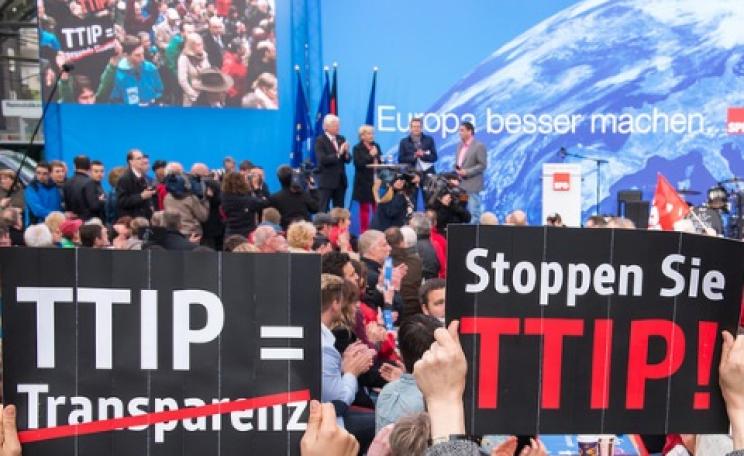
The EU-US TTIP trade agreement would 'protect investors' by giving them the right to sue national government for changes in the law that reduce their returns, writes Cécile Toubeau - putting an end to progress on environment and human development.
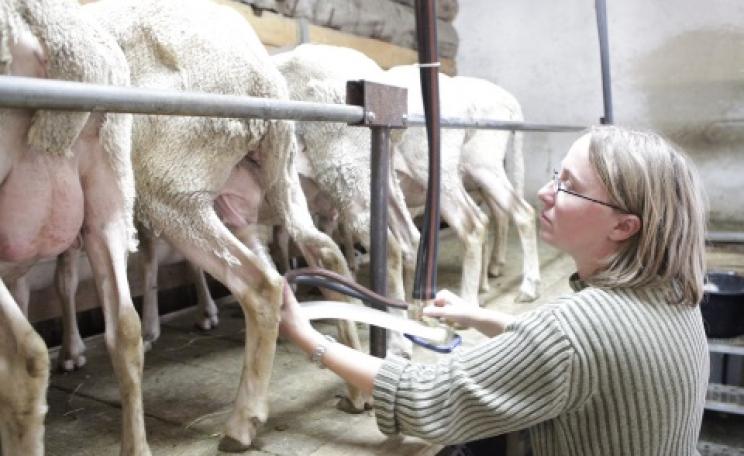
New EU regulations forbid the use of herbal remedies and plant essences to maintain animal health instead of antibiotics, reports Sandra Saadi. An organic ewe breeder in France has already been threatened with the loss of EU farm support payments.
A new scientific paper presents the radiation produced by fracking as 'natural' and harmless. But it's based on sketchy data, hyperbolic statistics and questionable assumptions, writes Paul Mobbs. Is it an attempt to stifle an essential public debate?
Blaming 'lack of time', Syngenta withdraws its emergency application to use a seed treatment blamed for killing bees. Friends of the Earth and 38 Degrees claim victory - but Syngenta warns: we'll be back!
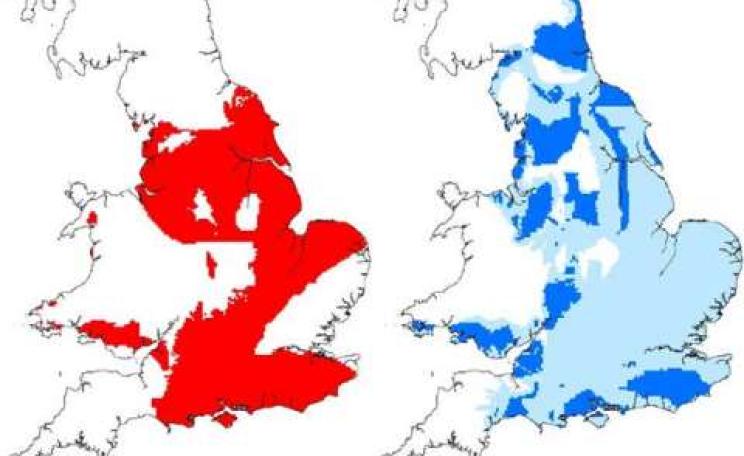
A study by the British Geological Survey and the Environment Agency reveals that almost all the the oil and gas bearing shales in England and Wales underlie drinking water aquifers, raising fears that widespread water contamination could occur.
Thirty-five distinguished scientists urge the US-EPA not to register new mixtures of the herbicides 2,4-D and glyphosate, intended for use on herbicide-tolerant GMO crops. Approval of the herbicide mixtures would endanger both human and environmental health.
Intensive grouse shooting on England's uplands is doing huge damage to fragile ecosystems, writes Martin Harper - and to the 'protected' hen harrier. It's high time to bring this industry under control with a new licencing system.
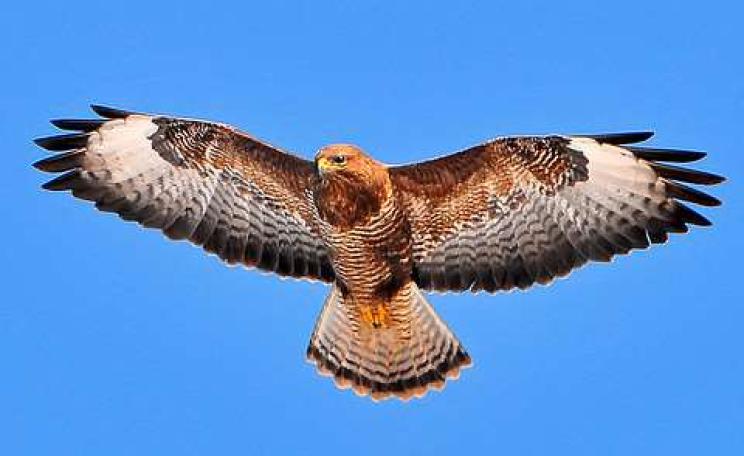
An application has been made to kill ten buzzards to protect pheasant poults at a game shoot. With buzzards only slowly returning to the UK after decades of persecution, writes Martin Harper, this and all similar applications must be rejected.
Tyrone Hayes has fought a 15-year battle with Syngenta following his discovery that its herbicide Atrazine scrambles sex in frogs, writes F William Engdahl. Now he wants to know - is Atrazine the cause of the US's 2-fold reproductive cancer excess among Blacks and Hispanics?
The EU's system for trading carbon emissions has cost consumers dear, while delivering few carbon reductions. Reforms are urgently needed, write Luca Taschini & Josh Gregory, and first among these is to open the market up to public scrutiny.
Organic farming has changed, but for the better, writes Soil Association head of policy and Norfolk organic farmer Peter Melchett. As never before, organic inspections are central to the delivery of environmental and animal care, and food you really can trust.
One the eve of the EU elections, 120 European campaign groups have rejected the TTIP trade negotiations between the EU and the US as a threat to democracy - and called on negotiators to ditch all, or at least key elements, of the proposed agreement.
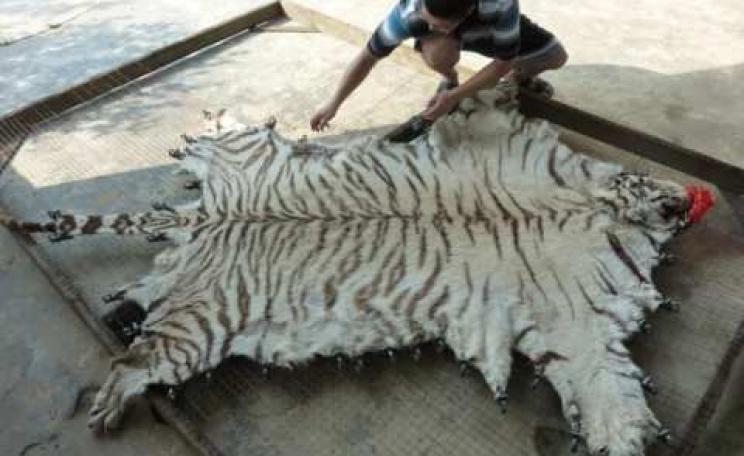
A little-known licensing scheme allows over 100 Chinese companies to trade in wildlife products like tiger skins, ivory, bear bile and musk deer glands. Vicky Lee shows how the system provides cover for the lucrative illegal wildlife trade to reach wealthy buyers.
Organic certification used to be carried out by real farmers in wellies, who knew all the tricks and could spot dodgy practice on the land at 100 paces, writes Julian Rose. Today's certifiers arrive in patent leather shoes and get no further than the office - and this is meant to be an improvement?
Cambodia's rainforests are facing destruction from clearance for plantations, and an illegal trade in precious timber, reports Fran Lambrick. Local people who depend on the forest have proved to be its most effective guardians - but they need external support.
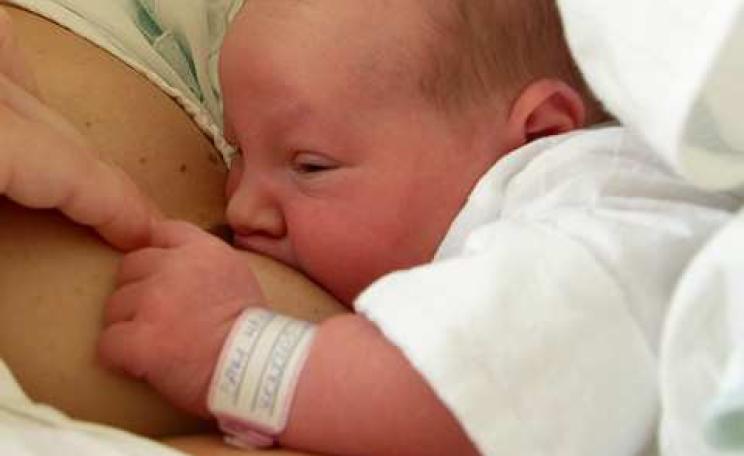
GM crops that resist herbicides are bringing ever higher levels of toxic chemical residues to our food, even mothers' milk, writes Pat Thomas. As the 'endocrine disrupting' effects take place at minute concentrations, there is only one answer - to keep the herbicides off all food crops.
Extensive, long running evidence for the cancer-causing effects of glyphosate, and other toxic impacts, have been ignored by regulators. Indeed as the evidence has built up, permitted levels in food have been hugely increased, writes Dr Mae Wan Ho.
A pilot study of American mothers' milk has found levels of the herbicide glyphosate around 1,000 times higher than allowed in European drinking water. Campaigners are demanding a ban on the use of glyphosate on food crops.
In the four years since the Deepwater Horizon blowout there's been a lot of regulatory activity, writes Jacqueline Lang Weaver. Yet the regulatory framework today is weak, complex, under-funded, industry dominated - and it's uncertain that the Gulf of Mexico is really any safer than in 2010.
The UK tried to make the EU relax its rules on State Aid to allow subsidies to nuclear power. Now we know - it failed. The chances that the Hinkley C power station will ever be built have fallen another notch.