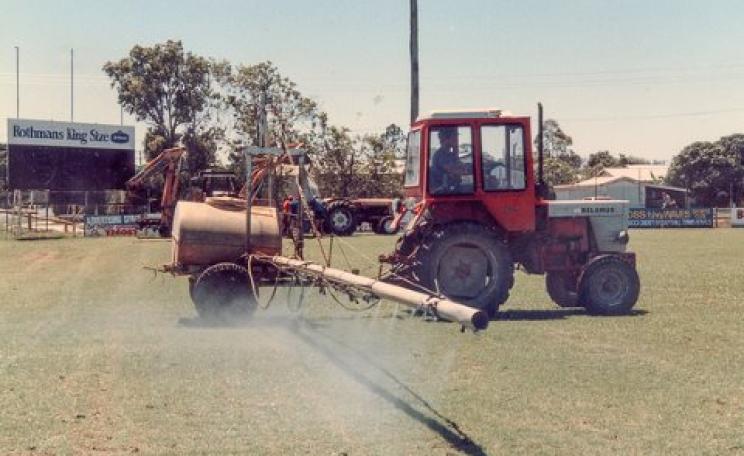
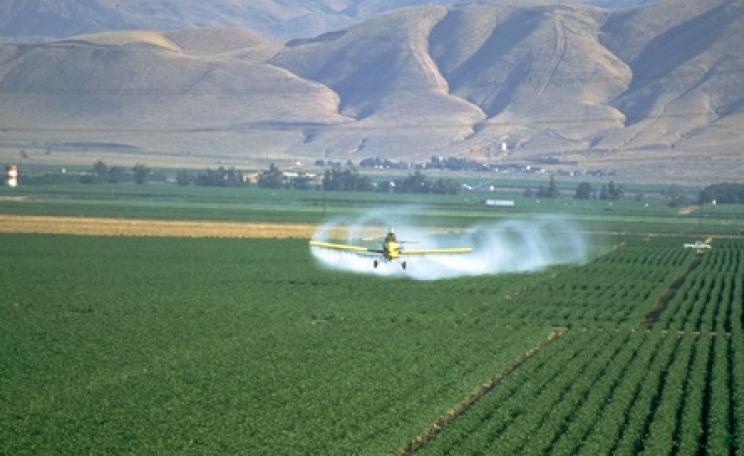
Dow's teratogenic pesticide chlorpyrifos is a human and environmental disaster, writes Janette D. Sherman. It causes serious, irreversible damage to the human foetus even at low concentrations that may be harmless to the mother, resulting in severely and permanently disabled and mentally damaged children. But it's still sprayed in vast quantities on America's farms.
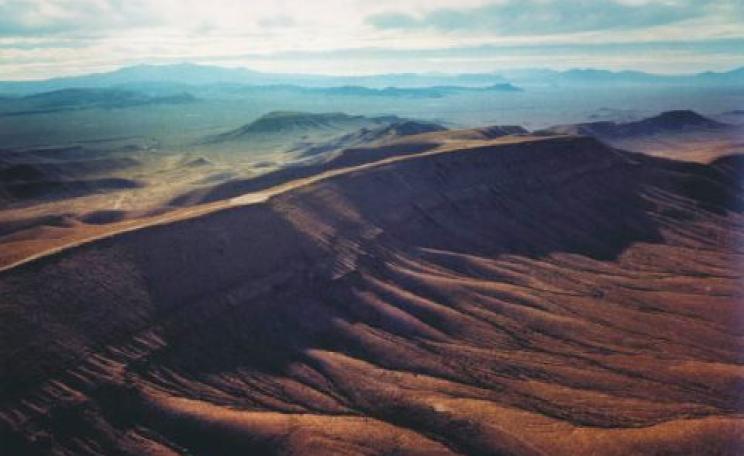
The Yucca Mountain radioactive dump may have been officially 'cancelled', writes John LaForge, and with very good reason. But like all those zombies out for Hallowe'en last night, it's not dead yet, as US nuclear regulators declare that the site perfectly meets nuclear waste storage requirements.
The US EPA has approved new GMO corn and soybean varieties resistant to both glyphosate and 2,4-D, writes Jim Goodman - and the highly toxic herbicide mix itself. In this latest escalation of the chemical war against nature there is one clear winner - Dow AgroSciences. But everyone else loses - farmers, consumers and our increasingly endangered wildlife.
Ebola and many other diseases have their origin in wild animals, writes Robert Young. The biggest opportunities for infection arises when people hunt and eat diseased animals, exposing themselves to their viruses and bacteria. To keep 'other ebolas' at bay, we must put an end to the bushmeat trade.
The outgoing European Commission has just given the UK's controversial Hinkley C nuclear project the go-ahead, writes Paul Dorfman - approving a deal that will cost the UK public tens of billions of pounds. But now the deal faces a legal challenge in the European Court of Justice.
There's a simple thing we can do to cut everybody's electricity bills, reduce pollution and 'keep the lights on' when demand peaks on dark winter evenings, writes Chris Goodall - phase out power-guzzling halogen bulbs and replace them with LEDs that use a fraction of the power. So let's do it!
A huge EU-US trade and investment deal may not be quite so dangerous as its opponents portray it, writes Gabriel Siles-Brügge - but it still represents a serious threat to governments' ability to regulate for the benefit of citizens and environment, and would entrench 'competitive' markets in public service provision.
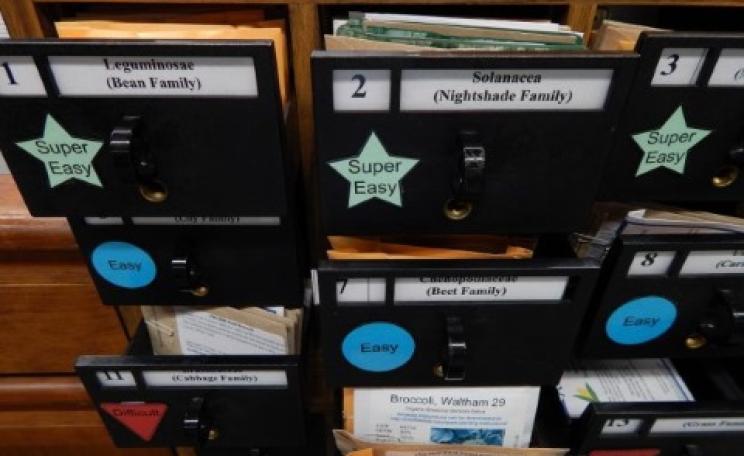
Seeds are essential to our food and our entire lives, writes Rowan Phillimore. So join in celebrating and sharing them at a series of events this month in London, Bristol, Devon, Oxford, Lancaster, Herts - and begin the fightback against corporate domination of seeds and oppressive government regulation.
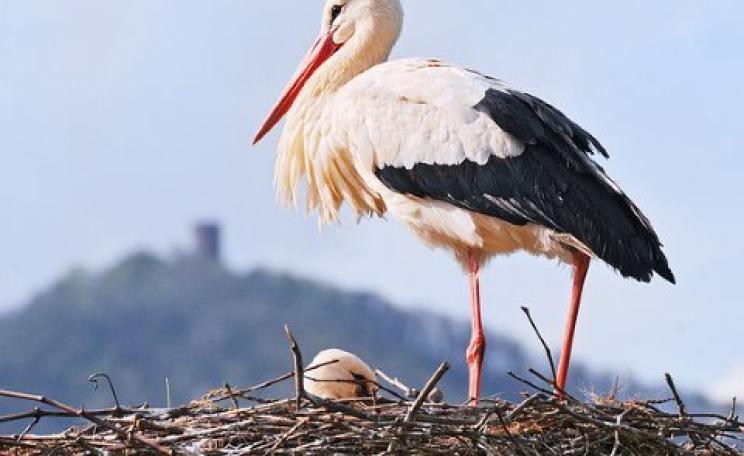
Shocking events have taken place in Malta as hunters - angered by a temporary closure of the bird-shooting season - attacked bird watchers, writes Steve Micklewright. But with a Maltese politician taking on the role of Environment Commissioner, the real battle lies ahead: the survival of the Birds Directive.
In a rare 'summary judgment' a federal court has ruled that the devolution of gray wolf protection to the state of Wyoming was unlawful because it was based on non-binding assurances. Federal protection is restored - for now. But an even bigger battle lies ahead.
The proposed structure of Juncker's new European Commission sidelines sustainability issues and risks undoing years of environmental legislation. The European Parliament must now block his deregulatory assault on the EU’s climate, energy, biodiversity, pollution, chemicals and environmental health policies.
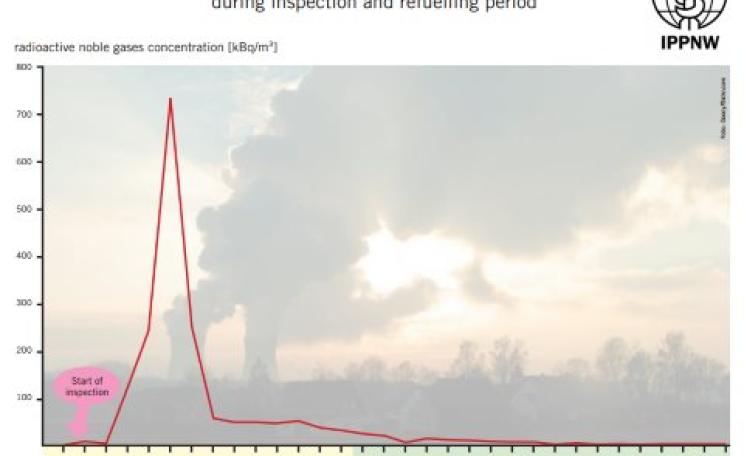
When nuclear reactors are refueled, a 12-hour spike in radioactive emissions exposes local people to levels of radioactivity up to 500 times greater than during normal operation, writes Ian Fairlie. The spikes may explain infant leukemia increases near nuclear plants - but operators provide no warnings and take no measures to reduce exposures.
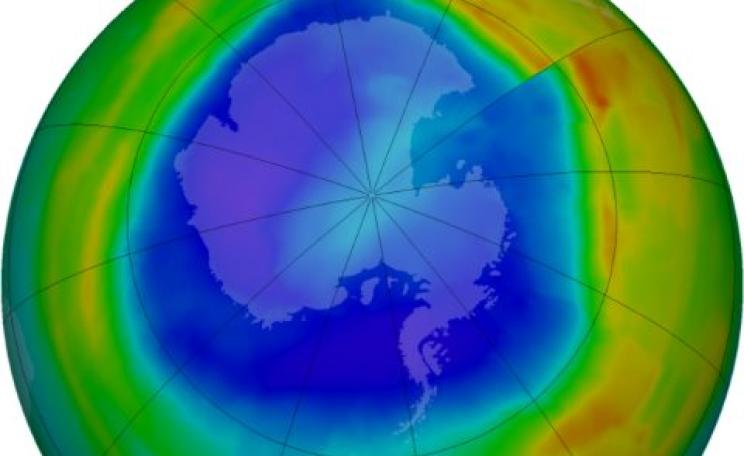
Thirty years after the UN took action to save the ozone layer, we can count the benefits - which only begin with 2 million fewer cases of skin cancer a year, writes Nigel Paul. With world leaders taking on the much greater climate challenge today, we should take cheer, and inspiration, from that historic success.
Gas flaring of natural at shale oil wells is carried out on such a scale in North Dakota and Texas that 'phantom cities' show up at night in satellite photos, writes Sharon Kelly. Billions of dollars worth of gas are going up in smoke, adding to CO2 emissions - but far worse for the climate is when the gas is 'vented'. Regulators are doing too little, too late.
The widely used herbicide glyphosate has been judged 'safe', write Pete Farrer & Marianne Falck. But by the time it's used, it's in a 'formulation' with toxic surfactants, which escape EU regulation despite their known dangers. Germany alone has forbidden the use of the most dangerous surfactant - but is keeping its evidence secret.
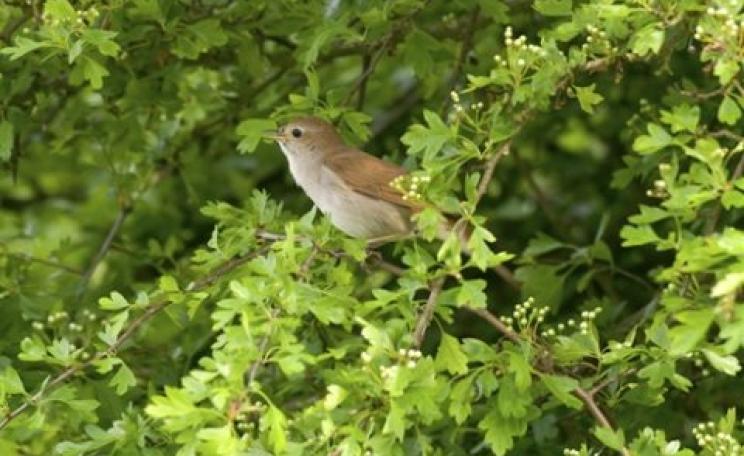
A 5,000-house development has just won planning permission on a SSSI nature area in Kent which is home to over 1% of the UK's nightingales. It violates government planning policies, and ministers have the power to stop it. But will they? Yes they will, writes Martin Harper - provided enough people show they care!
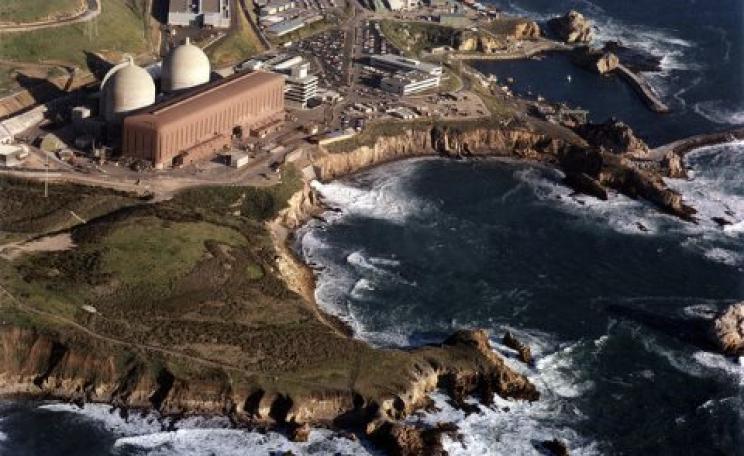
A newly-exposed report by Diablo Canyon's lead nuclear inspector shows that the twin reactors are unsafe, writes Karl Grossman. An earthquake on nearby geological faults could trigger a Fukushima-scale accident causing 10,000 early fatalities. The owner's response? Apply to extend the site's operation for another 20 years.
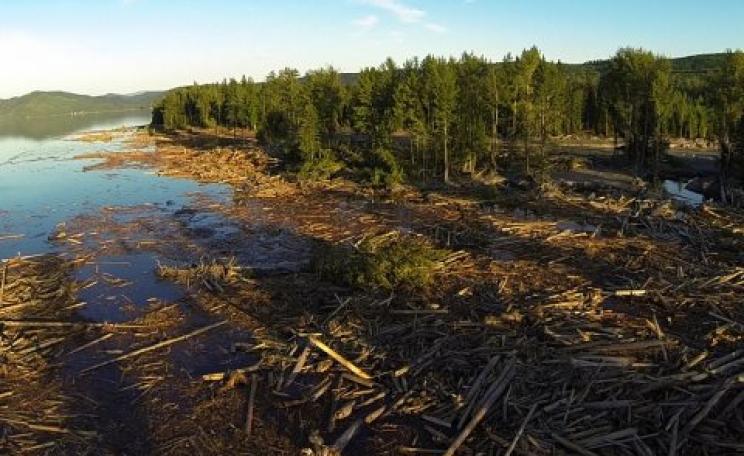
This month a tailings dam at the Mount Polley mine in BC breached, writes Carol Linnitt - spilling 14.5 billion litres of toxic mine waste into Quesnel Lake. A major source of freshwater and one of BC's premier fly-fishing destinations, the lake will never be the same again. But it's just the first big victim of Canada's wave of environmental de-regulation ...
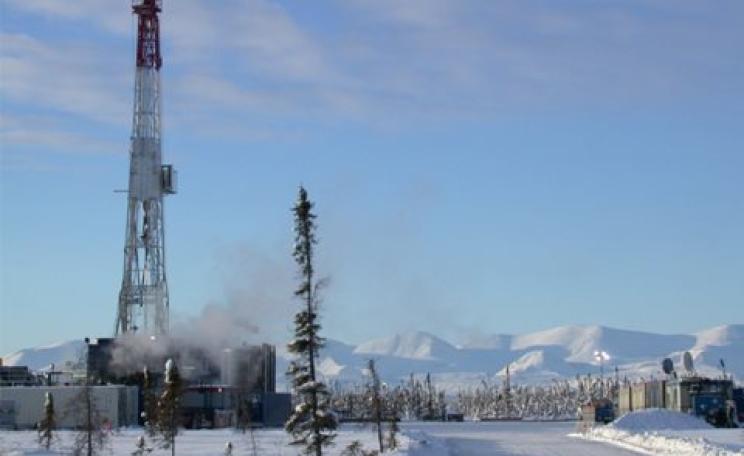
Hydraulic fracturing is roaring ahead in the Canadian Arctic, writes Ed Struzik. Companies are competing to exploit the Northwest Territories' 2-3 billion barrels of shale oil, as the NWT government ignores calls from indigenous nations and scientists for a moratorium on fracking pending an open review of its impacts.
Hawaii's salt-water aquarium trade is lucrative - but depends on the constant, scarcely regulated collection of wild fish, writes Elizabeth Claire Alberts. With 98% of fish in the trade taken from the wild, and high mortality rates from the moment of collection, Hawaii's coral reefs are experiencing a daily massacre.
The US is poised to 'deregulate' GMO corn, soybean and cotton varieties resistant to the herbicides 2,4-D and dicamba. The result will be a big increase in the use of those herbicides, as high as 600%. Only a huge public outcry can now stop the GMO-herbicide juggernaut.
A Pennsylvania seed library stands accused of 'agri-terrorism' over alleged breaches of the Seed Act 2004, reports a bemused Kevin Carson. Have USDA and state agriculture departments become the enforcement branch of the agribusiness crime syndicate?
Missouri voters have narrowly passed a 'right to farm' amendment to the state constitution. But small farmers already enjoy such rights, writes Ben Whitford. The beneficiaries will be industrial-scale corporate producers who now have a legal shield against regulation on GMOs, pollution, animal welfare and health standards - and, of course, the lawyers.
New regulations on animal slaughter are in force across Russia, writes Georgy Borodyansky, with devastating effects on small farmers and consumers, who face a three-fold hike in the price of meat. Will the 'health and safety' madness destroy Russia's main producers of wholesome food?