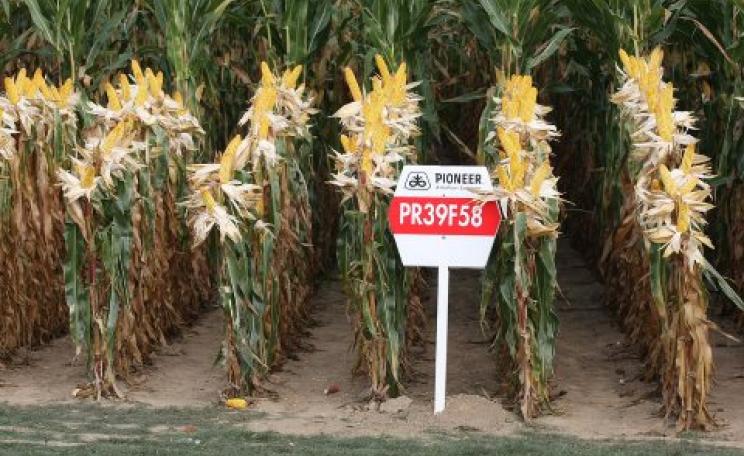
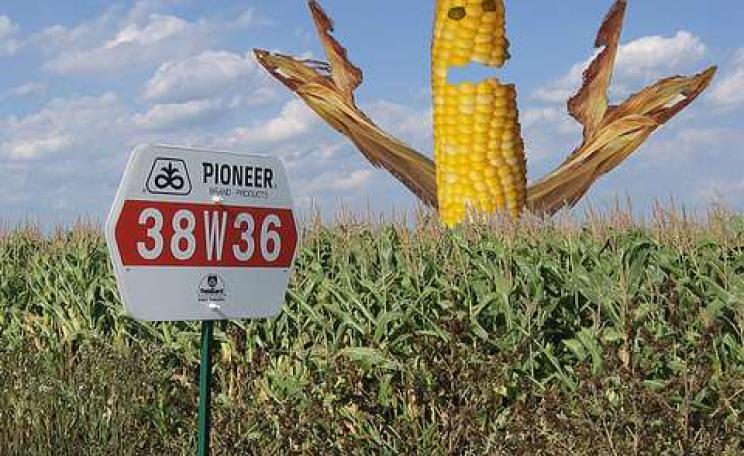
Thanks to pro-GMO politicans and lobbying by powerful agribusiness interests the UK and other EU countries may soon find supermarket shelves flooded with GM foods, both imported and home grown, writes Linda Kaucher. We must press parliamentary candidates now to defend us from this serious and long-term debasement of our food and farming.
Ever since its creation in 1970 the US-EPA has been a failing organization, writes Carol Van Strum in her review of 'Poison Spring' - serving the corporations it was there to regulate, falsifying data, suppressing the truth about pesticide toxicity, and crushing whistleblowers.
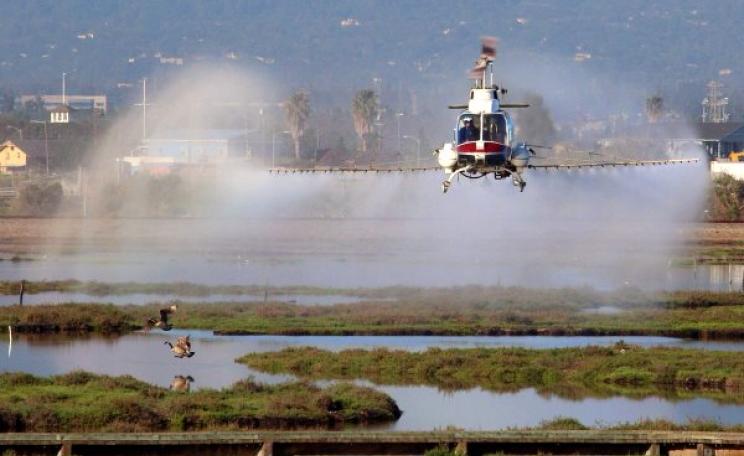
The US Environmental Protection Agency has just failed farm workers and their families by refusing to ban a neuro-toxic pesticide that causes severe brain damage in utero and to exposed children, writes Patti Goldman - imposing only weak, inadequate restrictions based on flawed science. It must do better!
The history of genetically modified food has been one of systematic deception and fraud by corporations, scientists, media and regulators, Steven Druker writes in his remarkable new book. Jane Goodall finds the story by turn fascinating, chilling, distressing and ultimately, hope-inspiring.
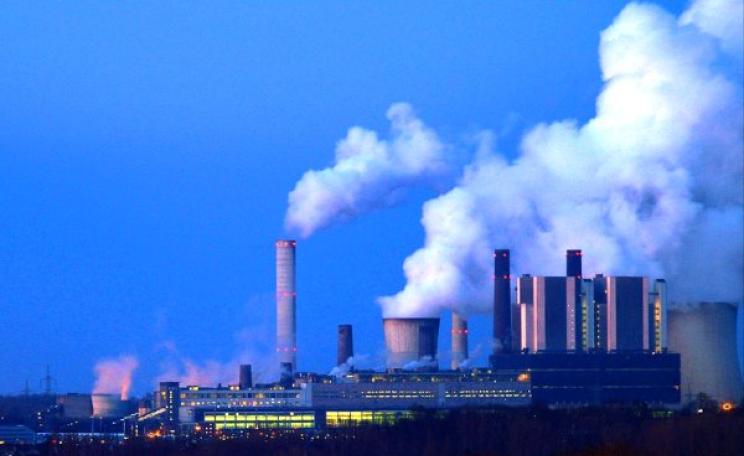
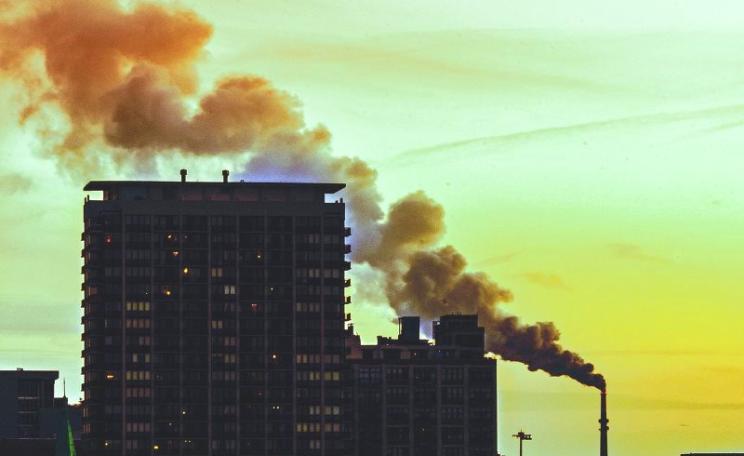
Coal is Europe's biggest source of mercury and sulphur pollution, writes Kyla Mandel, killing tens of thousands of people a year. So how come more than half the members appointed by EU governments to set air pollution standards for coal plants are industry representatives?
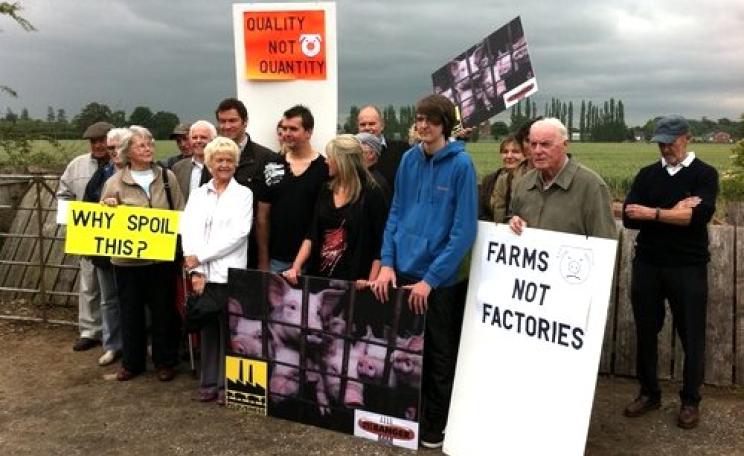
A proposed factory farm at Foston, Derbyshire, condemned by locals as a 'pig prison' for 25,000 animals has been refused a permit by the Environment Agency because of the powerful stench it would emit and potential risks to health and the environment.
As scientific evidence grows of the many ways in which glyphosate - pipe-cleaner, herbicide and antibiotic - damages the environment and health, governments and regulators turn a blind eye, writes Dr Eva Sirinathsinghji, and the EU has even raised allowable residue levels. It's time for us all to put bans in place wherever we can!
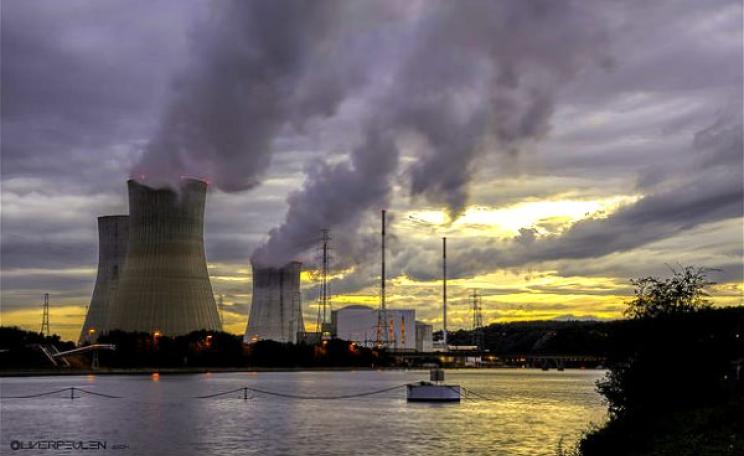
The discovery of over 16,000 cracks in two Belgian reactor vessels may have global implications for nuclear safety, says the country's nuclear safety chief. He and independent experts are calling for the immediate checks of nuclear reactor vessels worldwide.
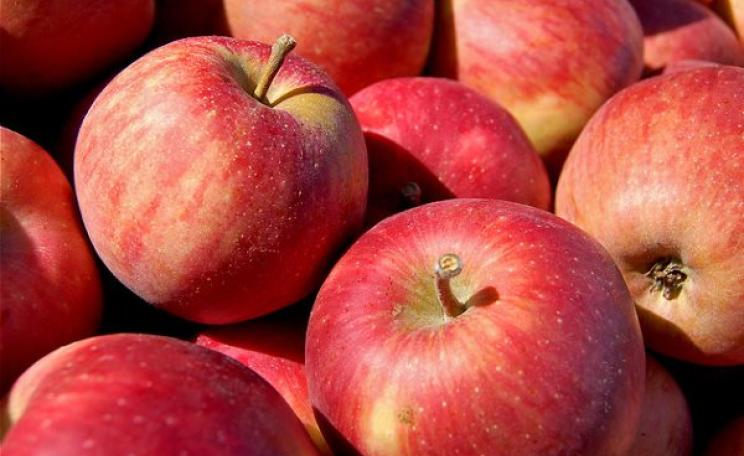
Scientists, environmental and consumer groups have decried USDA's approval of two 'Arctic' apple varieties, while major food companies and apple growers have no plans to source or grow them - despite their potential to 'generate consumer excitement in the apple category.'
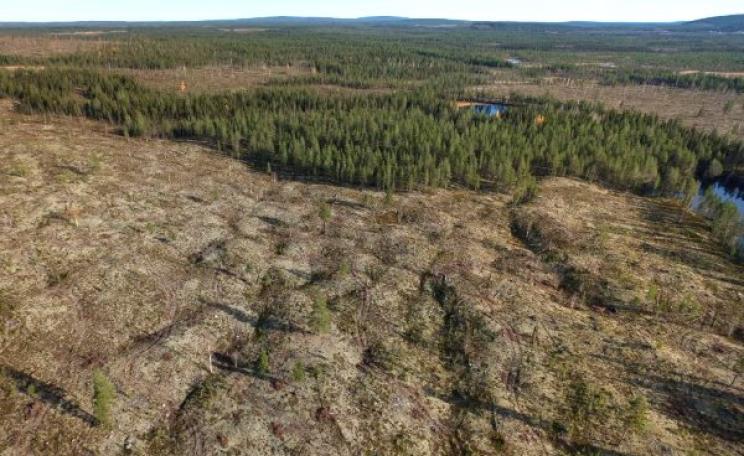
Sweden's biodiverse ancient forests will be largely wiped out within two decades, writes Alec Forss - and along with it will go thousands of species that depend on mature forest ecosystems. But with powerful logging companies riding roughshod over the law, regulators, politicians and certifiers, who is to stop the destruction before it's too late?
Trawlers in an MSC-certified 'sustainable' lobster fishery producing have been caught in the act of using illegally modified nets to target valuable cod. The MSC has been notified but considers the evidence insufficient to act, so the lobsters still carry the MSC label.
The government's relentless drive to frack Britain is an affront to our democratic traditions, John Ashton, the UK's former top climate diplomat, told an enthusiastic audience at an anti-fracking demo outside Parliament this week - and now it's up to us all to make it a core issue in the forthcoming general election.
While the fossil fuel industry and Republican states and senators step up legal and political challenges to Obama's Clean Power Plan, protests have also been flooding in to the EPA's ten regional offices from climate activists - demanding that it cut out dirty biofuels and 'carbon trading' loopholes, and protect vulnerable communities from fossil fuel pollution.
Indonesia appears to brought rainforest logging under control - but it's all a huge illusion, according to a new EIA report. Traditional logging has been replaced by the mass clearance of rainforest for oil palm plantations, creating massive supplies of hugely profitable but often illegal timber. And lurking beneath the surface is a pervasive network of criminality and corruption.
A fierce dispute is raging over whether glyphosate, the world's biggest weedkiller, causes cancer, writes Arthur Neslen. The row has pitched EFSA, the EU's food regulator, against 96 of the world's top medical scientists - and comes shortly before the EU is to decide on renewing glyphosate's licence.
Following a disgraceful EU stitch-up, the European Parliament today passed a law permitting EU-wide GMO crop cultivation. With regulation and safeguards devolved to member states, and only limited 'opt-out' rights, it is a recipe for chaos that GM corporations will ruthlessly exploit.
Bangladesh's Sundarbans forest, home of incredibly rich biodiversity, is under unprecedented threat, writes ASMG Kibria. The recent oil tanker capsize on the Shela river puts the forest at risk of widespread biodiversity loss, but just this week, the authorities re-opened the Shela river to shipping with no restrictions on hazardous cargoes.
The Government is preparing 'rules' that will enable the planting of GM crops in the UK as soon as 2017, writes Lawrence Woodward. A ministerial letter also signals a significant weakening of GMO safeguards compared to the Tories' 2010 manifesto. Now is the time to exert maximum pressure and fight off a planned GMO invasion.
Disaster threatens England's nightingales, already down 90% in 40 years, if ministers fail to block a plan to build 5,000 homes on SSSI breeding site in Kent. But as Robin McKie writes, the government is showing no sign of intervening, as campaigners warn of an 'open season' for development on our most important wildlife sites.
As Cameron 'cuts the green crap' Paul Mobbs remembers how the decisions of a Conservative government 20 years ago to go easy on the owners of contaminated land and old waste dumps have led to present day blight, ill-health and death. Now brow-beaten regulators and politicians in hock to party funders are doing it all over again.
A key element of the TTIP is the deregulation genetically modified seeds and plants for cultivating in European soils, writes Julian Rose. This alone is reason enough for us to reject it - but it's only the beginning of a huge power grab that would make our governments more accountable to corporations, than to people.
After an apparent cave-in to Europe's pesticide industry, the European Food Safety Authority's latest guidance on pesticides conflicts with European law, writes Georgina Downs - by ignoring the real-life agrochemical exposure of rural residents. Commission President Juncker must step in and demand the withdrawal of this disgraceful document.
Last February's explosion at the WIPP dump for long-lived intermediate-level nuclear waste from the US's nuclear weapons program remains unexplained, writes Jim Green. But with the site's history of ignored warnings, 'missing' safety culture, lack of supervision and dubious contractor appointments, it surely came as no surprise - and further accidents appear inevitable.
The UK's community energy sector was badly hit by the financial regulator's sudden decision this summer to disallow renewable energy co-operatives, writes Tammy Calvert. A consultation on the topic ends tomorrow, Friday - so get your views in quickly while you can!