Large, older trees have been found to grow faster and absorb carbon dioxide more rapidly than younger, smaller trees, writes Adeshola Ore - contrary to the previous view that trees’ growth slowed as they developed.
Science must break free from the stifling grip of luxury journals, argues Randy Schekman. The future of scientific publication lies with online, 'open access' journals which make science available to all.
Following the retraction of the Seralini et al scientific paper which found health damage to rats fed on GM corn, over 100 scientists have pledged in this Open Letter to boycott Elsevier, publisher of the Journal responsible.
The pro-GM lobby has sought to take the 'scientific high-ground' by positioning itself as the voice of reason and progress, while painting its opponents as unsophisticated 'anti-science' luddites. In a scathing response Peter Melchett turns the tables
The greatest challenge facing agricultural scientists is how to work with farmers producing more ecological and healthier food - not GM, argues Patrick Mulvany, chair of the UK Food Group and advisor to Practical Action
A low carbon Britain rests on the electrification of our energy supply. But new research by the University of Surrey has highlighted the challenges facing government, market and civil society-led pathways to reducing emissions
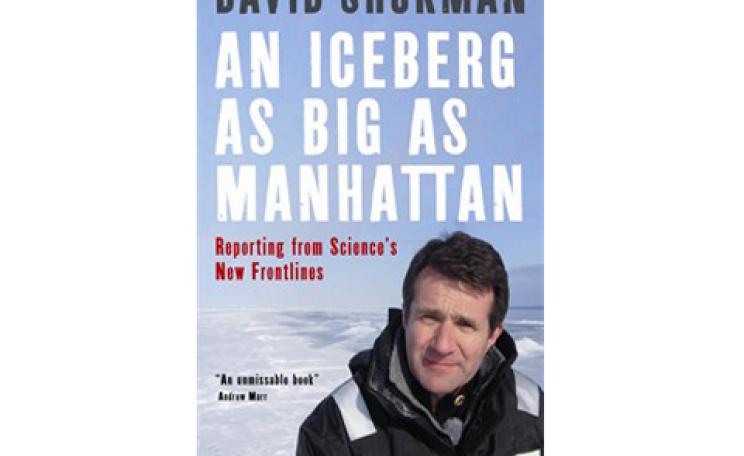
David Shukman’s book is both an entertaining collection of a journalist’s tales and the perfect introduction to the environmental challenges facing the world today, says Gervase Poulden
In a hard-hitting new investigation, Naomi Oreskes & Erik M. Conway report on the scientists prepared to distort the truth on the key issues of our time - from tobacco to climate change to coal fired power stations
Somebody somewhere has to have a cunning plan to fix our environmental problems and save the world – right? Jim Thomas sorts through the big tech ideas you’ll be reading about this year
A Vision for Science and Society, in today’s technological vista, sounds an honourable aim. Guy Cook reads between the lines of this new UK government paper
When a group calling itself Sense About Science launched its 'Science for celebrities' pamphlet in the national media last month, it was supposed to look like the long-overdue backlash of a normally passive science community to years of misinformation from ill-informed celebrities.
There is no stop button......in the race for human re-engineering. Science will soon give some of us the tools to make ourselves cleverer and stronger. What will it mean for humanity?
Nanotechnology has the power to affect every aspect of life on the planet. Here, the Ecologist presents the many claims of its promoters and outlines some of the major developments taking place now or in the near future. In response, some of it’s leading critics analyse the risks that nanotechnology poses in their various fields of expertise.
No more disability. Brain implants to boost intelligence. Ageing counteracted. The next stage of evolution or a nightmare we can never wake up from? Jim Thomas on ‘converging technology’.