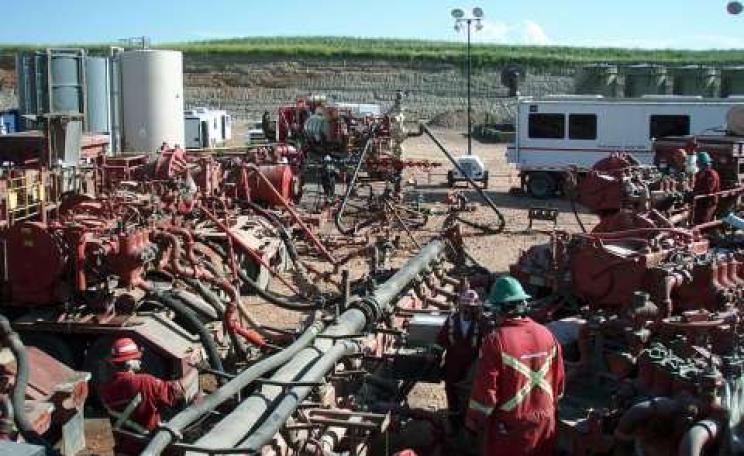
A new scientific paper presents the radiation produced by fracking as 'natural' and harmless. But it's based on sketchy data, hyperbolic statistics and questionable assumptions, writes Paul Mobbs. Is it an attempt to stifle an essential public debate?
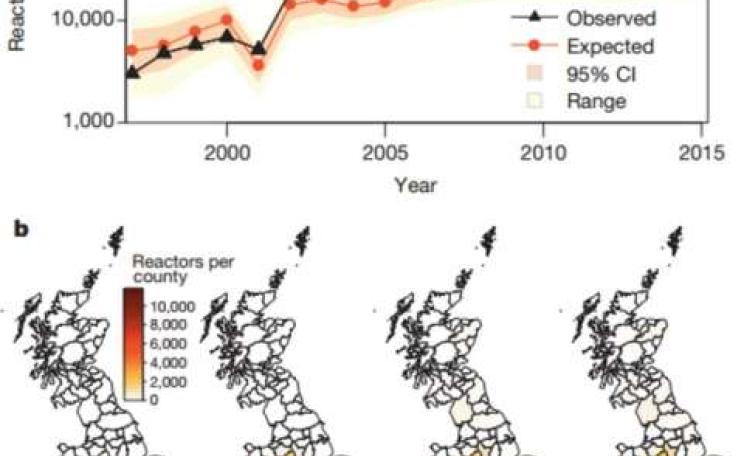
Published in Nature today, a new cattle herd model shows how bTB infects cattle and how to halt its spread, writes Matt Keeling. Most effective is the slaughter of entire herds with even a single TB infection detected. Culling badgers has very little impact.
The widespread use of neonicotinoid insecticides is causing a neurotoxic overload afflicting entire farm ecosystems from earthworms to bees, other pollinators and birds, writes Damian Carrington. A collapse in food production may inevitably follow.
Lord Smith's views on fracking betray an total ignorance of a large body of published, peer reviewed science that contradicts his conclusions, writes David Lowry - not to mention those of his political masters. Is 'groupthink' leading the UK astray?
The forced retraction of a study that identified serious harm to rats fed on GMO maize and Monsanto's 'Roundup' reveals a deep and systemic corruption of science and regulation, writes Gilles-Eric Séralini. Urgent and far reaching reforms must now take place.
A scientific study that identified serious health impacts on rats fed on 'Roundup ready' GMO maize has been republished following its controversial retraction under strong commercial pressure. Now regulators must respond and review GMO and agro-chemical licenses, and licensing procedures.
Why does the fracking lobby refuse to engage in open, public debate? Because, writes Paul Mobbs, it has already got its way, with the uncritical support of all the 'mainstream' media and political parties. You and I simply do not matter. So what are we going to do about that?
With Australia's still trying to 'de-list' 74,000 hectares of forest from the Tasmania Wilderness World Heritage Area, Kevin Kierman reminds us that it's not just about the trees. No less important are the area's unique geology, and ancient Aboriginal cultural sites.
A new GM bacterium can produce bioethanol from coarse switchgrass, rather than using food crops like maize, writes Tim Radford. It does this by 'digesting' the tough cellulose that yeasts are unable to break down.
A wholesale corruption of science underlies the UK Government's insistence that gas from fracking offers a 'low carbon', low cost route to energy abundance, writes Paul Mobbs. On the contrary: it's expensive, over-hyped - and just as bad for climate change as coal.
A huge turnout was recorded for the 2014 March Against Monsanto, with protests in over 400 cities in 52 countries and 47 US states. Dr Mae Wan Ho says this worldwide movement will keep on growing, until Monsanto and its toxic products are defeated.
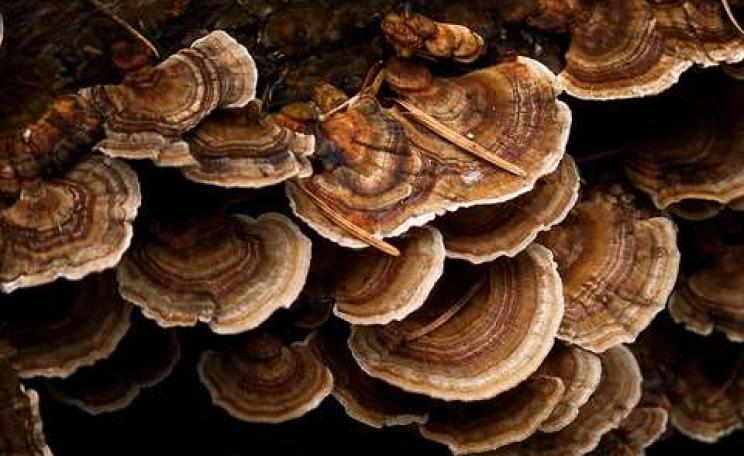
A new system for cleaning soils contaminated with industrial toxins harnesses the power of White rot - a common fungus that decays fallen wood in forests. Research in Finland shows it can also destroy dioxins and poly-aromatic hydrocarbons.
The North Sea's 'Dogger Bank' was once dry land, inhabited by people and herds of Pleistocene megafauna, writes Vince Gaffney. The long-lost world of Doggerland shows how melting glaciers drowned land at the end of the last ice age. And surely not for the last time ...
Extensive, long running evidence for the cancer-causing effects of glyphosate, and other toxic impacts, have been ignored by regulators. Indeed as the evidence has built up, permitted levels in food have been hugely increased, writes Dr Mae Wan Ho.
It was 28 years ago today that Reactor 4 at the Chernobyl nuclear plant in Ukraine ruptured and ignited, sending a massive plume of radiation across Europe. Jim Green assesses the scientific evidence for how many people died as a result of the catastrophe.
Just why do giant pandas find it so difficult to mate? It's because they're in captivity, and so little of their wild habitat survives. But in Edinburgh zoo, writes Forbes Howie,
scientists are hard at work to get Tian Tian pregnant ...
The Grizzly bear hunting season is under way in British Columbia, Canada. The government claims that the decision to open the hunt and the kill quotas are 'science-based' but as Kyle Artelle writes, science doesn't get a look in - and the Grizzlies' are in serious danger.
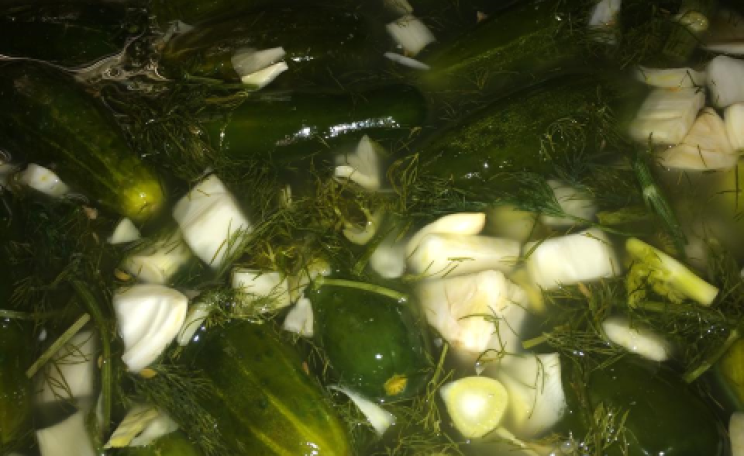
Fermentation is far more than a way to prepare diverse, delicious and wholesome food, writes Joanna Wright. It is a means for us to connect with the ancient past, with the world around us, and with our own selves. Are you ready to try it?
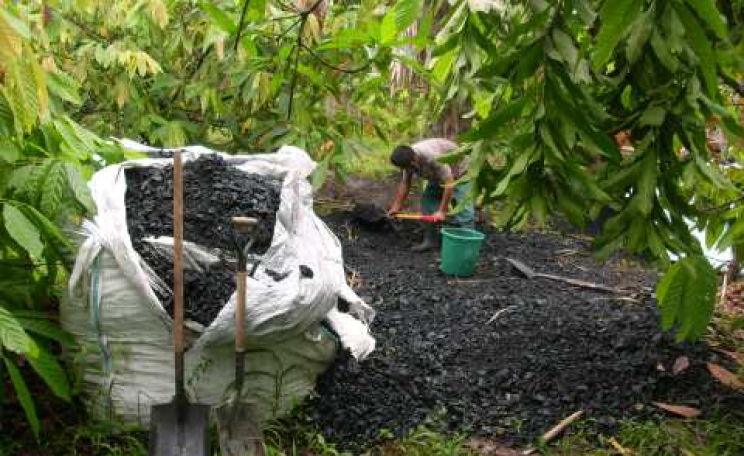
New research shows that biochar in soil strongly stimulates plant growth, more than doubling yields. However the extra growth may come at the cost of reduced plant defences against pests.
As the UK Prime Minister welcomes the recommendations of his science advisors to 'go it alone' in Europe and embrace GMO crops, Pat Thomas wonders - whatever happened to the Precautionary Principle?
The long-term effects of synthetic chemicals used in packaging, food storage and processing food could be damaging our health, scientists have warned. Jo Adetunji reports.
The established wisdom that 'high in polyunsaturates' means healthy, and that saturated fat and cholesterol are the way to an early grave, lack any supporting scientific evidence, writes David Brown. Indeed the truth appears to be the precise reverse: over-consumption of the omega-6 polyunsaturate linoleic acid is causing untold harm to our health and wellbeing.
The UK's main environment research funding agency has signed a partnership agreement with Shell to ensure the research it funds 'can be fully used' by the oil giant.