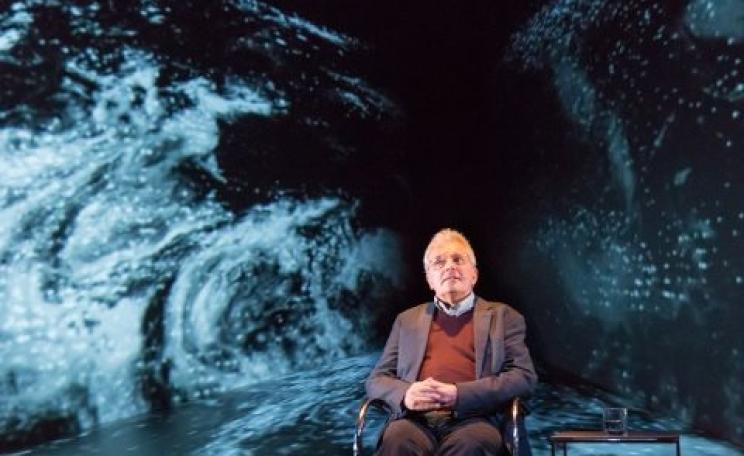
A spellbinding solo performance by veteran climate scientist Chris Rapley at London's Royal Court puts the climate debate centre stage, writes Tim Radford - and earns the admiration of hard-to-please theatre critics.
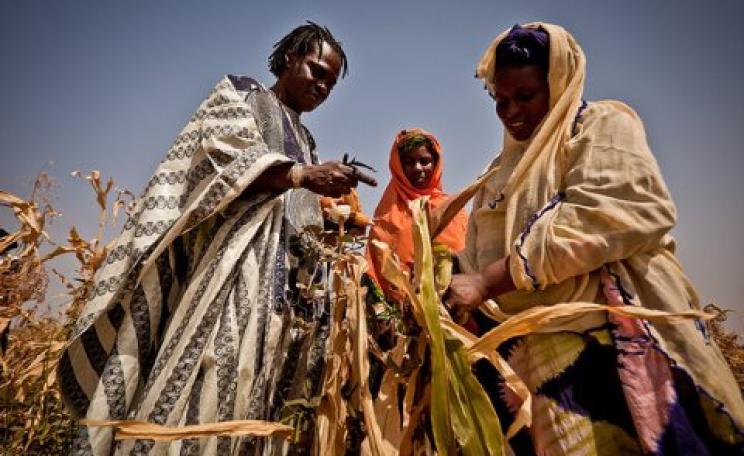
The Gates Foundation is spending half a billion dollars a year to 'feed the world', most of it aimed at Africa. But as GRAIN discovers, it is imposing a model of high-tech, high-input 'green revolution' farming, complete with GMOs, agro-chemicals and a pro-business neoliberal agenda, all in in alliance with corporate agriculture.
Papers reluctantly released by the UK Government in the bomb test veterans' legal case for compensation reveal what it has long denied, writes Chris Busby - that bomb fallout is rich in uranium, and that most of its radioactivity is concentrated in the 'forgotten' but highly active isotope U-234, explaining much of the substantial, long term damage to veterans' health.
Keith Barnham's new book reveals the giddying and glorious plethora of the solar technologies that lie at the heart of the all-renewable energy system that awaits us, writes Jonathan Porritt - making it 'one of the most exciting and genuinely hopeful books' that I've read in a long time'.
Just as 2014 is looking like going down as the hottest year since records began, motor-mouthed climate change deniers are shrinking into the shadows, writes Richard Heasman.
Science is to corporate science as Hyperion to a satyr, writes Ralph Nader. And there is no better example of this than Monsanto's realm of GMOs, biocides, super-aggressive lawyers and tame regulators - brilliantly exposed in this new book of essays, edited by Sheldon Krimsky and Jeremy Gruber.
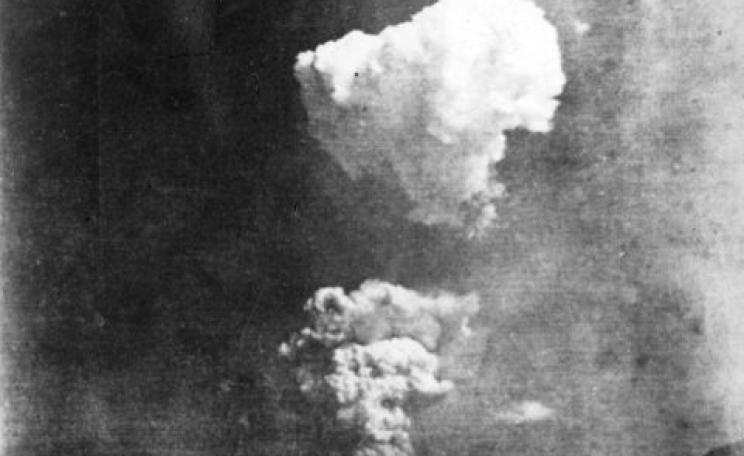
The world has been the victim of a monstrous scientific error that has understated the dangers of radiation, writes Chris Busby. Following the Hiroshima nuclear bomb, investigators used 'controls' who had been exposed to high levels of 'black rain' fallout to understate the health impacts of radiation. This bogus science still underlies risk models today.
The first ever global life-cycle assessment of clean energy sources shows that a renewable system could supply the world's entire electricity needs by mid-century, writes Tim Radford.
The global homogenisation of food carries costs, writes Sayed Azam-Ali - notably the world's the increasing dependence on just a few 'elite crops', creating a precarious food system vulnerable to climate change. We must diversify our diets, and the crops that that feed us.
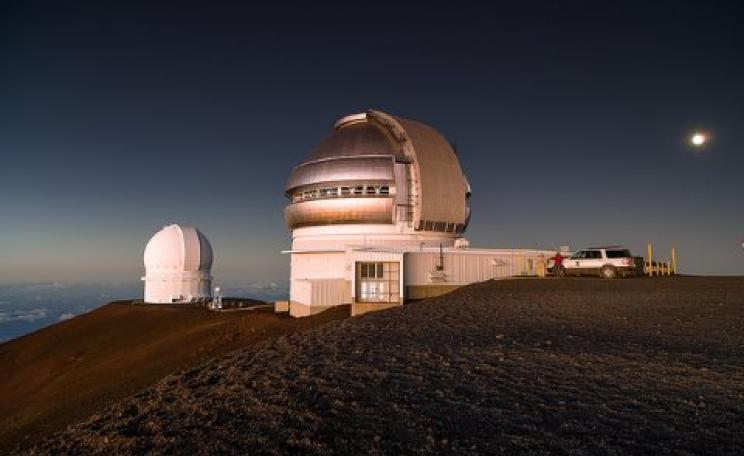
Native Hawaiians and others are gathering today for a peaceful protest at the ground-breaking ceremony for a huge new telescope on the 4,207 meter summit of Hawaii's 'sacred mountain', Mauna Kea.
Reports show that traditional breeding techniques are years ahead of GM technologies in developing crops to withstand drought and poor soils, writes Lawrence Woodward. Yet GM advocates are sticking rigidly to their script even as the evidence mounds against them ...
A health study in Pennsylvania, USA, shows that people living near fracking and other natural gas wells are more likely to suffer from skin conditions and upper respiratory symptoms. It calls for further study of the associations, including the role of specific air and water exposures.
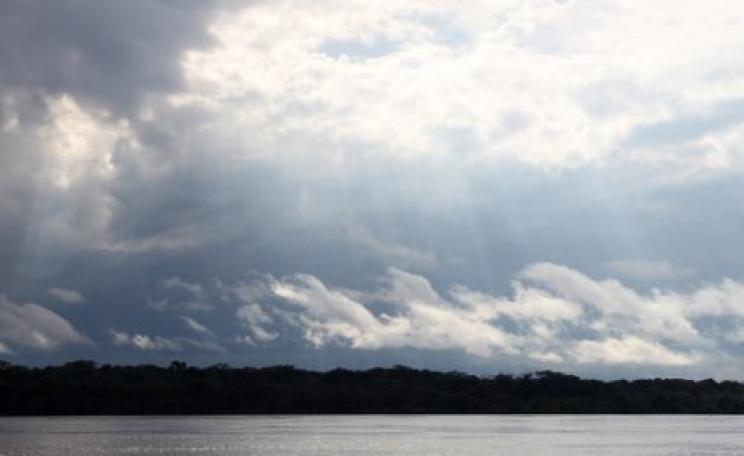
The Amazon forest both depends on, and sustains, vast 'flying rivers' that carry humid air and clouds deep into the continental interior, writes Jan Rocha. But scientists fear the flying rivers are failing due to deforestation, fire and climate change.
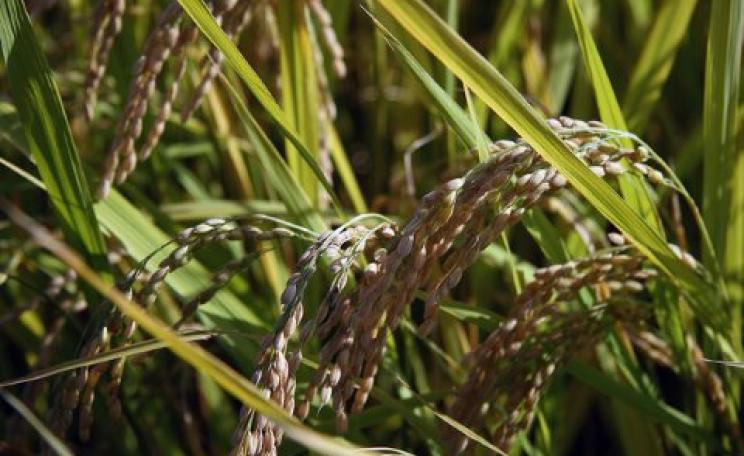
Research on the biological effects of radiation near the Fukushima nuclear disaster site finds a powerful response in rice seedlings, writes Gregory McCann. The discovery will do nothing to boost consumer confidence in resumed rice exports from the Fukushima region.
England's 2014 trial badger cull starts today - with no independent oversight, and no gathering of essential scientific data. The government's 'science-led' policy consists of asking scientists for help, writes Rosie Woodroffe - then completely ignore everything they said, and order them off the premises.
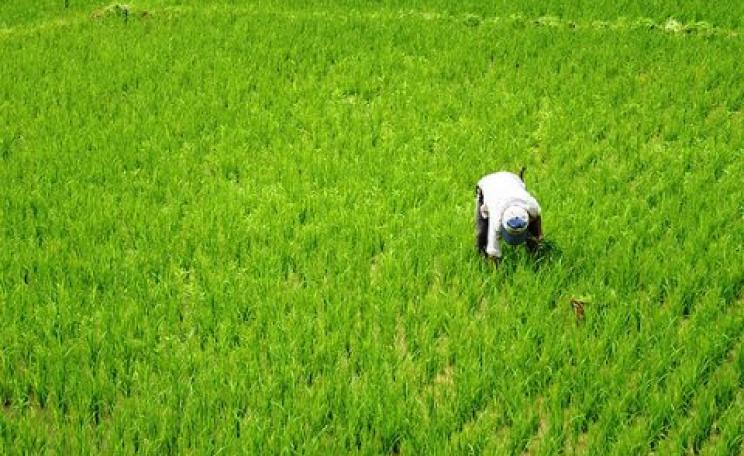
Farmers in the Bicol region of the Philippines have gathered to renew their fight against field trials of Golden Rice and halt moves towards its commercialization. But with last year's 'advanced' Golden Rice trials showing low yields, the prospect of a GR release is fast receding.
It was a great story, writes Andrew Lockley - scientists signing up to a 'Berlin Declaration' imposing an effective 'test ban' on outdoor geoengineering experiments. Except there was no declaration, and scientists never agreed to it. The world's media got it completely wrong, yet the mud will stick - and may cause severe harm in the fight against climate change.
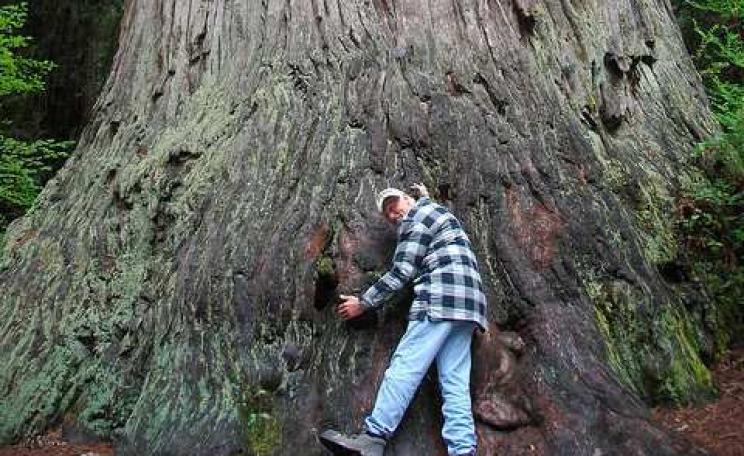
Trees in cities make us feel happier and more relaxed, writes Pat Thomas, but that's only the beginning of the benefits they confer. They also reduce air pollution, levels of asthma and other respiratory problems, and lower healthcare costs by $7 billion in the US alone.
Plastic pollution in the oceans is impacting every level of marine life, writes Kate Rawles, from micro-plankton to whales. And here is your chance to do something about it - join a research expedition to the Azores next month to study the problem and develop solutions!
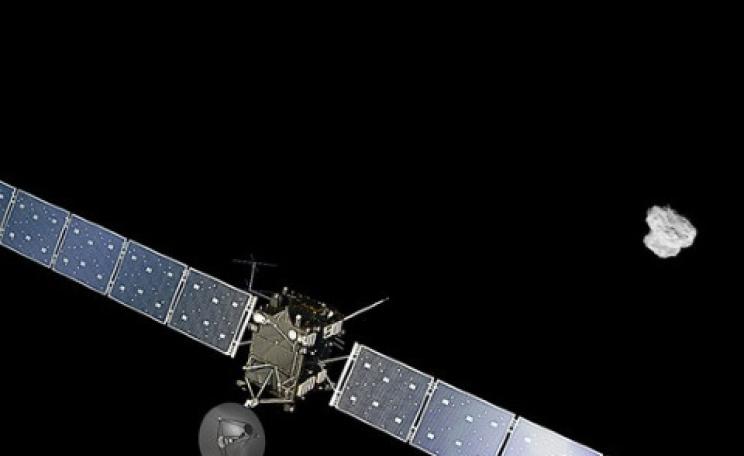
Deep space missions have previously run on nuclear power, writes Karl Grossman - and have twice showered Earth with radioactive debris. But the ESA's Rosetta probe, about to reach its destination, is 100% solar-powered - showing that space can be nuclear-free.
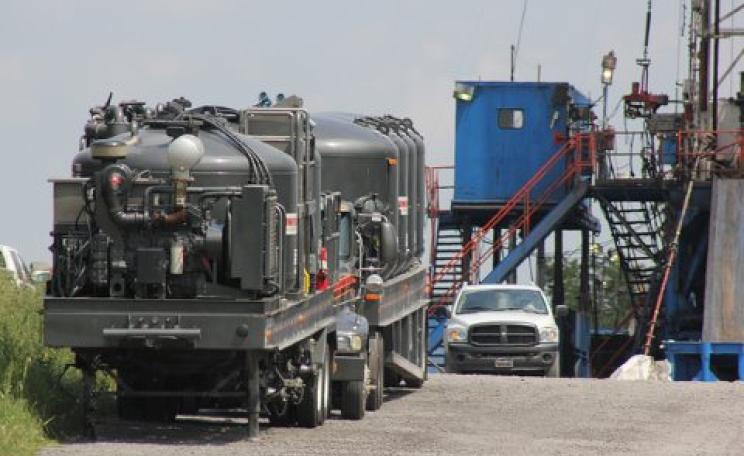
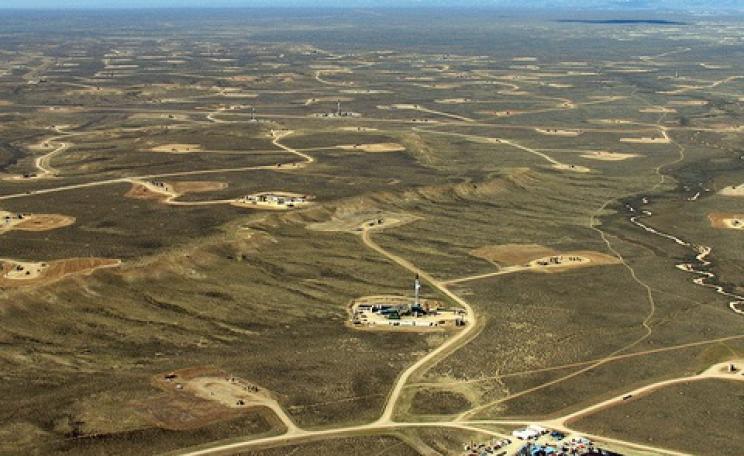
Among the risks of fracking are fragmentation of wildlife habitats, groundwater depletion, surface water pollution. The risks are compounded by a failure among companies and regulators to record or disclose essential information - from the chemicals used, to the time and place of toxic spills.
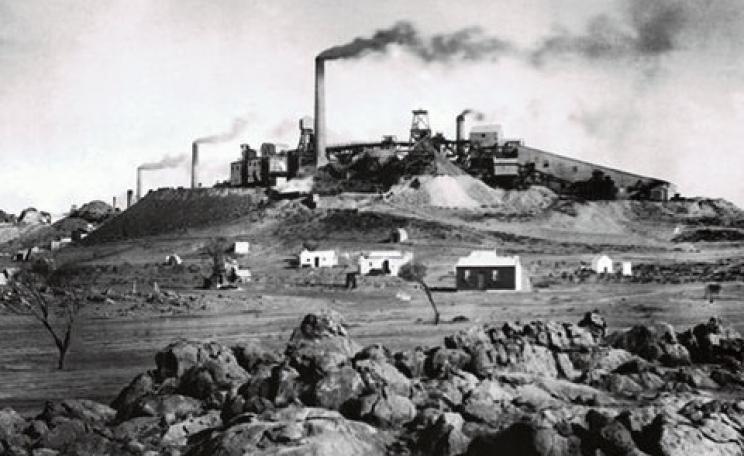
Ice core analysis shows that lead pollution in Antarctica took off in the 1880s as mining at Broken Hill, Australia, took off. Lead residues have fallen from their late 20th century peak, writes Joe McConnell - but they are still four times higher than in pre-industrial times.
Pesticide companies are responsible for assessing the safety of their products, writes Christopher N Connolly - and this situation cannot continue. The research should be carried out independently, subjected to peer review, and published.
'We need to look at the best scientific evidence' on badgers and bovine TB, says Environment Secretary Liz Truss. But as Lesley Docksey writes, the 'best scientific evidence' appears to mean only that which supports the cull - and there's precious little of it!