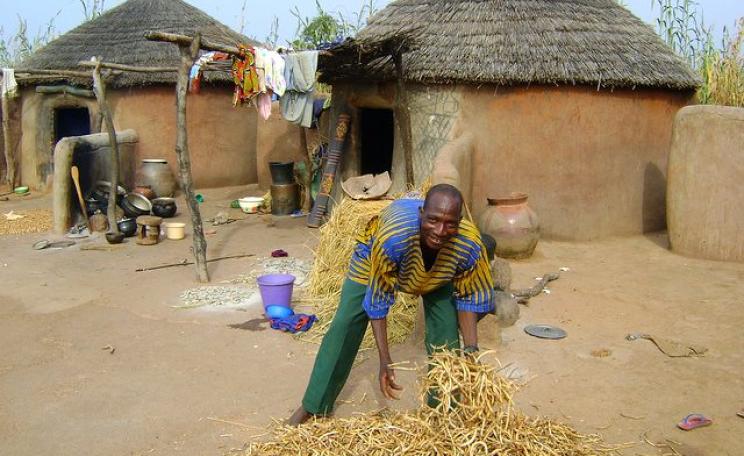
Thirty new heat tolerant varieties of bean - a staple food crop around the world's tropical regions - will help people survive in a world as much as 4C warmer that it is now, writes Alex Kirby - and look: no genetic modification!
The history of genetically modified food has been one of systematic deception and fraud by corporations, scientists, media and regulators, Steven Druker writes in his remarkable new book. Jane Goodall finds the story by turn fascinating, chilling, distressing and ultimately, hope-inspiring.
Rising temperatures will result in more snow falling in Antarctica, and the build-up of ice will reduce sea level rise from other sources. But as the extra weight of ice makes Antarctica's glaciers flow faster, the continent will still be a net contributor to sea level rise.
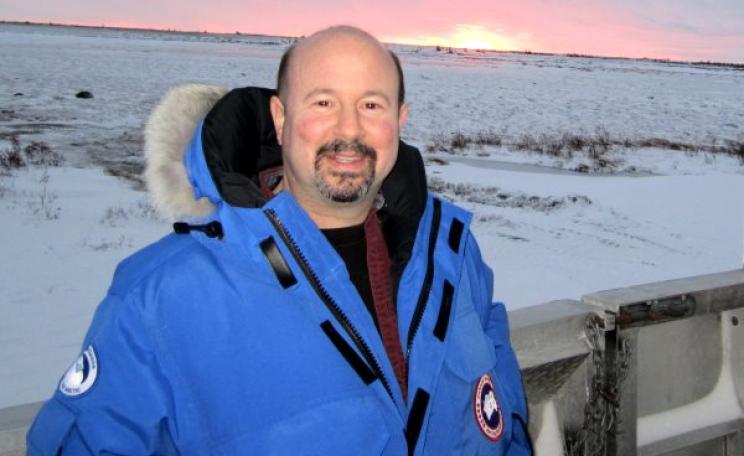
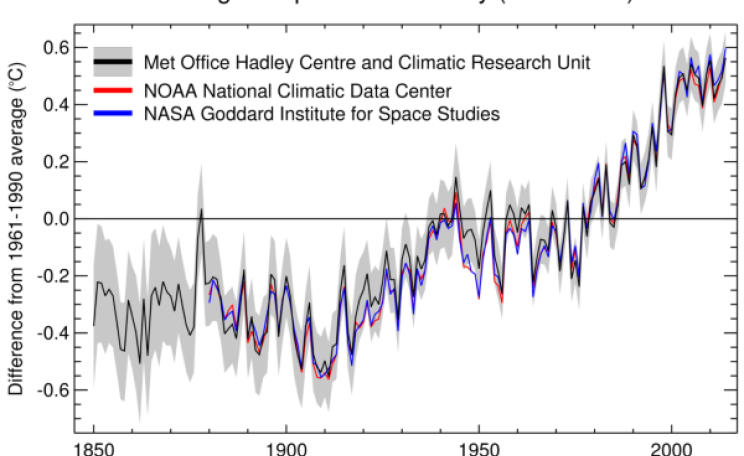
Michael Mann will be remembered as the creator of the 'hockey stick' graph of rising global temperatures, which has put him forever in the crosshairs of climate change sceptics. But as Brendan Montague found, he is a curiously unlikely hero, or villain: rather a dedicated scientist living the American dream, who just happened, to his own surprise, to stumble on something big.
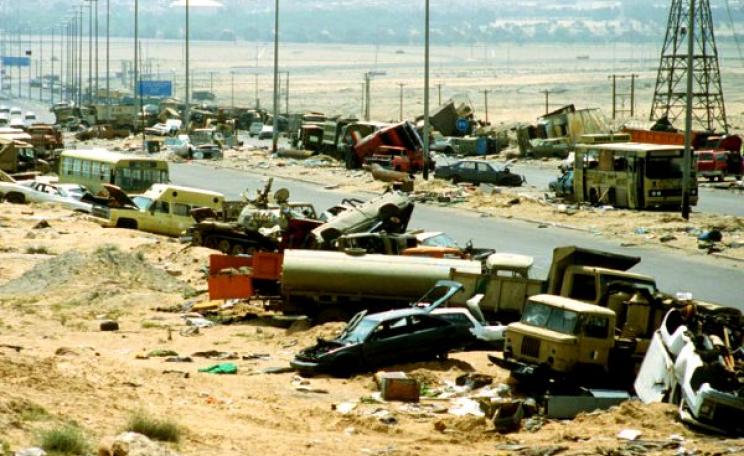
A wide-ranging academic study of civil wars in 69 countries from 1945 to 1999 finds that the likelihood of outside intervention increases when the country at war has large reserves of oil, and a potential intervener needs to secure oil imports on favourable terms to meet domestic demand.
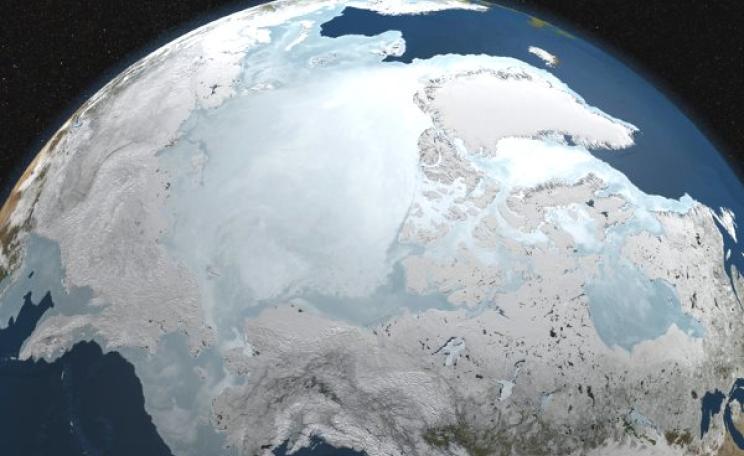
Global warming has been on vacation for a few years, writes Nafeez Ahmed. But that's only because the excess heat - two Hiroshima bombs-worth every second - has been buried in the deep ocean. But within a few years that's set to change, producing a huge decade-long warming surge, focused on the Arctic, that could overwhelm us all.
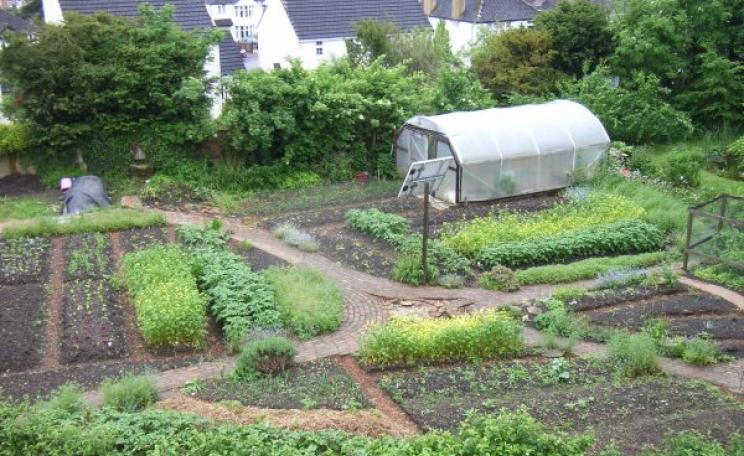
An eight-year research project into the nutrient content of food grown under three different organic gardening systems has left a filing cabinet full of documents, writes Matt Adams. Now he wants to analyse those years of accumulated data, in the hope that they can show the way to richer soils, more nutritious food, and healthier people.
Mainstream climatologists predict a 15% fall in rainfall over the Amazon if it is stripped of its rainforest. But the 'biotic pump' theory, rooted in conventional physics and recently confirmed by experiment, shows that the interior of a forest-free Amazon will be as dry as the Negev desert. We must save the Amazon before it enters a permanent and irreversible dessication.
The IPCC's 'Representative Concentration Pathways' are based on fantasy technology that must draw massive volumes of CO2 out of the atmosphere late this century, writes Nick Breeze - an unjustified hope that conceals a very bleak future for Earth, and humanity.
A broad community of independent scientific researchers and scholars challenges claims of a 'consensus' that genetically modified organisms (GMOs) are 'safe' to grow and eat. The claims - which continue to be widely and often uncritically aired - are a false and artificial construct that have been misleadingly perpetuated through diverse media.
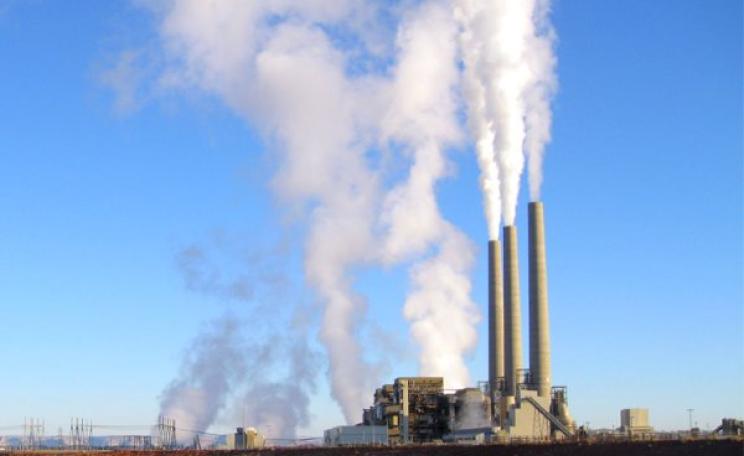
Levels of neurotoxic mercury in Yellowfin tuna are rising at almost 4% per year, and will soon reach a point where the fish are officially unsafe to eat, writes Paul Drevnick. And after decades of debate, there's no longer any doubt where the mercury comes from: humans. Industrial sources like coal burning are mainly to blame, and it's high time we put a stop to it.
Africa's biotech establishment is deploying its biggest guns to attack NGOs opposed to GMO crops to help push through Ghana's corporation-friendly Plant Breeders Bill - a key element in the corporate enclosure of Africa's farming, seeds and agricultural heritage.
The last ice age came to an end following the massive release of carbon dioxide from the Southern Ocean, write Miguel Martinez-Boti and Gianluca Marino, and the signature of that event is written in planktonic shells. It's a timely reminder that the oceans contain 60 times more carbon than the atmosphere - and we want to keep it there.
The World Meteorological Organization has ranked 2014 as the hottest year on record. And it's no flash in the pan: 14 of the 15 hottest years have been in the 21st century, a powerful indication of warming trend.
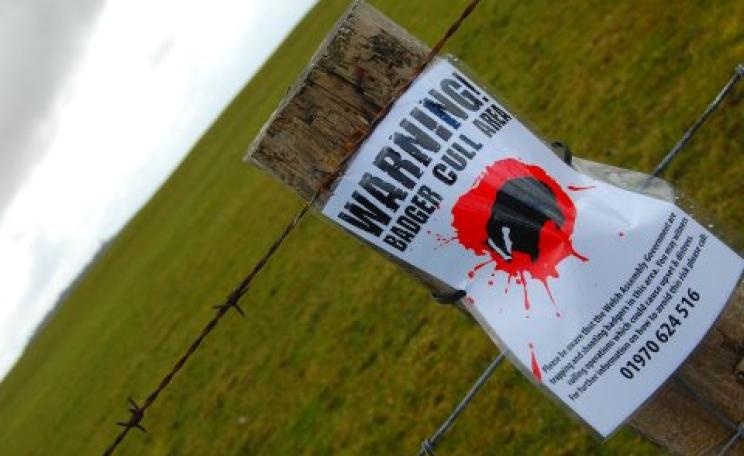
Sneaked out just before Christmas, Defra's assessment of the 2014 badger cull inspired NFU leaders to claim 'success', writes Rosie Woodroffe. But the figures indicate the precise reverse: that too few badgers were killed to be effective against bovine TB, indeed the cull may even help to spread the disease.
A fierce dispute is raging over whether glyphosate, the world's biggest weedkiller, causes cancer, writes Arthur Neslen. The row has pitched EFSA, the EU's food regulator, against 96 of the world's top medical scientists - and comes shortly before the EU is to decide on renewing glyphosate's licence.
Debate around climate change is based on the idea that Earth is a purely physical and chemical entity, writes Lee Klinger. But what if Earth is a living system? Then things could turn out very differently - and we understand how, we need to develop a new Gaian science of planetary physiology.
Dangerous volumes of neonicotinoid insecticides and other pesticides are expressed in common wild flowers like buttercups and hawthorn blossom in countryside under arable cultivation, a new study has discovered. The discovery invalidates the UK government's 'pollinator strategy' based on creating 'safe havens' in arable areas - because the havens are in fact loaded with pesticides.
The apparently lower productivity of organic farming systems is caused by research bias, writes Lauren C. Ponisio, and the far greater research spending on 'conventional' agriculture. Funds should be redirected to agro-ecological methods that are highly productive, sustainable and maintain biodiversity.
Film maker Nick Breeze has conducted a series of interviews with experts on 'geo-engineering' to forestall runaway global warming. Here he presents the distilled wisdom from his meetings - and concludes that we should at least be experimenting with the techniques, and studying their impacts.
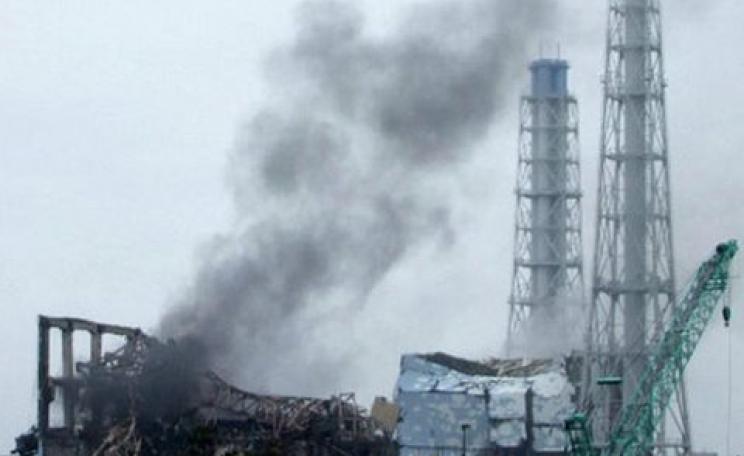
The nuclear industry and its supporters have contrived a variety of narratives to justify and explain away nuclear catastrophes, writes John Downer. None of them actually hold water, yet they serve their purpose - to command political and media heights, and reassure public sentiment on 'safety'. But if it's so safe, why the low limits on nuclear liabilities?
Nuclear energy is essential to preserve the world's biodiversity, according to 69 conservation scientists. But there's a mysterious omission in their analysis, writes Jim Green: nuclear weapons proliferation. And after a major exchange of nuclear bombs, and the 'nuclear winter' that would follow, exactly how much biodiversity would survive?
The responses that climate change demands of us are collective, writes Mark Maslin, and force us to accept the finite nature of global resources and the need for equitable sharing. So when climate change collides with belief in neoliberalism, free markets, strong property rights and rugged individualism, denial trumps science every time.
While the Arctic melts, Antarctica's ice has spread to record extents in three consecutive years, writes Edward Hanna. But is the news as good as it looks? Yes, if indications from a robot submarine that the ice is thicker than expected are supported by further evidence. It may just be that Antarctica's ice is more resilient than scientists dared to hope.