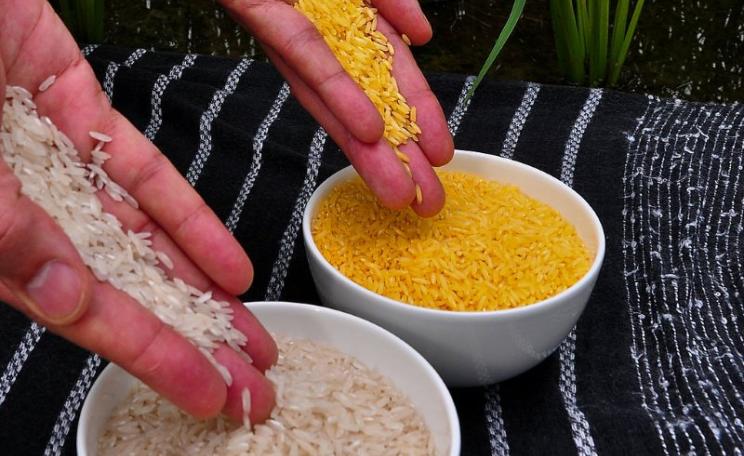
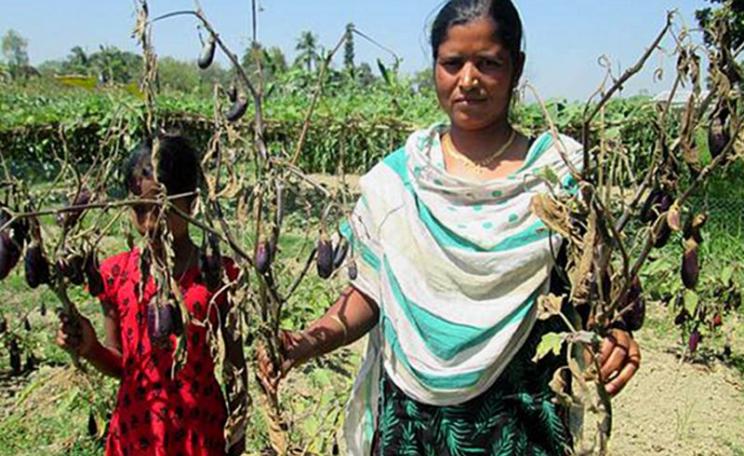
A key paper that's been widely cited to justify the use of GM 'Golden rice' to boost vitamin A nutrition has been withdrawn due to ethical breaches, with no proof of consent by parents of the children taking part in trials. But that's not the only objection.
A detailed update of key climate indicators by hundreds of scientists reveals that 2014 saw rises in temperatures, sea levels and greenhouse gases to record levels, writes Alex Kirby.
The outbreak of Ebola in West Africa had everything to do with logging, deforestation and the disruption of traditional agro-forestry by large scale industrial agriculture, writes Rob Wallace. The only long term solution to this terrible disease may lie in forest conservation, the restoration of agroecological farming systems, and the exclusion of agribusiness investment.
The climate change discourse rarely looks beyond 2100, writes Pete Dolack. Maybe that's because even at current levels of CO2, we are committed to thousands of years of warming and polar ice melt that will raise sea levels by at least six meters. However the implacable imperatives of capitalism mean there's little prospect of change for a long time to come.
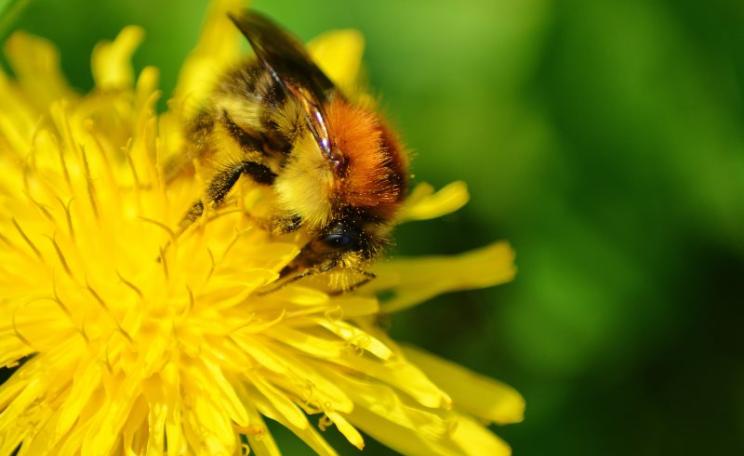
An Emergency Ordinance comes into force in Germany today that extends the EU's ban on 'neonic' pesticides to protect bees. But the UK's farming minister Liz Truss has relaxed the ban to allow farmers to use neonics on 30,000 hectares of oilseed rape.
Rewilding is now firmly on the agenda, writes Paul Jepson, and that brings a huge opportunity to re-invigorate conservation. But we must look to creating new functional ecosystems for the future, rather than trying to recreate a lost and perhaps imagined past.
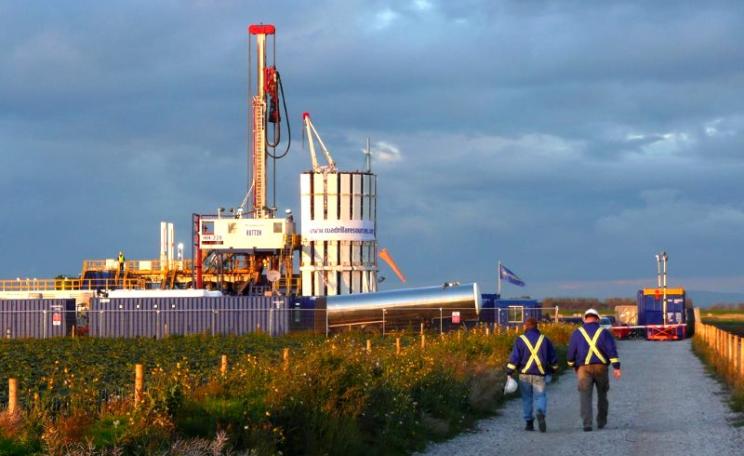
The anti-fracking movement scored a great victory when Lancashire councillors refused planning permission for two fracking wells, writes Damien Short. But dig deeper and the triumph was all the greater, as it overcame not just Cuadrilla, but a morass of pro-fracking bias and legal and scientific misrepresentation from those meant to be providing impartial advice.
Three in one: EFSA set to re-licence glyphosate based on secret industry studies; Monsanto moves against IARC verdict that glyphosate is a 'probable carcinogen'; and new science shows that FDA principle of GMO 'substantial equivalence' is bunk.
In her new book The Vandana Shiva Reader, the celebrated campaigner and scientist deplores the way in which the Green Revolution forced India's poorest farmers off their land, writes Colin Tudge. Now she fears even worse outcomes in Africa where a GMO-fuelled farming revolution is under way.
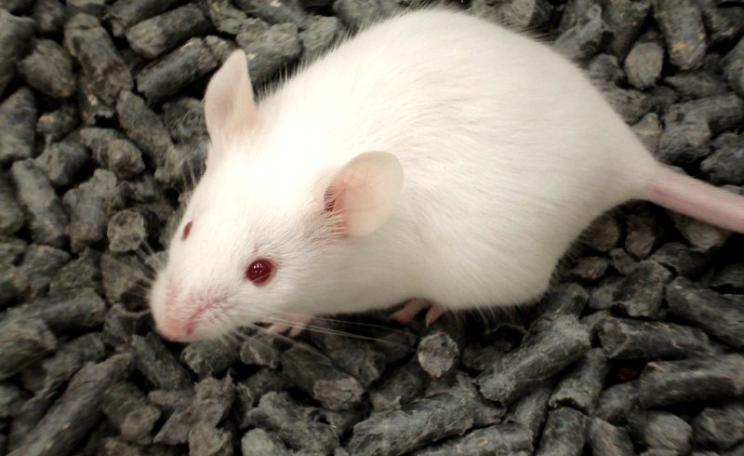
A new scientific study has found that laboratory rats used in health and toxicity studies are routinely given feeds contaminated with herbicides, pesticides and GMOs, writes Pat Thomas, potentially invalidating the results of crucial safety tests on GMOs, agrochemicals, medical drugs and other substances, on which health and environmental regulators base critical decisions.
Soon a artificial rhino horn may be on the market that's identical to the real thing down to its DNA, writes Diogo Veríssimo. A boon for rhinoceros conservation? Or an act of biopiracy that will enrich biotech corporations while perpetuating demand for rhino horn and confounding efforts to end its trade?
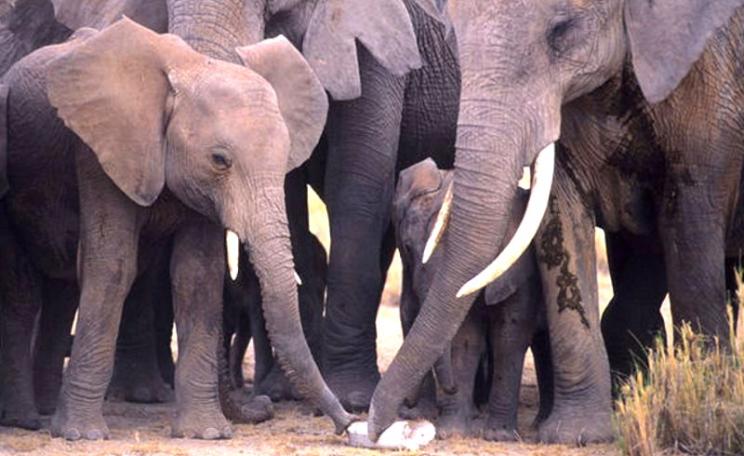
Forensic analysis of DNA in ivory seized by police and customs officials reveals where it comes from, writes Samuel Wasser, giving valuable information to law enforcers. But this powerful tool is only as effective as the national authorities, and Tanzania, a major ivory hotspot, has been very slow to respond to warnings.
The Royal Society wants us to take its word that GM crops are safe and healthy, writes Steven Druker. But it refuses to retract its errors, apologise to those whose reputations it has impugned, or enter into constructive debate on the issue. To restore its scientific integrity, it must abide by its own motto.
The Panorama programme on GM foods and crops last Monday was a masterpiece of spin, bluster, misrepresentation and outright deceit, write Lawrence Woodward & Pat Thomas, with the BBC's top investigatory strand hijacked to force feed the UK population with the purest of pro-GMO propaganda.
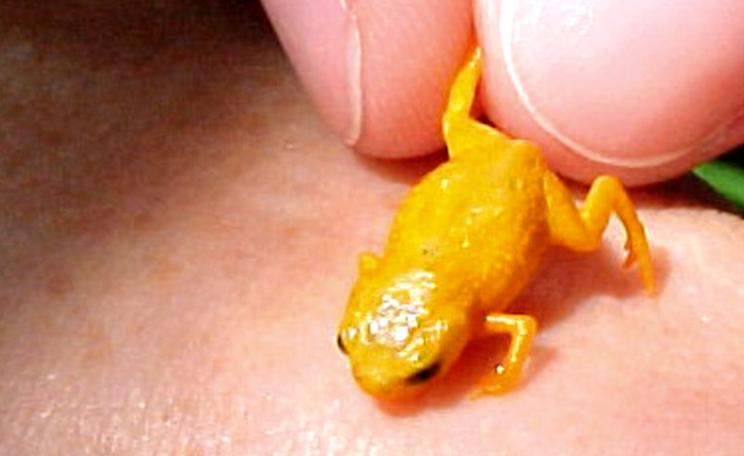
The Atlantic rainforest of Brazil is a biodiversity treasure, writes Miranda Dyson - as exemplified by the discovery of seven minute and beautiful frogs. But with the forest already reduced to under a tenth of its original extent, and going fast, they and countless other species may not survive much longer.
In early March author Steven Druker challenged the Royal Society to justify its outspoken and partisan support of GMO crops, writes Colin Todhunter, and to correct any errors of fact in his book 'Altered Genes,Twisted Truths'. Three months later, the Royal Society remains silent. Is it frightened of genuine scientific debate?
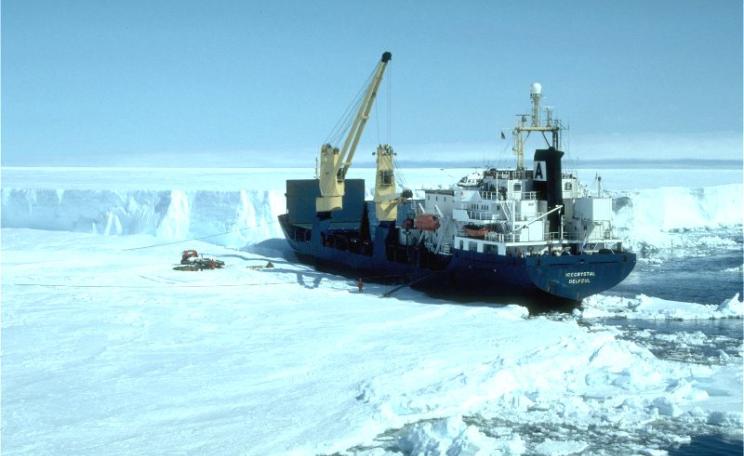
A dramatic shift has taken place in the glaciers of the southern Antarctic peninsula, writes Bert Wouters. Six years ago these previously stable bodies suddenly stated shedding 60 cubic kilometres of ice per year into the ocean. A stark warning of further surprises to come?
The link between nuclear power and cancer is real, writes Chris Busby, and revealed in the UK's cancer statistics - if only you look for it. Previous approaches have focused on rare cancers over large, poorly selected populations. But look at common cancers among those most exposed to nuclear radiation, and the statistical evidence is overwhelming.
Forest fires raging near the abandoned Chernobyl nuclear disaster site in north Ukraine are releasing a surge of airborne plutonium particles as radioactive twigs, branches and leaf litter burn.
The GMO industry has legitimised itself via a vast network of lobbyists and the assiduous capture of the politicians, regulators and scientists that should be holding it to account, writes Colin Todhunter. But as the failure of the GM revolution and its disastrous impacts become ever more evident, the industry's legitimacy is fast eroding away.
The world's smart money is piling into renewable energy, solar power in particular, write Tim Radford & Oliver Tickell, as renewables pull away from fossil fuels in terms of both investment and new generation capacity added each year.
The end of the Triassic era 200 million years ago was marked by a surge in CO2 and anoxic oceans saturated with toxic hydrogen sulfide, writes Jessica H. Whiteside - enough to finish off half of all known organisms. Could humans now be embarking on a similar experiment?
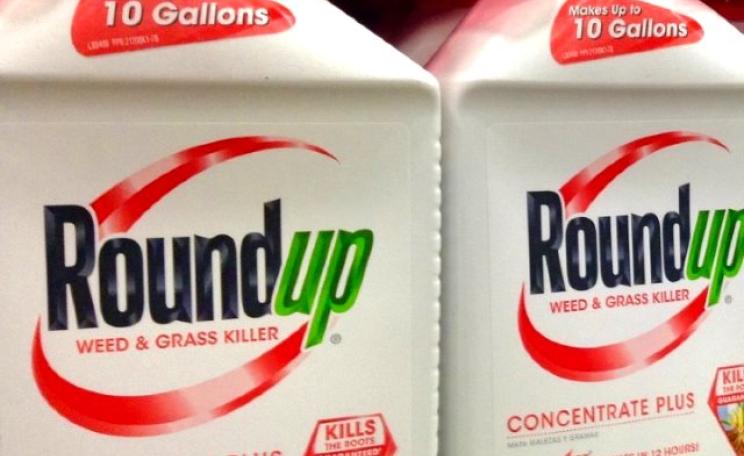
Scientists have discovered that exposure to three widely used herbicides including Monsanto's Roundup and Kamba causes pathogenic bacteria to develop resistance to medically important antibiotics.
Chinese scientists have established beyond doubt that water polluted with nitrite is feeding the worldwide cancer epidemic. But while China is beating cancer by providing new sources of nitrite-free water, Western scientists, regulators and the editors of scientific journals are doing their best to suppress the truth.