By keeping marine herbivores in check, predators from sharks to crabs are essential to keep the oceanic 'carbon pump' working - with seaweed and plankton fixing atmospheric carbon and bearing it down to deep waters and sediments before getting munched. It's time to give ocean predators the protection they deserve, for climate's sake.
Radiation can be carried long distances by marine currents, concentrated in sediments, and carried in sea spray 16km or more inland, writes Tim Deere-Jones. So Fukushima poses a hazard to coastal populations and any who eat produce from their farms. So what are the Japanese Government and IAEA doing? Ignoring the problem, and failing to gather data.
Something scary is lurking in the melting Arctic permafrost, write Tim Radford & Oliver Tickell: 1,700 Gt of carbon. That's 53 years worth of current emissions, and if we let it melt the impact would cost the world $43 tn. Or act now, and we could preserve the Arctic ice for a seventh as much.
A new study shows it's not just neonicotinoids that impair bees' ability to navigate to nectar and pollen sources, and to their nests: now the herbicide glyphosate has been found to have the same impact even at very low levels.
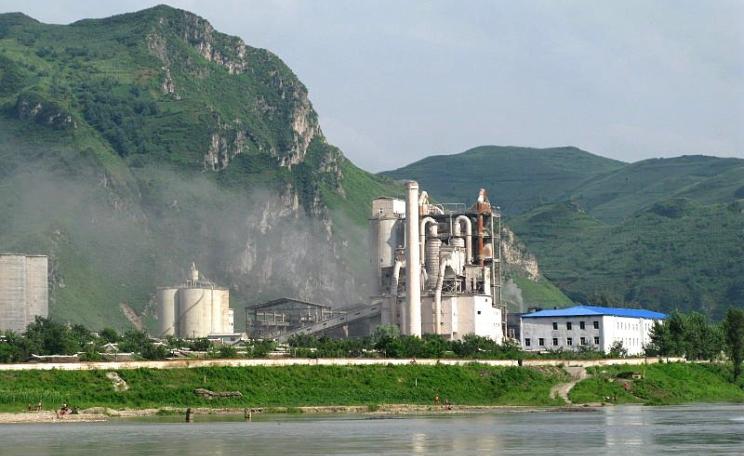
The US's Nuclear Regulatory Commission just cancelled its study into cancer near nuclear plants citing the 'excessive cost' of $8 million, writes Chris Busby. Of course that's rubbish - similar studies in the UK have been carried out for as little as £600 per site, and in any case $8 million is small change for the NRC. The real reason is to suppress the unavoidable conclusion: nuclear power kills.
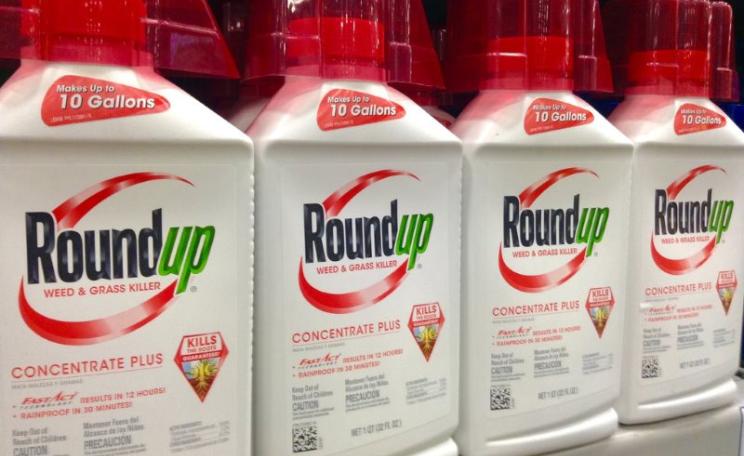
Forty years ago Monsanto carried out detailed studies of glyphosate and Roundup toxicity, write Richard Gale & Gary Null. But they have remained buried in filing cabinets ever since. Now a determined scientist has breached the wall of secrecy - and all the evidence is that Monsanto knew just how toxic its products were all along, while claiming they were 'safe as lemonade'.
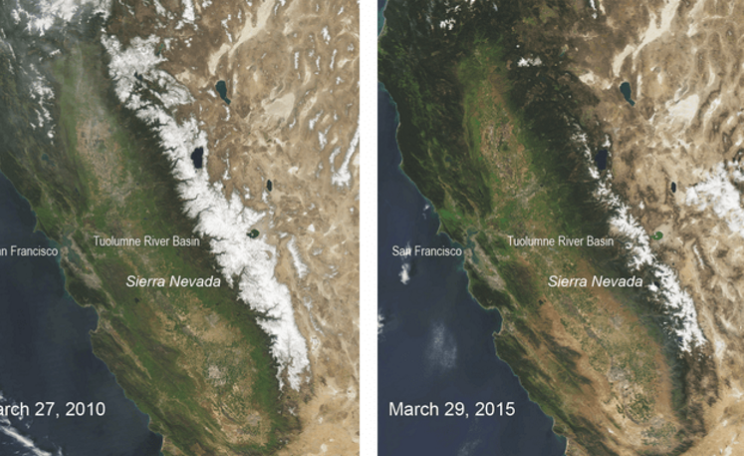
The lack of snow in California's Sierra Nevada is historically unprecedented, write Valerie Trouet & Soumaya Belmecheri. It's also seriously bad news for the state's water supplies - and may be an indicator of even worse to come in a warming world.
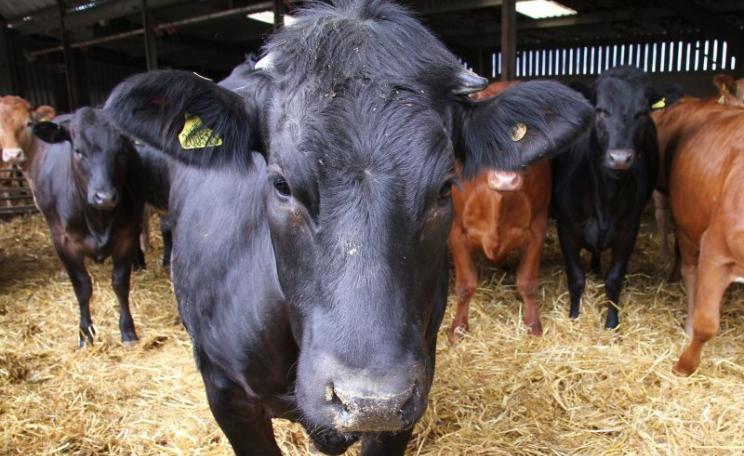
A new study on the spread of bovine TB shows that only with more frequent testing of cattle will the disease be defeated in England, writes Oliver Tickell. It has already worked in Scotland, and is on the way to doing in Wales - where some herds are tested every six months.
The NYT's expose of Kevin Folta's PR role as a pro-GMO shill in the employ of Monsanto barely scratched the surface of a huge web of corporate money, influence and intrigue that permeates the US's premier universities and scientific institutions, writes Jonathan Latham - from Harvard and Cornell to the AAAS. Why the reticence to name all the names?
Scotland's decision to maintain its GM-free status is in the best interests of the country, its people and its farmers, 30 scientists write to Rural Affairs Secretary Richard Lochhead. It is abundantly justified by the scientific evidence and will support the sustainable, agroecological farming systems of the future.
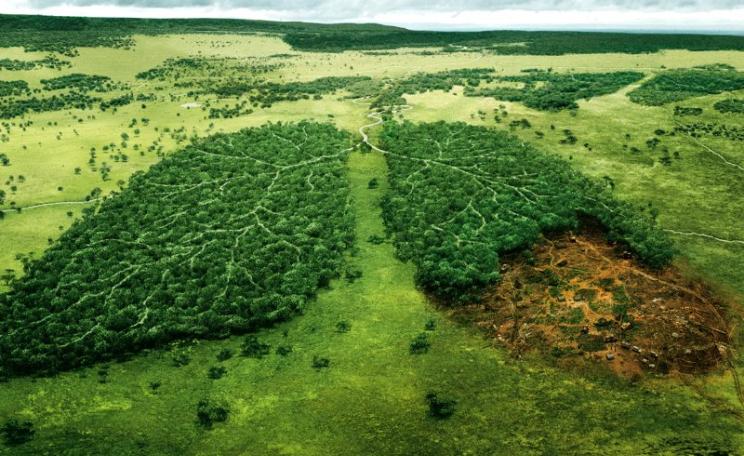
Isn't three trillion trees enough to keep our planet healthy? It sounds like a lot, writes James Dyke, but they are under threat as never before, from deliberate deforestation and climate change. Many of the 1.5 billion trees we are losing a year are in the last great rainforests - key ecosystems under threat of drying out forever under our escalating double onslaught.
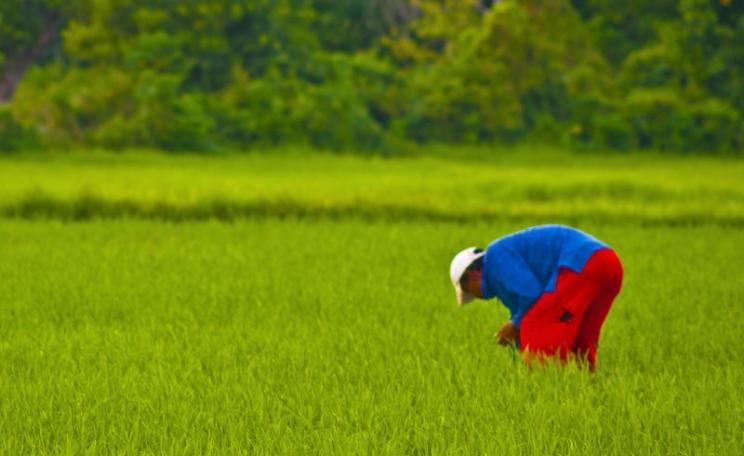
Golden rice was once hailed as the wonder crop that 'could save a million kids year', writes Glenn Stone. But in the 15 years since that bold prediction, the carotene enhanced GMO has been held back by persistent 'yield drag' and inconclusive nutrition outcomes. It now appears unlikely ever to fulfill its early promise.
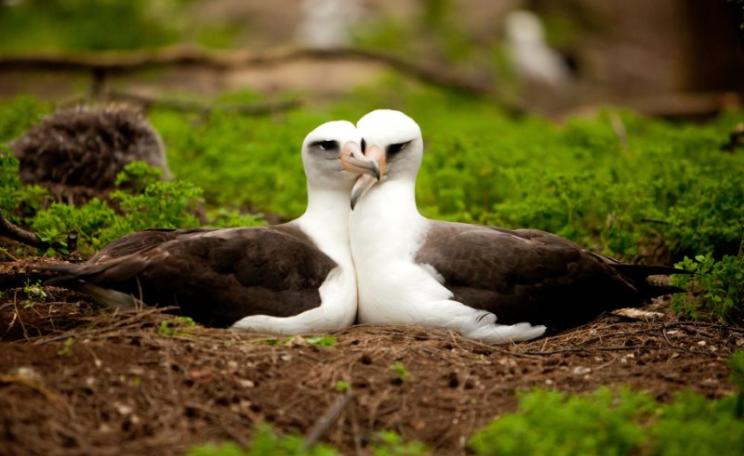
Already 60% of seabird species have plastic in their guts, often as much as 8% of their body weight. And with ocean plastic increasing exponentially, that figure will rise to 99% by 2050, threatening some birds' survival. Unless we act.
Are GMOs safe? Up to a point, writes Jonathan Latham - provided you're not eating them. That's certainly not proven to be safe, indeed the hazards are numerous: protein encoding viral DNA fragments, herbicide metabolites, biotoxins whose operation is not understood, poorly conducted experiments ... and those are just the ones we know about.
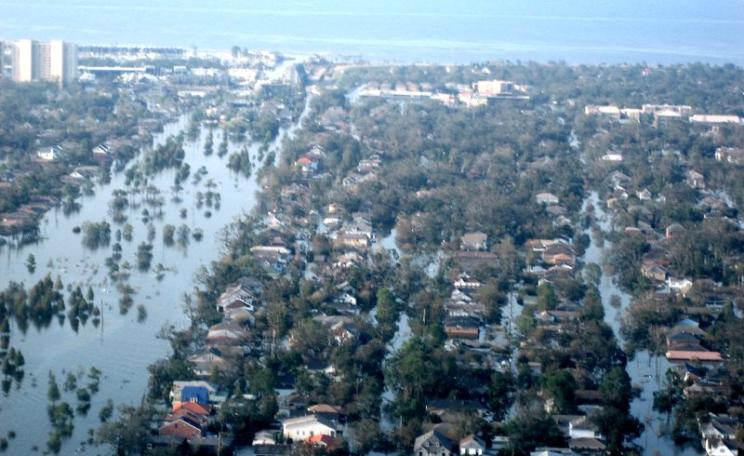
Climate change shows its true face in extreme events, writes Kerry Emanuel: the storm surge with a 12 inch head start thanks to rising sea levels, propelled by a wind that's 20 mph faster, dropping an extra inch of rain beyond the 'normal' storm. Hurricane Katrina and Typhoon Haiyan are sending us a clear message: the world must get ready for bigger and badder, fast.
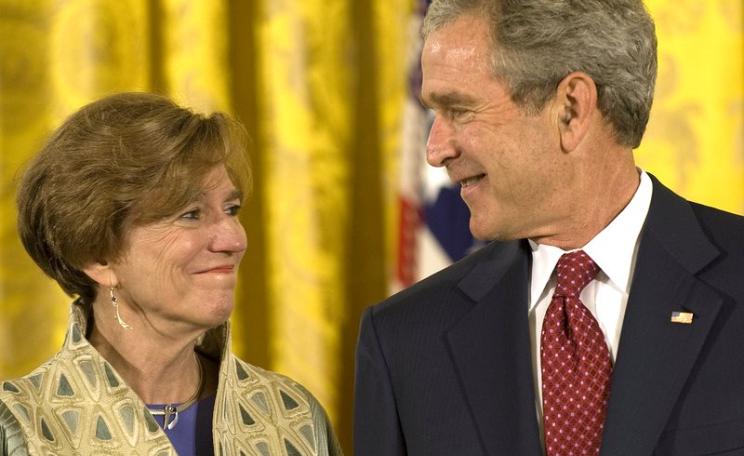
We owe a deep debt of gratitude to Dr Frances Kelsey, write Helena Paul & Philip Bereano. In 1960, she defied her bosses at the FDA to prevent the licensing of thalidomide in the USA, saving thousands from being born with serious deformities. Her tough approach to minimising the risk from new drugs contains lessons we ignore at our peril.
Increasingly mild winters have caused an abundance of acorns and beech nuts in Europe's woodlands, writes Paul Brown, triggering a wild boar population explosion - just one of the effects of warming climate on wildlife populations.
A new study finds that the Roundup herbicide disrupts the hormonal system of rats at low levels at which it's meant to produce no adverse effects. By the same mechanism It may be causing the potentially fatal condition of 'adrenal insufficiency' in humans.
English Nature's decision to licence England's badger cull has no scientific basis, write Iain McGill and 26 other distinguished vets in this Open Letter to EN's Chief Scientist. Science Advisory Committee and Board. The body must urgently re-examine the entire issue before issuing any more licences to kill badgers.
The IPCC has over-estimated China's emissions since 2000 by 14%, almost 3 gigatonnes of carbon since 2000, while its energy consumption has been 10% higher than realised, writes Eliza Berlage. The country is far more carbon-efficient than we ever knew.
A scientific paper published today says badger persecution may be one of the reasons for the persistence of bovine TB hotspots, writes Oliver Tickell. A further finding is that the main risk factors for bTB are all to do with cattle - not badgers at all.
Glaciers around the world are melting on a scale without precedent in recorded history, writes Alex Kirby. Measurements of over 5,000 glaciers show that they have been retreating so fast so far this century that even if climate is stablised, the ice losses will continue for years to come.
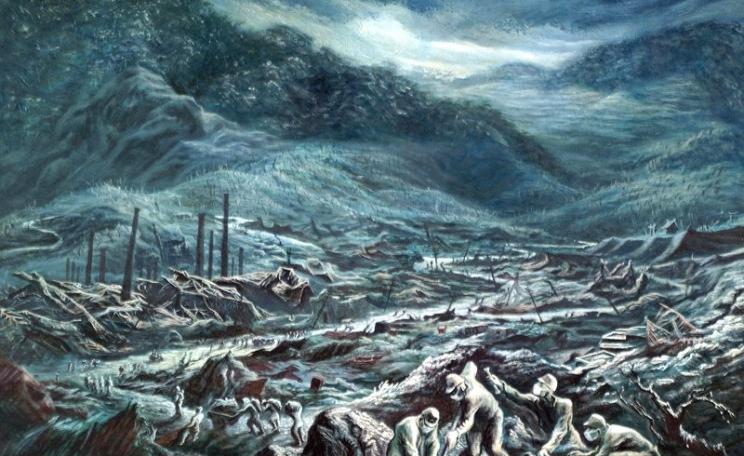
Following the atomic bombs exploded over Japan in 1945 a second crime against humanity took place, writes Chris Busby: the deliberate falsification of science to hide the dangers of ionising radiation, perpetrated to quell public opposition to a new age of nuclear bombs and energy. The fraud continues to this day, but finally the truth is winning out.
The 'knowns' of climate change are already plenty scary enough, writes Bill Laurance. But far more worrying are the unknowns. And in a system as complex and convoluted as the global climate system there are lots of them, creating scope for many nasty surprises to emerge.