A USDA study shows that a GM alfalfa has gone wild in alfalfa-growing parts of the West. This may explain GMO contamination incidents that have cost US growers and exporters millions of dollars - and it exposes the failure of USDA's 'coexistence' policy for GMOs and traditional crops.
The EU is considering the exclusion of gene-edited plants and animals from GM regulations, write Janet Cotter & Ricarda Steinbrecher. However gene-edited organisms clearly fall within the definition of GMOs in both European and international law. They also present real risks to the environment and human health - and must be regulated like any other GMOs.
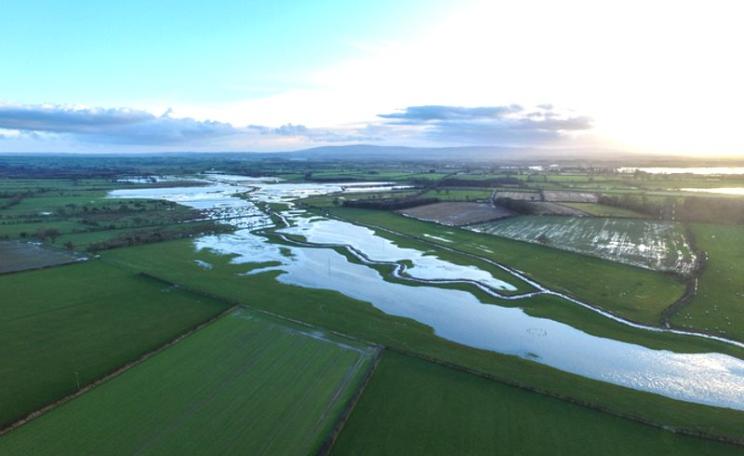
Changes to natural drainage processes in headwaters, rivers, floodplains and river channels has increased the UK's vulnerability to heavy rainfall, write Neil Entwistle & George Heritage. And to put things right, we must first gather the detailed evidence of what took place in recent floods. The Environment Agency must publish all its data, maps and images - now!
As the evidence of the extreme harm to health inflicted by nuclear radiation mounts, the denialists are resorting to ever greater extremes, writes Chris Busby. On the one hand, advancing the absurd claim that ionising radition is not merely harmless, but health-enhancing. On the other, closing down the experiment that would have provided the strongest evidence yet.
The more the GM industry claims to enjoy the support of 'science', the more it resorts to emotive attack and insult against its opponents, while doing its best to suppress the many scientific truths that are not to its liking, writes Colin Todhunter. In truth it is driven by profit, politics and ideology, and is based on fraud and the capture and corruption of governments and regulators.
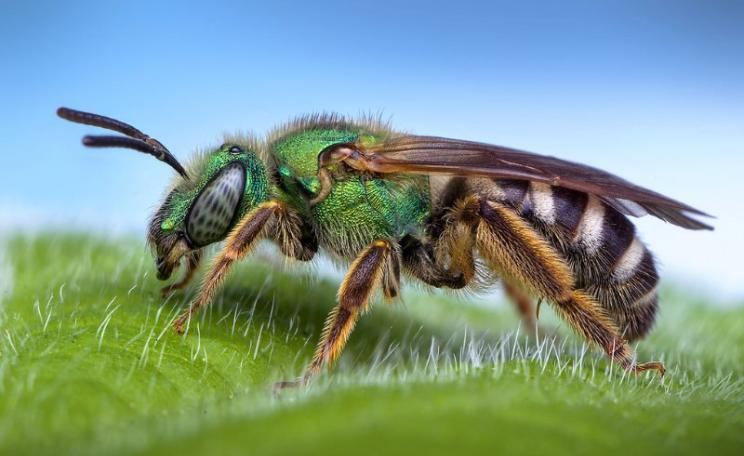
Wild bee decline is closely associated with the advance of intensive farming and habitat loss, a new study shows. It follows an earlier paper that linked 'delayed action' decline of wild bees to exposure to pesticides including fungicides - previously considered 'bee-safe'.
The Precautionary Principle must mean, above all, avoiding the risk of ruinous outcomes for people or the wider environment, write Rupert Read & David Burnham. When the Philippines Supreme Court applied that test to GMOs, they found they had to ban them - not as a moral choice but pragmatically, to avoid potentially devastating consequences.
As Arctic Peoples at COP21 in Paris appeal for unity to halt global warming, writes Tim Radford, scientists report that Greenland's glaciers are now melting at a speed not seen since the last Ice Age almost 10,000 years ago.
Investigative reporters working for Greenpeace UK's Energydesk have uncovered a nexus of senior academics willing to accept large sums of money from fossil fuel companies to write reports and newspaper articles published under their own names and university affiliations, without declaring the funding. Lawrence Carter & Maeve McClenaghan spill the beans ...
Climate change denier Lord Monckton was making waves at COP21 in Paris yesterday, write Brendan Montague & Kyla Mandel, with his claims of a 'synergy of interests' between 'malevolent scientists' and power-mad politicians intent on setting up a fascist / communist world government under the guise of a climate treaty.
Increased atmospheric CO2 is doing much more than warming the Earth, writes Tony Juniper - it's also acidifying oceans, something that is already having major impacts on ocean ecology in the Southern Ocean and the North Atlantic. Likely effects: more CO2 in the atmosphere, more jellyfish.
The health of Europe's citizens is on trial as the EU's food safety regulator challenges the World Health Organisation over glyphosate and cancer, writes Corporate Europe Observatory. On the WHO side, published, peer reviewed science, real world epidemiology and open processes. While the EFSA conclusion is based on secret industry studies and opaque procedures. Will science or realpolitik win the day?
A six-month investigation finds that the revolving door between government and the chemical industry has led the EPA to rely on easily manipulated toxicology research carried out entirely on computers - and this 'in silico' science often trumps both biology and epidemiology when it comes to regulatory action, or lack of it. The result? Toxic substances remain in everyday products.
New research warns that rising temperatures will reduce the mountain snow in 97 major river basins worldwide, writes Tim Radford - cutting summer water supply to 2 billion people in lowland areas who depend on the meltwaters.
Sooner than it takes to build a nuclear power station, lithium-air batteries could be helping wind and solar to make coal, oil and nuclear obsolete, say Cambridge scientists. Five times lighter and five times cheaper than current lithium batteries, Li-air would open the way to our 100% renewable future.
Europe's top food safety regulator has ruled that the world's top selling herbicide, glyphosate, does not cause cancer - in defiance of the WHO and overwhelming scientific evidence. The decision opens the way for a 10-year EU re-approval next year, before its Chemicals Agency has released its own findings.
Is the aspiration to halt the loss of biodiversity by 2030 - enshrined in the UN's new Sustainable Development Goals - a fairy tale? It's ambitious, writes Richard Pearson, but there are plenty of signs that the world is acting effectively to conserve its endangered habitats and species. With extraordinary effort, we can do it.
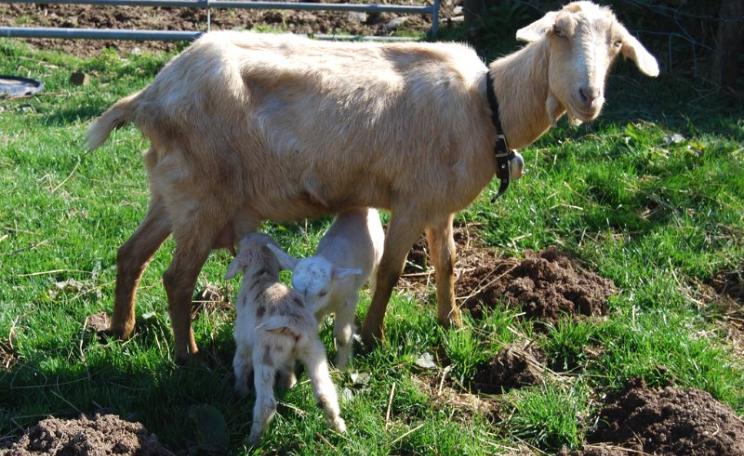
Mother goats fed on 'Roundup-ready' GMO soy produce milk that's much lower in fat, protein and antibodies than non-GMO controls, writes Jonathan Latham, and contains traces of GE DNA. The milk also stunts their kids' growth.
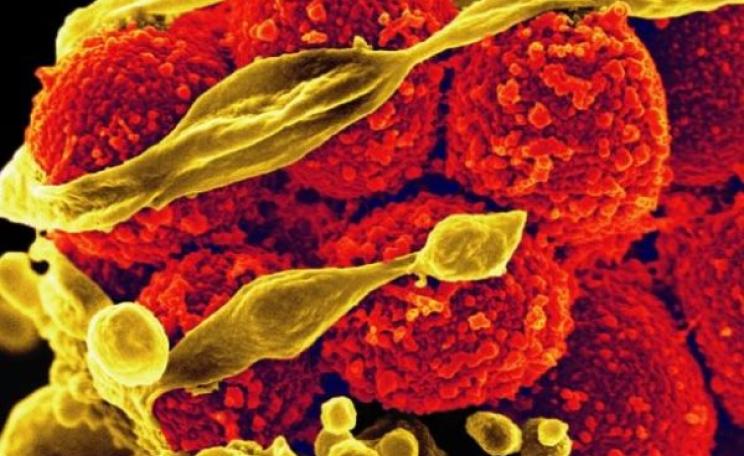
Antibiotics have saved countless millions of lives since the 1930s, but their power is failing due to their massive use in factory farming, horticulture, aquaculture and industry, says a new report from the All Party Parliamentary Group on Antibiotics. We must stop all inessential uses of antibiotics, or face a future where we risk death from minor injuries and routine surgery.
As a first 'official' cancer case is admitted at Fukushima, a study of over 400,000 young people in the prefecture identifies a 30-fold excess of thyroid cancer, writes Oliver Tickell. With the high rate and early onset of the disease the scientists fear many more cases to come - and that WHO underestimated the scale of radiation release.
Something important just happened at Cornell's Alliance for Science, writes Steven M. Druker. Long known as a keen promoter of genetic engineering, the organization has experienced a profound change of direction. Its new director, Sarah Davidson Evanega, has opened an inclusive scientific dialogue on the safety of GMO crops. Who says it's all 'over'?
Evidence stretching back 40,000 years shows that global warming will increase drying in a region of East Africa where drought already causes humanitarian crises, writes Alex Kirby - dashing earlier hopes of increased rainfall.
Wild flower margins around arable fields can funnel deadly pesticides into the bees, wild pollinators and other insects they are intended to benefit, writes Oliver Tickell. Neonic pesticides are often far more concentrated in the wild flowers than in the crop itself.
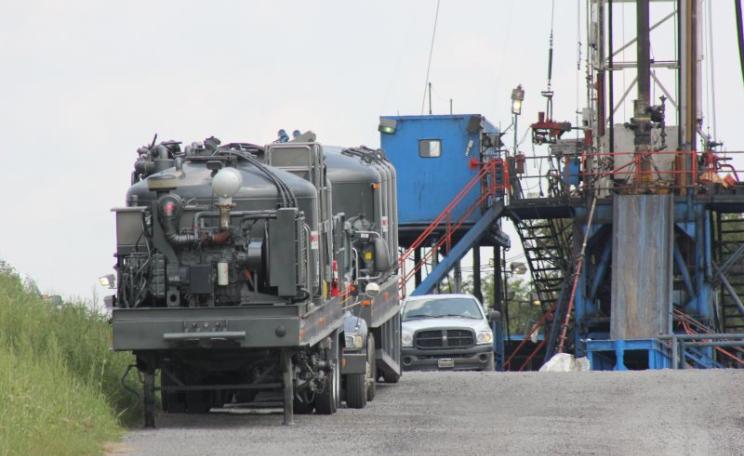
A new study in the US's 'fracking capital' Pennsylvania has found that pregnant women who live near gas fracking wells are far more likely to give birth prematurely or develop problems during their pregnancies.