After a succession of the hottest years and months ever recorded, climate is a hot topic, writes Liz Hutchins. But BBC1's 'Big Questions' climate change debate last Sunday completely missed the point. Instead of debating the only real question - how should we respond? - the BBC ran yet another repeat of the so-over 'believers versus deniers' ding-dong. Why do they still not get it?
For the second year running CO2 emissions flatlined even as the global economy was growing at around 3%, writes Alex Kirby. But sharply rising temperatures show the need for further massive renewable energy deployment to actually bring emissions down.
Last month must go down as one of the worst ever in the annals of climate change, writes James Dyke, with parts of the Arctic 16C hotter than usual and the 'safe' warming level of 2C breached across the Northern hemisphere. But even worse is the near-total lack of reaction from business, politicians and media.
Cancer is just one of of the outcomes of the genetic damage inflicted by nuclear radiation, writes Chris Busby, and perhaps one of the least important. Of far greater long term significance is the broad-scale mutation of the human genome, and those of other species, and the resulting genomic instability that causes cascades of heritable mutations through the generations.
The BBC has been excelling itself in its deliberate understatement of the Fukushima nuclear catastrophe, writes Chris Busby. While calling in pseudo experts to say radiation is all but harmless, it's ignoring the science that shows that the real health impacts of nuclear fallout are around 1,000 times worse than claimed.
Some of the world's most powerful figures tout the benefits of GMOs, writes Stacy Malkan, but what's the real story? Facts on the ground expose the PR spin, half truths and outright propaganda that has come to dominate a public conversation that is not so much about engineering genes, but engineering truth for the benefit of multinational corporations.
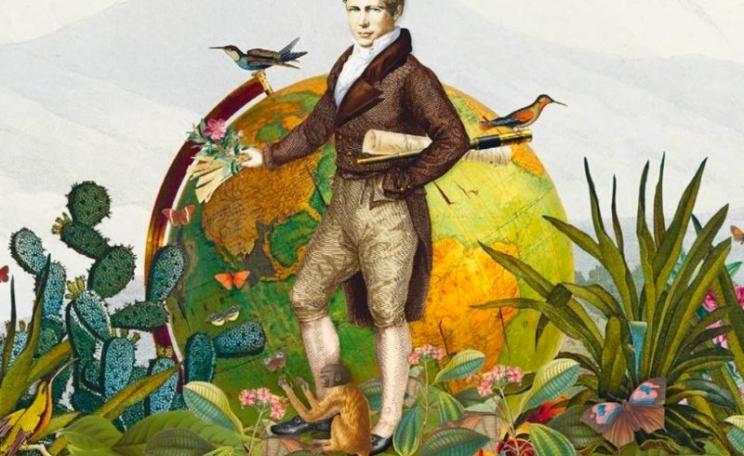
Andrea Wulf's book about the remarkable 19th century explorer and naturalist Alexander von Humboldt is welcome, opportune and a pleasure to read, writes Matt Mellen, packed as it is with high adventure and amazing discoveries. We have much to learn from him today in tackling the world's environmental crises; reading this book is an excellent - and enjoyable - way to begin.
Those who dare suggest that pesticides might be implicated in Brazil's microcephaly outbreak are being furiously attacked as irrational, nonsense-spouting 'conspiracy theorists', writes Claire Robinson. But the attackers have an uncanny ability to get their own facts in a twist. And among them are writers linked to industries with huge economic interests in the matter.
Today's threats of legal action by ClientEarth against the UK Government highlight the problem of London's poisonous air, which is killing some 10,000 people a year, writes John Weeks. Fortunately there are simple, low cost, effective measures that could be taken to bring about big improvements to the city's air quality, fast.
With 29 applications for new badger culls, writes Lesley Docksey, the government still has no idea how many badgers there are in the cull areas, or how many of them have TB. Nor does it want to find out. The badger culling project is getting less scientific by the day - or should that be by the square kilometre?
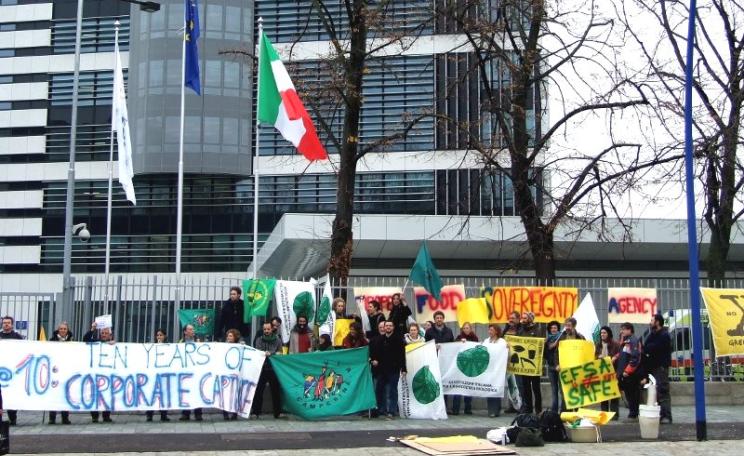
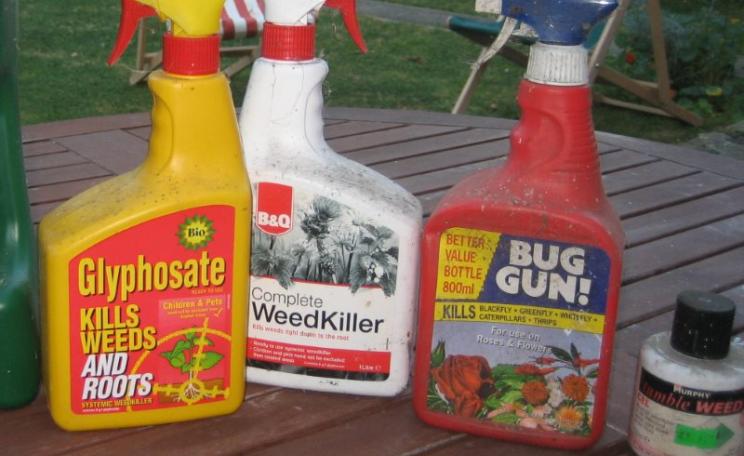
The chemical industry and the European Food Safety Authority are refusing to disclose key scientific evidence about glyphosate's risks, citing 'trade secrets' protection, writes Corporate Europe Observatory. They must be compelled to publish the 'mysterious three' scientific studies EFSA used to assess glyphosate as 'unlikely' to cause cancer to humans - contradicting the IARC's view.
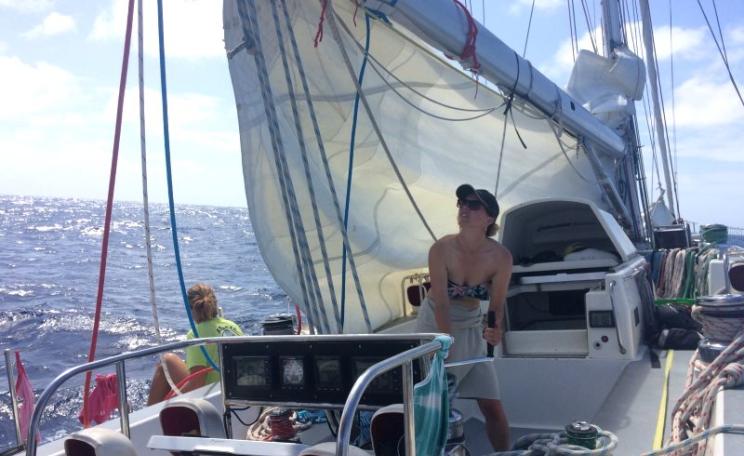
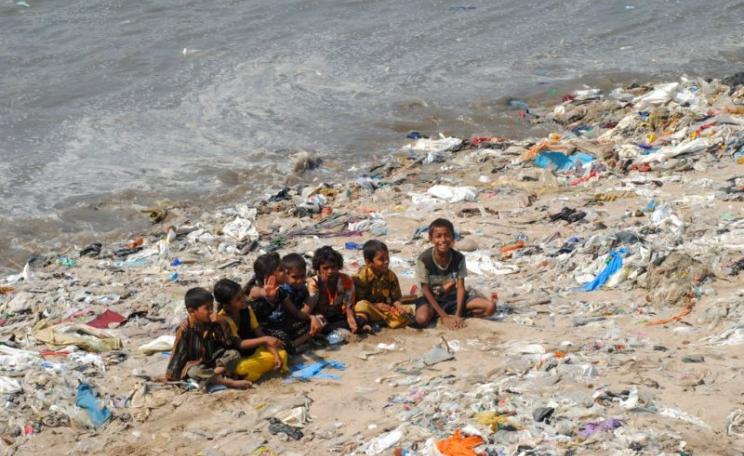
One of the biggest threats facing marine life is the 'microplastic' particles found in ocean ecosystems from bottom to top of food chains. Just back from a voyage of environmental exploration in the tropical Atlantic sampling the waters to build up a global picture of this ubiquitous pollutant, Ana Stanič writes of the joys and trials of life on the waves, and the need to keep our oceans clean.
A growing body of scientific evidence show that cell phone users suffer a range of negative health impacts from infertility and brain tumors to hyperactivity and memory loss, writes Gary Null. Yet the Center for Disease Control has taken a weak and ambiguous stance on the issue, reflecting industry interests at the expense of citizens. We deserve - and must demand - better.
Why is BP sponsoring the Science Museum's 'Late' event? It's all part of creating 'scientific consent' for fossil fuels, writes Drew Pearce, in the face of scientific certainty about climate change and the need for drastic cuts in carbon emissions. That's why we gatecrashed their latest show last week.
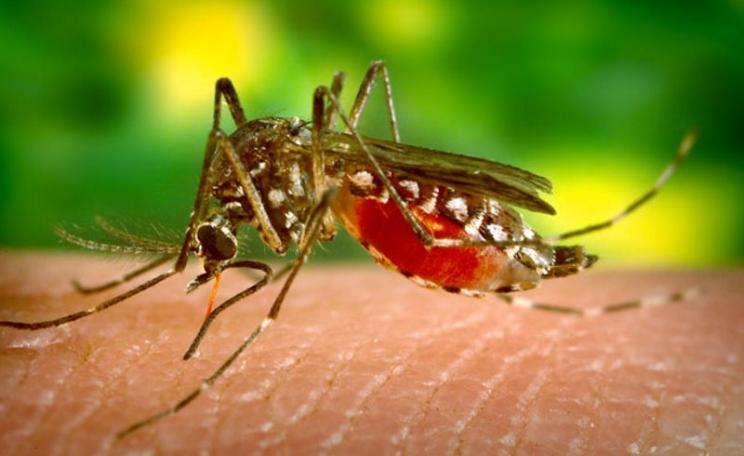
In Brazil's microcephaly epidemic, one vital question remains unanswered: how did the Zika virus suddenly learn how to disrupt the development of human embryos? The answer may lie in a sequence of 'jumping DNA' used to engineer the virus's mosquito vector - and released into the wild four years ago in the precise area of Brazil where the microcephaly crisis is most acute.
The European Commission must not re-approve the 'probably carcinogenic' weedkiller glyphosate so long as its assessment is based on secret industry studies, actual products are not investigated, and in the absence of scientific criteria for endocrine disruption, write 66 MEPs in this Open Letter to Commissioner Andriukaitis, in charge of health and food safety.
The last 30 years of European summers have been the hottest in thousands of years, writes Alex Kirby, and we had better start getting used to it - most of all in the Mediterranean and the Arctic, where a 1.5C global temperature rise could be amplified to 3.4C and 6C respectively.
The origin of life has long been the deepest of mysteries, writes Chris Busby. But in fact, the spontaneous arising of life from molecules in Darwin's 'warm little pond' is the inevitable result of their selective energisation by quantized infra-red radiation. Now, some four billion years after life first developed, precisely the same processes continue to drive the operation of all living systems at a cellular level.
Long after we go extinct the human presence on Earth will be marked by a geological stratum rich in plastic garbage, according to a new study. Long-lived plastics are already widespread over the ocean floor, and there's a lot more on its way. Forget the 'Anthropocene' - the human era should rightly be called the Plasticene.
The over-hunting of wildlife in the Amazon has an unexpected knock-on effect: the reduced seed dispersal reduces the forest's capacity to store carbon in its biomass, increasing emissions from apparently 'intact' rainforest areas.
A new report from leading physicians published today reveals the excess mortality caused by UK air pollution, writes Vanessa Amaral-Rogers. The Government has already been found in breach of the EU's Air Quality Directive, but its policies remain weak. Will it finally step up to prevent early deaths from this silent killer?
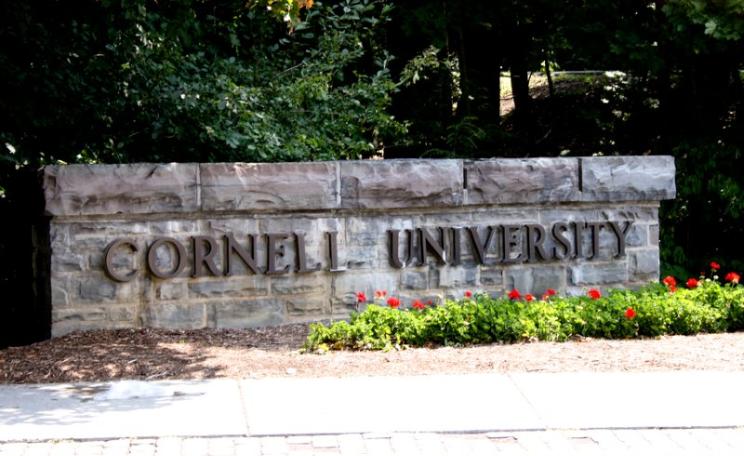
Cornell, one of the world's leading academic institutions, has abandoned scientific objectivity, writes Stacy Malkan - and instead made itself a global hub for the promotion of GM crops and food. Working with selected journalists and industry-supported academics, Cornell's so-called 'Alliance for Science' is an aggressive propaganda tool for corporate biotech and agribusiness.
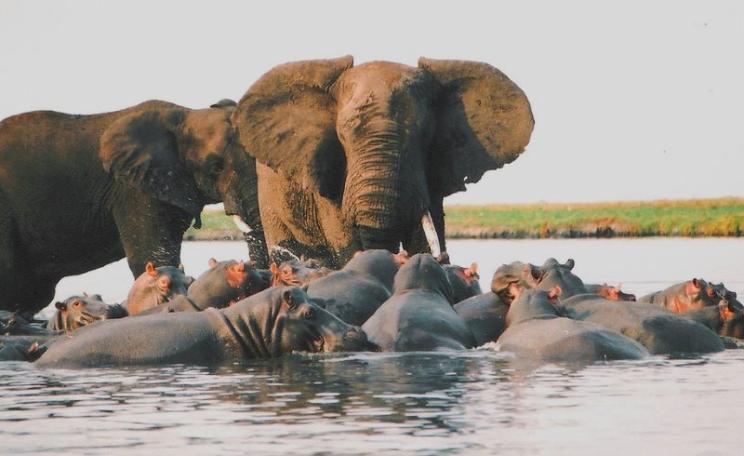
Last time the Earth was this warm, 130,000 years ago, England's Thames Valley was home to hippos and elephants, write Emma Stone & Alex Farnsworth. But the closest climate analogue is actually the Miocene Climate Optimum, 11 million years ago, when CO2 levels were similar to today's. As for the ice age that's due, scientists believe it will be postponed for at least 100,000 years.
The just as policemen keep on getting younger, epochs keep on getting shorter, writes James Scourse. The Cretaceous endured for 80 million years, but our latest invention, the 'Anthropocene', will be lucky to last out the century. And humanity's vain preoccupation with the idea may, ironically, only bring forward its termination.