The Royal Society has form on GM crops, writes the Soil Association - consistently Gung-ho! for the last 20 years, while refusing to engage with critics of the technology or even accept the existence of any problems. Its latest effort represents more of the same, while exposing this once August body to ridicule for its egregious scientific howlers.
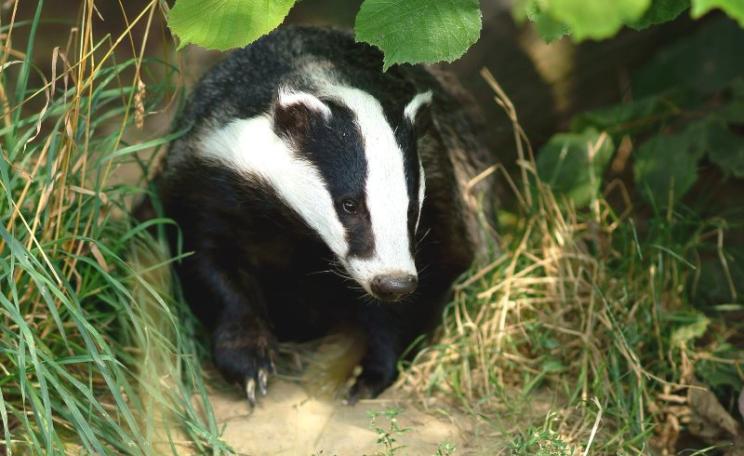
The lives of all the thousands of badgers slaughtered in the name of TB eradication have been lost in vain, writes Martin Hancox. The cryptic reservoir of bovine TB is the cattle themselves, and no amount of badger killing will make the slightest difference to the problem. Once we have grasped this reality the solution is astonishingly simple: improved TB testing that picks up all infected cattle.
Those opposed to the mass release of GM crops and foods inadequately tested for health and ecological safety are routinely accused of being anti-science, writes Elizabeth Henderson. But it's the GM corporations and their academic allies that are suppressing scientific research, and organic farmers that are building alliances with independent scientists for a future of safe, healthy food.
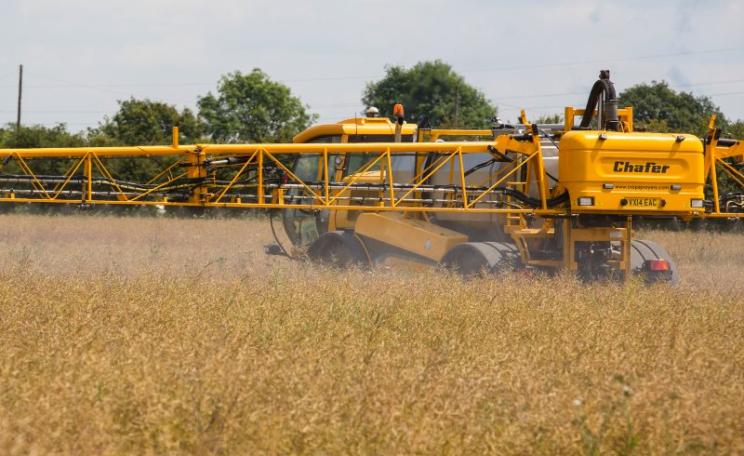
Apparent 'victories' in the fight against toxic chemicals - like the EU's failure to re-approve glyphosate yesterday - are illusory, writes Jonathan Latham. The real problem is not one of specific 'bad actors', but the entire system that allows new, likely to be toxic compounds to pollute the environment in near-total ignorance of their impacts. It's time to take our campaigning to a whole new level.
Temperatures in the Middle East and North Africa could reach unbearably high levels by mid-century, writes Tim Radford - and then keep on rising. The intolerable heat would render large areas uninhabitable and give rise to a wave of 'climate refugees' seeking escape to more temperate regions.
With EU ministers due to decide tomorrow on the future of the glyphosate in the EU, Colin Todhunter finds evidence of collusion between regulators and the corporations whose sales of the 'probably carcinogenic' herbicide add up to many billions of dollars a year - evidence that underlies a legal action alleging fraud by the European Food Safety Authority against the EU's 508 million citizens.
A recent scientific study found the same long-chain omega-3 oils that are engineered into a new GM Camelina oilseed variety make butterflies grow up with deformed wings, writes Claire Robinson. Attempts by the 'pro-science' non-scientist Mark Lynas to discredit the study are a mixture of ignorance, research failures, 'straw man' arguments and outright errors.
Britain's nuclear bomb test veterans suffered severe genetic damage from radiation, writes Chris Busby, and their case for compensation is being heard in the High Court today. Key to their case is evidence of similar damage inflicted on in utero babies exposed to radiation from the Chernobyl disaster, and how the dreadful health impacts of radiation cascade down to future generations.
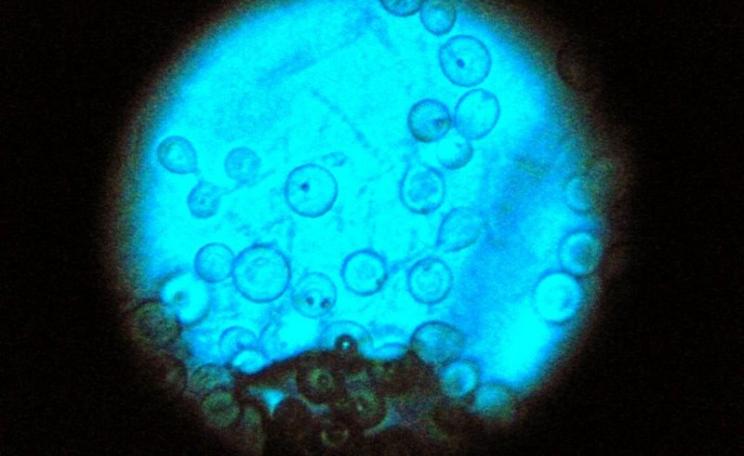
A new study shows that the market-leading Roundup herbicide kills soil microbiota at concentrations 50 times lower than used in agriculture, writes Claire Robinson. The findings raise serious new concerns about the environmental impacts of glyphosate herbicides.
As a society, we are strangely disconnected from the Earth, writes Stephan Harding. It's as if we were aliens placed here to prod and poke with our scientific instruments whilst feeling no sense of meaning, belonging or closeness to her ancient crumpled surface or rich, teeming biodiversity - a state of mind that a forthcoming course at Schumacher College aims to reverse.
If we are ever to bring bovine TB under control in Britain's cattle herd, we must begin with the main disease reservoir, writes Tom Langton: the cattle themselves. The insistence on culling badgers has little to do with disease control, and everything to do with the short term economics of the beef and dairy industries, unwilling to sacrifice an iota of production in the interests of a real solution.
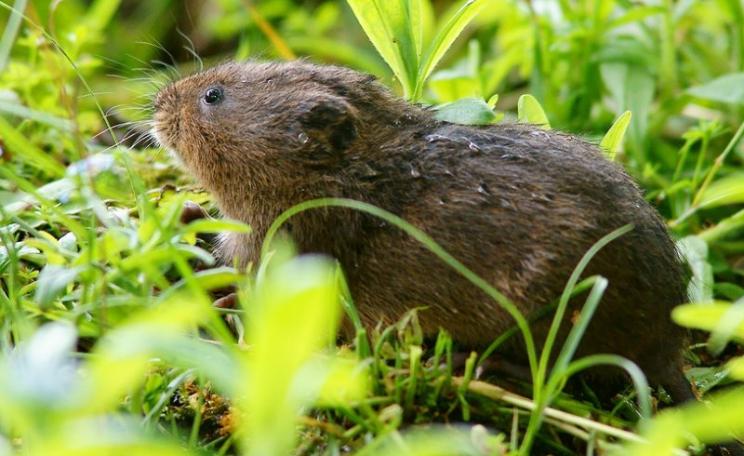
UK water voles face an uncertain future after widespread habitat loss and predation by American mink, write Emily Thomas and Nida Al-Fulaij. But you can help by joining a UK-wide monitoring scheme run by the People’s Trust for Endangered Species that's recruiting nature-loving volunteers to survey local lakes, rivers, ditches and streams for signs of these lovable but elusive creatures.
Field studies show that the intense radioactivity released by the Chernobyl and Fukushima nuclear disasters is seriously and unequivocally damaging to wildlife, writes Timothy A. Mousseau - in stark contrast to theoretical studies that show little or no impact on plant and animal health and populations.
The very term 'genetic engineering' implies high precision in the alterations made to genes and deep understanding of their consequences, writes Jonathan Latham. In fact, we have never had either. And even with the arrival of CRISPR and other 'gene editing' systems, that remains the case: technologists are thrashing about in a perilous sea of unfathomable complexities and unknowable outcomes.
The 'brutal savage' meme has enjoyed a resurgence in popular culture and establishment narratives, writes Stephen Corry, despite abundant evidence that it's fundamentally wrong. But it suits today's dominant mindset of conquest, conflict and colonialism all too well, and serves to justify the ongoing genocide and expropriation of surviving Indigenous Peoples today.
GMOs have been in our diets for about 20 years, writes Rupert Read. Proof that they are safe? No way - it took much, much longer to discover the dangers of cigarettes and transfats, dangers that are far more visible than those of GMOs. On the scale of nature and ecology, 20 years is a pitifully short time. To sustain our human future, we have to think long term.
The European Parliament just voted to re-authorise glyphosate, writes Peter Melchett - but with significant restrictions on its use. So what does the vote mean for the world's biggest selling herbicide? And how come the UK's National Farmers' Union welcomed the decision as an unqualified victory?
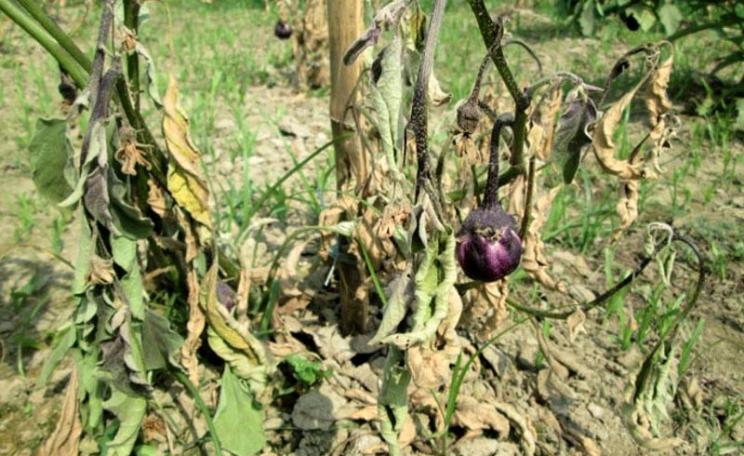
There's absolutely no evidence for BBC Panorama's claim of 90% success for Bt brinjal in Bangladesh, writes Claire Robinson. But that has not stopped the BBC Trust from dismissing all complaints against its monstrously dishonest report. Nor has it diminished the jubilation of GMO cheerleaders.
Of all the impacts of climate change, one stands out for its inexorable menace, writes Pete Dolack: rising oceans. And it's not just for distant future generations to deal with: new scientific studies show that people alive today may face 6-9 metres of sea level rise flooding well over a million sq.km including many of the world's biggest cities. So where's the emergency response?
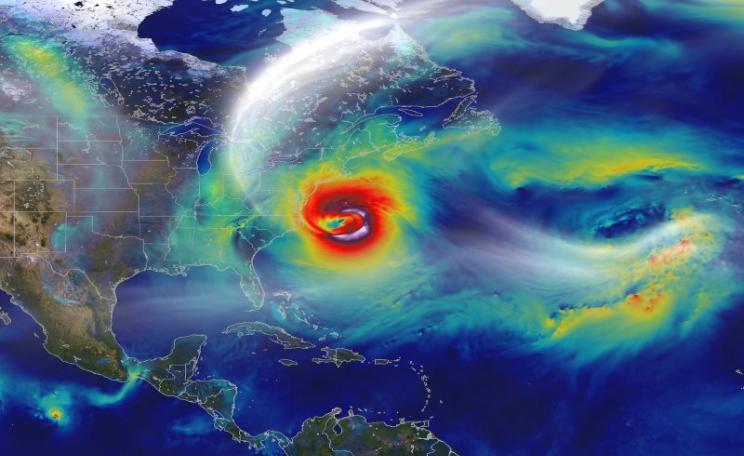
The giant waves that hit Cornwall's coast this weekend form part of a long term trend, writes Tim Radford. Extreme weather linked to global warming is leading to more violent and more frequent storms devastating beaches, ports, infrastructure and coastal communities on Europe's exposed Atlantic coastlines.
Just as climate change deniers leap from scientific uncertainty over the precise impacts of greenhouse gas emissions to certainty of little or no impact at all, so 'pro-nuclear environmentalists' conflate uncertainty of the mortality arising from Chernobyl and other nuclear disasters to certainty of few if any deaths, writes Jim Green. Their position is equally indefensible.
New research from Australia's Great Barrier Reef shows that no-take marine reserves don't just mean more and bigger fish, write Camille Mellin, Aaron MacNeil & Julian Caley. They also boost the resistance of reef communities to disturbances like storms, bleaching and predation, and speed their subsequent recovery. It's time for global rollout of coral reef marine reserves!
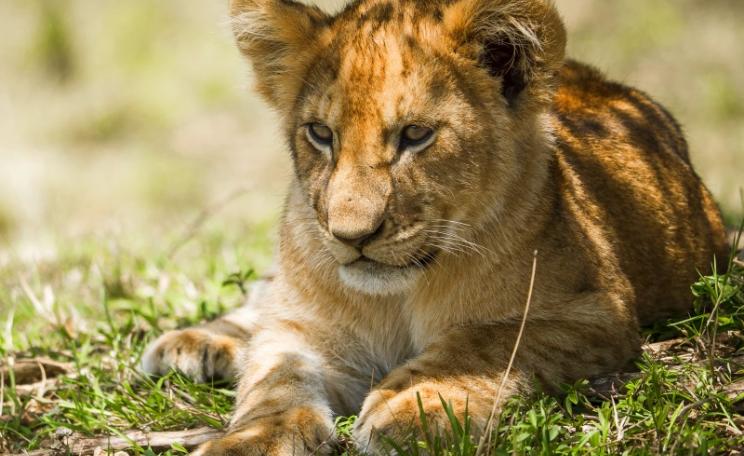
The conflict between lions and Africa's cattle herders goes back centuries, write Grant Hopcraft and Sara Blackburn - and lions have been the big losers in recent years. But where local people benefit from ecotourism, that ancient enmity can quickly be set aside. 'Community conservancies' around formal protected areas are helping both lions and indigenous communities to survive and thrive.
The term 'global warming' has a reassuring, comfortable sound, writes Jim Hansen. But paleoclimate data shows the reality could be anything but, with rapid climate oscillations, large, abrupt rises in sea level, major disruptions to ocean circulation, and massive superstorms. It may already be too late to forestall this dystopian future - but then it may not be. So let's act while we still can!