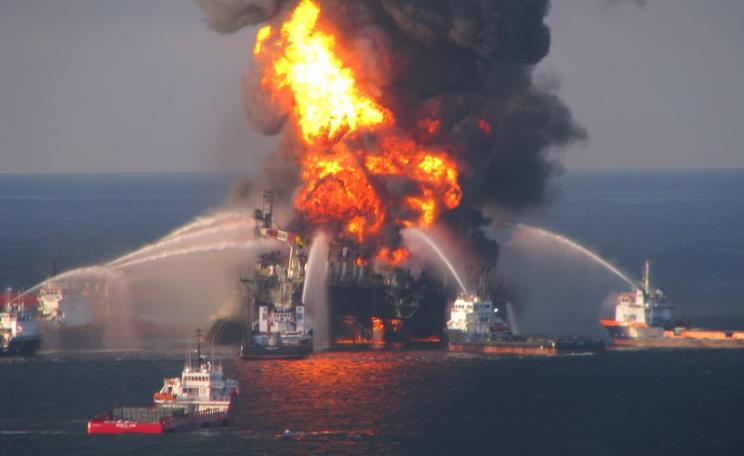
We must coldly examine how inherently dangerous systems work and how they fail, writes Earl Boebert, and then apply those insights to reducing the risk of failure through systems design, regulation, and education. That examination must apply the most modern and effective analytic tools. To do otherwise is to almost guarantee a repeat catastrophe.
The exclusion of fishers from the design of management plans for the vaquita, driven by conservation groups and implemented by the government, has led to polarized opinions and a large divide between communities and conservation agencies, writes Andrew Frederick Johnson. To save the vaquita, this needs to be replaced with a close collaboration.
Global CO2 concentrations have reached a historic new base of 400 parts per million, writes Alex Kirby, and are unlikely to fall below that level - 40% higher than the pre-industrial era - for many centuries to come. The WMO released the news just as the UK commits to a new London runway.
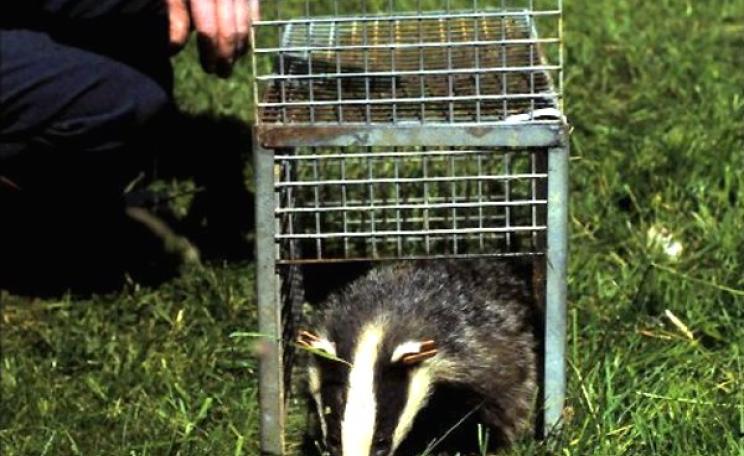
Wales has achieved enviable success in reducing bovine TB in its cattle herds without killing badgers, writes Lesley Docksey. The farming lobby is still demanding an England-style cull, but the Welsh government's 'refreshed' policy on bTB remains firmly science-based and no badgers will be killed without 'objective evidence' of infection.
Thirty years ago, there was no evidence that badgers spread bovine TB among cattle, writes Lesley Docksey. Nor is there now. Yet badgers are still being slaughtered in a futile attempt to control the disease. This timely republication of Richard Meyer's 1986 book reveals the belligerent ignorance of the officials, politicians and farmers driving the failed policy.
There's a simple way to induce us to make good environmental choices, writes Cass R. Sunstein: make them the default setting. Whether it's selecting double sided photocopies or renewable electricity tariffs, defining easily-overridden 'green defaults' is by far the most efficacious means to influence consumer choices for the environment and the planet.
England is about to extend its badger cull policy to five new areas of the country, proving that only that science is a dead letter to May's conservative government as it was to Cameron's. While bovine TB infections in cattle rise in the existing cull areas, Wales has just achieved a cull-free 14% reduction.
With today's news that badger culling will continue in Gloucester, Somerset and Dorset, and take place in three other counties, writes LESLEY DOCKSEY, there could be no more opportune moment for Dominic Dyer's new book 'Badgered to Death' to appear - expertly exposing the total absence of scientific evidence that badgers transmit bovine TB to cattle.
The very first GE product, a dietary supplement, poisoned thousands of people of which dozens died, writes Steven M. Druker. The first GE food, the 'Flavr Savr' tomato, caused stomach lesions. But a long campaign of concealment and deception by regulators and corporate scientists re-engineered the truth to present GMOs as so safe they did not even need to be tested for safety.
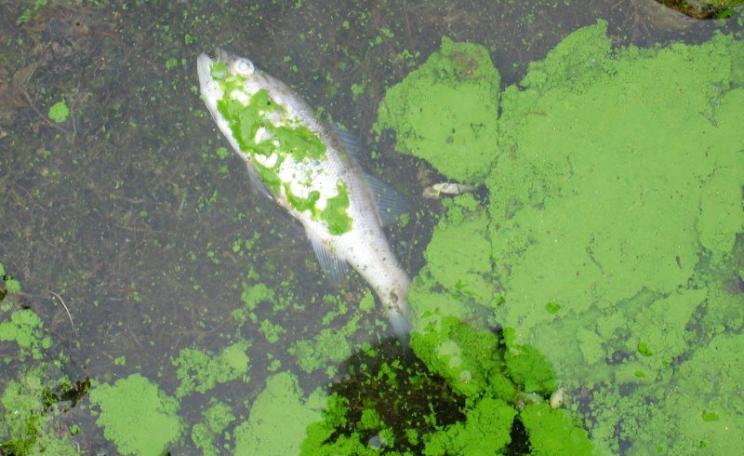
Ecosystems don't collapse a little at a time, writes JAMES DYKE, but all of a sudden. So how can we see the danger signs and act in time to save them? A new study of eutrophic lakes shows that the answer lies, not in easily-measured nutrient levels, but from a more subtle understanding of the lakes' shifting ecology and types of species: keystones, weeds and canaries.
The real reason why 'golden rice' remains uncultivated after a 20 year effort is its poor agronomic performance, write Angelika Hilbeck & Hans Herren. But beyond that, the very idea of golden rice as a 'solution' to Vitamin A deficiency fails to recognise the real causes of malnutrition - poverty, hunger and poor diet. How will golden rice reach poor children in the first place? And will they ever get the rich, oily diet they need to assimilate its fat-soluble nutrients?
Cornell student Robert Schooler was shocked at the pro-GMO propaganda emanating from Cornell University and it's Gates-funded 'Alliance for Science'. But rather than just complain about it, he decided to fight back - with his popular 'GMOWTF' website and an important lecture series this fall by GMO experts on the Cornell campus - the ones that Cornell has been ignoring for years.
Internal Glasgow University emails show that it terminated geophysics professor David Smythe's email account and access to scientific papers because his concerns about the impacts of fracking were upsetting its 'industrial research partners', writes Kyla Mandel - not as part of a 'routine review' as previously stated.
Although flowing water is fundamental to river ecosystems, temporary streams are distinctive landscape features that support surprisingly diverse communities, writes Rachel Stubbington. However, the biodiversity of these dynamic ecosystems needs greater recognition and protection.
Britain's political, economic and media elites will be the last to turn against the neoliberal system that spawned them, writes Jonathan Cook - even as it impoverishes the country and endangers our fragile planet. Cheered on by the Guardian, most Labour MPs would rather destroy their own party than let Corbyn and his backers make it fit for its 21st century purpose.
The Royal Society purports to provide unbiased information on scientific issues, writes Steven Druker. But its new guide on GMOs is grossly misleading - glossing over the many dangers inherent to the technology with bland, unsupported re-assurances. The Society must end its partisan promotion of GMOs or risk its reputation as Britain's premier scientific body.
The Chilcot report reveals that the UK has disclaimed any duty to decontaminate the toxic, radioactive ash left behind by its DU munitions, or even monitor the impacts on human health, writes Doug Weir. But Iraq and other countries are working towards a UN Resolution this October that would hold contaminating governments like the UK and the US legally accountable for DU pollution.
Greenpeace is being attacked for 'crimes against humanity' by 100 Nobel laureates for blocking GMO 'golden' rice, reports Claire Robinson. But the low-yielding crop is years away from going on sale, and there is no proof of any nutritional benefit to the malnourished children it's meant to benefit. Could the distinguished prize-winners have fallen for slick pro-GMO PR and spin?
As the EU prepares to vote on whether to re-authorise glyphosate this week, a new study finds that commercial formulations of the herbicide alter the development of rats' uteruses, potentially causing cancer and affecting fertility.
It's National Insect Week in the UK and the conservation charity, People's Trust for Endangered Species (PTES), is looking for Citizen Scientists to take part in its annual survey to record sightings of the stag beetle. Here's how to take part.
The key study that justifies the Government's claim that fracking is a climate change 'solution' is based on serious scientific errors, writes Nick Cowern. Not only has the Government failed to correct them, but it is now delaying the publication of a new official report that would reveal the truth - that fracking is considerably worse for the world's climate than coal.
The UK government is all for fracking, writes Dr Robin Russell-Jones, but on climate grounds alone it should be banned. Evidence from the US shows that shale gas is twice as dirty as coal from a climate viewpoint due to 'fugitive emissions' of methane. That makes fracking incompatible with the UK's climate change commitments and the Paris Agreement - as the CCC may soon rule.
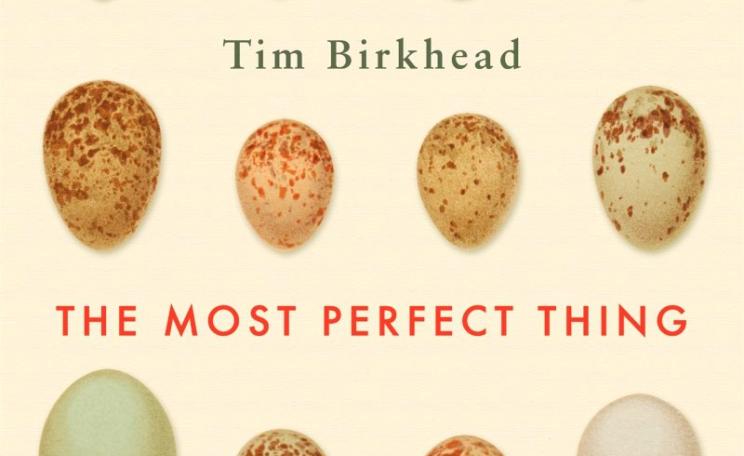
Birds eggs are wonderful, as Tim Birkhead makes clear in his new book. But they are also enigmatic, mysterious, their secrets not lightly surrendered. Every kind of egg is perfect in its own way, writes Martin Spray, but the logic that underlies their characteristic designs, colours and shapes eludes the most assiduous of oologists.
The mainstream British media have long acted as cheerleaders for GMOs, but none quite so much as The Times and its disgraced correspondent Matt Ridley, writes Colin Todhunter. His most recent article on the topic is a strange concoction of misrepresentations, falsehoods and blunders dressed up as science, and reflects both his ignorance of the real facts and his deep ideological commitment to corporate profit and power.