The government / NFU badger culling policy is based on a single study, the Randomised Badger Culling Trials (RBCT), which found that area-wide badger killing reduced TB 'breakdowns' in cattle herds. But a robust reanalysis of the RBCT data reveals that culling is entirely ineffective, writes Tom Langton. The only scientifically valid conclusion is that culling badgers has no effect on TB in cattle. Defra and Natural England must think again!
The Bovine TB conference in London last week was disrupted by media reporting of scientific conflict over badger culling studies, writes ecologist Tom Langton. But the real story is the collapse of confidence in the Randomised Badger Culling Trials, used to justify the mass killing of badgers; and the emergence of reliable new TB tests. The simple solution: stop the cull, and spend the money on gamma interferon cattle TB testing.
Below-par farm biosecurity should block farmers from participating in England's badger culls, writes Anna Dale. But a large body of evidence of poor and negligent biosecurity by farmers suggests that Natural England, the government's official regulator, is turning a blind eye to this strict requirement - and undermining the purpose of the cull.
Just as long term research into the health impacts of the 'electrosmog' created by wifi and mobile phones is yielding its first results, it's at risk of sudden termination from President Trump's budget cuts, writes Paul Mobbs. But the cuts have little to do with saving money - and a lot to do with protecting corporate profit and economic growth from harsh truths, including evidence that electrosmog causes cancer in laboratory rats, and maybe humans too.
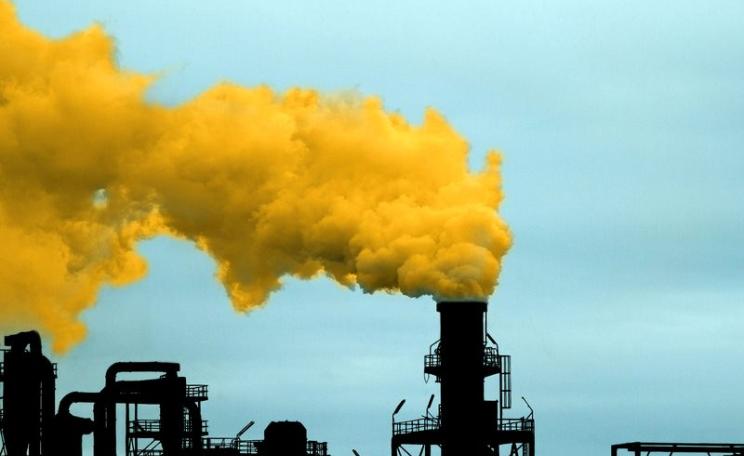
Natural gas is meant to be a far lower carbon fuel than coal, writes Steve Horn. But a new study shows that methane leaks from gas power plants and oil refineries are 20-120 times higher than thought. And with methane a greenhouse gas almost 100 times stronger than CO2 over 20 years, the leaks are equivalent to about a tenth of the US's CO2 emissions.
The troubled project to develop GMO 'golden rice' cultivars has just hit a serious obstacle. An attempt to breed the 'event' responsible for carotenoid production into a commercial rice variety has produced widespread genomic instability, causing weak plants and poor grain production. Has the golden rice hype bubble finally burst?
We know the outcome of Defra's latest 'public consultation' on killing badgers long before the results have even been analysed, writes Lesley Docksey. Environment secretary Andrea Leadsom has already promised farmers to extend the cull 'even further' - although it brings no proven benefits. Welcome to the new world of 'alternative facts' that's driving UK government policy.
The mass poisoning of farm animals in Kent in 1963 was traced to a factory where a pesticide developed as a WWII chemical warfare agent was manufactured, writes John Clark. The event, so close to the publication of Rachel Carson's 'Silent Spring', galvanised a growing ecological awareness - all the more so as the government's only wish was to hush the matter up.
The election of President Trump is driving the planet towards oblivion - according to the elite scientific body behind the Doomsday Clock, writes Chris Busby. But isn't Trump's commitment to reduce East-West antagonism and ally with Russia's President Putin against terrorism reducing the risk of nuclear war? So far, Trump is sticking to his promises. Let this one be no exception!
Reeling from California's decision to ban glyphosate, fearful of 're-evaluation' by EU and US regulators, and facing ruinous cancer claims in federal courts, the US chemical industry are fighting back, writes Carey Gillam. Their key argument: don't trust independent doctors and scientists - trust us! And as they just told a California court, profit must come before people.
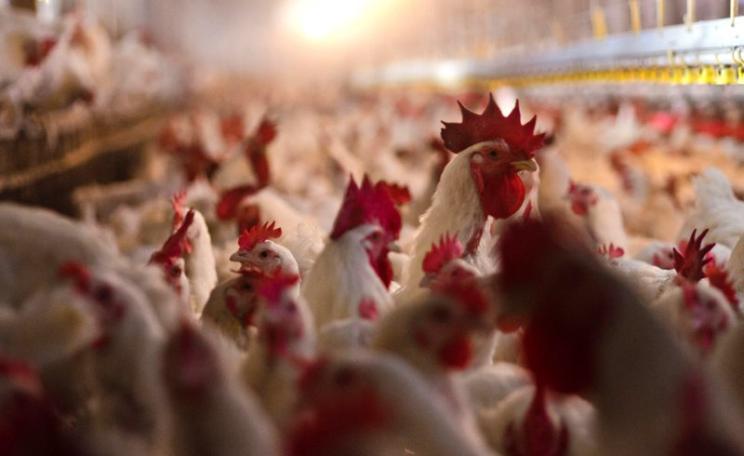
As deadly H5Nx bird flu strains diversify in giant, fast-rotation flocks and and adapt to poultry that tens of thousands of human handlers care for and process every day, the emergence of a deadly human-specific flu becomes ever more likely, writes Robert G. Wallace. The industry can no longer blame wild birds for the problems it is creating - and must urgently reform its own practices.
Building on a talk prepared for the Resurgence 'One Earth, One Humanity, One Future' conference, (although not presented at that event) Fritjof Capra explains new scientific evidence supporting the long-held supposition of Buddhists and others that humans are interconnected and part of nature.
A 145,000 sq km area of peatland swamp forest has been discovered in the Congo Basin, writes Tim Radford, and it holds a record 30 Gt of carbon, equivalent to 20 years of US fossil fuel emissions. Now the race is on to protect it from damaging development that would emit that carbon over coming decades.
Alexey V Yablokov (1933-2017) was a scientific giant of the post-Chernobyl age, writes Chris Busby. It was he who brought together the work of dissident Soviet scientists and revealed to the world, in English language, the true health impacts of the Chernobyl nuclear catastrophe. His hard work and dedication underlies the continuing opposition to the nuclear industry today.
As Kraków, Poland's second city, takes steps to protect its citizens from rising electromagnetic 'smog' from mobile phones, wifi, Bluetooth, smart meters and other devices, Lynne Wycherley summarises 2016's news highlights on the emerging bio-risks of rising exposure to non-ionisiong radiation. For how much longer can governments continue to ignore the growing evidence of harm?
Cutting-edge molecular profiling analyses reveal that the popular weedkiller Roundup causes serious liver damage to rats at low doses permitted by regulators, reports Claire Robinson. The findings suggest that residues of glyphosate-based herbicides in food could be linked to rises in the incidence of non-alcoholic fatty liver disease, obesity, diabetes and 'metabolic syndrome'.
The US Environmental Protection Agency was on the defensive last week in its hearings to determine whether glyphosate, the word's number one herbicide, causes cancer, writes Carey Gillam, as it stood accused of giving preferential treatment to industry representatives, excluding evidence of cancer links, and refusing testimony from a world expert epidemiologist.
The Lifetime Study of Japanese A-bomb survivors is a monumental fraud which deliberately excludes controls for being 'too healthy', writes Chris Busby. Put them back in, and you find that low levels of radiation cause over 100 times more cancer than they are 'meant' to, creating a silent global massacre of the innocent. Under the Euratom treaty, the entire nuclear industry must now be 'rejustified'.
160 global groups have called for a moratorium on new 'genetic extinction' technology at the UN Convention on Biological Diversity meeting in Cancun, Mexico. Gene drive technology, they say, poses serious and irreversible threats to biodiversity, national sovereignty, peace and food security.
Al available science indicates that badgers have little if anything to do with bovine TB in cattle, writes Lesley Docksey. This is reflected in Wales's consultation on its 'refreshed TB Eradication Programme'. We must hope that Northern Ireland's bTB Eradication Strategy will be equally science based - and ready to campaign hard if it relies on cruel, ineffective and expensive badger culls.
Article 6 of the Euratom Treaty provides for nuclear industry practices to be rejustified in the light of new scientific evidence of harm to health, writes Chris Busby. We now have that evidence, in particular that radiation exposure even at very low levels causes severe and heritable genetic damage to people and entire families. Now, we must use the law to protect our health from radiation!
Record global temperatures in 2015 and 2016 are causing a humanitarian crisis that is more than double that of conflict as a cause of displacement and migration, the WMO stated today. Heatwaves, flood, drought and fires are all contributing to the declining food and water security affecting over 60 million people worldwide.
This summer families of atom bomb test veterans who have died of cancer took the UK government to the High Court for its failure to compensate them, writes Chris Busby. Also on trial was the 'official' radiation risk model, which understates the true health hazards of internal exposures by a factor of 1,000. But 17 weeks after the case, litigants and veterans are still awaiting judgment.