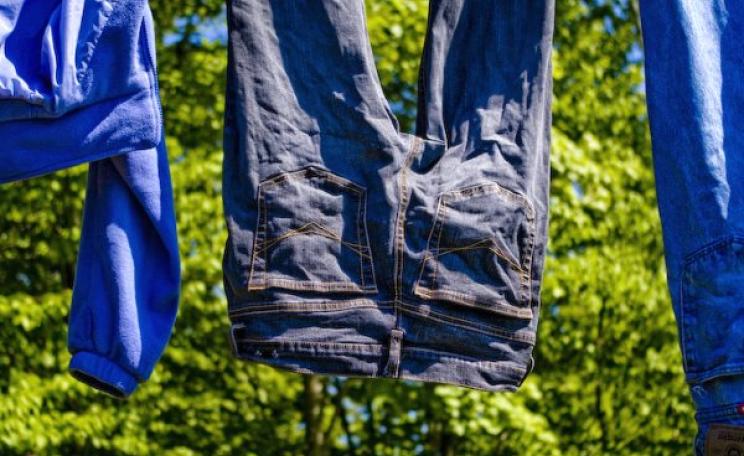
In an independent cotton sustainability ranking released earlier this week by Pesticide Action Network (PAN) UK, Solidaridad and WWF, just eight out of 37 companies make it out of the red zone. Only home furnishing giant IKEA, which tops the list, is in the green zone.
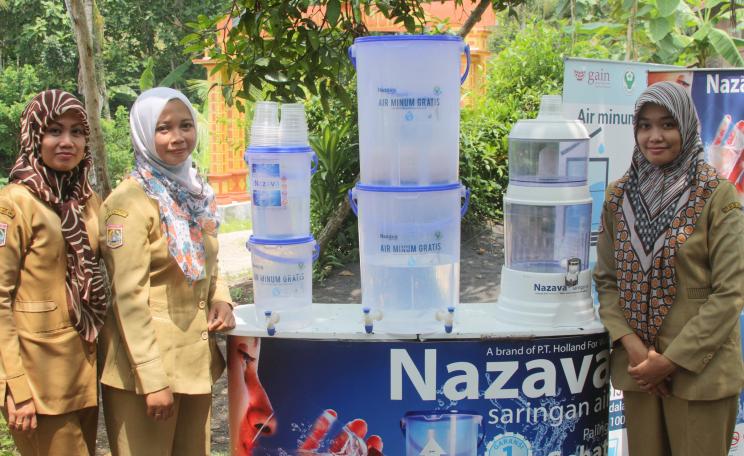
Later this week, an organisation that has helped make safer drinking water available to families in Indonesia will receive the new Ashden Award for Sustainable Energy and Water 2016. Here, Chhavi Sharma, explores the importance of using sustainable energy technologies to supply safer drinking water around the world.
The EU referendum debate is taking place between different wings of the corporate elite, dominated by assumptions in favour of big business, free trade and endless economic growth, write Helena Norberg-Hodge, Rupert Read & Thomas Wallgren. But to vote for a sustainable future we must adopt a very different, local perspective - one you'll never find in UK's 'mainstream' media.
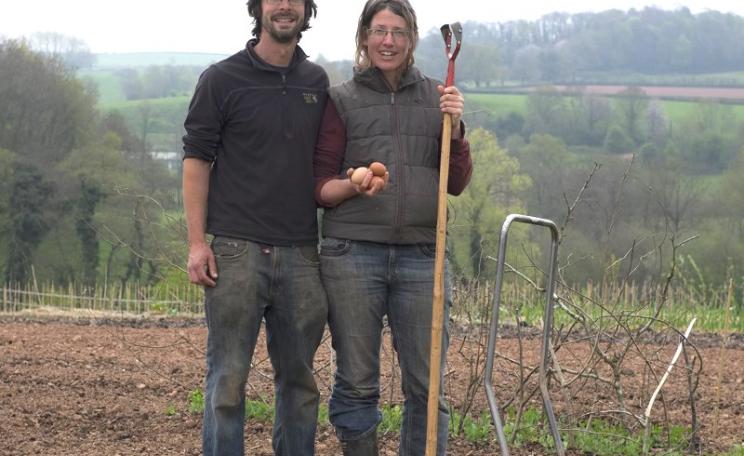
For most of 2015 Walter Lewis travelled around England and Wales meeting and photographing people producing food outside the confines of mainstream agriculture - working out of a passion for the earth and the Earth rather than for commercial gain. He completed his exploration inspired, and determined to spread word of quiet revolution under way across the fields of Britain.
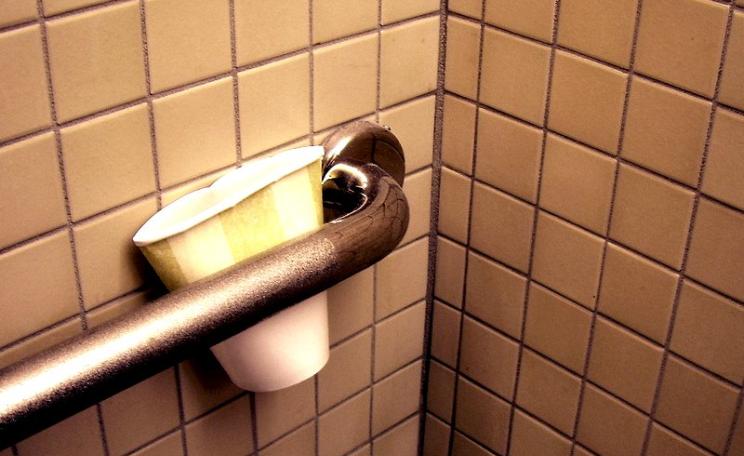
Our insatiable appetite for expensive coffee is causing a global trail of waste and destruction, writes Donnachadh McCarthy. Following the successful campaign for a 5p plastic bag levy, it's time to move on to a much larger 25p levy on disposable coffee cups - making those that profit from the waste carry the cost of its disposal.
Despite Cameron's promise to lead the 'greenest Government ever', the environment has taken a heavy bashing since the 2015 election, writes David Clubb - whether on oil, fracking, renewable energy or planning policy. But Wales is doing its best to follow a sustainable path, and demonstrating badly needed environmental leadership that the whole UK would do well to follow.
The most significant feature of COP21 is the topics that never even made it onto the agenda for discussion, writes Steffen Böhm. And the biggest of all the growth-driven economic system that ultimately thwarts all efforts at sustainability, as it drives ever increasing consumption of energy and resources.
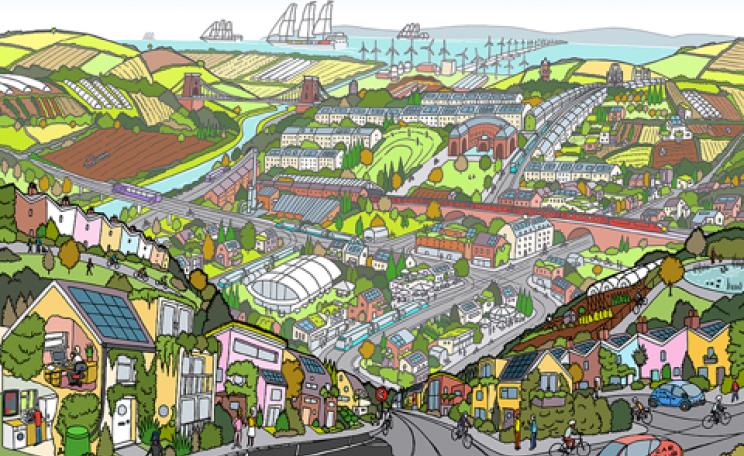
A new government website to promote more sustainable lifestyles is hopelessly lacking in ambition, write Kirstie O'Neill, Adrian Friday & Adrian K. Clear. We need to be re-engineering our infrastructure, re-imagining society and re-thinking the ways we live for disruptive, transformative change - not tinkering ineffectually at the margins of 'normality'.
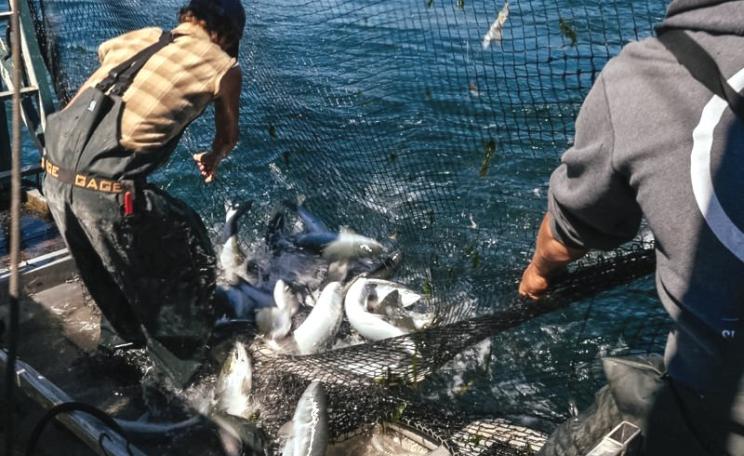
A salmon fishing cooperative in the Pacific Northwest draws on indigenous practices and state of the art technology to be among the world's most sustainable and selective fisheries, writes Kevin Bailey. With its clean harvesting techniques, minmimal bycatch, 99% survival rates for released fish, renewable energy supply and efficient supply chain, it sets a standard for all to follow.
To reduce the pressure on the world's productive land and to help assure long-term food security, writes Herbert Girardet, city people are well advised to revive urban or peri-urban agriculture. While large cities will always have to import some food, local food growing is a key component of sustainable urban living.
Nobel's choice of prizes addressed the key disciplines of his time that conferred greatest benefit on mankind, writes James Dyke. To his initial selection an economics prize was later added - so what's to stop us adding a new one for sustainability - how mankind can live in harmony with planet Earth and all who sail on her?
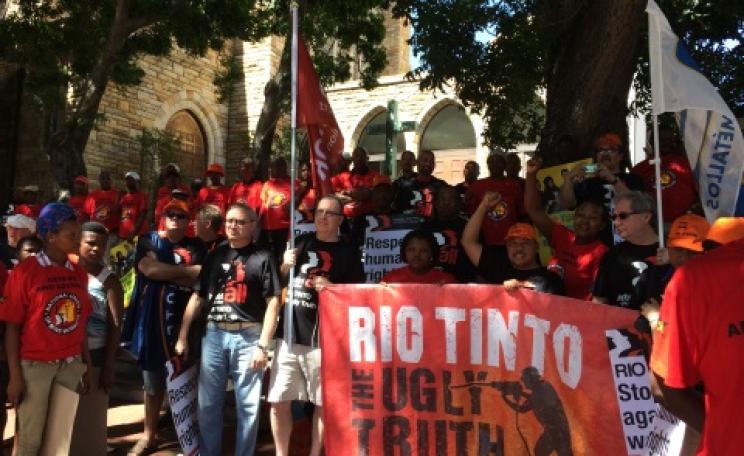
Global mining giant Rio Tinto markets itself as a 'sustainable company', writes Kemal Özkan. But serious failures in its reporting, and its attempt to hold an Australian indigenous group to ransom, reveal a very different truth: the company is driven by a reckless pursuit of profit at any cost.
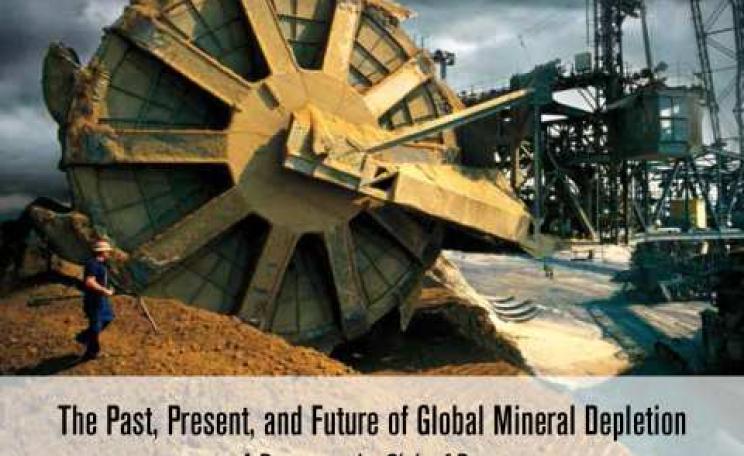
Are we going to run out of minerals? That's the central question of a debate that has been raging for a couple of centuries, writes Ugo Bardi, when it first became clear that minerals are not life forms - and do not reproduce as we extract them from the Earth's crust.
Football fans around the globe have their eyes set on Curitiba, Brasil this year, the site of the 2014 World Cup. But as Brian Barth reports, eco-savvy urban planners have been studying Brasil's seventh largest city for decades ...
To achieve true sustainability, ecological movements across Europe must push for independence from an EU ideologically locked into a neoliberal 'free trade' agenda wedded to endless economic growth, writes David Acunzo.
Student Unions from across the UK have been performing and filming eco-stunts to spread sustainability ideas, in a quest to win this year Green Impact Communications Challenge Award.
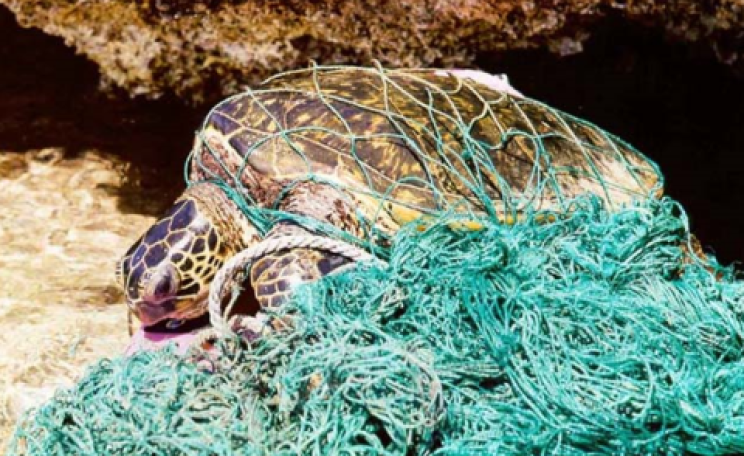
Ghost nets - nylon fishing nets abandoned in the ocean - are the sea life killers that keep on killing. Roisin Woolnough reports on the Healthy Seas initiative to transform the ghost nets into useful products from socks and swimwear to carpet tiles.
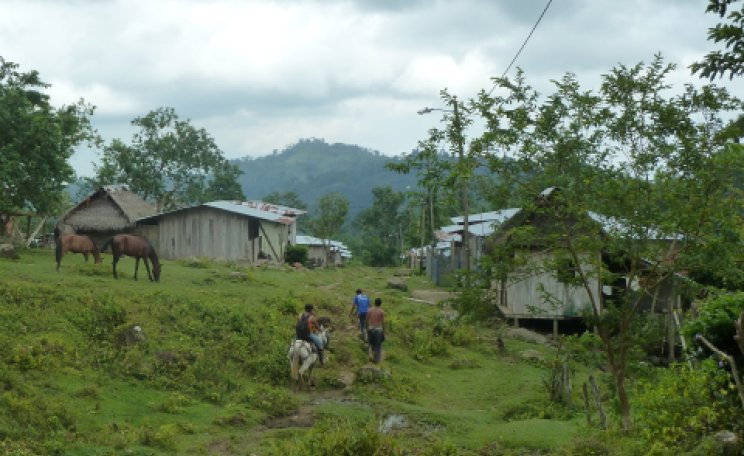
Gwen Burnyeat tells of her encounter with a unique peace community in Colombia, who are promoting systems of local sustainability and guardianship that protect both people and the environment.
The Ecologist meets David Stubbs - the man who holds the 2013 Chartered Institute of Ecology & Environmental Management Medal. It is the first time the Medal has been awarded to a professional ecologist working outside what might be considered the traditional boundaries of the discipline......
Jeremy Wickremer explains why he believes permaculture offers multiple answers to societal and environmental problems in a beautifully simple and effective way.