The IPCC's most important ever assessment of global warming warns that the world must cut its carbon emissions must be cut sharply and soon, writes Damian Carrington - and the cost is affordable. But in fact, emissions are rising at record levels, and the IPCC's strong support for unproven-at-scale CCS technology will leave many mystified.
The National Grid's forecast for UK power supply this winter relies on overstating the availability of increasingly unreliable nuclear power stations, writes Chris Goodall. Realistic estimates of nuclear, gas and coal power station availability shrink the 'safety margin' to zero.
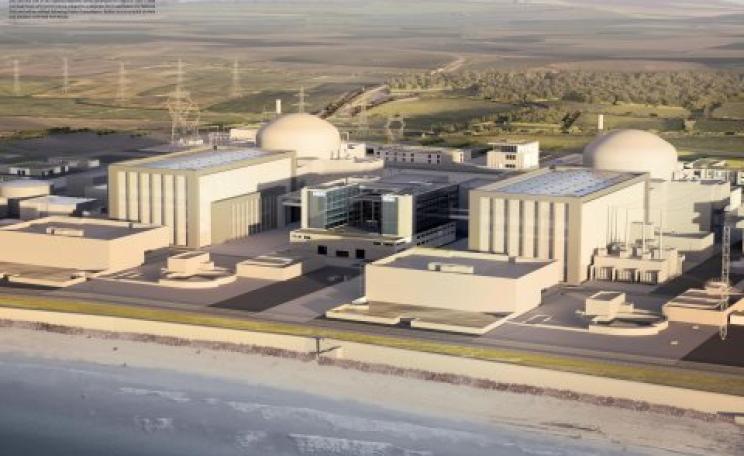
Opponents of nuclear power hold up the planned Hinkley C as an examplar of waste and idiocy that could cost the UK over £30 billion in subsidies. Chris Goodall agrees - and fears that an impending fiasco with the 'unconstructable' and commercially disastrous EPR design may kill off the UK's nuclear aspirations for a generation.
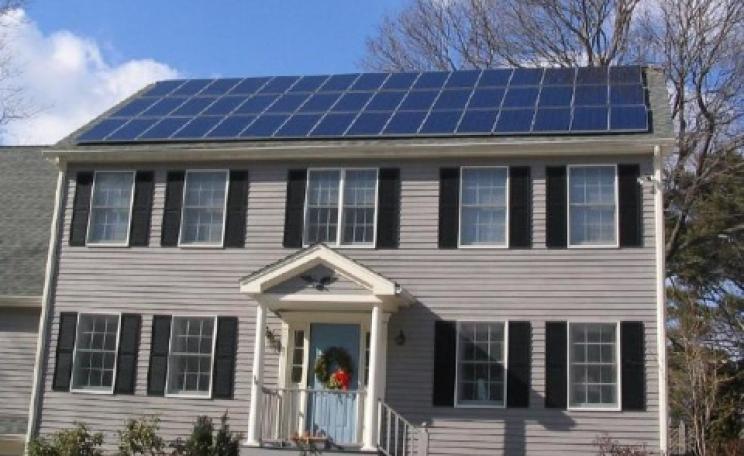
Keith Barnham's new book reveals the giddying and glorious plethora of the solar technologies that lie at the heart of the all-renewable energy system that awaits us, writes Jonathan Porritt - making it 'one of the most exciting and genuinely hopeful books' that I've read in a long time'.
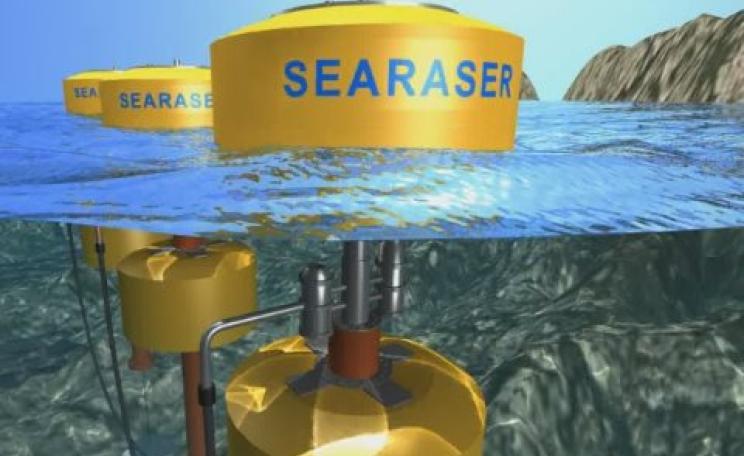
A new wave power generator has moved closer to reality after successful testing in simulated marine conditions. An array of the 1.5MW 'Searaser' devices could be deployed on Britain's coast within a few years.
There's an Alice in Wonderland flavour to the nuclear power debate, writes Jim Green. Lobbyists are promoting all sorts of new reactor types - an implicit admission that existing reactors aren't up to the job. But the designs they are promoting have two severe problems. They don't exist. And they have no customers.
Faced with a worldwide 52% decline in wildlife numbers over 40 years, Paul Jepson calls for action, not despondency. A new, inclusive vision of how to conserve and rebuild biodiversity is needed - that embraces diverse solutions, engages new technologies, inspires a new generation of leaders, and echoes the call of the wild.
Of course we must quit burning fossil fuels and welcome a renewable future, writes Andrew Lockley. But that's not going to stop the Earth from warming, indeed the reverse. So ... we need some tricks up our sleeve to deal with it - in a word, geoengineering. Because it will save our lives, and our planet.
It was a great story, writes Andrew Lockley - scientists signing up to a 'Berlin Declaration' imposing an effective 'test ban' on outdoor geoengineering experiments. Except there was no declaration, and scientists never agreed to it. The world's media got it completely wrong, yet the mud will stick - and may cause severe harm in the fight against climate change.
Campaigning has never been so easy - sign an Avaaz petition here, send an email there ... and the world is soon put to rights, no? No, writes Paul Mobbs. We must examine the impacts and implications of our e-life, from climate change to corporate dominance, and take control of the technologies we increasingly depend on.
How do we spur more microgrids powered by renewable energy? Deregulate, writes Bill Watkins, ending the monopolies enjoyed by centralized energy companies. The alternative is to keep consumers and micro-generators stuck with the energy equivalent of the 'Princess' phone.
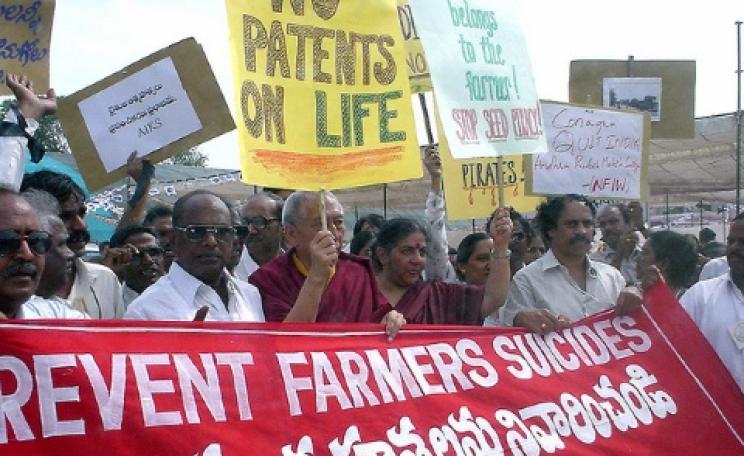
Recent decades have seen a hardening global clampdown on the rights of farmers to use, save, develop, share, swap and distribute the seeds that produce the food we all eat, writes Andrew Kimbrell - and which constitute an essential common heritage of mankind. Here's his plan to fight back against the seed monopolists ...
Already 56,000 people have pledged to support a global 'internet seed swap' initiative promoted by Avaaz, writes Julian Rose. Trouble is, the plans are deeply flawed, and have been developed without consultation with major seed saving groups worldwide.
Following The Ecologist's revelation about Ecover's use of synthetic biology to make laundry detergent, the company has put its trials on hold, writes Jim Thomas. But to regain public trust, the company must re-engage honestly with its critics, and its customers.
Our current electricity system cannot accept much wind and solar power because they lack the 'inertia' of spinning turbines that stabilises grid voltage, writes Marek Kubik. But that's no reason to limit renewables - there are new, smart solutions ready for deployment.
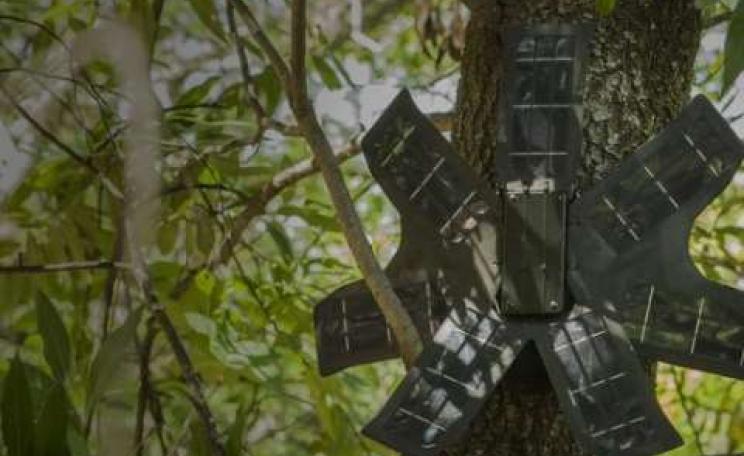
Networks of recycled smartphones are powering a crack down on illegal logging and poaching, writes Alex Kirby. The technology will help combat devastation of trees and wildlife in threatened habitats worldwide - beginning with Africa.
Nuclear power is neither beautiful, nor safe, nor cheap, writes Justin Keating - a message to the United States, where the Obama administration has pledged to waste over $200 million financing the 'Small Modular Reactor' (SMR).
Humanity has always lived under the threat of extinction, writes Anders Sandberg. Now we have reduced some of the dangers - but created new ones of our own. And right now, it's the anthropogenic threats that look the scariest ...
The New Sylva is a worthy successor to John Evelyn's original of 1644, writes Colin Tudge, with superb line drawings and a text that looks more to the future of Britain's trees, than their past. A book for ladies, gentlemen, 'meer woodsmen' and 'ordinary rusticks' alike.
A massive citizen-powered climate simulation conclusively links the UK's winter floods to global warming, writes Simon Redfern. Over 33,000 climate models running in 'screen saver' mode show a powerful connection between hotter oceans and UK rainfall.
The issues surrounding powerful new technologies from GMOs to nuclear power appear disparate, writes David King - but look harder and most are linked by common threads. Key among them are issues of profit, control and socialisation of cost ...
The long-term effects of synthetic chemicals used in packaging, food storage and processing food could be damaging our health, scientists have warned. Jo Adetunji reports.