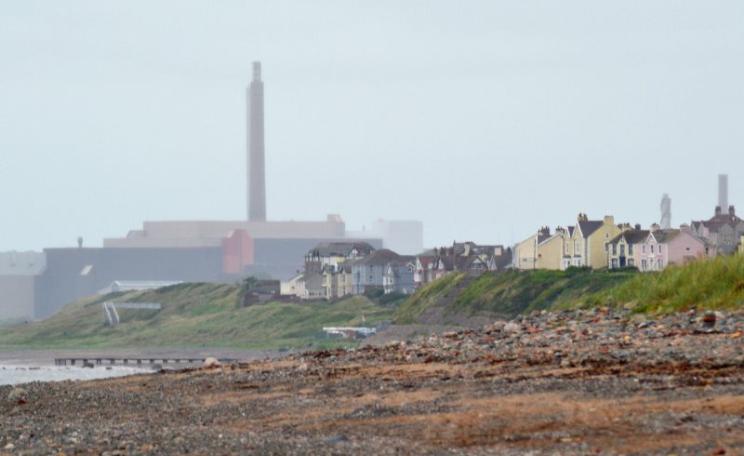
Despite the PR spin the truth about nuclear power is clear, says Paul Flynn. Current projects are plagued with technical failures, cost escalations and long delays - while renewables power ahead. As tin-eared ministers refuse to get the message, it's time for civil servants to speak out direct to the public.
Rising temperatures are now affecting countries' ability to wage war, writes Richard Galustian, with Britain's new Type 45 destroyers left without power as warm Gulf and Mediterranean seas close down their engines. Will this, finally, force our politicians to understand that climate change is real and dangerous?
The Apollo Programme proposed this week to make renewable energy cheaper than coal through technological advances is welcome, writes James Dyke. But the real problems are political, not technological. Unless we back the Apollo vision by challenging the power of fossil fuel companies, it can never succeed.
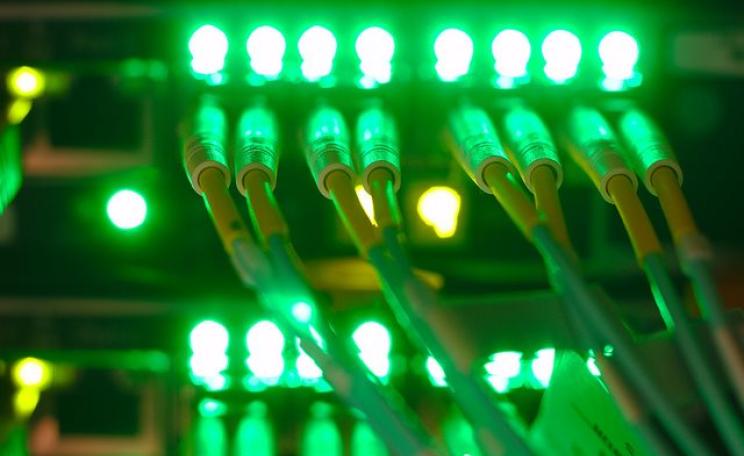
Powered by 100% renewable energy, Apple is maintaining its lead as the internet's greenest company, But others are lagging behind: Google has yet to reach 50% and relies heavily on coal, while Amazon's AWS, the massive 'dark cloud' of the web, won't even answer questions.
A new high-performance 'aluminum-ion' battery could be the technical breakthrough needed to boost the renewable energy takeover. It's safe, uses abundant low-cost materials, recharges in one minute and withstands many thousands of recharge cycles.
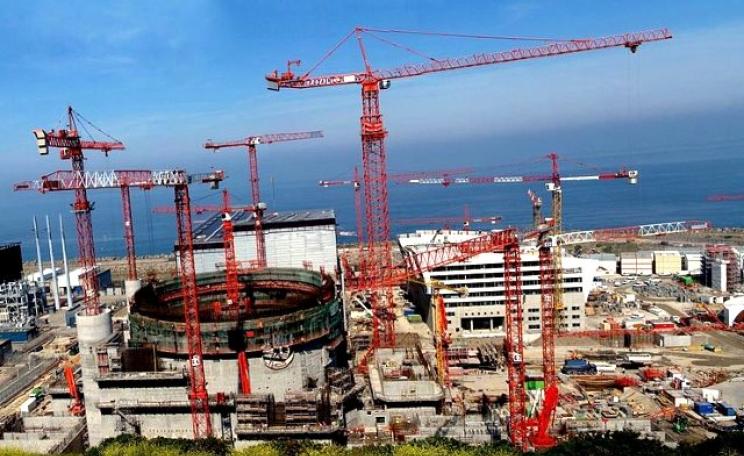
A serious flaw in the steel reactor vessel of a nuclear plant under construction in France raises safety fears for the EPR design, write Paul Brown & Oliver Tickell - and casts a dark shadow over the UK's troubled Hinkley C nuclear project.
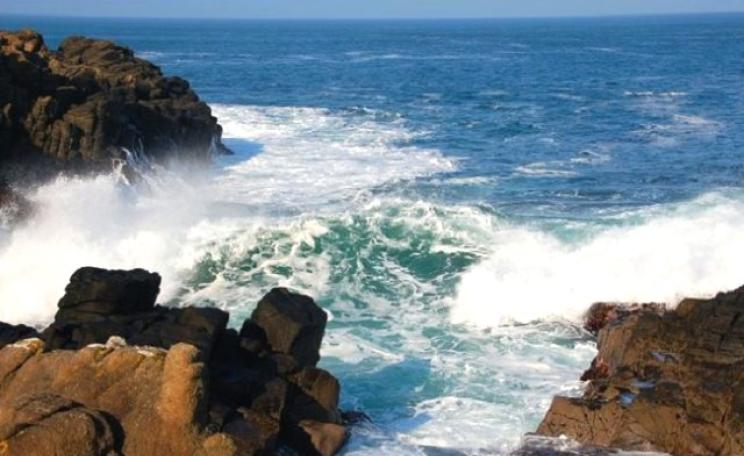
Wave power has a huge part to play in supplying the US with clean, renewable electricity, writes Shalinee Kishore. But to achieve its full potential, we must harness not just the energy of waves, but their predictability - and so so ensure the smooth integration of wave power into the electricity grid.
The history of genetically modified food has been one of systematic deception and fraud by corporations, scientists, media and regulators, Steven Druker writes in his remarkable new book. Jane Goodall finds the story by turn fascinating, chilling, distressing and ultimately, hope-inspiring.
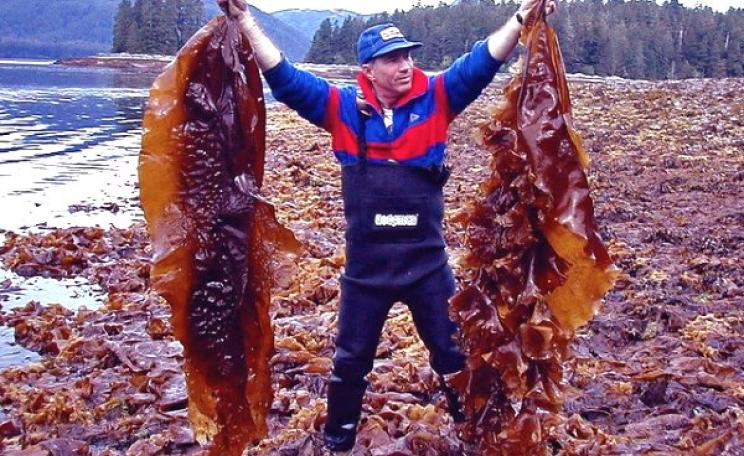
Biofuels are controversial because they are often produced from food crops or grown on farmland, writes Paul Brown, creating extra pressure on land and forests. But a common algae found in abundance around coastlines and clogging up beaches may be the answer.
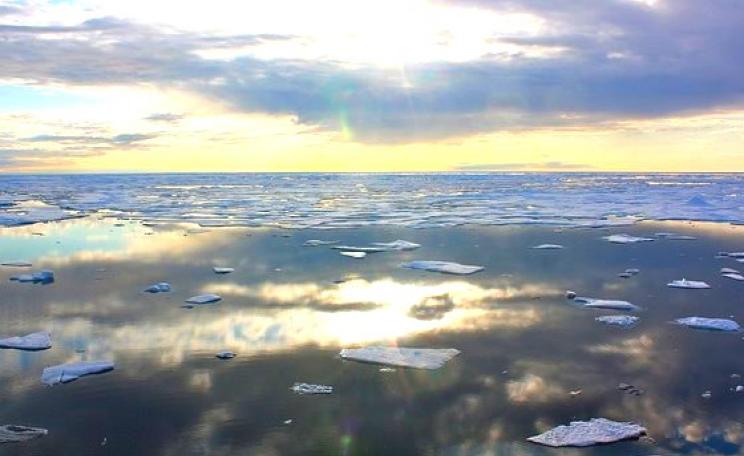
The Arctic Ocean is coming close to complete summer meltdown, writes John Nissen - indeed it could happen as soon as September, triggering a severe deterioration in climate across the northern hemisphere. With fast-rising temperatures predicted in the coming decade, we must act now to save the Arctic, before it's too late.
The IPCC's 'Representative Concentration Pathways' are based on fantasy technology that must draw massive volumes of CO2 out of the atmosphere late this century, writes Nick Breeze - an unjustified hope that conceals a very bleak future for Earth, and humanity.
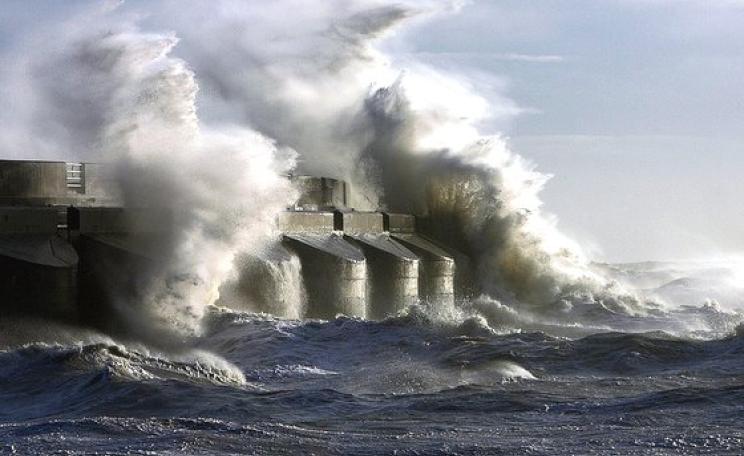
Scandinavian inventors are hoping that efficient new waves power technologies will for the first time make the sector competitive with other renewable energy sources, writes Paul Brown - opening up a massive new clean energy resource around the world.
The geoengineering genie should remain firmly stopped up in its bottle until a robust case is made for letting it out, writes Clive Hamilton - and that's something the NRC's new report signally fails to achieve, providing no rationale for deploying the technology, or even experimenting with it.
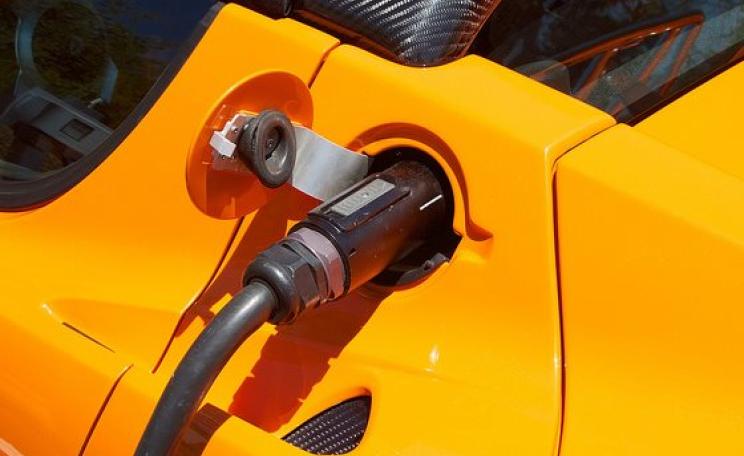
78 records didn't come to an end because the world ran out of shellac, writes Chris Goodall. And today's cars won't be made obsolete by a shortage of oil, or even climate change. The transition will be driven by falling prices, long range, clean air laws, and the superb style, performance and driving experience they offer.
Aerial surveillance is a proven and effective technique in tackling wildlife crime, writes Elizabeth Claire Alberts - so the arrival on the scene of a new wildlife organization dedicated to providing air reconnaissance services to frontline environmental defenders couldn't come too soon.
Egyptian researchers have come up with a solution to the a lack of sunlight in Cairo's narrow and dingy streets, writes Patrick Keddie: a sine-wave panel that reflects light as soon as the sun rises. Initial tests indicate a potential five-fold increase in light levels.
Using new technologies to take on poaching in Africa is reaping big dividends, writes Thomas Snitch. Where drones are deployed as part of an integrated package of measures, poachers quickly give up. The trouble is, they move to other unprotected locations. So we must extend the program to all of Africa's most at-risk areas.
From Australia to the UK, governments are pinning their hopes on 'carbon capture' technology stuck onto coal power stations, writes John Quiggin. But their choice carries a high risk of failure - the smart money is on renewables, energy storage and responsive power grids.
Air quality across the UK is currently monitored by just a few hundred fixed stations, writes Prashant Kumar. That leaves most of us ignorant about the pollution we are breathing. But tiny air quality sensors in our mobile phones could soon create a network of millions of data points - and spur much needed official action to clean our air.
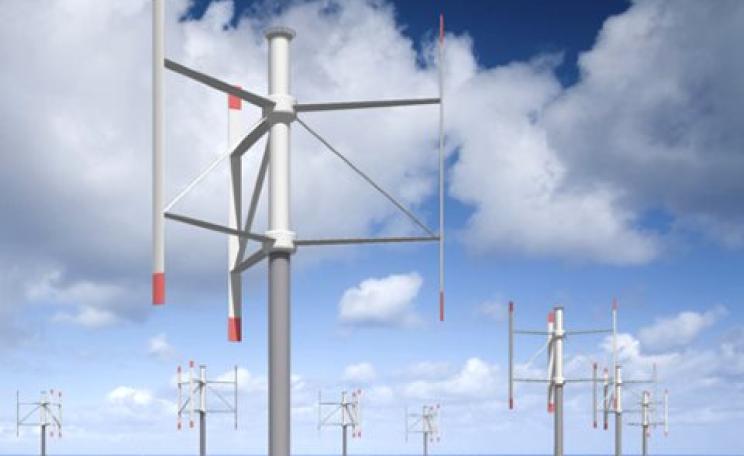
Offshore wind turbines are trying to reproduce at sea what works on land, write Maurizio Collu & Michael Borg. But it's proving a costly and high maintenance exercise. It's time to switch to new 'vertical axis' designs that promise to be cheaper to build and operate.
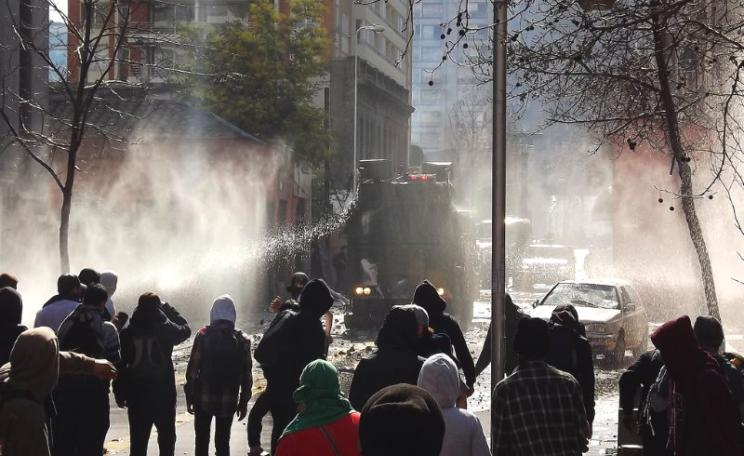
A fusion of drone systems and chemical agents is set to transform the landscape of combat for states and non-state actors alike, writes Paul Rogers. These technologies won't just be used for warfare, but for 'public order' ... suppressing riots, protests and political dissent. Forget water cannon - this is the real deal.
Film maker Nick Breeze has conducted a series of interviews with experts on 'geo-engineering' to forestall runaway global warming. Here he presents the distilled wisdom from his meetings - and concludes that we should at least be experimenting with the techniques, and studying their impacts.
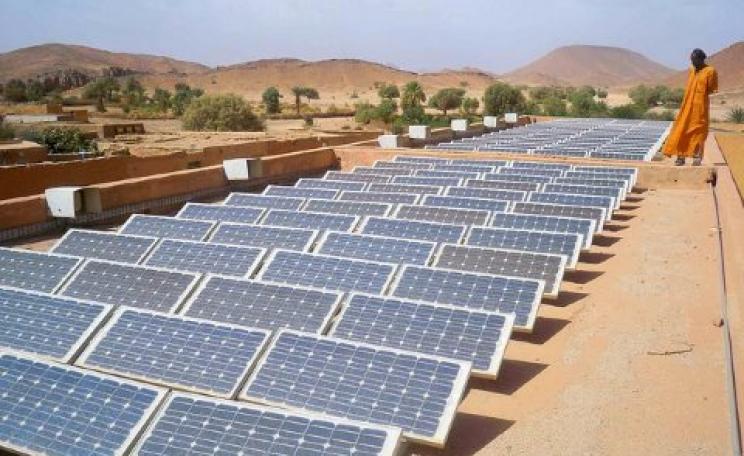
A bunch of innovations are taking place in the world of solar power, writes Zachary Davies Boren - and one or more of them could just propel the technology from providing just 1% of the world's electricity, to dominating the world's energy supply. Provided they work ...
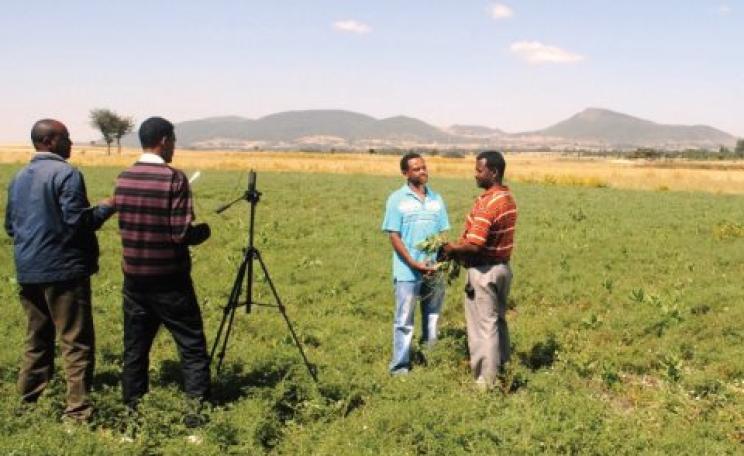
Modern technology has a lot to offer small farmers in poor countries, writes Tony Juniper - just not the GMOs and pesticides that are widely touted. But how about film, digital communications and smart phones? These new media can empower farmers and allow them to share knowledge and experience of how to produce more, from less.