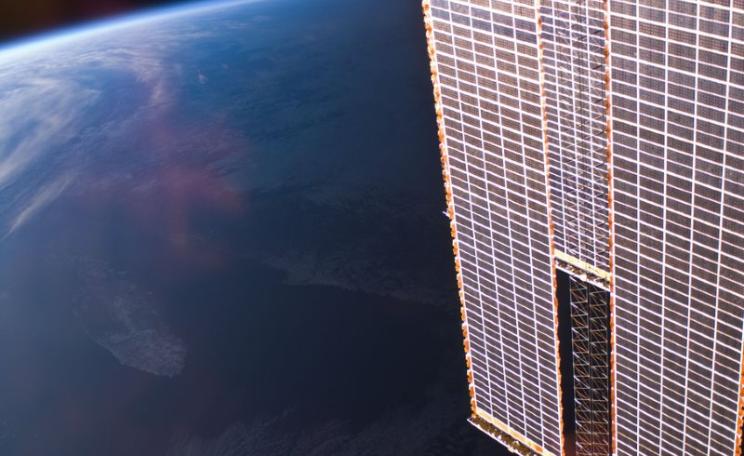
What's the new 'big thing' in energy? Of course, cheap, abundant solar power is very new and very big. But to make it work on a really large scale we need to be able to store its energy to use when we need it, not just when the sun is shining. Soon the batteries will be there to make that possible - at a price we can afford. And that will be a very big thing, indeed.
The European Parliament voted this week to regulate nano-materials in the pending EU law on novel foods, write Jaydee Hanson & Evan Bromfield. But no such moves are taking place in the US. Let's make this the last time our children are exposed to these hazardous substances in their Halloween candy!
Hydrogen cars - and the fuel cells that drive them - are about to get a whole lot cheaper thanks to a redesign of the platinum catalyst that makes them work, writes Oliver Tickell. By inserting atom-sized holes into the precious metal's surface, its activity can be trebled.
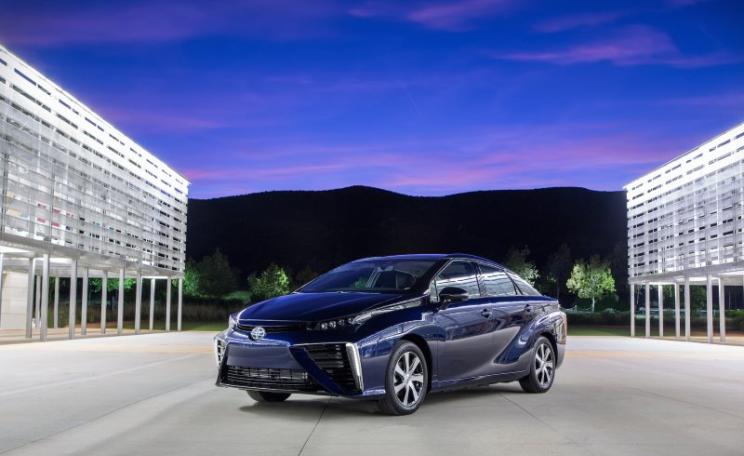
The real lesson of Volkswagen's 'dieselgate' scandal is that we must ditch petroleum fuels, writes Harry Hoster. There's new, clean technologies just waiting to take off - and the most promising is fuel cells. They will also fit right into the new world of renewables, with surplus power from wind and solar making the hydrogen they burn.
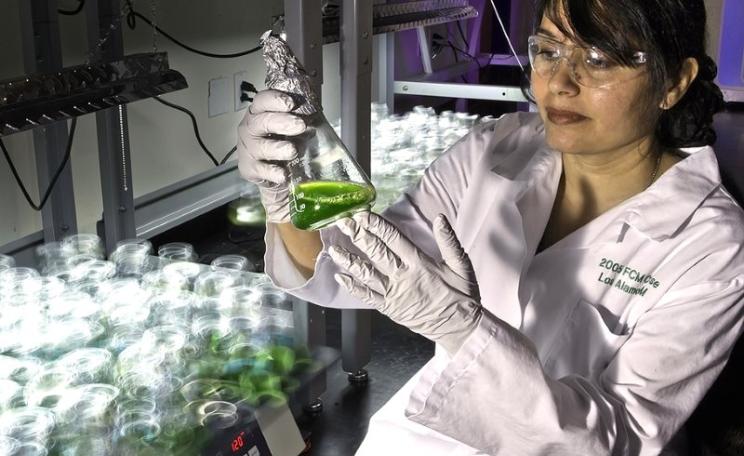
The biofuels of the future will depend on microbes, writes Almuth Ernsting: algae to produce the biomass, and fungi or bacteria to break cellulose down into useful molecules. Just one problem: wild strains aren't up to the job. So scientists are trying to genetically engineer supercharged 'synthetic biology' variants - which will inevitably enter the environment. What could possibly go wrong?
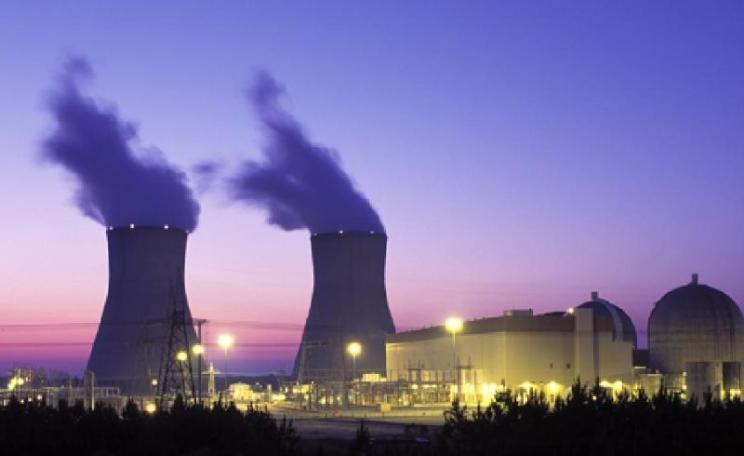
UK support for low-carbon energy technologies is running at £250 million a year, writes Chris Goodall. Yet the government wants to throw four times more, every year for 35 years, at the Hinkley C nuclear power station, that could take almost as long to build as Salisbury Cathedral.
At least a third of the food the world grows each year goes to waste, writes John Mandyck, most of it in fields, transport and storage. The result is poor farmers, hungry people, and a massive 3.3 billion tonnes of needless CO2 emissions. It should be a key topic for action at COP21 in Paris - but so far it's not even on the agenda.
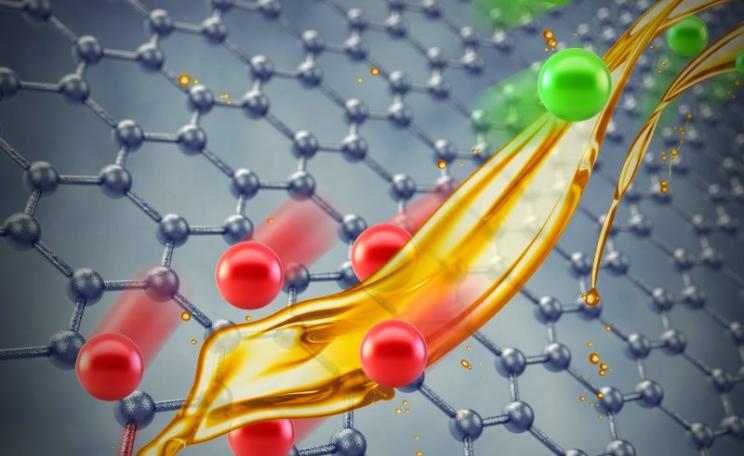
A new generation of energy storage devices is on its way, writes Mark Douthwaite: small, lightweight, efficient, long lived. Just what we need to unleash the potential of renewable energy, electric cars and a decentralised power grid. And it's all thanks to graphene.
Golden rice was once hailed as the wonder crop that 'could save a million kids year', writes Glenn Stone. But in the 15 years since that bold prediction, the carotene enhanced GMO has been held back by persistent 'yield drag' and inconclusive nutrition outcomes. It now appears unlikely ever to fulfill its early promise.
Are GMOs safe? Up to a point, writes Jonathan Latham - provided you're not eating them. That's certainly not proven to be safe, indeed the hazards are numerous: protein encoding viral DNA fragments, herbicide metabolites, biotoxins whose operation is not understood, poorly conducted experiments ... and those are just the ones we know about.
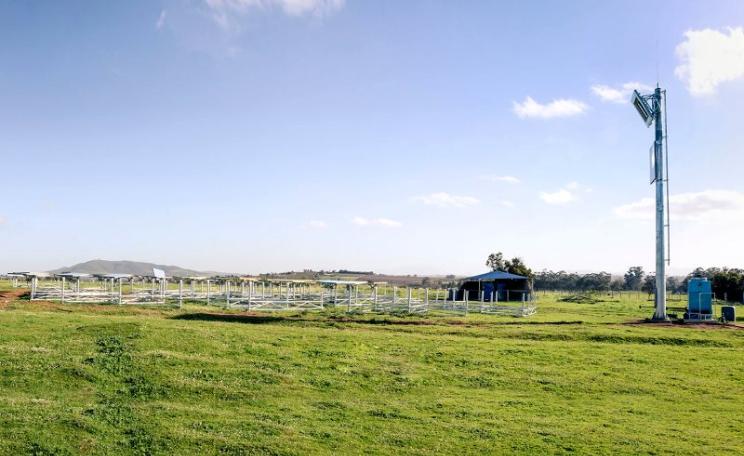
The 'other' solar technology, CSP, which uses mirrors to concentrate the sun's rays, is about to get a lot cheaper, writes Jeffrey Barbee. A South African team has developed a low cost design suitable for mass production that can be 'plonked' on site straight from the factory.
Professor 'Jim' Al'Khalili's 'Inside Sellafield' programme was a tour de force of pro-nuclear propaganda, writes David Lowry - understating the severity of accidents, concealing the role of the UK's nuclear power stations in breeding military plutonium, and giving false reassurance over the unsolved problems of high level nuclear waste.
An new design of tidal power turbines will generate power at a third the price of current technologies, write Alex Kirby & Oliver Tickell, even at a lower price than offshore wind - without endangering marine life.
Solar panels made using perovskite technology pay back the energy used to make them ten times faster than those using silicon. In time, this could lead to similar falls in price.
Batteries may have a big role in balancing future power grids, writes Sean Meyn, enabling more wind and solar generation. But until we go beyond 50% renewables, we don't need them. Instead we can adjust the demand of power hungry appliances to what's available every moment of the day.
As nuclear projects using the EPR design run into long delays and huge costs overruns, industry hopes are pinned on the Westinghouse AP1000 reactor, writes Chris Goodall. But with eight AP1000 projects around the world going the way of the EPR, is it really a wise choice for the UK's Moorside nuclear site?
Boeing has just been granted a patent on a design for aircraft powered by nuclear fusion, writes Karl Grossman. What a great idea! Apart from the irradiation of plane and passengers with neutrons and gamma rays, the dangers of radioactive contamination ... and the fact that clean, green solar powered flight is taking off.
In her new book The Vandana Shiva Reader, the celebrated campaigner and scientist deplores the way in which the Green Revolution forced India's poorest farmers off their land, writes Colin Tudge. Now she fears even worse outcomes in Africa where a GMO-fuelled farming revolution is under way.
The EU Parliament is voting tomorrow on the controversial Transatlantic Trade and Investment Partnership (TTIP) being negotiated between the USA and the EU. But do MEPs realise that the agreement could force European markets open to 'new biotech' foods and crops using advanced GM technologies that do not meet current definitions of 'GMO' within the EU?
Soon a artificial rhino horn may be on the market that's identical to the real thing down to its DNA, writes Diogo Veríssimo. A boon for rhinoceros conservation? Or an act of biopiracy that will enrich biotech corporations while perpetuating demand for rhino horn and confounding efforts to end its trade?
Sunday's SpaceX crash sends a powerful warning of the dangers of nuclear power on spacecraft, writes Karl Grossman. But will NASA listen? Despite the success of solar-powered missions, it's planning to use plutonium to power future missions and a new report asserts a continuing need for the technology - even as Russia ditches the idea.
Technology is crucial to all the big issues, but criticism is hampered by mythologies and structures of power, writes David King. Designed by and for corporate interests, modern industrial technologies embody a 400-year old technocratic philosophy of control of nature and people which must be confronted.
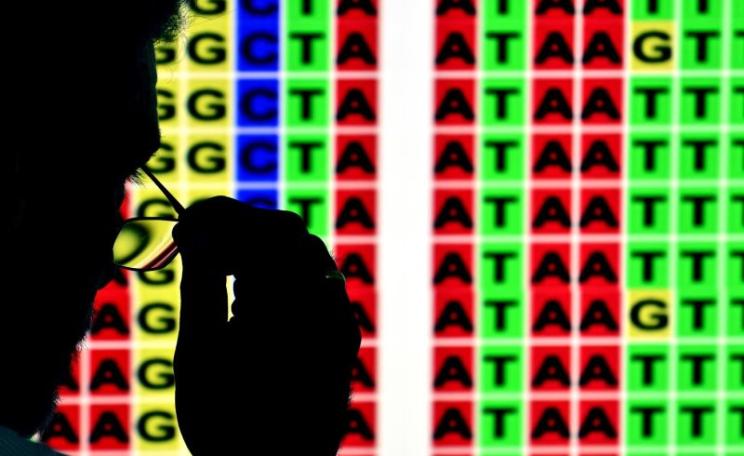
Forensic analysis of DNA in ivory seized by police and customs officials reveals where it comes from, writes Samuel Wasser, giving valuable information to law enforcers. But this powerful tool is only as effective as the national authorities, and Tanzania, a major ivory hotspot, has been very slow to respond to warnings.
The Royal Society wants us to take its word that GM crops are safe and healthy, writes Steven Druker. But it refuses to retract its errors, apologise to those whose reputations it has impugned, or enter into constructive debate on the issue. To restore its scientific integrity, it must abide by its own motto.