There's only one principle behind TTIP, CETA and other 'free trade' agreements, writes Conor J. Lynch. And no, it's not 'free trade' but 'corporate profit' - at the expense of consumers, taxpayers, environment, workers and democracy itself.
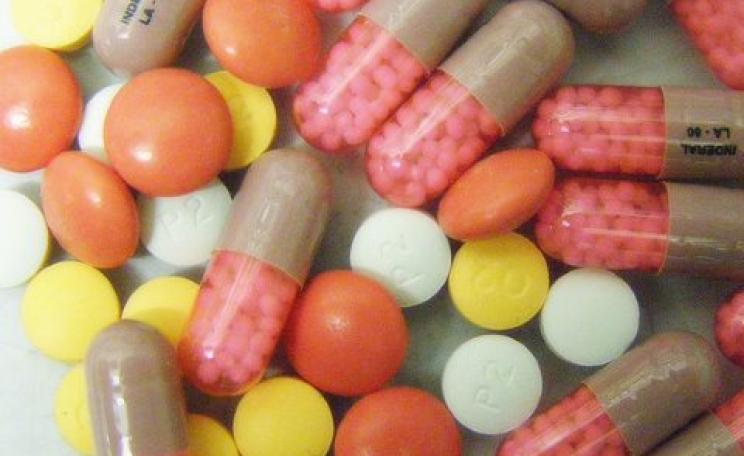
Deep in the text of the TPP trade deal lurk little-known provisions to boost the profits of Big Pharma, writes Conor J. Lynch, by extending patent terms and suppressing 'generic' alternatives - as if the industry's 23% margin wasn't enough already. As for the millions that will suffer hardship, ill health or death from higher drug prices ... it's their fault for being poor.
The raft of 'free trade' agreements under negotiation represents a massive seizure of power by corporations, writes Joyce Nelson - effectively stripping democratic governments of their power to legislate for health, environment, labour or anything else that could reduce corporate profit. But the mainstream media are mysteriously silent.
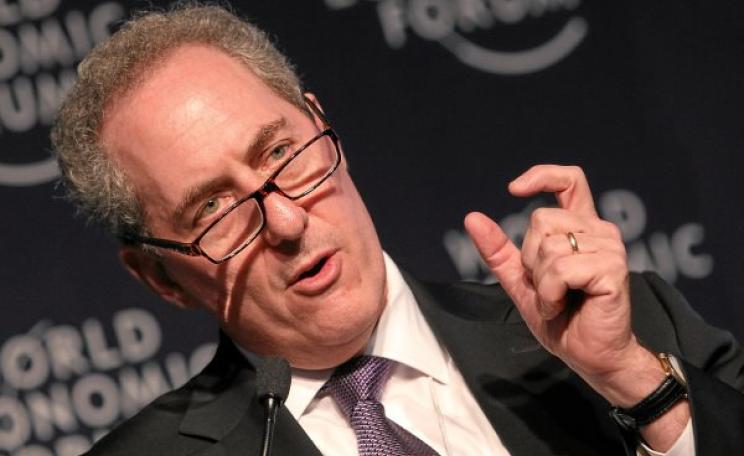
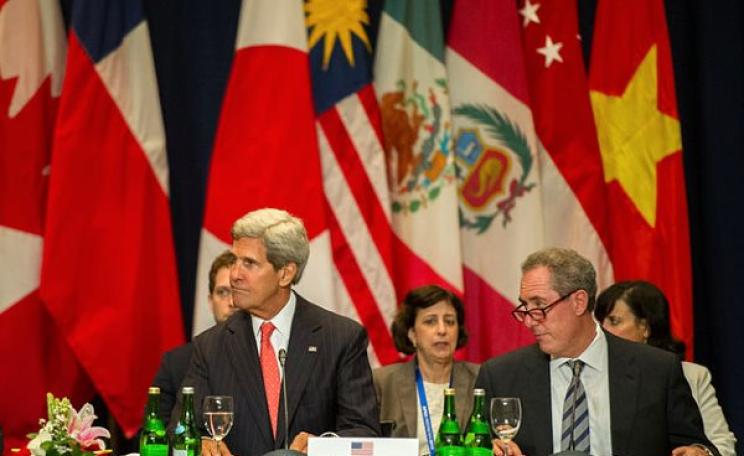
When US Trade Representative Michael Froman testified before Congress last week, he made impressive claims for the benefits of Fast-Tracking the controversial Trans-Pacific Partnership, writes Ben Beachy. Just one problem - all those claims were either untrue, or profoundly misleading.
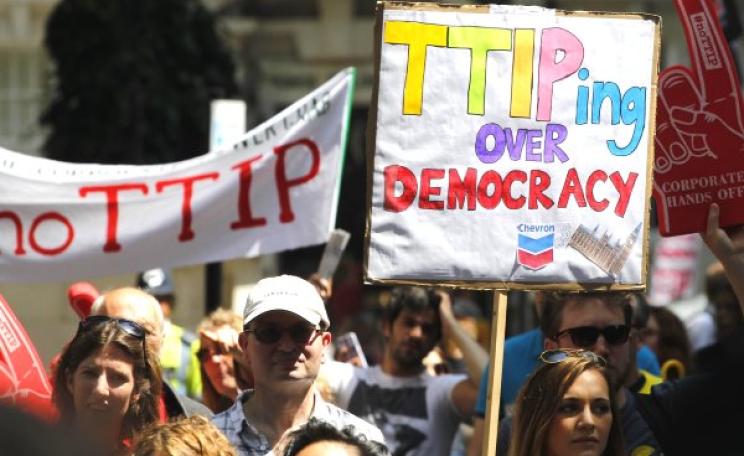
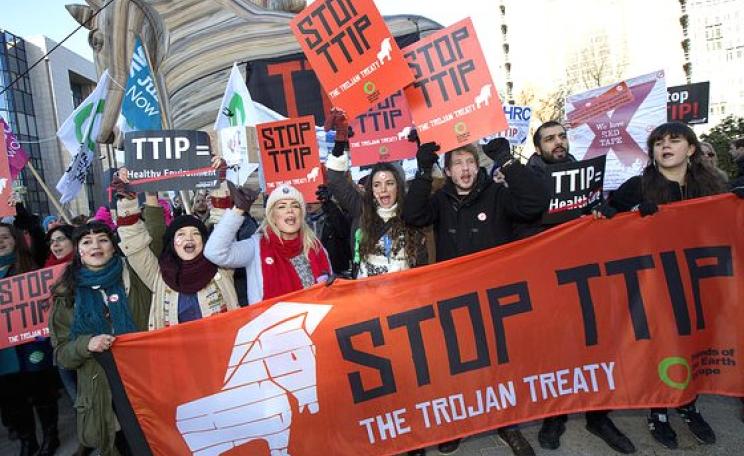
As 300 protestors gather at the European Commission to protest at the resumption of TTIP trade talks between the EU and the USA, Oliver Tickell finds that the EU's newly released draft 'chapter' on food safety and animal welfare is a disastrous capitulation to corporate interests that will strip governments of their powers to regulate.
Even as the controversial TTIP 'trade' deal runs into sand, writes Glyn Moody, a spate of similar deals to empower corporations over national governments and democratic forces are being negotiated even more secretively - like CETA, TPP, TISA - and could become cemented into binding treaties before civil society even knows of their existence.
When 97% percent of respondents to a European Commission 'consultation' on the TTIP EU-US trade deal opposed it outright the Commission accused them of 'hijacking' the process, writes Nick Dearden - and pressed ahead with negotiations. Whose Europe is it anyway?
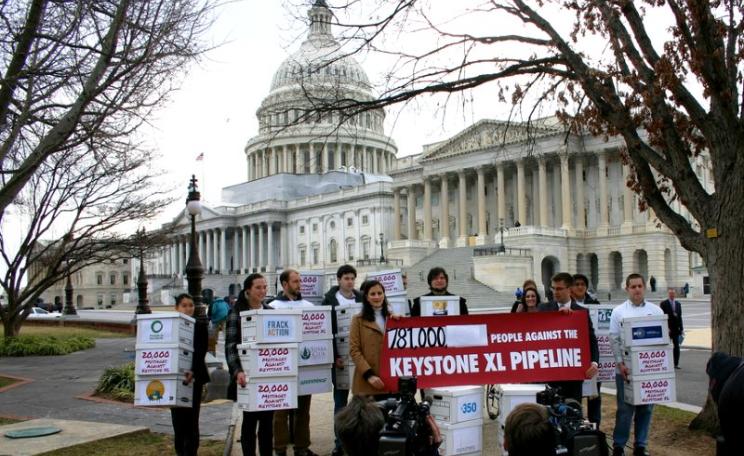
The US government is being sued for $15 billion for its cancellation of the Keystone XL tar sands pipeline last year in order to combat climate change. The legal challenge under NAFTA sends a warning to all countries contemplating similar 'free trade' agreements.
Under the TTIP US-EU trade agreement, the world's largest chemical corporations would be able to attack US states' attempts to regulate for chemical safety, writes Patrick Gleeson. In both the US and the EU, corporate rights - asserted in secret courts - would trump democracy and attempts to raise health, safety and welfare standards.
The new Commission may have dropped environmental protection from its 2015 work plan - but it's pressing ahead with a new Directive to protect corporate secrecy, threatening consumers, journalists, whistleblowers, researchers and workers.
A key element of the TTIP is the deregulation genetically modified seeds and plants for cultivating in European soils, writes Julian Rose. This alone is reason enough for us to reject it - but it's only the beginning of a huge power grab that would make our governments more accountable to corporations, than to people.
The EU faces a choice: a green, democratic future of clean prosperity and social justice? Or a dirty future of corporate domination with resurgent nuclear power, expanding fossil fuels, GMO agriculture and weak human and environmental protection? Junckers' Commission represents the latter. We must assert our own vision - or there will be little worth staying in for.
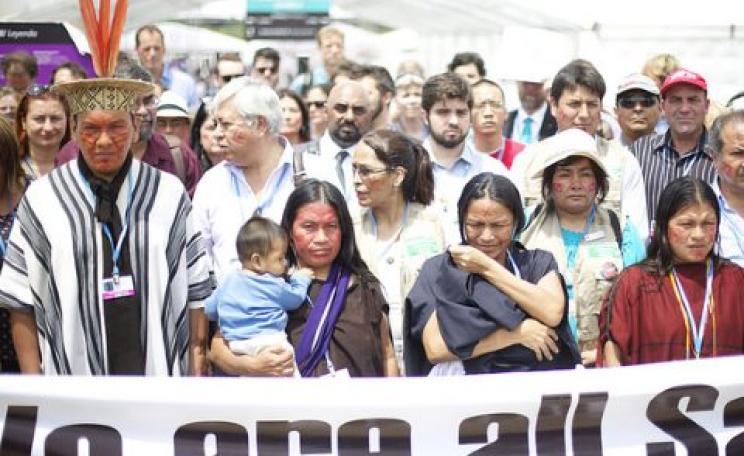
Peru, notorious for its brutal exploitation of forests, oil and minerals, theft of indigenous lands and murder of eco-defenders, is an unlikely host for the COP20 climate talks, writes Alexander Reid Ross. Except that Peru's actions reflect the corporate land-grabbing agenda manifest in the false solutions on offer in Lima this week. It's a time for resistance, not compromise!
Campaigners today today delivered Commission President Juncker a 'birthday card' with 1.1 million signatures from EU citizens. Yes, it really is his birthday today - but the real message was calling on him to back off from negotiations over the TTIP and CETA trade deals with the USA and Canada.
The Commission's refusal to 'register' a European Citizens Initiative demanding an end to negotiations over the TTIP trade deal is more than just an affront to the 'democratic values' that Europe is meant to represent, write Mary Fitzgerald & Michael Efler. It is also unlawful, and the legal challenge filed today at the ECJ is richly deserved.
A 300-strong coalition of civil society groups is taking the European Commission to the European Court of Justice, claiming that its refusal to register a official 'Citizens Initiative' opposing the EU-US TTIP trade deal was unlawful.
Far from creating a 'level playing field' for business, TTIP favours foreign corporations over domestic ones - while undermining governments' right to legislate for public health, safety and wellbeing. Australia got the message in 2011 after being sued for its anti-smoking policies - now Europe must catch up!
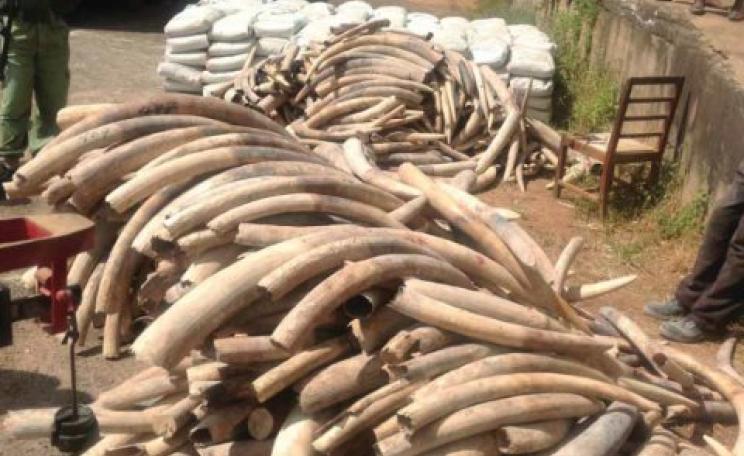
A new report reveals that Chinese-led criminal gangs are conspiring with corrupt Tanzanian officials and senior politicians to traffic huge amounts of ivory. The corruption even extends into the Chinese navy, diplomatic missions and Presidential entourage - all involved in the lucrative but illegal trade.
The UK and 13 other EU trade ministers have written to the European Commission's new head imploring him to include secret, much criticised investor protections in the controversial TTIP, the EU-US trade and investment deal, writes Jurgen Maier. Is this a democratic snub too far?
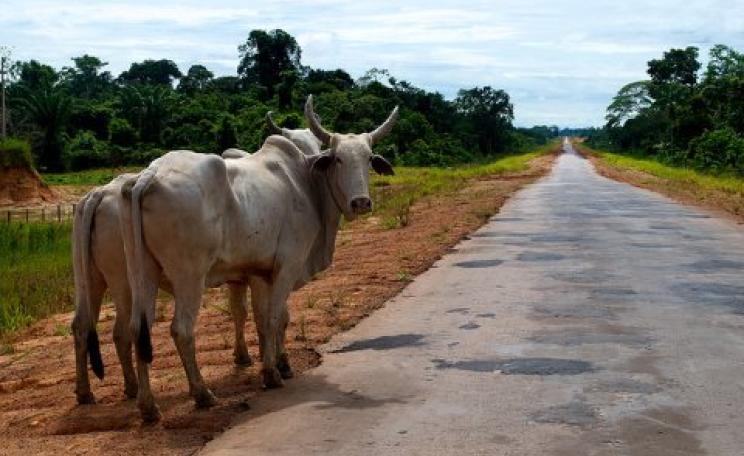
Deforestation in the Brazilian Amazon has been sharply reduced in recent years, writes Alex Kirby. But analysts say that palm oil and other cash crops are set for a major expansion, while high demand for beef, and administrative chaos, may undermine efforts to reform the ranching sector.
For all France's rhetoric about supporting the small farmer, the authorities are bending legalities to push through the country's biggest dairy farm, writes Evan Jones. This reveals the 'socialist' government true loyalties: to subsidy-driven 'free trade', and industrial agriculture that pollutes, depopulates, unemploys - and generates vast profits for a powerful elite.
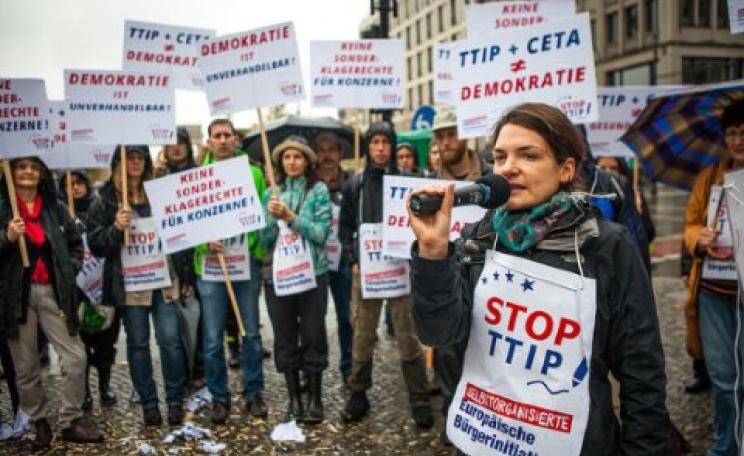
The TTIP - a massive trade and investment deal under negotiation between the US and the EU - could be the end of democracy as we know it, writes Morton Thaysen, as corporate rights will supplant those of ciizens and elected governments. Join a global day of action today!
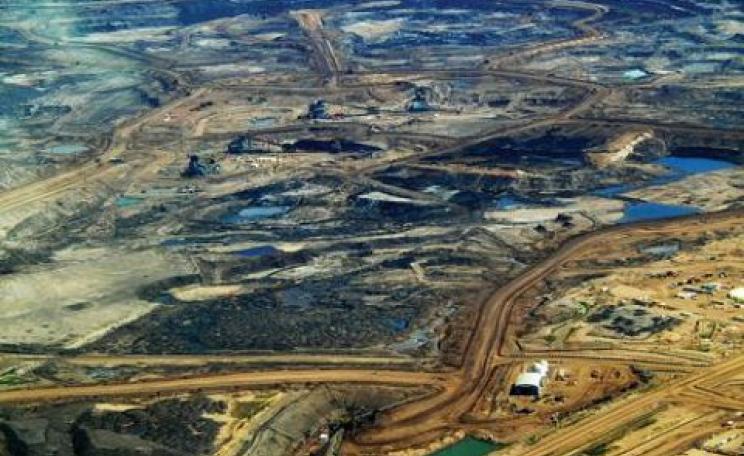
The EU is dumping a plan to label fuel made from tar sands as 20% more polluting than oil from conventional sources, making it cheaper for European countries to import. But the concession - intended to smooth the TTIP trade deal - still has to be approved by the European Parliament.
A huge EU-US trade and investment deal may not be quite so dangerous as its opponents portray it, writes Gabriel Siles-Brügge - but it still represents a serious threat to governments' ability to regulate for the benefit of citizens and environment, and would entrench 'competitive' markets in public service provision.