As the world gears up to finance Gaza's $6bn reconstruction after Operation Protective Edge, an EU source has revealed that Israel will earn billions of euros by making sure that all the steel, concrete and other materials and other aid are sourced in Israel and benefit Israeli companies.
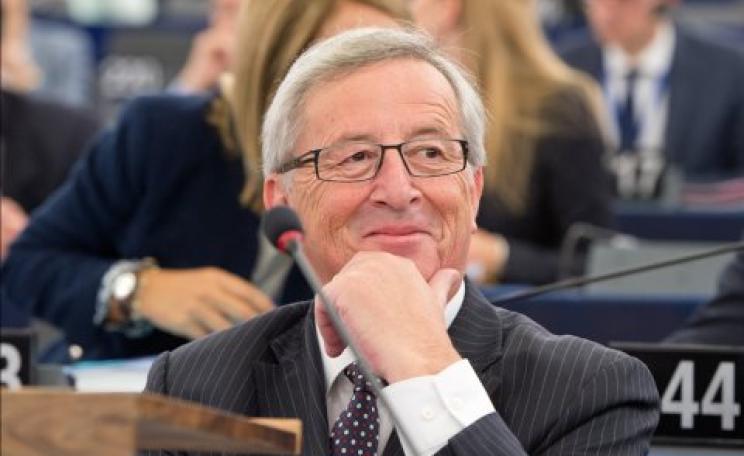
We have a new European Commission - so what does it mean for the environment, GMOs and trade negotiations? Lawrence Woodward can't help feeling that the best part of the package is Commission President Juncker himself. Now, will his 'team' pull together and work to deliver his vision? We can't quite count on it.
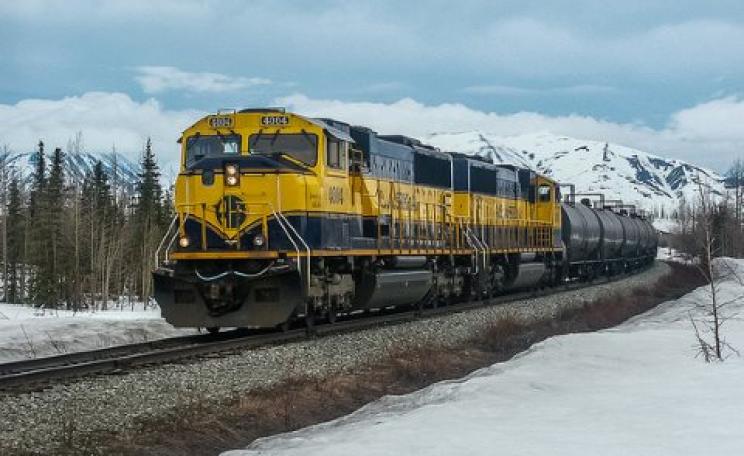
Climate change and tar sands activists opposing Keystone XL need to wake up to a new reality - the pipeline has already been eclipsed by rail transport which is both cheaper and more flexible, writes Justin Mikulka. The expanded production and export of tar sands oil just got a whole lot more likely.
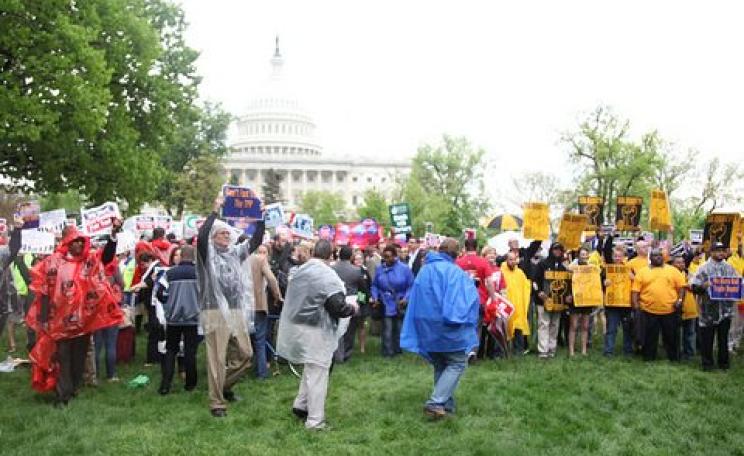
Adam Weissman spills the beans on the Trans Pacific Partnership, which threatens to undermine democracy in the US and other countries at its roots. If passed it will represent a massive handover of power from nations to corporations - but as Mickey Z writes, there is still time to organize and defeat Obama's TTP campaign.
An earless species of monitor lizard from Borneo has suddenly erupted into the international trade among pet keepers and reptile collectors. Although it is protected within its range, there are no restrictions on international trade in the species. An urgent CITES listing is desperately needed!
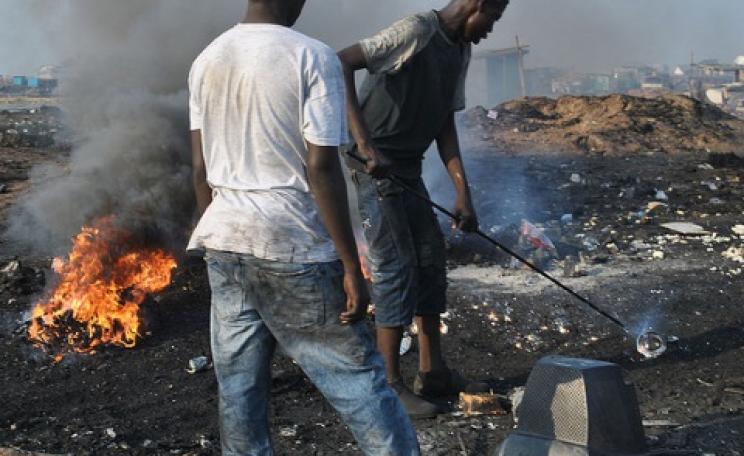
Attempts to recycle E-waste and donations of old electronic devices are harming poor people's health and devastating the environment, writes Nele Goutier. Agbogbloshie, once an idyllic landscape of wetlands and small farms, is now the most toxic place in the world ...
The US, long the world's biggest oil consumer, has just surpassed Saudi Arabia to become the world's top oil producer, writes Don Lieber. Oil exports to Europe and Asia will begin shortly. Now what was that Obama said about climate change? Oh, forget it ...
Surging Chinese demand for rosewood used in 'hongmu' furniture is ruining forests across southern Asia, writes Zuzana Burivalova. As demand surges, China must impose stricter regulations and harsher punishments or the forests may never recover.
The EU's Fuel Quality Directive is set to be the first casualty of the TTIP trade talks, writes Derek Leahy. Canada and the US have threatened to pull out unless the EU ignores the massive emissions of oil from tar sands - and the EU is collapsing under the pressure.
The EU-US TTIP trade agreement would 'protect investors' by giving them the right to sue national government for changes in the law that reduce their returns, writes Cécile Toubeau - putting an end to progress on environment and human development.
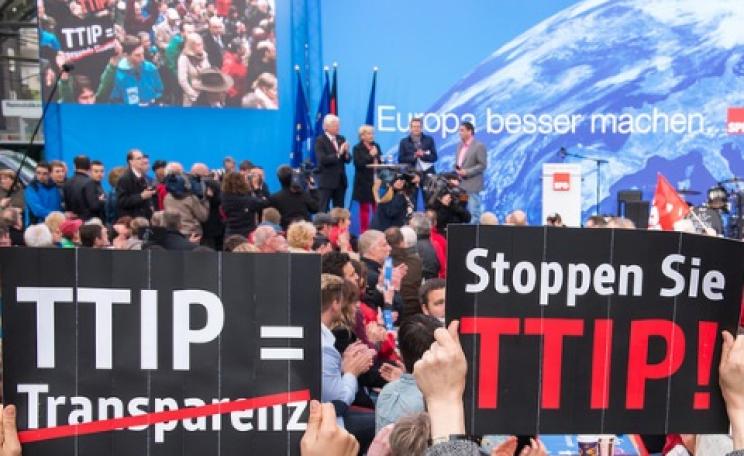
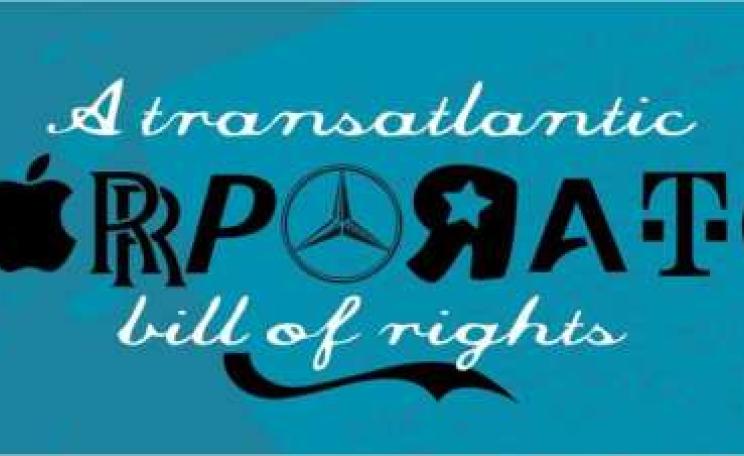
The European Parliament votes today on the TTIP 'trade' deal, described as a 'Bill of Corporate Rights' that will undermine democracy in both the EU and the US, writes Polly Jones. But given the extraordinary secrecy that shrouds the negotiations, few of the MEPs themselves really know what they are voting on.
Flame retardant chemicals lower children's IQs, disrupt hormone function and cause a host of other health problems, writes Pat Thomas. Yet they are ubiquitous in homes and offices, even in bedding and accessories for babies and young children.
France, Germany and other wealthy countries have positive policies on climate change, writes Steven Herz. So why are they handing out back door financing for new coal power stations abroad via 'export credits'? Over $5 billion from EU countries since 2007 ...
The Government has let down Britain with its repeated failures to seize the opportunities of green growth, healthy local food, better housing, environmental protection - and is instead pinning all its hopes on flawed, outmoded ideologies that betray our futures.
Coal consumption in China is likely to dwindle rapidly, writes Alex Kirby, leaving its own mining sector and foreign coal exporters in serious trouble. Australia and Indonesia are at greatest risk as China may soon stop importing any coal at all.
Starbucks has positioned itself as a 'progressive' brand - but it's no such thing. It refuses to commit to fair trade coffee, organic milk, GMO-free / organic foods and snacks, and supports the mighty Grocery Manufacturers Association, lobbyist for GMOs and industrial agriculture.
One the eve of the EU elections, 120 European campaign groups have rejected the TTIP trade negotiations between the EU and the US as a threat to democracy - and called on negotiators to ditch all, or at least key elements, of the proposed agreement.
Cambodia's rainforests are facing destruction from clearance for plantations, and an illegal trade in precious timber, reports Fran Lambrick. Local people who depend on the forest have proved to be its most effective guardians - but they need external support.
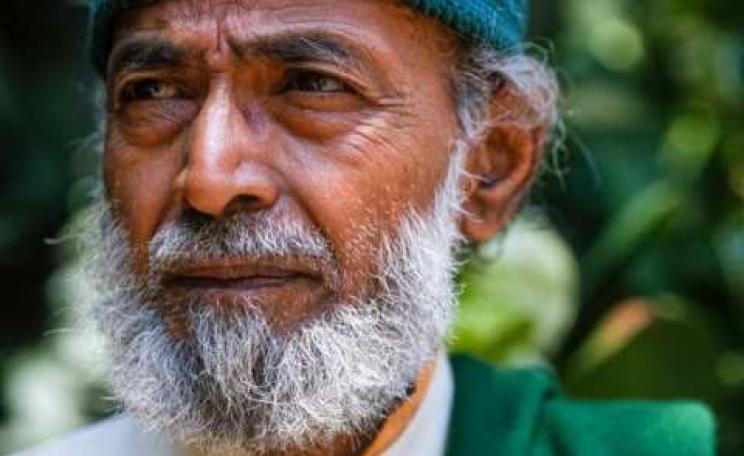
Heathcote Williams remembers India's great campaigner Professor Nanjunda's whose direct actions against Monsanto, KFC, McDonalds, Coca-Cola and the WTO inspired a nation and created an unstoppable movement of 10 million ...
Major world trade deals now under negotiation would allow corporations to sue governments for billions if they tighten up laws and regulations, writes Thomas McDonagh. But increasingly countries are rejecting these dispute mechanisms that undermine sovereignty and democracy.
A series of judgments against Canada in secret corporate tribunals costing taxpayers $100s of millions show that 'free trade' agreements really do restrict governments' right to protect health, environment and endangered species, writes Nick Dearden.
As the UK Prime Minister welcomes the recommendations of his science advisors to 'go it alone' in Europe and embrace GMO crops, Pat Thomas wonders - whatever happened to the Precautionary Principle?
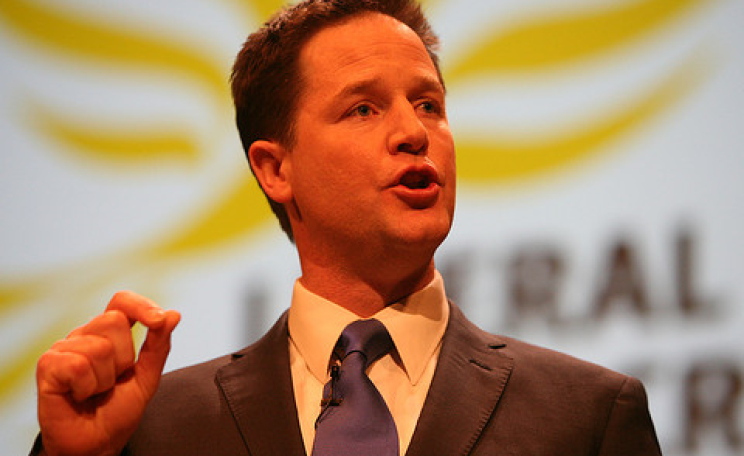
The LibDems fear the Greens will beat them in the Euro-elections, writes Rupert Read. Now they plan to use Green opposition to the 'corporate charter' TTIP trade deal to batter the Greens on 'jobs'.
Vandana Shiva reminds us that the very future of food security in India (and indeed worldwide) lies in protecting and promoting the country's small farmers.