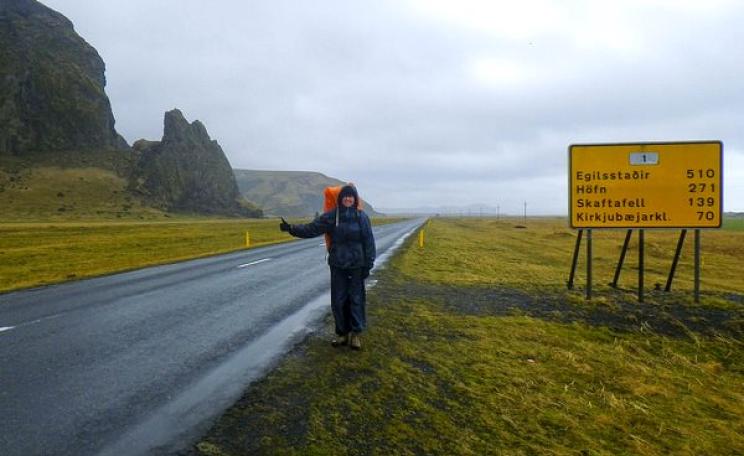
Thumbing rides must be one of the greenest forms of travel, and despite all the scare stories and public service warnings, drivers still stop for hitch-hikers. But Adam Weymouth fears for the future of hitching, as the 'sharing economy' sanitizes the experience and strips out the essential sense of adventure, revolution and travelling into the unknown.
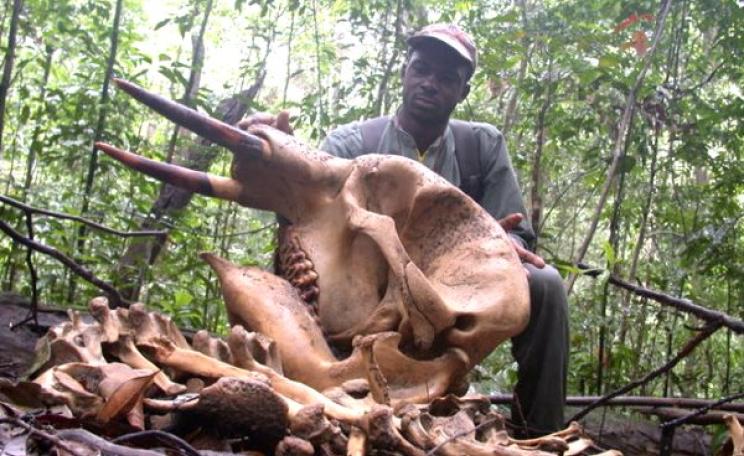
What's needed to pull the world's economy out of recession? According to the G20, it's a massive wave of 'infrastructure' development worth as much $70 trillion, writes Bill Laurance. But all the roads, mines, dams, pipelines and 'development corridors' will inflict massive damage on wildlife populations and natural havens, not to mention local communities that stand in the way.
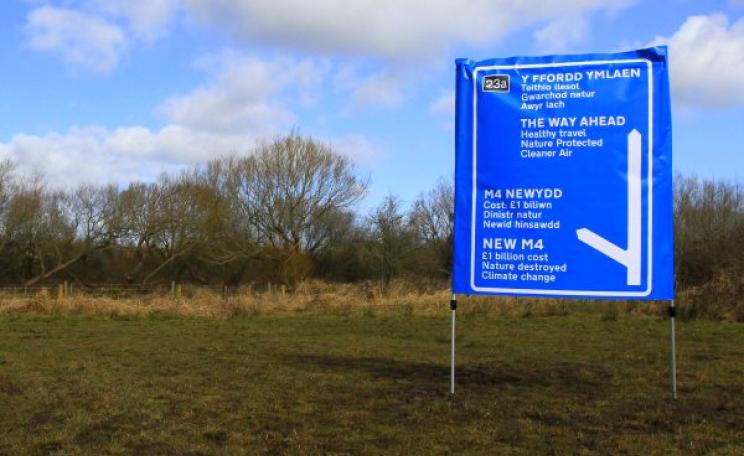
A Friends of the Earth Cymru legal challenge to the Welsh Government's 'irrational' plan to drive a new branch of the M4 motorway across the highly protected Gwent Levels wetlands begins in the High Court today.
The rainforest habitat of chimpanzees and other great apes is being destroyed by the expansion of palm oil projects in central Africa, according to new evidence from Greenpeace.
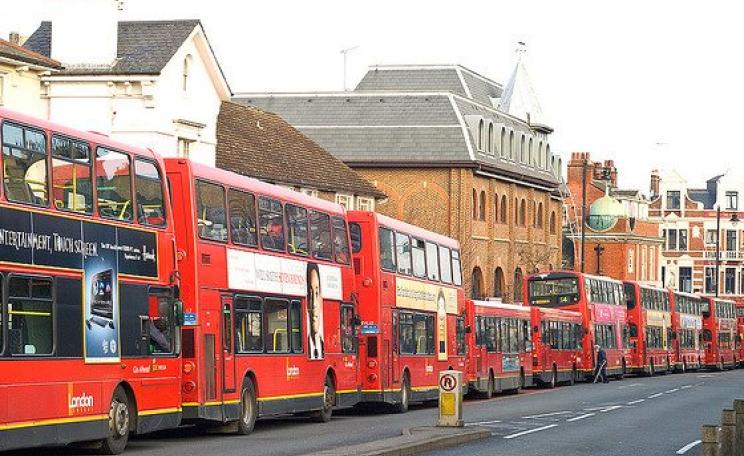
Public transport often doesn't work for travellers because it's fragmented, deregulated and operated for short-term profit, writes Rupert Read. A Green transport policy would force operators to coordinate their schedules, integrate multiple transport modes, and entice travellers out of their cars building a real public transport 'system'.
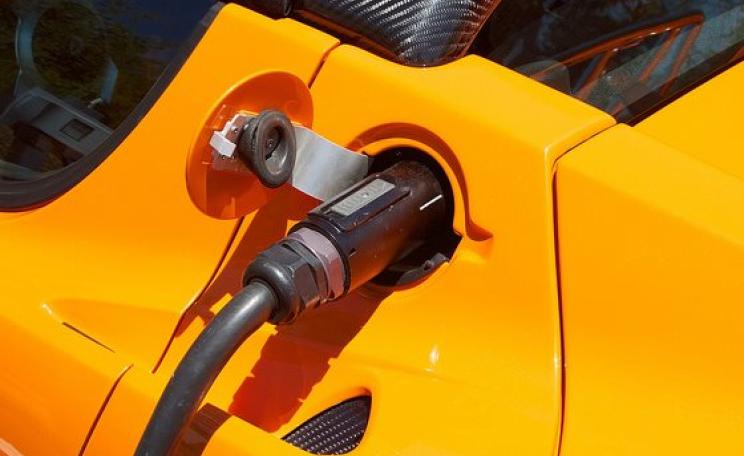
78 records didn't come to an end because the world ran out of shellac, writes Chris Goodall. And today's cars won't be made obsolete by a shortage of oil, or even climate change. The transition will be driven by falling prices, long range, clean air laws, and the superb style, performance and driving experience they offer.
Bangladesh's Sundarbans forest, home of incredibly rich biodiversity, is under unprecedented threat, writes ASMG Kibria. The recent oil tanker capsize on the Shela river puts the forest at risk of widespread biodiversity loss, but just this week, the authorities re-opened the Shela river to shipping with no restrictions on hazardous cargoes.
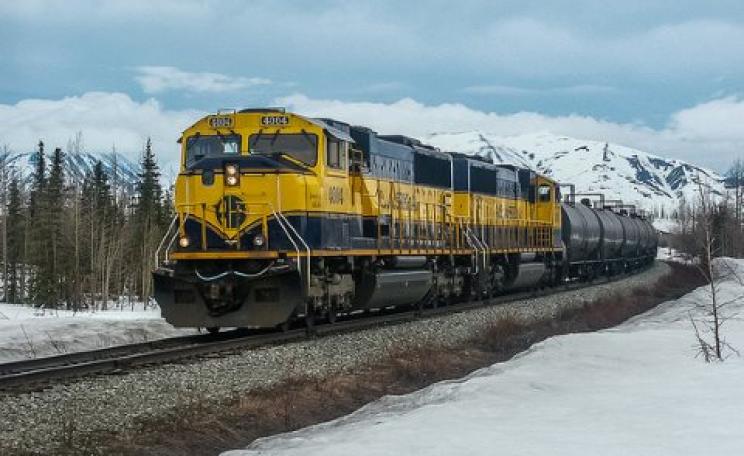
More than 25 million Americans live within an 'oil train blast zone', writes Ralph Nader. But as volumes of tar sands and shale oil carried by train soar, the oil cars identified as a 'substantial danger to life, property, and the environment' in 1991 remain in use. We must ban those dangerous railcars - and put an end to all 'extreme oil'.
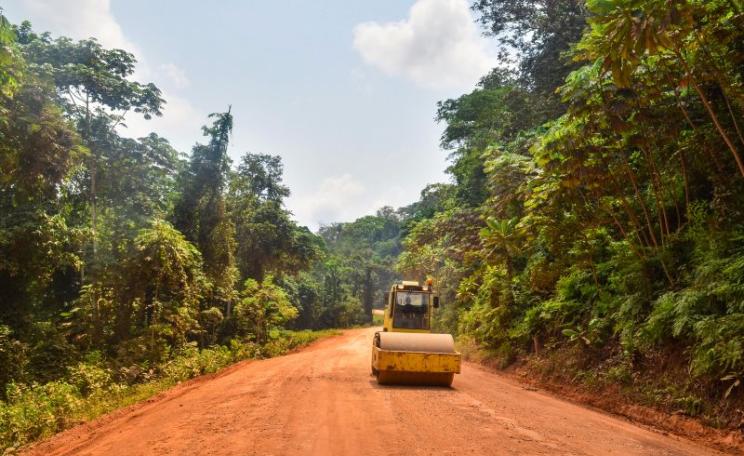
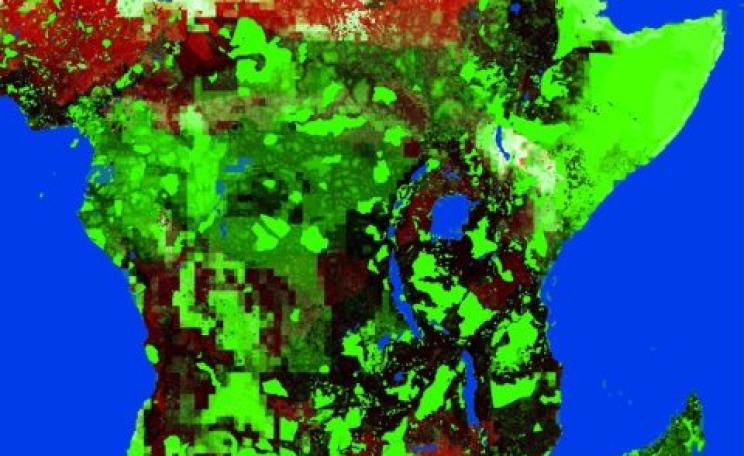
Africa is facing an unprecedented surge in road and railway building with 33 huge 'development corridors' planned that threaten 2,400 of the continent's protected wildlife areas, writes Bill Laurance. We must block the most destructive plans and limit avoidable impacts on natural areas - before it's too late.
The official investigation into the downing of MH17 is without precedent in the history of aviation, writes James O'Neill, as it gives one of the prime suspects, Ukraine, a veto power over publication of the report. Grieving families of the victims may never know know the truth, as geopolitics triumphs over justice.
Recent falls in oil prices give 'greens' cause to rethink arguments about 'peak oil' and get back to why they are really opposed to fossil fuels, writes Dr Steve Melia. Ultimately, it's not the economic evidence that drives government decisions - it's the politics!
Work on Nicaragua's rival to the Panama Canal rival has begun amid growing fears over its human and environmental impacts, writes Maya Collombon - and a host of unanswered questions about China's role in the project and what benefits, if any, it will bring to ordinary people.
The government's plans to tunnel the A303 under the Stonehenge World Heritage Site has one grievous flaw, writes Kate Fielden. The tunnel is too short, so huge portals and graded junctions at both ends would lie entirely within the WHS causing huge damage to landscape and wipe out archaeological remains.
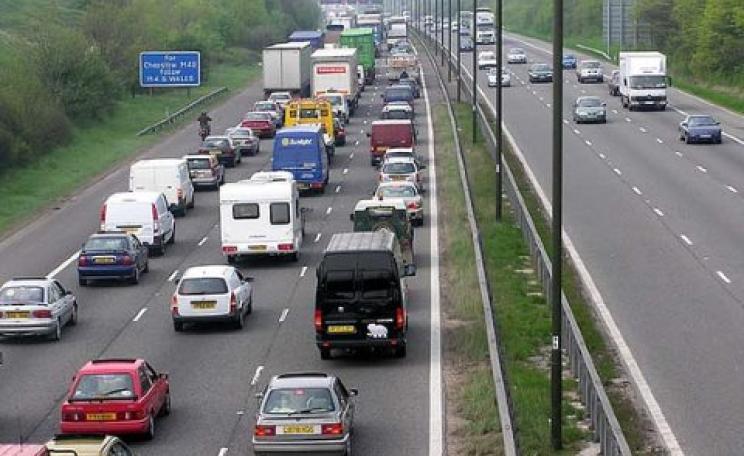
George Osborne's announcement last week of £15 billion for English road schemes may have played well with frustrated drivers, writes Daniel Newman. But all the road spending will achieve is to lock us more deeply into an unsustainable, unhealthy and deeply dissatisfying way of life.
A landmark judgment by the European Court of Justice compels the UK Government to act as soon as possible to reduce air pollution in British cities, writes Keith Taylor - and a good thing too for our health, safety and wellbeing. But it's not just the UK that benefits: every EU country must also comply with the ruling.
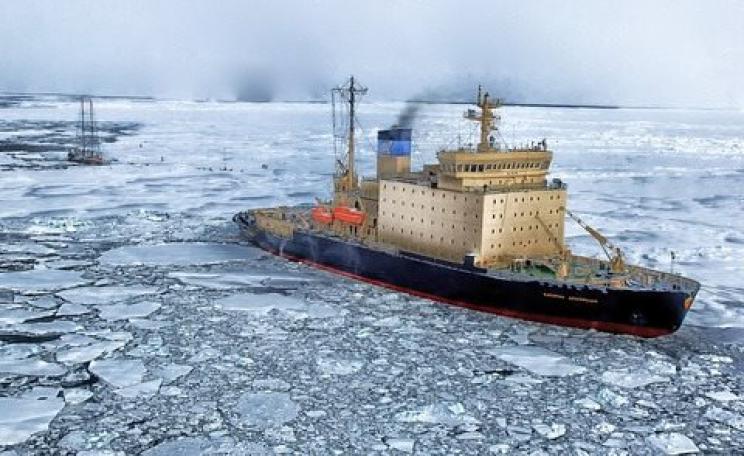
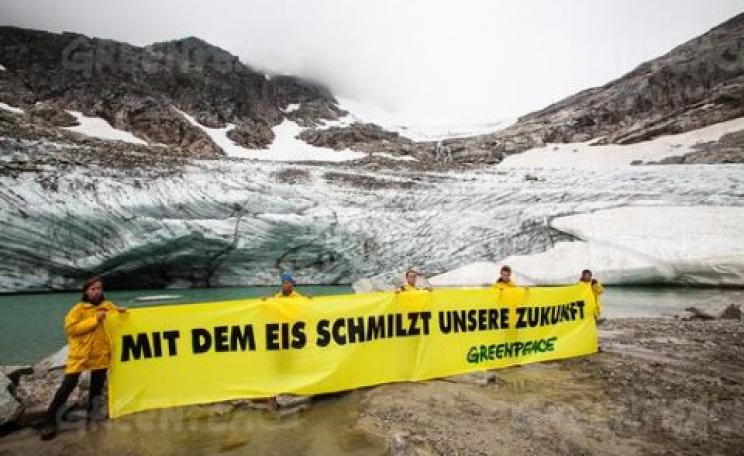
The Arctic is a special place, teeming with life, but it is under threat like never before, writes Robert Spicer - not just from climate change, but from oil drilling, industrial fishing and shipping, as receding ice creates now commercial opportunities. We must designate an Arctic Sanctuary where nature can reign undisturbed.
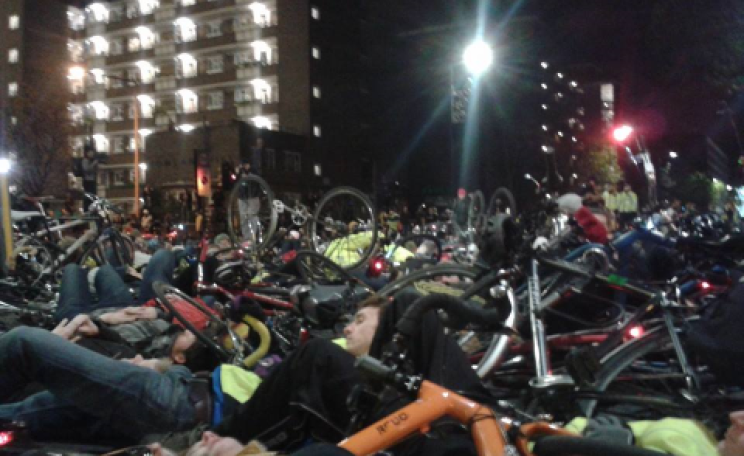
A year ago six London cyclists were killed in a horrendous spate of road violence, writes Donnachadh McCarthy. A demonstration this Saturday will mark their deaths, and demand Government action to improve road safety and reduce traffic pollution - moves that could save over 210,000 lives over the next decade.
America's expanding oil production threatens the pristine Pacific Northwest region of the country with a rash of new oil terminals along the coast, writes Valerie Brown, and hugely expanded traffic of freight trains loaded with hundreds of cars of crude oil heading for California refineries.
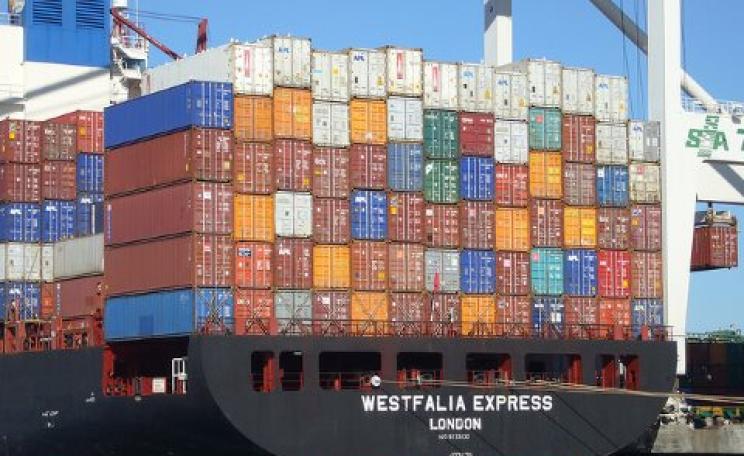
If the world's leaders really cared about climate change, there's one easy way to reduce emissions, writes John Weeks - drop the obsession with increasing trade, and all the pollution that goes with it. A world based on local production, consumption and finance will be a better one for people and the environment.
International polling today revealed strong public support for a formally protected area in the High Arctic for mammals and other marine life. The weakest support came from Japan, where opinion was evenly split over the industrialization of the Arctic.
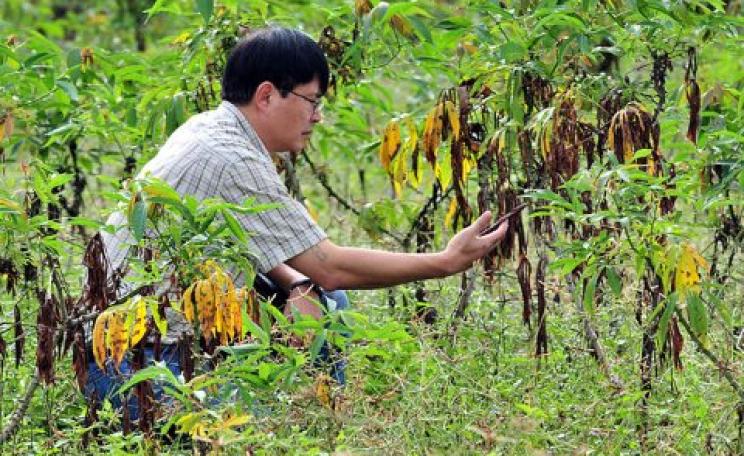
Agricultural pests - viruses, bacteria, fungi, blights, mildews, rusts, beetles, nematodes, flies, mites, spiders and caterpillars - are spreading thanks to trade, travel and global warming, writes Tim Radford. The world faces a dire future of increased crop losses and growing insecurity.
Roads are responsible for massive environmental damage around the world, writes Bill Laurance - yet they also bring huge benefits. His solution? A new atlas that shows where the 'goods' of roads outweigh the 'bads', so that developing countries can harness the prosperity new roads can bring, without the destruction.
Climate change and tar sands activists opposing Keystone XL need to wake up to a new reality - the pipeline has already been eclipsed by rail transport which is both cheaper and more flexible, writes Justin Mikulka. The expanded production and export of tar sands oil just got a whole lot more likely.
Transport emissions are a political hot potato - mobility is often associated with as 'freedom', while the most environmentally aware are also most addicted to high carbon emissions from travel, writes Scott Cohen. To cut transport emissions means tackling four big political taboos.