Airports around the world are waging a war on birds, writes Rose Bridger. It's meant to prevent aircraft bird strikes. But in fact, fatal (for people) collisions are rare - and even killing thousands of birds does little to reduce the number of strikes. Best fly less, and keep airports away from birds!
A second canal joining the Pacific and Atlantic oceans is planned for Nicaragua, writes Nathan Wood. But the gigantic project is raising growing fears due to a grossly unfair contract, glaring failures of process, close links to the Chinese government, and its enormous - but uncosted - ecological impacts.
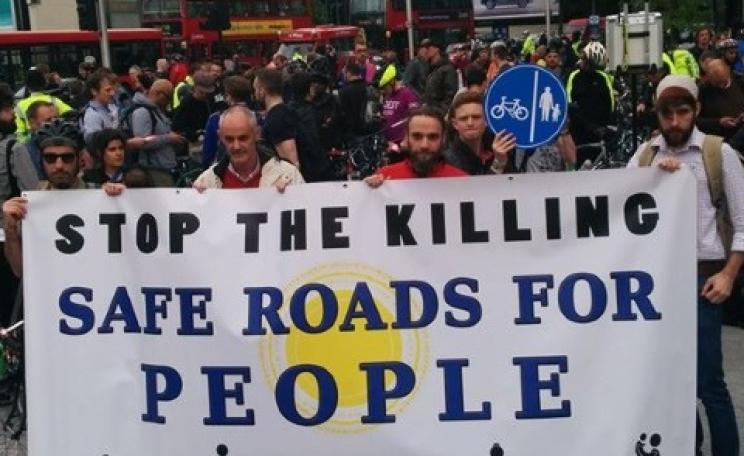
A major demonstration will take place in November to demand an end to the killing on Britain's roads, both direct and indirect, writes Donnachadh McCarthy. And now is the time to sign up, get involved, and build up the momentum for desperately needed change.
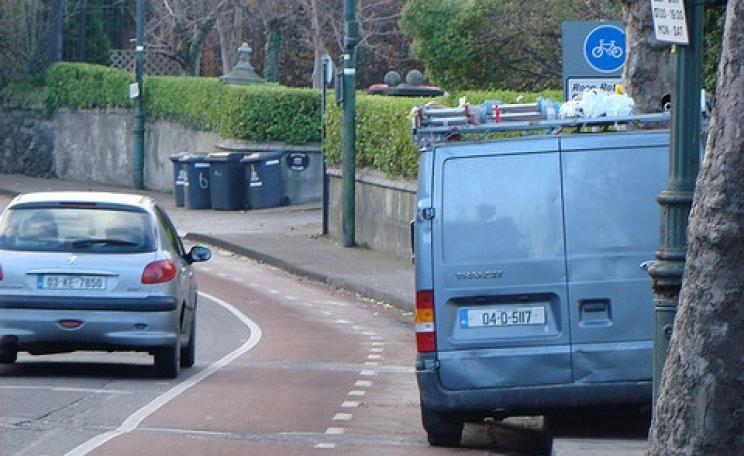
The Commons Transport Committee has advised Government to budget £10 per head to create a safe cycling environment, writes Ian Walker. But that's grossly underestimating the challenge ahead - a major rethink of planning, health and transport policies is needed.
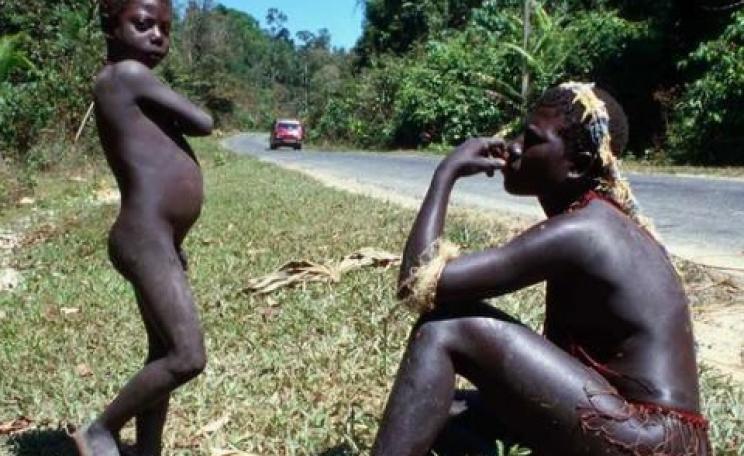
An illegal road on India's Andaman Islands has already opened up a 55,000 year old tribe to disease, sexual abuse and the theft of their resources. But instead of closing the road, local politicians are upgrading it with two new bridges.
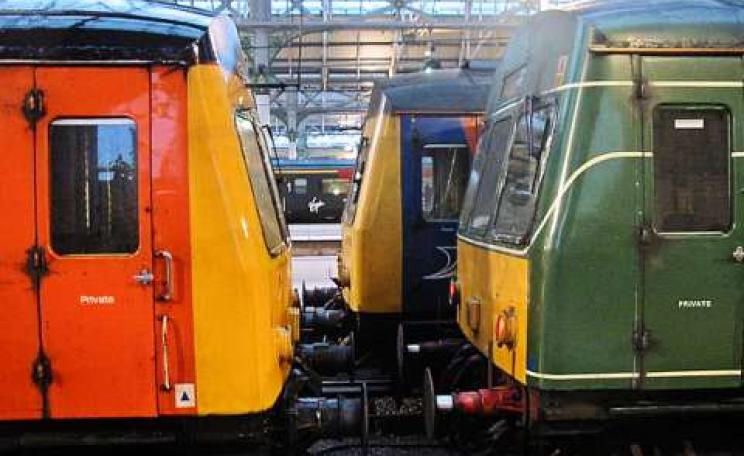
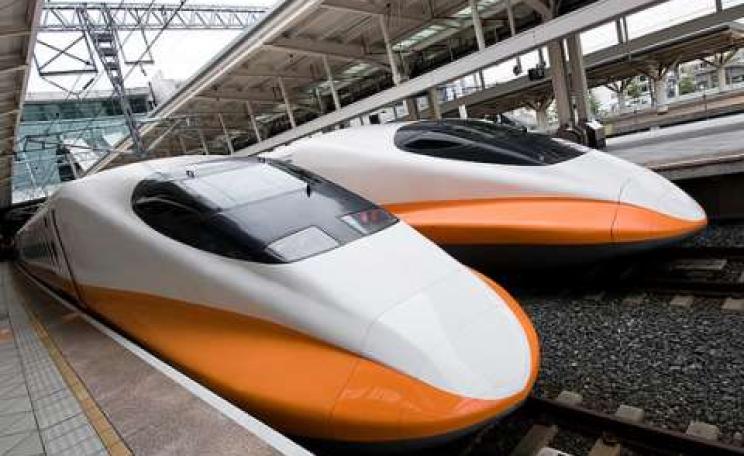
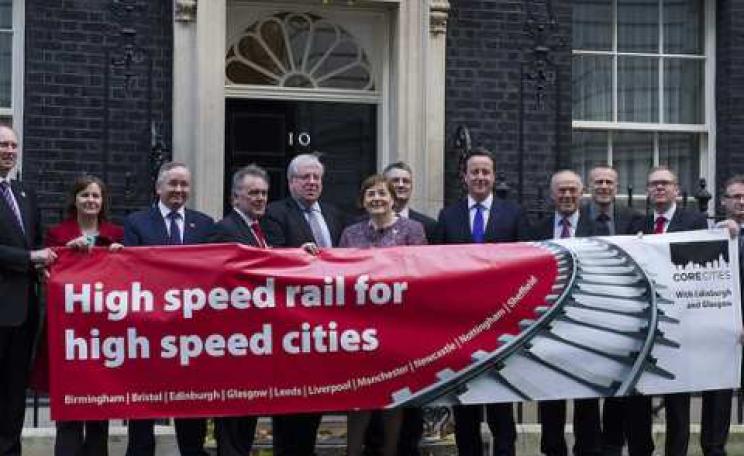
High speed railways connecting Liverpool, Manchester, Leeds, Huddersfield and Sheffield could transform the economy of the north of England, writes Ian Wray - creating a new mega-city that could challenge London's over-dominance.
Tackling global warming with better public transport, increased energy efficiency, renewable energy, clean cookstoves, better waste management could increase global GDP by $2.6 trillion. The alternative is growing risk from harshening climates ...
As the Arctic warms and its ice melts, growing numbers freight ships are reaping big savings from the 'Arctic short cut'. But this is creating a huge risk of invasive species spreading in ballast water and on hulls - disrupting both Arctic and temperate ecosystems.
Developers are determined to build a massive motor sports complex on common land above the South Wales valleys, on the edge of the Brecon Beacons National Park, writes Kate Ashbrook. But although they have planning permission, they can still be defeated. Image: Ross Merritt, via Flickr.
There is more to sustainable transport than cutting emissions, writes Nicola Spurling - like reducing car dependence, cutting congestion, and reducing the need for travel. The Tesla Model S is a wonder of engineering, but does little to address the real challenges.
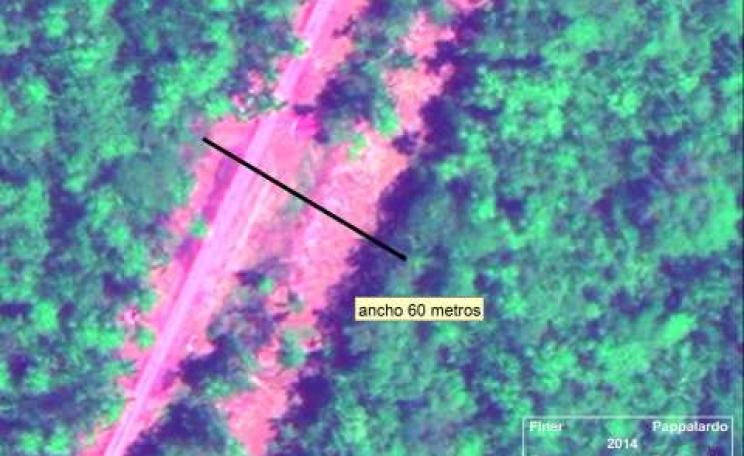
Ecuador's state oil company PetroAmazonas has, in secret, built a road deep into the heart of the world-famous Yasuni National Park in Ecuador's Amazon rainforest, writes David Hill - violating promises and threatening uncontacted indigenous tribes.
Supporters of HS2 assert that it will cause prosperity to trickle down from London to the entire North of England, writes Tony Payne. But economic theory and hard experience tell us that the reverse is more probable - that it will help London to 'suck out' northern wealth.
Elevated urban highways epitomise the dark side of vehicular mobility - polluting, visually brutal, noisy, and contributing to local 'heat islands', writes Marco Picardi. So let's re-engineer them for people and create imaginative urban spaces we can all enjoy!
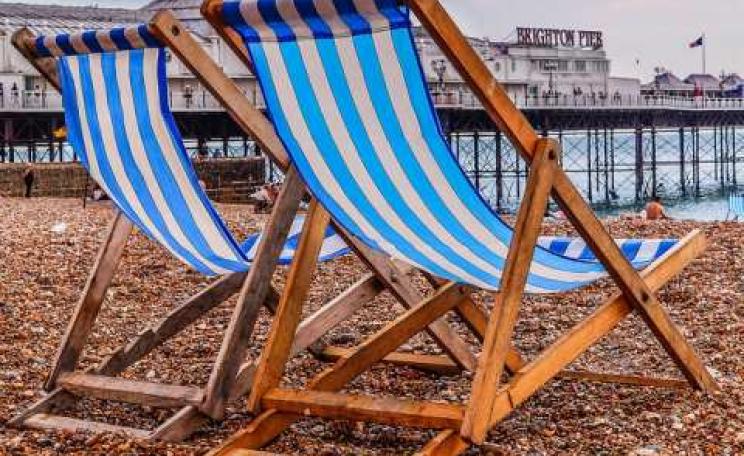
Under its minority Green administration, Brighton & Hove is an exemplar of progressive politics that is realising huge social, economic and environmental gains, writes Rob Shepherd. Maybe that's why political opponents are so desperate to brand it a failure ...
Children are an indicator species for the health of our communities, writes Melissa Henry - and they are being forced off our streets by traffic. This adds further to traffic and pollution as children are driven everywhere, depriving them of exercise. It's time to break the vicious circle!
HS2, the UK's £50bn+ high-speed rail project to speed travel between London and Birmingham - and eventually Manchester and beyond is colossal waste of money, writes Rupert Read. The resources should be used to fund sustainable local and regional transport schemes.
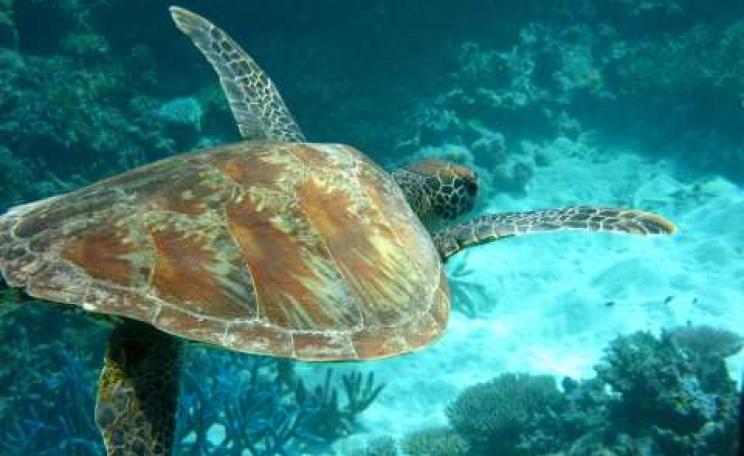
Australian environmentalists have launched a lawsuit against plans to expand a coal port that threatens the Great Barrier Reef, writes Maxine Newlands. The approval came in spite of warnings from UNESCO and marine scientists that the Reef is already 'in danger'.
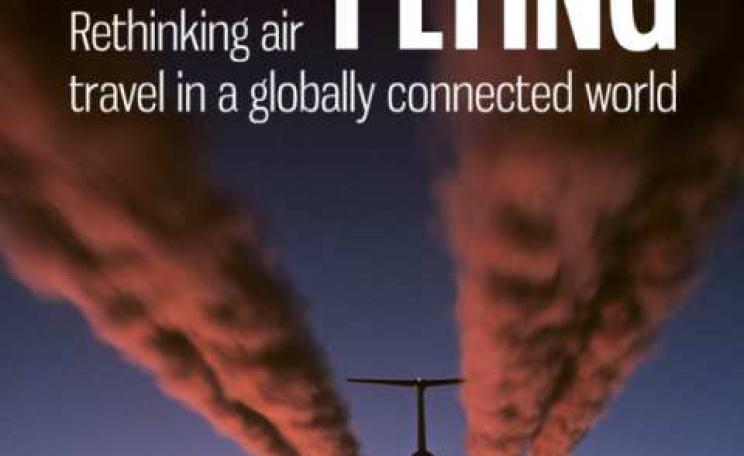
For today's tourists and travellers the elephant in the room is the jumbo jet which whisks us to our destinations - but pollutes the air, promotes destructive development, and isolates us from the the real world. Rose Bridger reviews 'Beyond Flying'.
Swedish artist duo Diagram escorts a glass of water back to its origin - from a convenience store in Stockholm back to a storm-drain in Evian les Bains, by Lake Geneva - and expose one of the many absurdities of modern life.
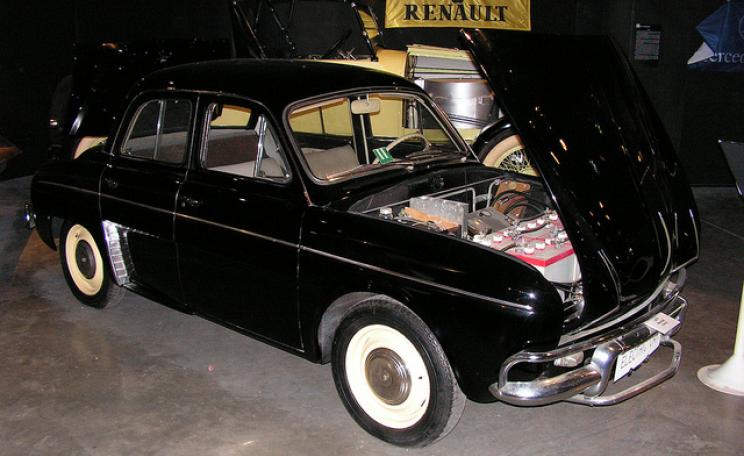
There are now more than 400,000 electric cars on the world's roads - twice as many as a year ago, and on current trends there will be a million by 2016. Leading the market are the USA, Japan and China - while Europe trails behind.
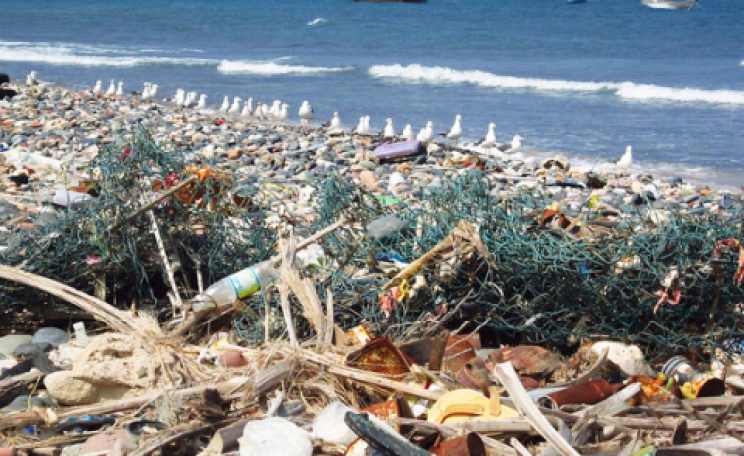
In the search for Malaysia Airlines flight MH370 we have found oil slicks and debris everywhere - none of it connected to the missing plane, writes Paul Mobbs. The seas are littered with human trash, and it's killing the oceanic ecosystem.
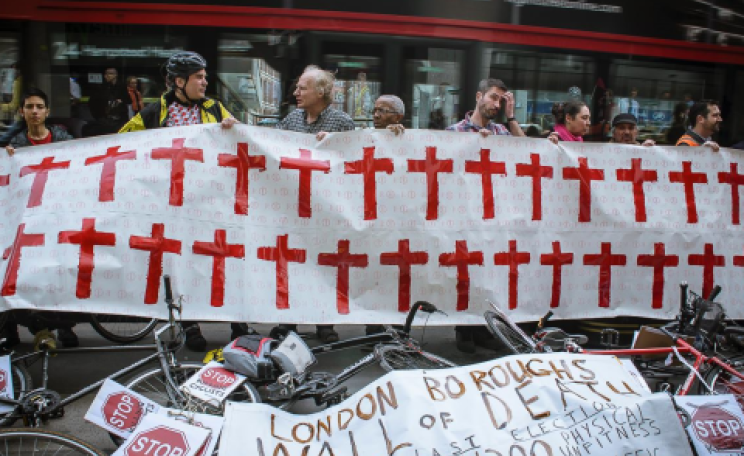
London cyclists were protesting yesterday at the failure of all but a handful of London's 33 Boroughs to invest in safe cycle routes - and the many thousands of deaths that failure is causing. Donnachadh McCarthy reports.
Our road space is dominated by, and planned for, motor vehicles, writes Colin Pooley - leaving while people on foot are crammed on to narrow pavements, obstructed by 'street furniture', made to wait long periods to cross busy roads, and exposed to traffic noise and emissions. It's time put pedestrians first!
In the lead-up to tonight's Earth Hour one organisation is putting the creative community on the front lines of the battle for climate change. Rebecca Cooke reports on the remarkable series of 29 posters to provoke and intrigue us into climate action.