In a familiar ritual, the COP20 climate talks have been extended for an extra day as delegates struggle to reach some kind of agreement. The good news is that worthwhile emissions reductions may be achieved - but poor countries are asking: where's the money?
The year 2014 is on track to be one of the hottest, if not the hottest, on record, according to preliminary estimates by the World Meteorological Organization (WMO). Their latest report, issued today at the UN climate talks in Lima, shows exceptional heat and flooding in many parts of the world.
As the Climate Convention's COP20 kicks off in Lima today, FOEE reveals the developed countries cunning plan to evade their legal obligations by hiving them off into unofficial, non-binding documents. But the world can stand up to the 'three card tricksters' - forcing them to cut their emissions, and pay the $100s of billions they owe for the climate damage they have caused.
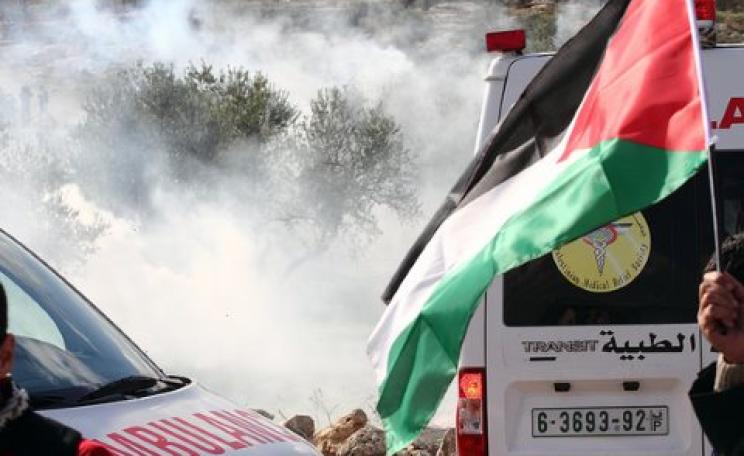
Following Israel's destruction of much of Gaza's civilian infrastructure in Israel's summer 2014 attacks, the territory's drainage systems have been unable to cope with heavy rains, and the UN has declared a state of emergency in Gaza City.
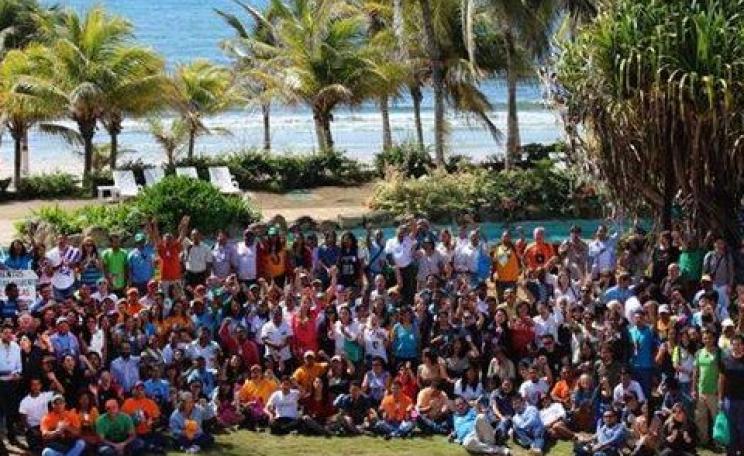
A gathering of civil society and social movements in Venezuela concluded last week with a strong demand for climate justice, writes Maruška Mileta. Rich countries must stop passing off their 'false solutions' - from nuclear power to geoengineering - and pay the costs of a rapid transition to low-carbon world that brings renewable energy to all.
China and the US have jointly pledged to limit their greenhouse gas emissions, as the Presidents of the two countries met for talks today in Beijing. The move is boosting hopes for the UN climate summit in Paris in 2015 - but is it really enough to restrain temperature rises?
Only four countries opposed a UN Resolution on 'depleted uranium' munitions: the USA, UK, France and Israel, all nuclear WMD states whose use of DU leaves battle fields contaminated with toxic, radioactive residues for millennia into the future. The overwhelming support for the Resolution puts the WMD states on notice - DU munitions are no longer acceptable.
December's meeting of the Chemical Weapons Convention offers the opportunity to control very dangerous and often fatal chemical agents deemed 'incapacitating', write Michael Crowley & Malcolm Dando. Currently a legal gray area, it's essential to bring the development and use of these substances before a full blown arms race breaks out.
Today's IPCC report provides all the reasons we need for serious climate action, writes Alex Kirby. But unless key polluting countries commit to deep cuts in emissions, and accept sanctions for non-compliance, there's little chance of any climate change agreement actually working.
The Global Alliance for Climate-Smart Agriculture made its high-profile launch at the New York Climate Summit. But for a huge coalition of civil society organizations, it's a 'greenwash' initiative designed to promote intensive profit-driven industrial agriculture at the expense of small farmers, environment, and the real solutions.
Both the World Conference on Indigenous Peoples and the Climate Summit have taken place at the UN this week, writes Lisa VeneKlasen - each producing their lofty declarations. But what really matters is whose voices are being heard, and will be acted on, in a profound clash of worldviews.
The world's biggest CO2 emitter, China, had a low key presence at the UN Climate Summit yesterday, writes Alex Loy, giving a strong hint that its leaders have lost faith in the ailing UN climate process. But the country is pushing hard on climate solutions at home, including a national emissions cap and effective carbon pricing.
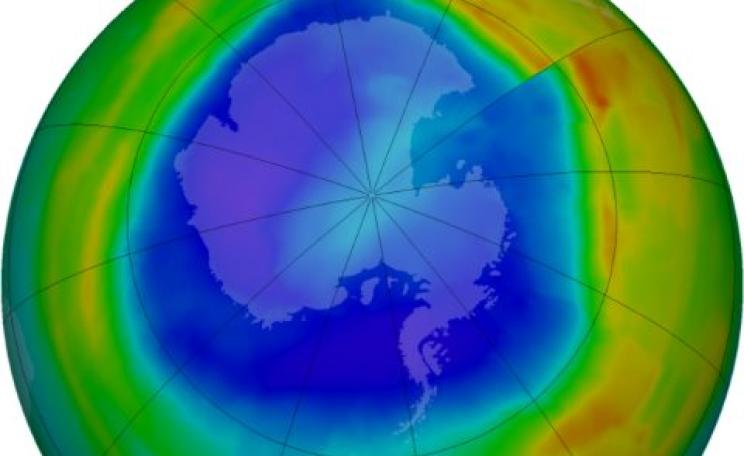
Thirty years after the UN took action to save the ozone layer, we can count the benefits - which only begin with 2 million fewer cases of skin cancer a year, writes Nigel Paul. With world leaders taking on the much greater climate challenge today, we should take cheer, and inspiration, from that historic success.
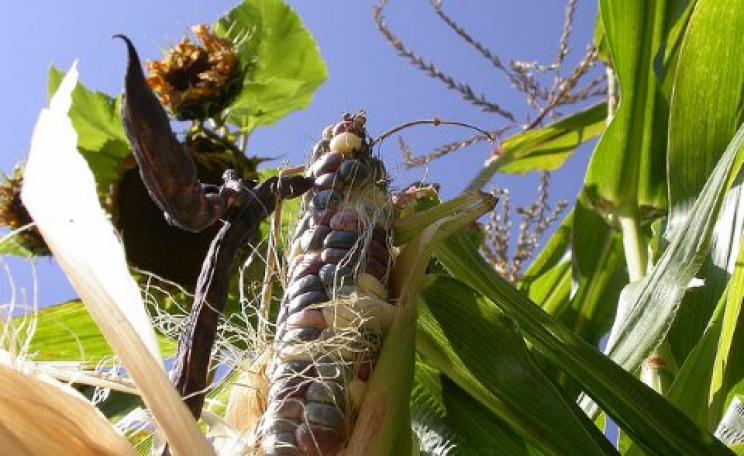
Governments must shift subsidies and research funding from agro-industrial monoculture to small farmers using 'agroecological' methods, according to the UN's Special Rapporteur on the Right to Food. And as Nafeez Ahmed notes, her call coincides with a new agroecology initiative within the UN's Food and Agriculture Organisation.
Of course we must quit burning fossil fuels and welcome a renewable future, writes Andrew Lockley. But that's not going to stop the Earth from warming, indeed the reverse. So ... we need some tricks up our sleeve to deal with it - in a word, geoengineering. Because it will save our lives, and our planet.
Prospects for a global climate deal under the UN are receding fast, writes Assaad Razzouk, as the Green Climate Fund is short-changed by donor nations. But there's still plenty to hope for with a private sector that's stepping up to the mark, and fast-growing decentralised climate action.
The systemic failure of the Nigerian government and oil giant Shell to clean up the horrendous oil pollution in the Niger Delta has been branded 'shameful' by a group of Nigerian and international NGOs.
The United Nations has voted to legislate against human rights abuses carried out by transnational corporations, reports Lucia Ortiz. But the resolution, proposed by Ecuador and South Africa, was opposed by the US and the member states of the EU.
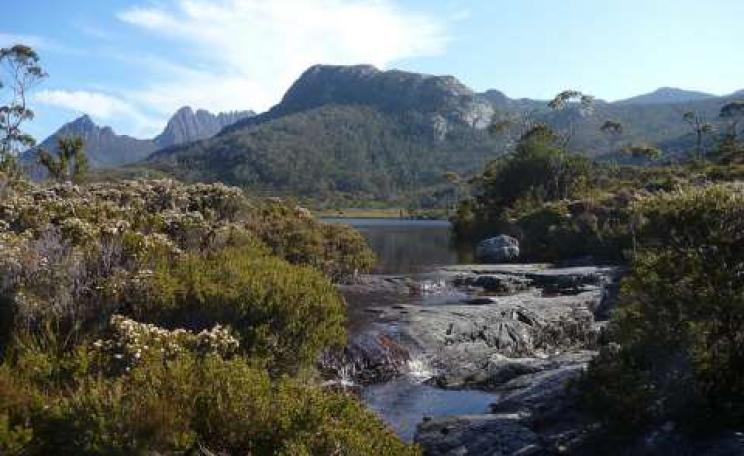
UNESCO has refused to 'de-list' 74,000 hectares of the Tasmania Wilderness World Heritage Area as requested by the Tasmanian and Australian governments, following a 'feeble' presentation.
74,000 hectares of Tasmania's native forest wilderness will be opened up to industrial logging, writes Jess Abrahams - if Australia's government succeeds in removing its World Heritage status at a UNESCO meeting now under way in Doha.
A UNESCO mission to Virunga, home to 200 Mountain gorillas, has demanded an end to oil exploitation in the National Park, which it describes as 'extremely threatened'. London-based Soco International began seismic testing in the Park last month.
The UN has specialist organizations for trade, health, labour, maritime affairs, intellectual property, tourism and Palestinian refugees - but none for the environment. Isn't it time that changed? Lucien Georgeson believes a WEO would bring substantial global benefits.
The Non-Aligned Movement has reiterated the demand for Israel, the only country in the Middle East that has not joined the Non-Proliferation Treaty, to 'renounce possession of nuclear weapons' and join the Treaty without delay.
The UN has described the Gaza Strip as a 'disaster area' following the onslaught of Storm Alexa and called on the international community to lift the blockade and allow recovery efforts to proceed.