The tiny Pacific state of the Marshall Islands has given oral evidence to the International Court of Justice against all nuclear armed states for failing to pursue disarmament. The UK, India and Pakistan were present to deny the charges, but the US, Russia, France, China, Israel and North Korea have denied the ICJ's compulsory jurisdiction.
For the second year running CO2 emissions flatlined even as the global economy was growing at around 3%, writes Alex Kirby. But sharply rising temperatures show the need for further massive renewable energy deployment to actually bring emissions down.
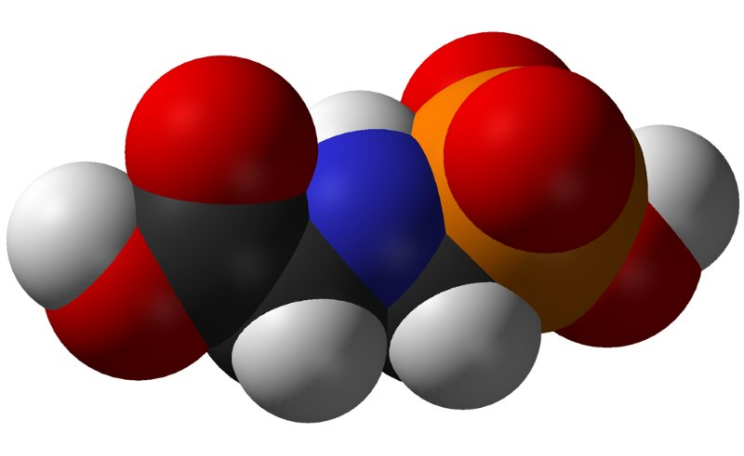
With industry spinning that glyphosate is harmful to health, if at all, only with co-formulants like tallowamine, the World Health Organisation's cancer agency IARC has just released a Q&A document (below) stating that 'pure' glyphosate poses similar cancer and genotoxicity risks as its formulations. Banning particular co-formulants, as proposed by some EU countries, does not solve the problem.
It has been an epic battle, writes Aisha Dodwell. Monsanto and other corporations are desperate to get the world's number one herbicide, glyphosate, relicenced in the EU. But their network of power has been challenged by doctors, scientists and a global movement of people. With today's postponement of the EU's decision, we have just scored a major victory.
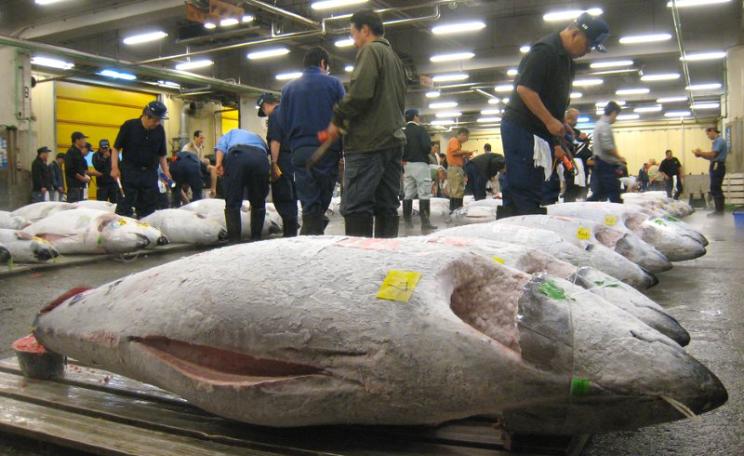
The global catch of fish and seafood is falling at three times the rate reported by the United Nations and urgently needs to be slowed to avoid a crash, reports Christopher Pala. The finding comes in a new study for Nature which quantifies the huge illegal industrial fish pillaging taking place around the world, together with artisanal catches, which in 2010 added over 50% to UN estimates.
Rich nations at this month's World Trade Organisation summit in Nairobi failed in key objectives, writes Alex Scrivener, like the inclusion of investor rights as in TTIP, TTP and CETA. But the unfair order of global trade remains in place, and the greatest danger for poor countries is that the neoliberal agenda will now be forced upon them in opaque regional and bilateral trade deals.
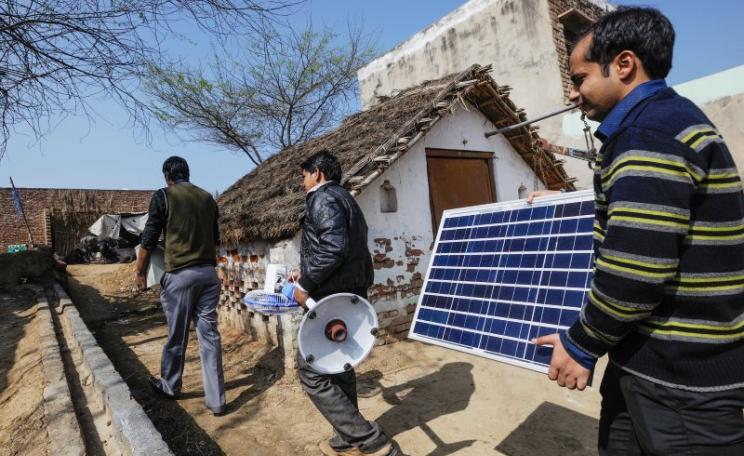
What's not to like about the promise of billions of dollars for clean energy R&D? It's that we need to get the global energy transition moving right now, writes Ambuj D Sagar, not ten years hence. The billions should go into the immediate global deployment of the renewable technologies we have already got.
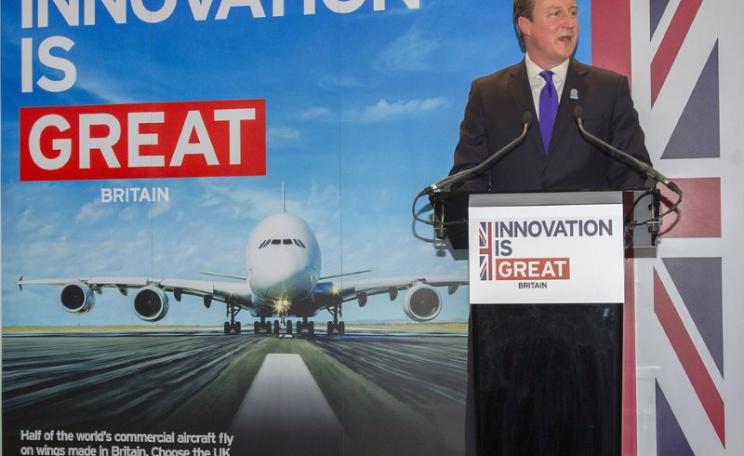
As protestors gather to oppose yet another illegal war in the Middle East, Colin Todhunter asks why David Cameron is so keen to bomb. Of course there's access to oil and routes for gas pipelines, but beyond that, it's about re-entrenching militarism into our national culture, and re-asserting the dominance of capital over people.
Is the aspiration to halt the loss of biodiversity by 2030 - enshrined in the UN's new Sustainable Development Goals - a fairy tale? It's ambitious, writes Richard Pearson, but there are plenty of signs that the world is acting effectively to conserve its endangered habitats and species. With extraordinary effort, we can do it.
The Conservatives' commitment to owning, renewing and using the UK's nuclear weapons was cheered to the rafters at their party conference, writes David Lowry. But it has left them vulnerable to Corbyn at tomorrow's Prime Minister's Questions - should he decide to expose their nuclear hypocrisy.
The Sustainable Development Goals are a wish list that few could disagree with, writes Nick Dearden. But the delivery plan is to rely on 'free' markets, corporations and technocratic government - although these 'solutions' are at the root of the problems the SDGs aim to solve.
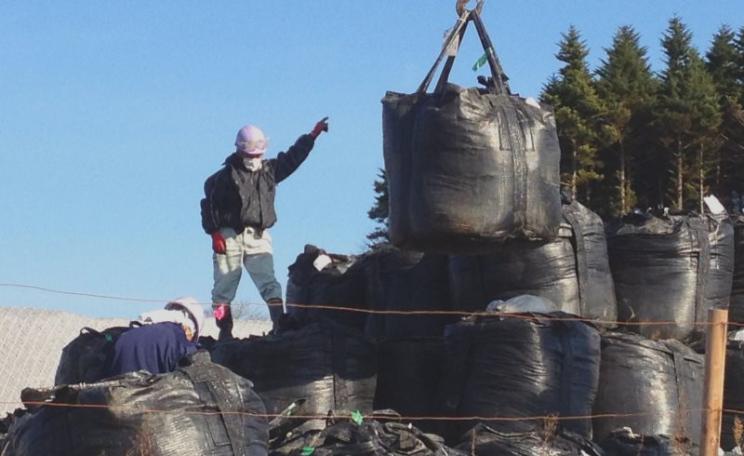
A massive decontamination exercise is under way in Iitate Village near Fukushima, writes Kendra Ulrich: step one in a plan to force 6,000 residents back into the evacuated zone in 2017. But as radiation levels remain stubbornly high, it looks like the real plan is to 'normalize' nuclear catastrophe, while making Iitate residents nuclear victims twice over - and this time, it's deliberate.
This month the UN is meeting to enact binding global rules on the conduct of business and transnational corporations, writes Sam Cossar-Gilbert, reversing the trend for increasing business empowerment in TTP, TTIP and TISA. The new UN Human Rights Treaty aims to provide justice for the victims of corporate criminality anywhere in the world.
Australia's government can breathe a sigh of relief as UNESCO keeps the Great Barrier Reef off its 'World Heritage in danger' list, writes Emily Lindsay Brown. But in return, it has committed to protect the reef from farm run-off and dredgings, and to implement its 'Reef 2050' sustainability plan. If Australia fails, the Reef could be officially 'in danger' as soon as 2020.
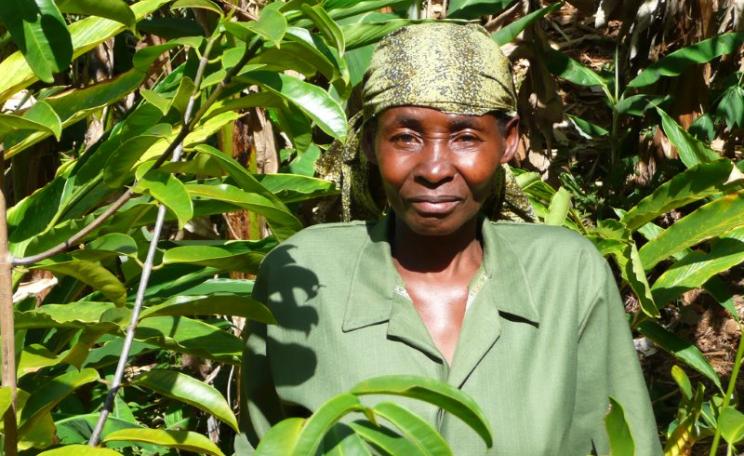
Forest foods are a vital source of nutrition for millions of people, writes Bhaskar Vira, and we need to make them an even bigger part of our diets for the sake of health, biodiversity, local economies, and to increase food global security in a warming world.
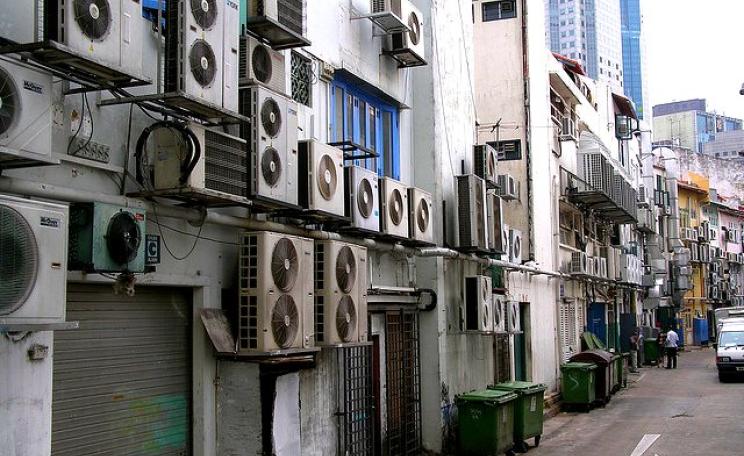
Moves to control powerful HFC greenhouse gases used in refrigeration could culminate in a landmark deal this November, writes David Doniger - the perfect prelude to the main Paris climate talks.
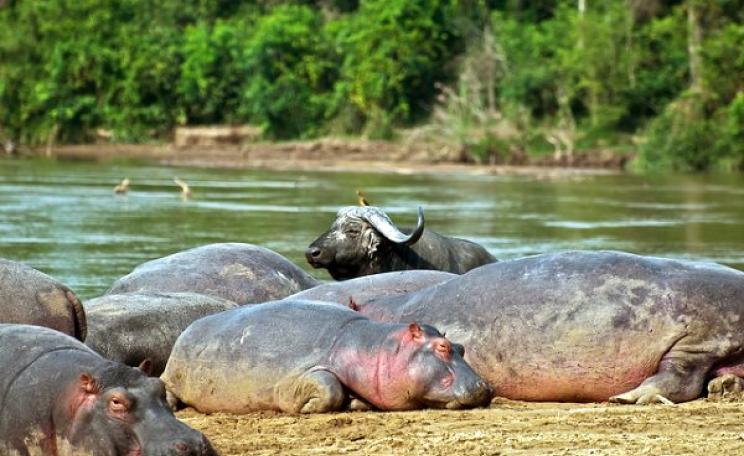
The Democratic Republic of Congo is to consult UNESCO, writes Melanie Gouby, over its wish to 'explore judiciously' for oil in Africa's first and most biodiverse National Park and World Heritage Site.
A small community in Uganda is challenging a UN-backed international oil palm venture that has expropriated small farmers and obliterated an entire forest on a Lake Victoria island to establish a vast plantation. Three years after the grab, Friends of the Earth groups are backing the islanders legal action, which is launched today.
Across Africa, laws are being rewritten to open farming up to an agribusiness invasion - displacing the millions of small cultivators that now feed the continent, and replacing them with a new model of profit-oriented agriculture using patented seeds and varieties. The agencies effecting the transformation are legion - but they are all marching to a single drum.
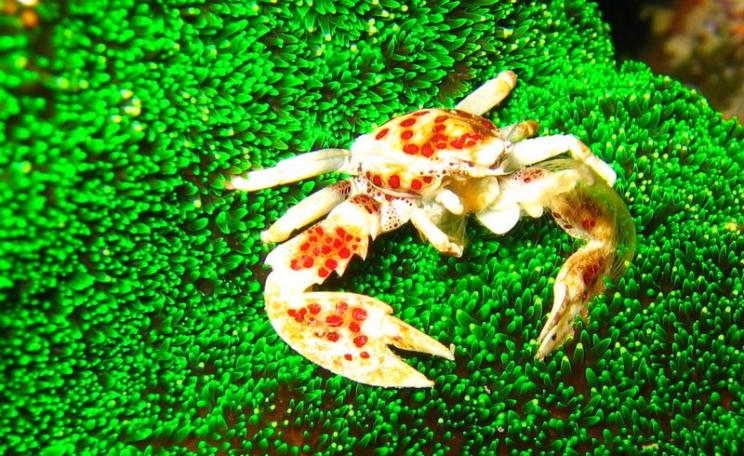
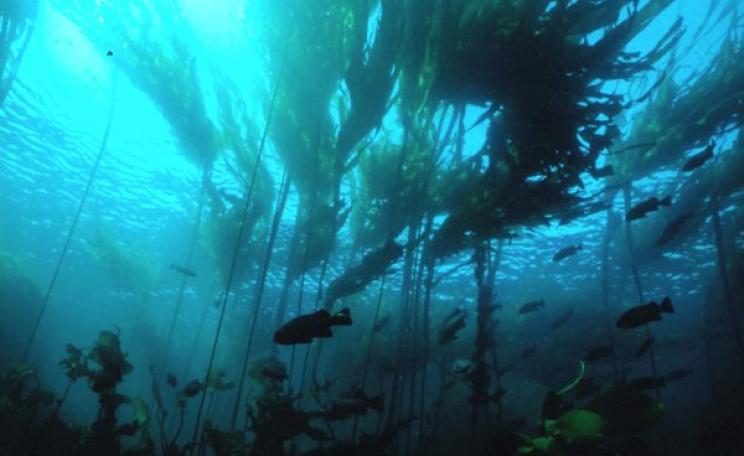
The rapid deterioration of the world's oceans and the life they contain calls for a breakthrough in their governance, writes Deborah Wright. The seas must be protected, respected and policed as the common heritage of all mankind, and of all generations present and future.
The UN Food and Agriculture Organization's definition of 'forest' includes commercial plantations of fast growing trees - often replacing biodiverse native forests relied on by local communities. FAO must stop using this mis-definition to claim that forests are expanding, when the reverse is the case.
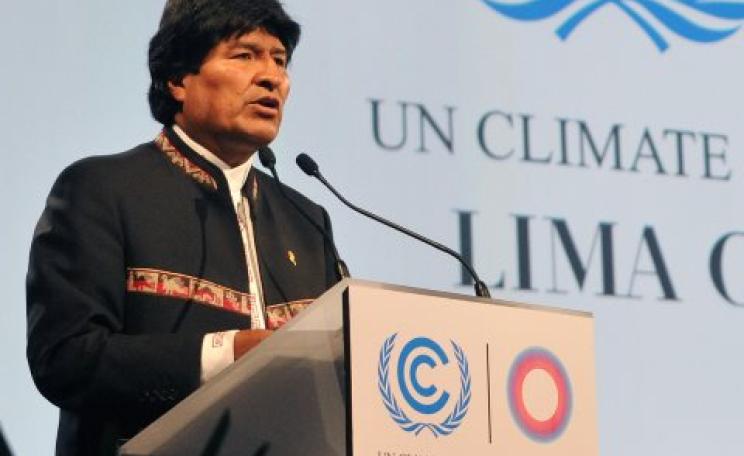
In 2011 the US firmly ruled equity out of climate negotiations, writes Chukwumerije Okereke. But in the Lima climate talks the poor countries put the moral dimension where it belongs - at the heart of any future climate treaty.
COP20 has just laid the foundations for a non-agreement in Paris in 2015, writes Assaad Razzouk - thanks to the pernicious influence of fossil fuels, poisoning debate and subverting serious climate action. Now there's only one earthly power big enough to fight back.
After a second extra day of climate talks in Lima, an agreement has been cobbled together. Deadlines have been set for the world to come up with plans to curb emissions and adapt to climate change - but has been no progress on the key divisive issues, and the prospects of an effective mew treaty in Paris next year remain remote.