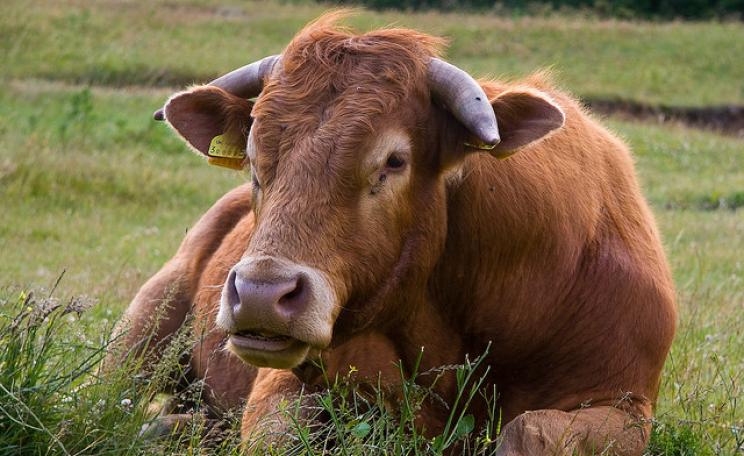
Wales has achieved enviable success in reducing bovine TB in its cattle herds without killing badgers, writes Lesley Docksey. The farming lobby is still demanding an England-style cull, but the Welsh government's 'refreshed' policy on bTB remains firmly science-based and no badgers will be killed without 'objective evidence' of infection.
The UK government's insistence of pursuing fracking is based on a flawed and utterly misinformed vision of our future, write Alex Russell and Peter Strachan. Rather than delivering the prosperity they promise, large scale fracking would cause massive pollution of air and water, undermine vital export industries, and leave us with an irretrievably damaged economy and natural environment.
England is about to extend its badger cull policy to five new areas of the country, proving that only that science is a dead letter to May's conservative government as it was to Cameron's. While bovine TB infections in cattle rise in the existing cull areas, Wales has just achieved a cull-free 14% reduction.
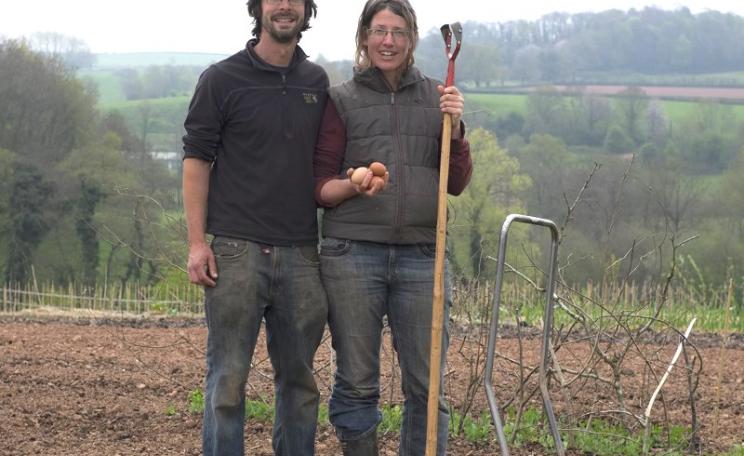
For most of 2015 Walter Lewis travelled around England and Wales meeting and photographing people producing food outside the confines of mainstream agriculture - working out of a passion for the earth and the Earth rather than for commercial gain. He completed his exploration inspired, and determined to spread word of quiet revolution under way across the fields of Britain.
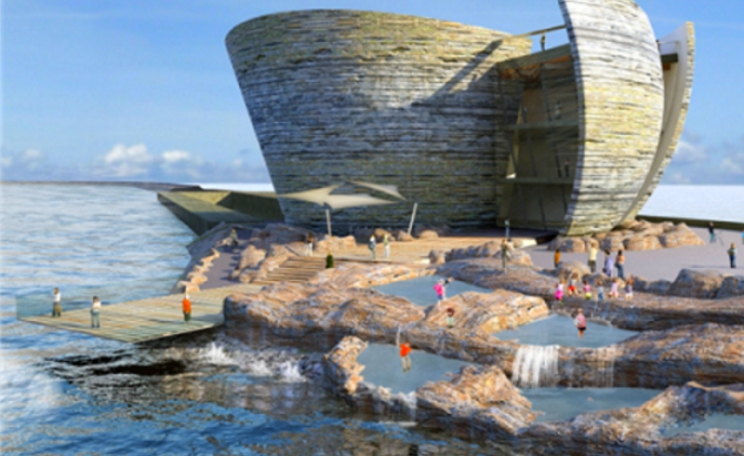
Tidal lagoons could generate 8% of the UK's electricity, writes Stephen Tindale, and go on doing so for 120 years to come. With the Hinkley C nuclear project looking ever more dicey, and with promises to shut down coal fired generation by 2025, a promised new tidal lagoon In Swansea Bay would come in very useful. So why hasn't the government included it in the Energy Bill?
Momentum is gathering behind the UK's transition to a fossil free society, writes Guy Shrubsole. We know we need to leave at least 80% of proven fossil fuel reserves in the ground to avert catastrophic climate change. Here's a quick run-down of progress to date - and the key upcoming fights, including an invasion of the UK's biggest coal mine this weekend.
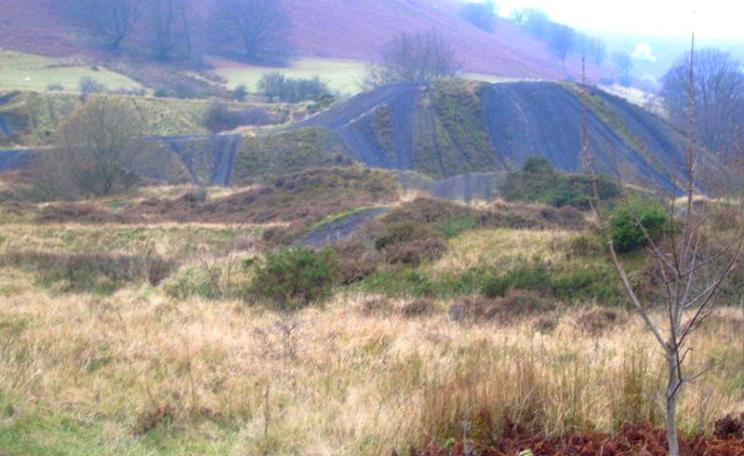
Next month thousands will gather in Wales to shut down the UK's open cast coal mine at Ffosyfran, whose 3,500 acres abut both Merthyr Tydfil, one of Britain's most deprived communities, and the glorious Brecon Beacons national park. It will be one of dozens of coordinated actions across the UK, and around the world, to bring the age of coal to the rapid end it so richly deserves.
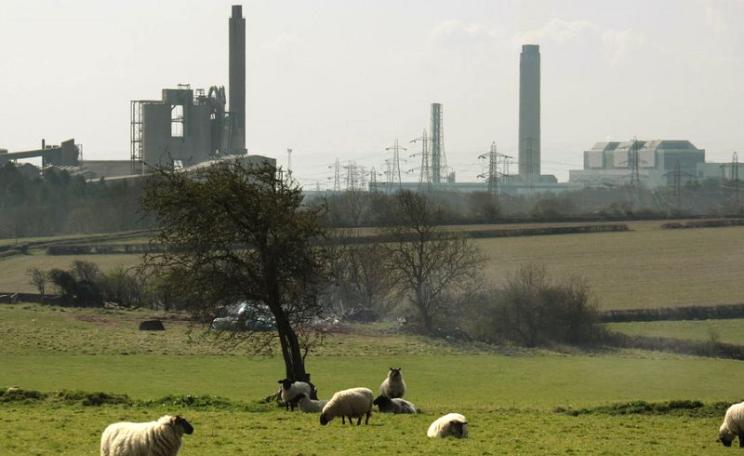
Wales should lead the UK in bringing an end to the entire coal industry from opencast mining to highly polluting power stations, writes Gareth Clubb. A new report by Friends of the Earth Cymru shows the Aberthaw plant alone imposes social and environmental costs of nearly £1 billion per year on the country and global climate.
A tangle of undercapitalised companies are coming forward to cash in on old deep coal mines in Wales, writes Guy Shrubsole - by digging them all out from above from huge open cast pits. But local communities, alarmed at the noise, pollution and destruction of landscape, increasingly see coal as an industry that's best consigned to the scrapheap.
The government makes bold claims about tackling climate change and phasing out coal power stations, writes Guy Shrubsole. Yet it's 'relaxed' about two huge new coal mines that would produce ten million tonnes of coal, blighting landscapes and afflicting the health of vulnerable communities. It's time to say no to all onshore fossil fuel production.
Despite Cameron's promise to lead the 'greenest Government ever', the environment has taken a heavy bashing since the 2015 election, writes David Clubb - whether on oil, fracking, renewable energy or planning policy. But Wales is doing its best to follow a sustainable path, and demonstrating badly needed environmental leadership that the whole UK would do well to follow.
This May the Greens are hoping to win their first seats in the Welsh Assembly, and become a strong force for social and ecological progress, writes Alice Hooker-Stroud, newly elected leader of the Wales Green Party. At the heart of the vision: sustainable, prosperous, empowered communities.
Caerphilly councillors yesterday refused permission for a huge open cast coal mine in South Wales that's fiercely opposed by local people furious at its impacts on air, landscape, tranquillity and climate, writes Guy Shrubsole. Coming so soon after the rejection of fracking in Lancashire, the message is clear: fossil fuels are best left safely underground.
It's a hard life being an organic farmer, writes Alicia Miller - and specially when it comes to engaging with a bureaucracy that's trying to 'green' our agriculture. Should small scale farmers change their farming practices to fit in with it? Or the other way round?
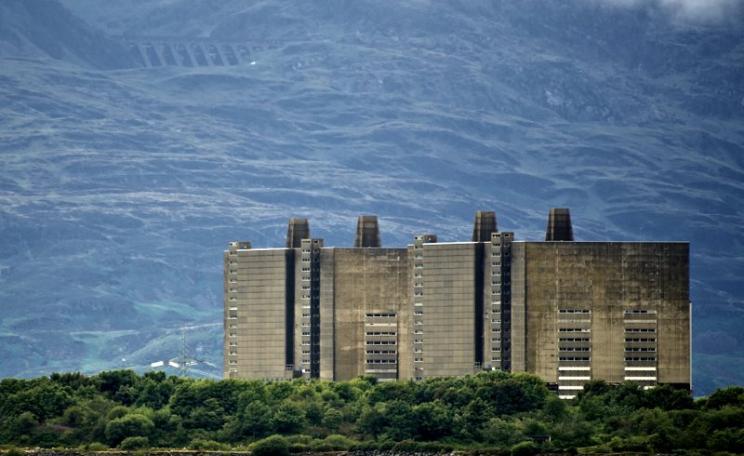
A study of cancer incidence downwind of the Trawsfynydd nuclear plant in Wales shows a doubling of risk, writes Chris Busby, mainly from breast cancer. People eating fish caught in Trawsfynydd Lake are also at elevated risk. It's yet more proof that the nuclear industry's favourite risk model is wrong, understating the actual dangers of internal radiation - ingested or inhaled - by a factor of 1,000 to 10,000.
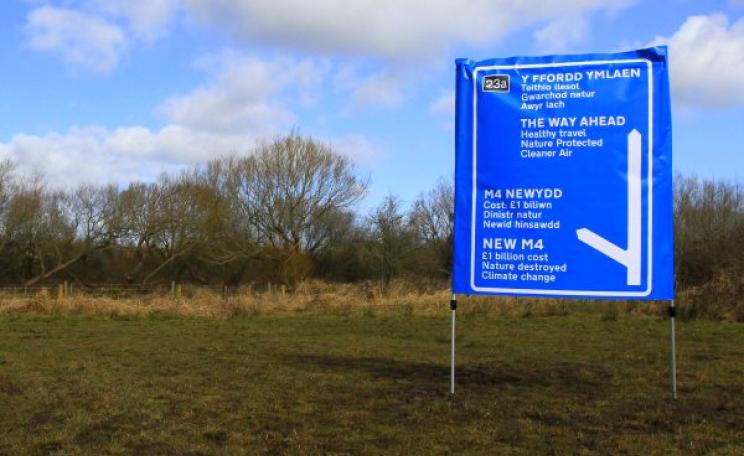
A Friends of the Earth Cymru legal challenge to the Welsh Government's 'irrational' plan to drive a new branch of the M4 motorway across the highly protected Gwent Levels wetlands begins in the High Court today.
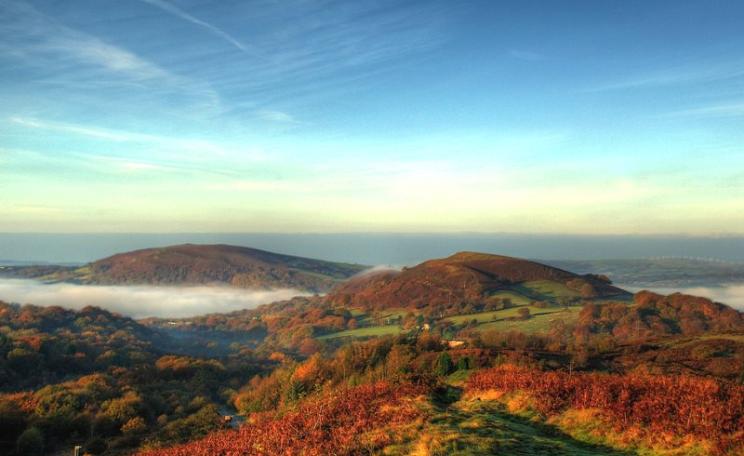
Developers are determined to build a massive motor sports complex on common land above the South Wales valleys, on the edge of the Brecon Beacons National Park, writes Kate Ashbrook. But although they have planning permission, they can still be defeated. Image: Ross Merritt, via Flickr.
Talis Kalnars was a pioneer of 'continuous cover' forestry in Britain, writes Phil Morgan. His woodlands were not only beautiful but profitable, as he nurtured the 'natural capital' of the forest ecosystem, and only harvested the dividend of high value timber.
Wales has an enviable record of declining BTB in cattle - without having to kill a single badger. Jan Bayley explains how Wales's combination of frequent testing and exacting biosecurity has succeeded - and how England can learn from Wales's experience.
In rural West Wales, with no public consultation, the Ministry of Defence and QinetiQ are about to launch a new era in drone technology and experimentation. Paul Mobbs reports on Wales's role in a legally dubious future of mass surveillance and remote killing.
Last month’s downpours might have put you off water for life but that doesn’t mean a watery getaway isn’t worth a look. Ruth Styles rounds up 10 of the best
What better way to round off a slap-up Easter feast than with a walk through some of the UK’s finest countryside? Walking charity, Ramblers’ Simon Barnett rounds up five of the best
Forget France; the UK is home to some of the coolest holiday spots on the planet. Whether you want scenery, natural phenomena or a dose of eco-luxury, there’s a British break to suit you
From taking the ferry to a budget version of the Orient Express, Greentraveller founder, Richard Hammond, shares his top five ways to holiday without harming the planet