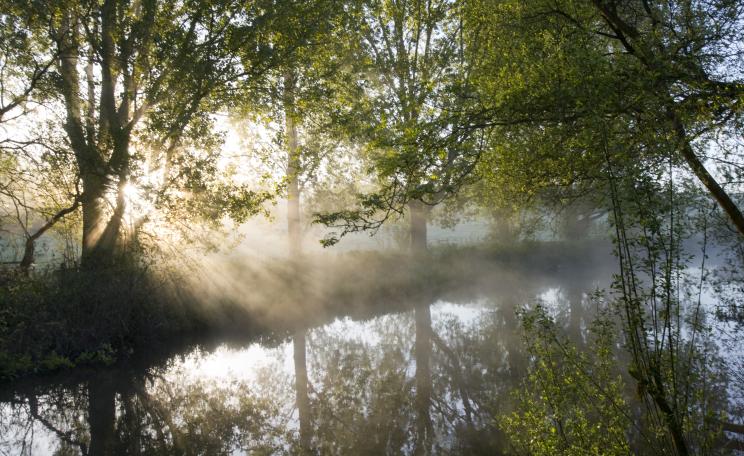
With some climate predictions warning that river water temperatures will exceed safe thresholds for river fish, the Keep Rivers Cool (KRC) campaign is calling for more riverside tree planting.
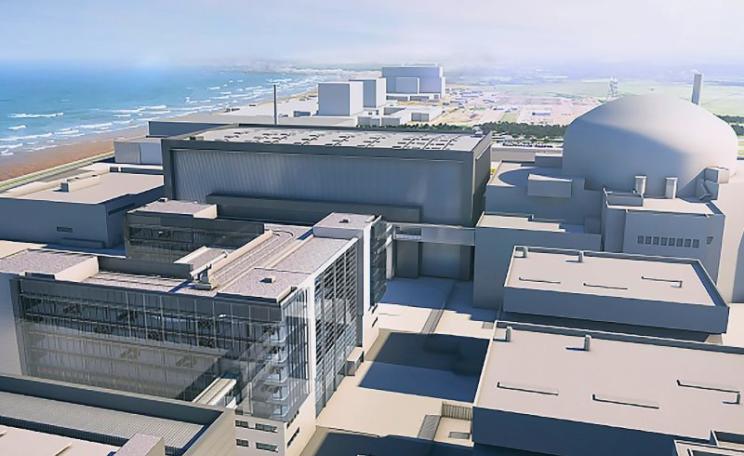
The government's surprise delay in signing the contract with EDF to build the Hinkley C nuclear power station has opened up a the space for a forward-looking UK energy policy, writes Jonathon Porritt - one that moves us into the world of low cost renewables, and smart new technologies vital to the global clean energy transition. But is Business & Energy Greg Clark for real? Don't rule it out!
The Soil Association is calling on bread producers and supermarkets to stop making and selling bread products that contain traces of Glyphosate. LAURA BRIGGS reports.
Uranium mining is a dirty business that we didn't clean up but sourced out to less demanding countries, so why isn't this being discussed in any debate about nuclear energy asks NICK MEYNEN
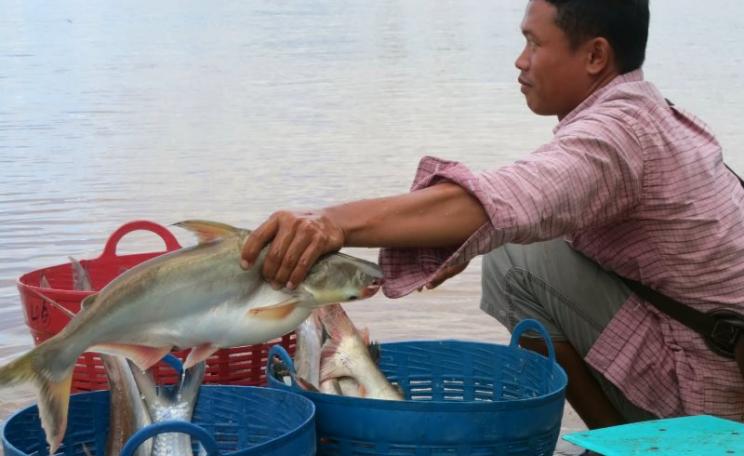
Investigative reporter, TOM FAWTHROP has just returned from the site of the Don Sahong - a hydrodam being constructed in the middle of an eco-paradise of wetlands in Southern Laos where over 200 fish species have been recorded.
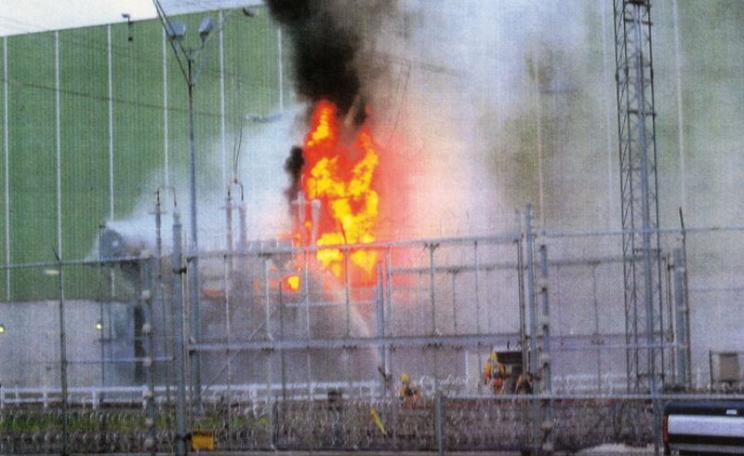
The NRC routinely fails to enforce its own safety codes at nuclear power plants, writes Linda Pentz Gunter - putting all of us at risk from accidents. It's the US's most extreme example of regulatory capture, rivalling Japan's 'nuclear village' of crony agencies and feeble regulation that led to the Fukushima disaster. How long can it be before the US experiences another nuclear catastrophe?
Calls for better protection of the UK's ancient woodlands are being made by environmental groups due to a loophole in the National Planning Policy Framework (NPPF), last revised in 2012. LAURA BRIGGS reports
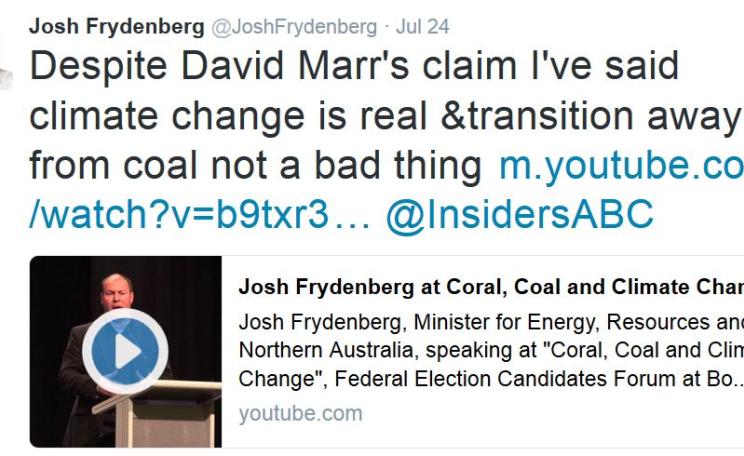
Australia's Prime Minister Malcolm Turnbull has handed the environment portfolio to the energy minister in an attempt to calm climate sceptics. But will it work? Ecologist writer Maxine Newlands reports.
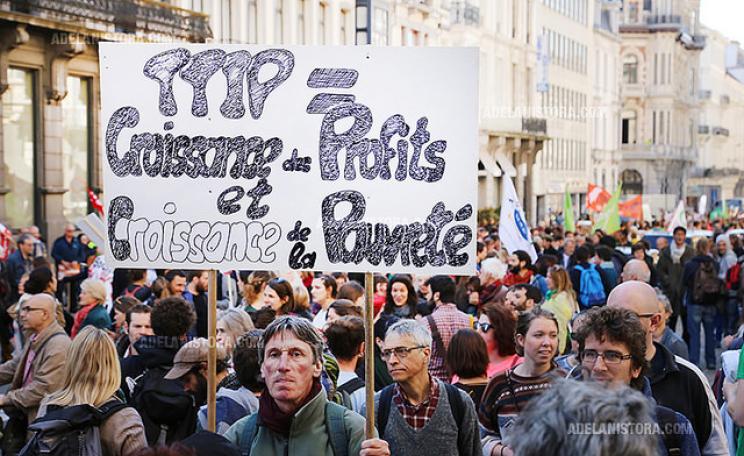
The European Union and the USA have been negotiating the Transatlantic Trade and Investment Partnership (TTIP) behind closed doors since 2013. Negotiators kept insisting that their secret talks would work in the best interest of the public and the environment. But since Greenpeace leaked the TTIP draft negotiating documents it became clearer than ever, that this trade agreement could become one of the most dangerous weapons in the hands of the fossil fuel industry in its effort to kill Climate Action for the 21st century. The elephant in the room is here and it is huge: the word "climate" means something totally different in the TTIP papers.
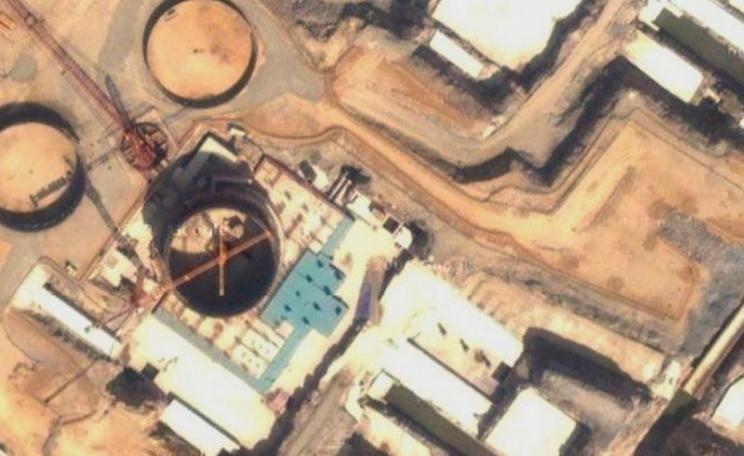
When Theresa May proclaims in Parliament that we need the £200 billion Trident nuclear missile system to see off the North Korean nuclear threat, writes David Lowry, just bear this in mind. It is a threat that the UK, global nuclear proliferator in chief, created in the first place, providing both the reactor technology and vital centrifuge materials to make North Korea's nuclear dream come true.
There is now a very real hope that thousands of animals in Ireland will be spared from painful laboratory testing thanks to new funding from the Government for alternative scientific research. Ecologist reporter, LAURA BRIGGS reports
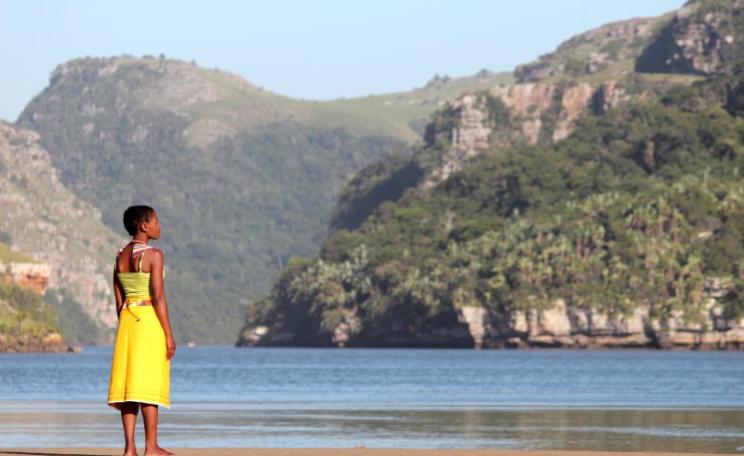
Campaigners have forced the biggest shareholder in a titanium mining project on south Africa's 'Wild Coast' to withdraw, reports Rachel Lees. But they now fear the project itself will continue under the auspices of local 'front' companies, while the big profits enrich the British and Australian investors that are the real masters of Africa's neo-colonial minerals boom.
Instead of leaching the world's resources to support out-of-control consumerism, EU leaders could do worse than ponder novelist Victor Hugo's claim that whilst "you can kill people, you can't kill an idea whose time has come", writes NICK MEYNEN
The UK imports millions of tons of American wood pellets every year to be burned in power stations for 'climate friendly' electricity, writes Matt Williams. But his recent visit to the southern US showed him that this practice is devastating beautiful, natural forests rich in wildlife - while the UK government's own research shows that it's worse for the climate than the coal it replaces.
A once quiet voice, hard to distinguish against the grinding machine of intensive food production is now shouting above the noise. LAURA BRIGGS reports on the growing interest in grass as a feeding option
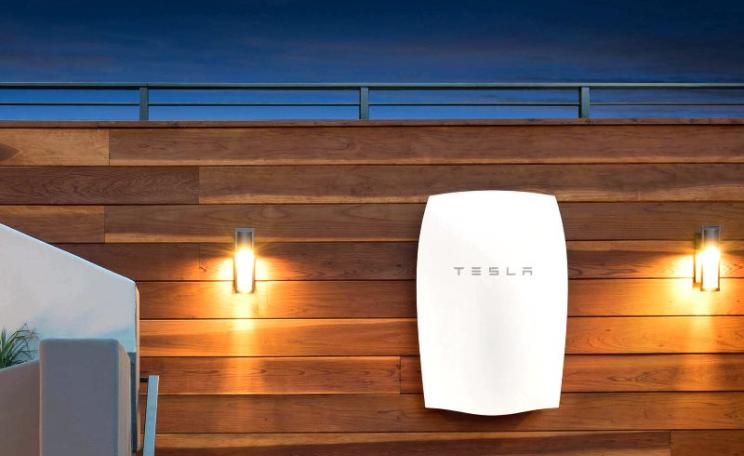
Renewable electricity is already undermining the big energy utilities' business model, writes Emma Howard, breaking their monopoly and bringing down energy bills. But with the unfolding battery revolution, it's going to reach a whole new level as wind and solar powered families and communities become ever more self-sufficient, leaving utilities high and dry.
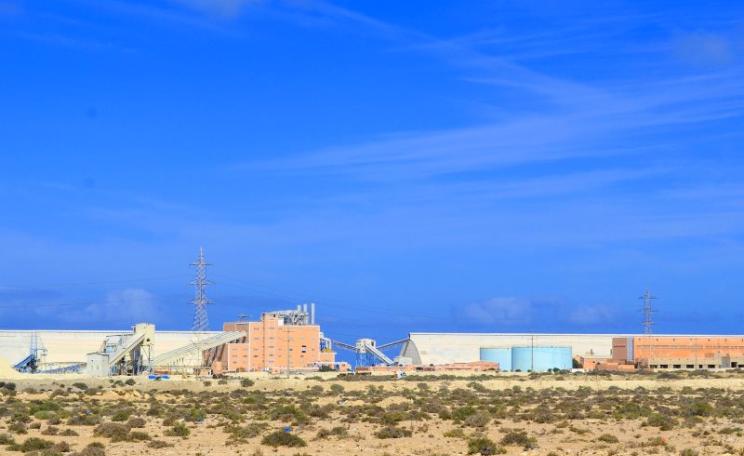
Africa is being opened up like a tin of sardines to a new wave of resource extraction, writes Colin Todhunter. Masked under the soubriquets of 'investment', 'growth' and 'free trade', a handful of vast global corporations are systematically plundering the continent's mineral wealth and leaving desolation in their wake, backed to the hilt by that ever-faithful servant of capital - the UK government.
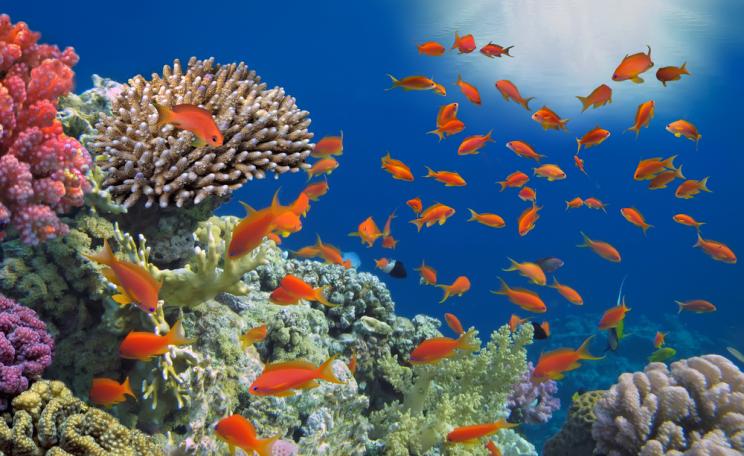
The Great Barrier Reef was a key talking point in the run up to Australia's federal election as politicians promised billions to improve water quality, whilst talking down coral bleaching and report rigging. Ecologist writer, Maxine Newlands, reports...
The Royal Society purports to provide unbiased information on scientific issues, writes Steven Druker. But its new guide on GMOs is grossly misleading - glossing over the many dangers inherent to the technology with bland, unsupported re-assurances. The Society must end its partisan promotion of GMOs or risk its reputation as Britain's premier scientific body.
With today's climate change report sounding a red alert for the UK's national security, Theresa May's response to it will mark the first major test of her leadership when she takes over as Prime Minister tomorrow, writes Ecologist New Voices writer Joe Ware. Imminent climate-related dangers demand urgent, effective, cross-departmental action - but will she step up to the mark?
In its decision to leave the EU, the UK is cutting itself off from one of the world's most effective systems of climate governance, write Tim Rayner & Brendan Moore. But we still have our own Climate Change Act and can lead the EU, if not as a member, at least by example - provided current and future Conservative Party leadership make their commitment clear, and implement their promises.
The political vacuum left by the Iraq war provided the space for radical extremism to take root in the Middle East and rampage across the region, writes Dr Robert Dover. That makes Tony Blair directly responsible for the refugee crisis that is destabilising Europe today, reflected in the UK's Brexit vote. And it fatally wounded the credibility of his 'third way' social democratic politics across the EU.
Israel is inflicting 'water starvation' on Palestinian communities, writes Ramzy Baroud, with residents of all-Jewish settlements in the West Bank each receiving thirty times more water than their Palestinian neighbours. Meanwhile resistance to the Occupation is routinely punished by water closures and the destruction of water infrastructure, contrary to international humanitarian law.
Australia's nuclear industry has a shameful history of 'radioactive racism' that dates from the British bomb tests in the 1950s, writes Jim Green. The same attitudes persist today with plans to dump over half a million tonnes of high and intermediate level nuclear waste on Aboriginal land, and open new uranium mines. But now Aboriginal peoples and traditional land owners are fighting back!