The UK's exit from the EU won't deliver for the 'victims of globalisation' whose votes were decisive in the referendum result, writes Pete Dolack. All the economic scenarios advanced to date envisage more of the 'free trade' and neoliberalism that has global empowered capital against communities and the well-paid jobs that once sustained them. Plus ca change ...
The economic impacts of the Brexit vote will very soon make themselves felt to British consumers, writes Chris Goodall - kicking off with higher fuel bills and pump prices. The good news is that nuclear power is now looking increasingly unaffordable. But renewables and green energy research are also likely to suffer, especially if under a right-wing Brexit government.
Depressed at the Breferendum result? So you might be, if you are bothered by the environment, social justice and a successful economy, writes Oliver Tickell. But it may never come to that. In fact it's just possible that the Brexit vote could deliver us a reformed 'peoples' EU' that includes the UK, under a progressive government led by Jeremy Corbyn. Here's how.
Thanks to fracking company Cuadrilla, grandmother Tina Rothery will be in court tomorrow over a £55,000 'debt' imposed on her for joining a peaceful occupation of a fracking site in Lancashire. But as she explains, she can't pay, she won't pay, and even if she could pay, she wouldn't. Someone has to stand up to corporate vandalism and abuse of justice - and in this case, it's her, no matter what the consequences.
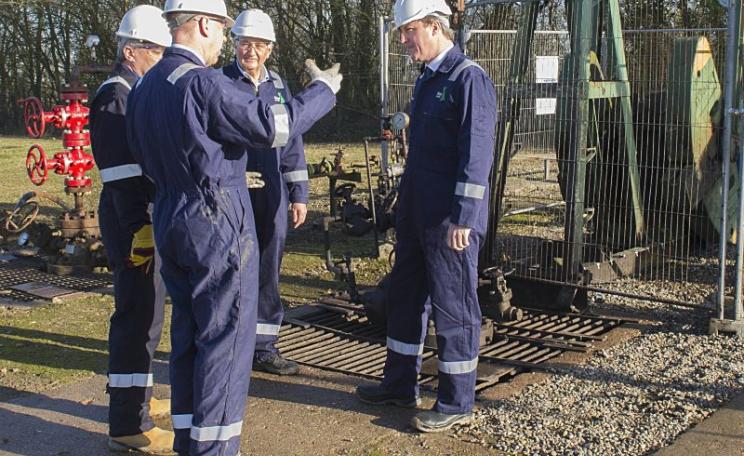
Almost all UK laws that regulate fracking's impact on the environment emanate from EU directives and regulations, writes Zachary Davies Boren. Once out of the EU, the UK would be free to amend them, scrap them or simply ignore them. And given the UK's record of support for fracking and lobbying in Brussels for deregulation, that may be exactly what the Brexiteers have planned.
There are now some 50 Marine Conservation Zones (MCZ) in England and Wales. Amy Hall reports on how campaigners fighting the re-opening of a Cornish quarry in one of the zones are effectively testing what the designation really means and how much protection it guarantees.
A leaked text from the 'Trade In Services Agreement' negotiations shows that TISA is set to unleash a massive wave of deregulation affecting social, environmental and financial standards, and force the privatisation of state-run enterprises, writes Pete Dolack. So it's not just TTIP, CETA and TPP we have to fight - TISA could be the biggest corporate power grab of them all.
The official 'fitness test' on the EU's nature directives carried out for the EU Commission under its 'better regulation' initiative finds that the laws are 'fit for purpose' in every respect, writes Oliver Tickell. But there's a mystery: the report was completed in January, yet it remains unpublished. Did it reach the 'wrong' conclusion for a Commission intent on a bonfire of red tape?
The key study that justifies the Government's claim that fracking is a climate change 'solution' is based on serious scientific errors, writes Nick Cowern. Not only has the Government failed to correct them, but it is now delaying the publication of a new official report that would reveal the truth - that fracking is considerably worse for the world's climate than coal.
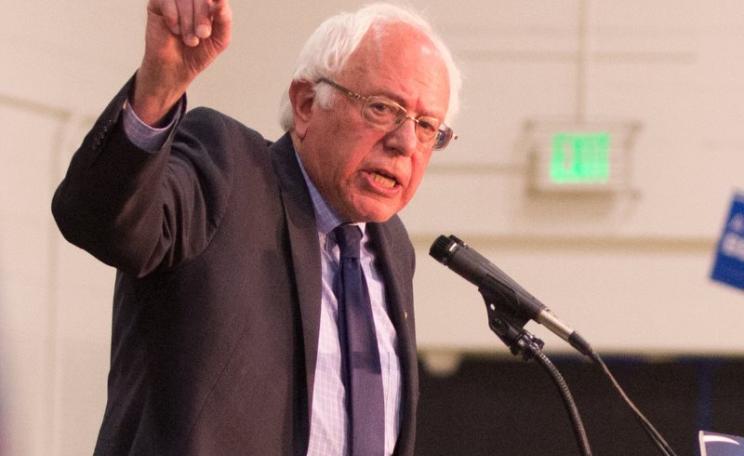
Bernie Sanders may never be the Democratic Party candidate, writes Dave Lindorff. But he can still win the US Presidential election as a Green - thanks to his huge support base and the unpopularity of both Donald Trump and Hillary Clinton. This is Bernie's chance to make his proclaimed 'political revolution' real, and take back democracy for the people.
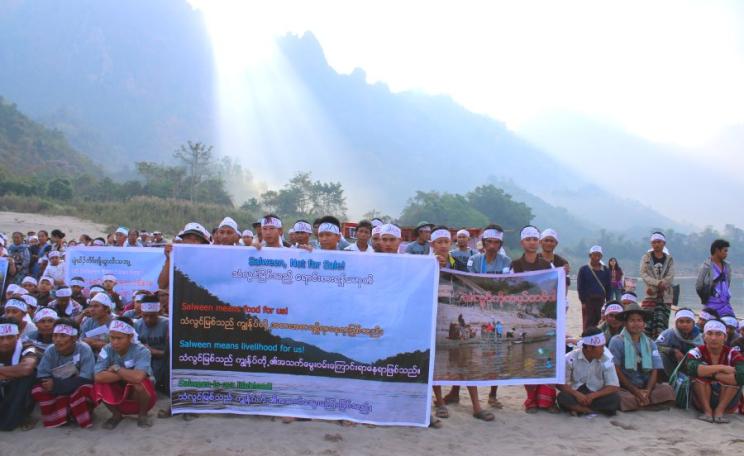
The free-flowing Salween is the last big undammed river in Southeast Asia, home to a flurry of endangered species including tigers and clouded leopards, writes Tom Fawthrop in Hpa-an, Karen State, Myanmar. And thanks to support from both the indigenous Karen people, and senior officials in China who see the huge ecotourism potential of the river and its dramatic gorge, it could just stay that way.
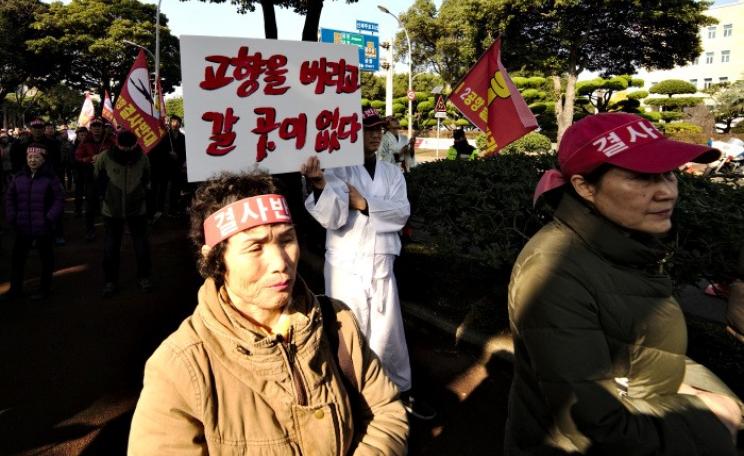
Communities on Jeju, South Korea's 'island of peace', are resisting a second airport that's threatening the island's farming, nature, culture and way of life, writes Rose Bridger. Linked mega-projects include an 'Air City' of shopping malls, hotels and offices, plus high-speed transport corridors, luxury resorts, casinos, theme parks and golf courses - all catering to wealthy outsiders.
The UK government is all for fracking, writes Dr Robin Russell-Jones, but on climate grounds alone it should be banned. Evidence from the US shows that shale gas is twice as dirty as coal from a climate viewpoint due to 'fugitive emissions' of methane. That makes fracking incompatible with the UK's climate change commitments and the Paris Agreement - as the CCC may soon rule.
The Vezo, Madagascar's indigenous 'sea nomads', are travelling hundreds of miles to the remote 'Barren Isles', the Indian Ocean's largest locally-managed marine protected area, writes Charlie Gardner. Drawn by valuable shark fins and sea cucumbers, sold into Chinese markets, the Vezo are now joining with local fishers to protect the ecosystem and expel illegal divers.
The renewable energy revolution is in full swing, writes Jeremy Leggett, with costs falling to new lows, deployment of wind and solar surging to unprecedented highs, and confidence ebbing away from fossil fuels. But global warming is also accelerating, with global temperature records broken every month for a year. Will the energy transition happen in time to avert catastrophe?
Thailand's 'tiger temple' was a front for the commercial exploitation of tiger bones, skins and other parts for the lucrative international trade, writes Simon Evans. It made no contribution to conservation and the animals were subject to extreme cruelty. But while the temple's closure is good news, there are hundreds of similar tiger farms across the region that are no better - or even worse.
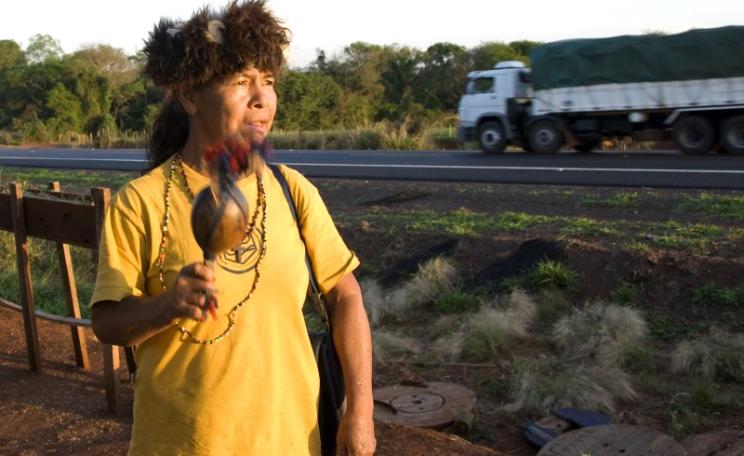
Land theft, agribusiness and violence pose an existential threat to Brazil's Guarani people, writes Lewis Evans. They maintain a powerful resolve to regain their historic lands, and even have the law on their side - but the tribe will need international support to prevail against murderous ranchers and farmers, corrupt politicians and a paralysed legal system.
The influence of fossil fuel corporations was strongly questioned by developing countries in the post-Paris meeting of the climate change negotiations in Bonn last week. Climate Trackers Pavlos Georgiadis, Renee Karunungan and Anna Pérez Català highlight the key issues that were debated
The EU referendum debate is taking place between different wings of the corporate elite, dominated by assumptions in favour of big business, free trade and endless economic growth, write Helena Norberg-Hodge, Rupert Read & Thomas Wallgren. But to vote for a sustainable future we must adopt a very different, local perspective - one you'll never find in UK's 'mainstream' media.
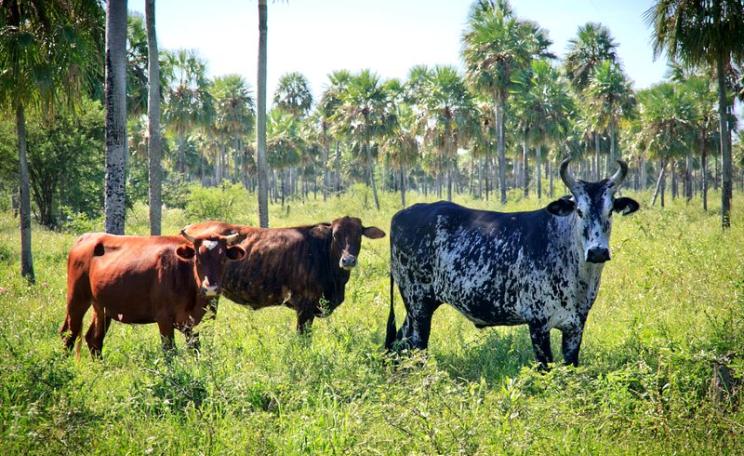
The closing down of a community radio station in eastern Paraguay is the latest example of political repression in the country with the most unequal land distribution in Latin America, writes Toby Hill, and in which the media are dominated by a tiny elite of the super-rich. As small farmers begin to reclaim the land that is rightfully theirs, landowners and the state they control are striking back.
From sheep food to chili peppers - the new seed stores being deposited this week at the Arctic Vault take the world a step closer to future food security say the participating organisations
Those opposed to the mass release of GM crops and foods inadequately tested for health and ecological safety are routinely accused of being anti-science, writes Elizabeth Henderson. But it's the GM corporations and their academic allies that are suppressing scientific research, and organic farmers that are building alliances with independent scientists for a future of safe, healthy food.
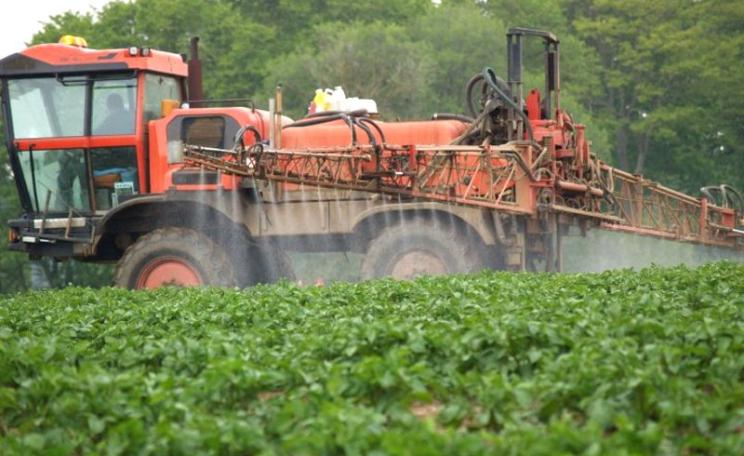
Apparent 'victories' in the fight against toxic chemicals - like the EU's failure to re-approve glyphosate yesterday - are illusory, writes Jonathan Latham. The real problem is not one of specific 'bad actors', but the entire system that allows new, likely to be toxic compounds to pollute the environment in near-total ignorance of their impacts. It's time to take our campaigning to a whole new level.
News headlines today suggest that a UN report on glyphosate residues has given the controversial herbicide a clean bill of health, writes Georgina Downs. But that's seriously misleading: the panel concludes that exposure to the chemical in food is unlikely to cause cancer. But that does not apply to those exposed to it occupationally or who live near sprayed fields.