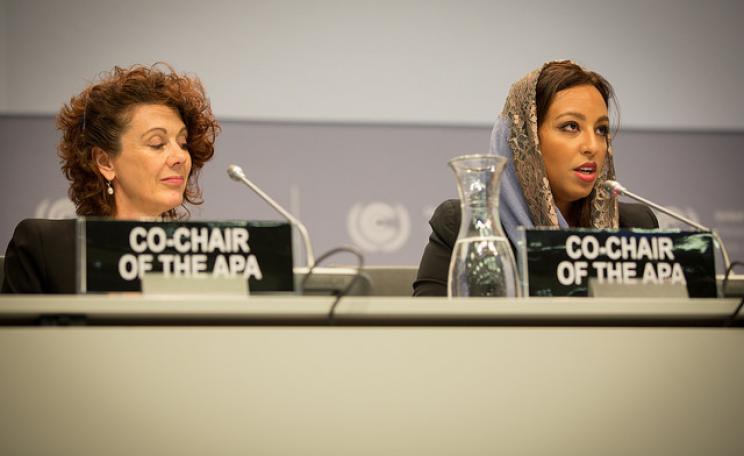
The UN intersessional negotiations on climate change (UNFCCC) which started in Bonn last week enter their second week with the big question - how to find and allocate by 2020 the $100bn as agreed in the Paris Agreement. Climate tracker Pavlos Georgiadis reports.
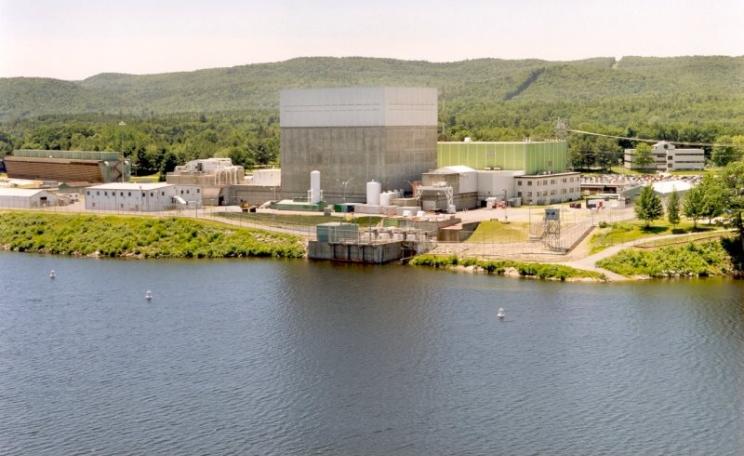
With five reactors closed in the last three years, the US nuclear industry is in shutdown mode, writes Linda Pentz Gunter - and that means big spending on decommissioning. But now the nuclear regulator is set to exempt owners from safety and emergency costs at their closed plants - allowing them to walk away from the costs and liabilities, and palm them onto taxpayers.
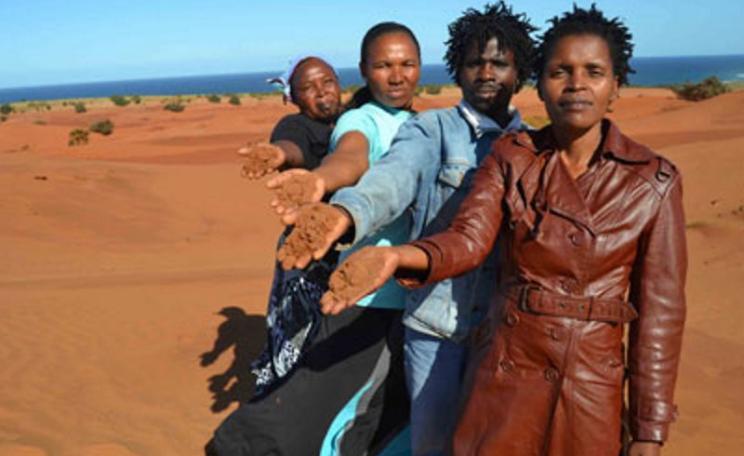
The pristine landscape of South Africa's Wild Coast is under threat from mining, writes Hal Rhoades, and the communities standing up to defend the land are facing deadly consequences: harassment, threats, physical assault and murder. Attacks on mine opponents have taken four lives so far and many others have been injured. But the opposition is growing and gaining international support.
Where does the Green Party go now? Last week's uninspiring election results show that Jeremy Corbyn's Labour poses a serious challenge to us Greens, who can no longer succeed by being merely left wing. We must fulfil our own destiny, representing a distinct, authentic ecological strand in politics, making the case for living as if we only had one planet - as is in fact the case.
The corporate war on traditional farming is nowhere fiercer than in India, writes Colin Todhunter. After decades of the 'Green Revolution' that have impoverished the nation's soils, water, biodiversity and cultivators alike, agribusiness is poised for its final strike. But now the small scale farmers who produce most of the country's food are rediscovering ancient agroecological alternatives.
Britain's nuclear bomb test veterans suffered severe genetic damage from radiation, writes Chris Busby, and their case for compensation is being heard in the High Court today. Key to their case is evidence of similar damage inflicted on in utero babies exposed to radiation from the Chernobyl disaster, and how the dreadful health impacts of radiation cascade down to future generations.
The leaked chapters of the EU-US TTIP 'free trade' deal reveal a shredding of health, environmental and other protections for consumers and citizens, writes Pete Dolack. It's a wet dream for corporate monopolists and profiteers, and the elite bureaucrats that serve them. But for civil society it represents an irreversible destruction of democracy itself.
The British establishment does nothing quite so well as lies, cover-ups and high-level corruption, writes Georgina Downs - whether it's the Hillsborough disaster or permitting polluters to poison us. Georgina won her own High Court legal victory protecting rural residents from pesticide exposure as long ago as 2008 - only to have it snatched away as Court of Appeal judges closed ranks.
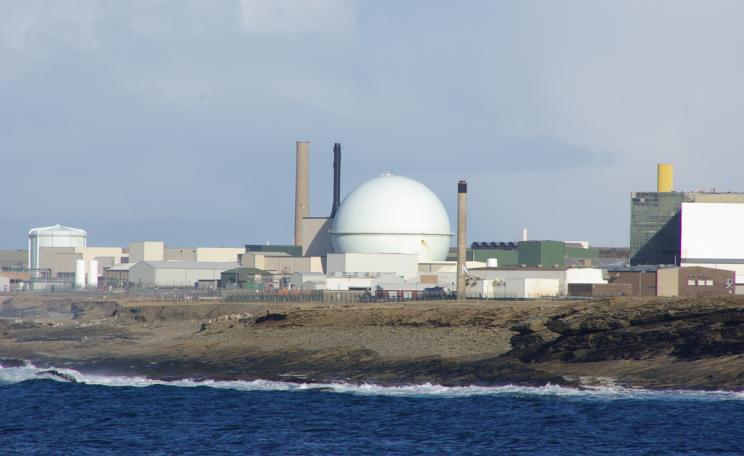
Planned air transports of high-enriched uranium from Dounreay in Scotland to the US state of Tennessee would risk of accident or a terrorist seizure of weapon-usable nuclear material, writes Ernie Galsworthy. The motive for the transport appears to be purely commercial - and would thus put the public at needless risk for the sake of a cut-price nuclear waste / fuel deal between US and UK authorities.
A small fishing community in Mexico's Baja California is playing involuntary host to a gigantic tourism and real estate development, writes Viviane Mahieux. And while the branding of the Tres Santos resort is all about mindfulness, ecology and sustainability, the reality is one of big money, high level politics, and the unaccountable deployment of state violence against those who dare oppose it.
Almost entirely unknown to the outside world, and even to most local residents, hundreds of square kilometres of South Africa's Karoo dryland have been bought up by uranium mining companies, writes Dr Stefan Cramer. With no strategic assessment of the industry's devastating impacts and massive water demand, official permission could soon be granted for vast open pit mines.
Since 1948 Jordan has taken in millions of refugees from Palestine, Iraq and most recently Syria, writes Doug Weir. Politically and economically the country has proved astonishingly resilient - but the population increase has caused huge damage to its fragile environment. Ecological degradation, pollution and resource scarcity may cause political instability unless more is done to tackle the problems.
Thirty years after Chernobyl former Soviet leader Mikhail Gorbachev remains haunted by the world's greatest ever industrial catastrophe, writes Linda Pentz Gunter. Now 85 and a committed environmentalist, he's still campaigning to bring the failed nuclear experiment to an end before further disasters follow, and encouraging a clean, efficient and renewable global energy economy.
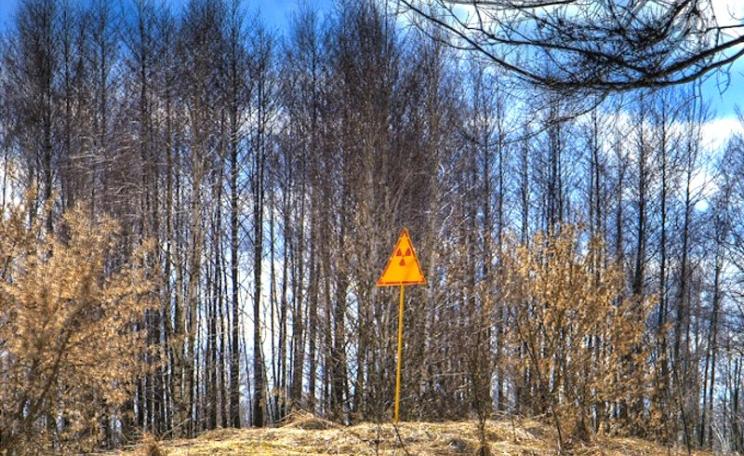
Evolutionary biologist Timothy Mousseau and his colleagues have published 90 studies that prove beyond all doubt the deleterious genetic and developmental effects on wildlife of exposure to radiation from both the Chernobyl and Fukushima nuclear disasters, writes Linda Pentz Gunter. But all that peer-reviewed science has done little to dampen the 'official' perception of Chernobyl's silent forests as a thriving nature reserve.
With its 800 bases in 80 countries, the US's global military domination is often seen as an altruistic exercise to ensure world peace and harmony, writes Pete Dolack. It is, of course, the opposite: the essential underpinning of the US's predatory economic power, always ready to strike down any challenge to the rights and privileges of its corporate conquerors and financial oligarchy.
Little Vermont is having a big impact on GMO food labeling across the US, writes Lawrence Woodward. And with 'regulatory cooperation' under TTIP that influence could reach into the EU. Trouble is, Vermont's labeling law contains major exemptions - on meat products, take-aways and restaurant food, as well as products from animals fed GM feeds. The US, and the EU, deserve better.
The Reuters news organisation has just sullied its reputation with a disgraceful attack on the WHO's specialist body on cancer, the IARC, writes Claire Robinson. Resorting to smear, innuendo and anonymous critics, it relies heavily on discredited industry sources including tobacco defenders in its attempt to undermine IARC's view that glyphosate probably causes cancer.
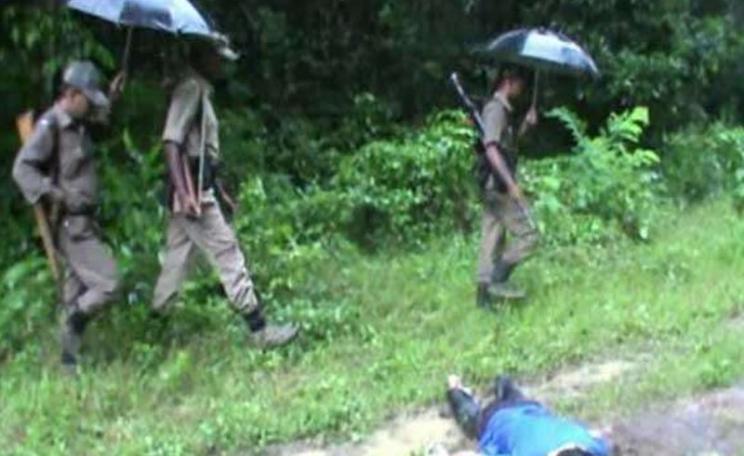
The endangered Bengal Tiger and One-horned Rhino desperately need protection, writes Lewis Evans. But in India's Kaziranga National Park, 'fortress conservation' includes a brutal 'shoot on sight' policy that is terrorising local communities, many of them tribal. Indigenous peoples are the natural allies of conservation and need to be engaged in constructive solutions - not shot!
Don't believe the spurious claims of nuclear shills constantly doing down renewables, writes Mark Diesendorf. Clean, safe renewable energy technologies have the potential to supply 100% of the world's electricity needs - but the first hurdle is to refute the deliberately misleading myths designed to promote the politically powerful but ultimately doomed nuclear industry.
It looked like such a good idea: take the pressure off wild fish stocks by growing GM oilseeds that produce health-enhancing long-chain omega-3 fatty acids, writes Claire Robinson. But as a new study has established, those fish oils, novel in terrestrial ecosystems, cause wing deformities in cabbage white butterflies. Yet a third open field trial of these GM crops could soon be under way.
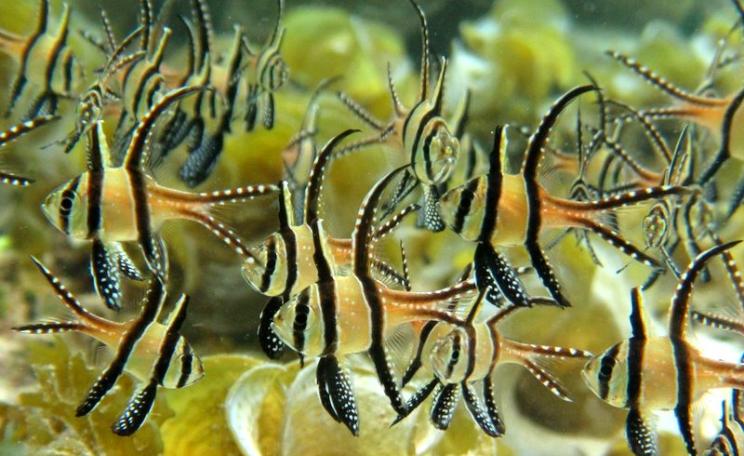
Gorgeous coral fish are to be seen everywhere, writes Monica Biondo, decorating aquariums in restaurants, doctors' offices and living rooms. The coral fish trade is booming! But it's destroying the reefs themselves, and driving many species to extinction. The Banggai Cardinalfish is among those unlikely to survive as this evil trade lays waste to them and their precious habitat.
The latest country to be hooked under 'free trade' agreements is Colombia, writes Pete Dolack, sued for tens of billions of dollars by US and Canadian gold mining companies for valuing its national parks and the high-altitude Andean wetlands that provide 70% of the nation's water above the profits of foreign corporations. Free trade or clean water? You can't have both.
Disregarding revelations of systemic political corruption in Brazil's hydropower sector, President Dilma Rousseff is ploughing ahead with a cascade of giant dams on the mighty Tapajos river. Among the companies touting to win huge construction contracts are France's EDF and Engie, and Germany's Voith and Siemens - in a consortium led by Brazil's Electrobras, which stands accused of high-level corruption over four other dam projects.
Large areas of the Great Barrier Reef are dying in what may be its greatest ever 'bleaching' event, writes James Dyke. The mass loss of the photosynthetic algae that sustain the coral is the result of this year's massive 'El Niño' perturbation to Pacific weather patterns, and global warming. Australia's response? The government has just approved leases for the world's biggest coal mine.