The clean-up after the February 2014 explosion at the world's only deep underground repository for nuclear waste in New Mexico, USA, is massively over budget, writes Jim Green - and full operations won't resume until at least 2021. The fundamental cause of the problems: high level radioactive waste, poor regulation, rigid deadlines and corporate profit make a dangerous mix.
With the Wall Street Journal warning that the GMO crop boom may be over in the face of superweeds, higher seed prices, falling yields and farmer antipathy, writes Pat Thomas, the Monsanto-Bayer merger is a sign of weakness as both companies struggle to deliver growth and profits to match shareholder expectations. We had better be ready to press home our advantage!
Bayer's $66 billion takeover of Monsanto represents another big click on the ratchet of corporate power over farming and food, writes Colin Todhunter. With the 'big six' of global agribusiness now set to turn into the 'even bigger three', farmers and consumers are facing more GMOs and pesticides, less choice, and deeper price gouging. Agroecology has never looked more attractive.
The French and the Chinese may be celebrating the UK's decision to press ahead with the Hinkley C 'nuclear white elephant', writes Oliver Tickell. But the deal is a disaster for the UK, committing us to overpriced power for decades to come, and to a dirty, dangerous, insecure dead end technology. Just one silver lining: major economic, legal and technical hurdles mean it still may never be built.
The 2016 'State of Nature' report, published today, offers many small victories to celebrate, writes SUSAN CLARK, but overall it's not good news: 15% of our native species are under threat of extinction, while 53% are in decline. With intensive farming the main cause of the damage, and climate change a serious long term problem, turning the tide of wildlife attrition will be a long and challenging task.
As the global assault on indigenous lands intensifies, the world's largest conservation group, the IUCN, has just voted at its World Conservation Congress for the sacred natural sites and territories of indigenous peoples to be recognised as 'No-Go Areas' for destructive industrial scale activities, writes Hal Rhoades - and for corporations to permanently withdraw from such areas.
Knitting Nannas Against Gas (KNAG), an anti-fracking group held their national gathering in the heart of Australia's Coal Seam Gas (CSG) industry where the ‘Nannas' workshopped ways of evading arrest, media strategies, avoiding defaming energy companies, lawful protest, successful campaigns, protest songs and nanna naps. MAXINE NEWLANDS joined them for the gathering
There's quite a fashion now for creating enormous ocean nature reserves, write Peter J S Jones & Elizabeth De Santo. The UK kicked off the trend last year at Pitcairn Island, and now the US has followed up with a 1.5m sq.km reserve around Hawaii. But while these look like big conservation gains, the more serious task is to manage sustainably the intensely exploited seas close to home.
Last month, an outright ban on greyhound racing was announced in the Australian state of New South Wales following an inquiry which uncovered overwhelming evidence of systematic animal cruelty. Will the UK do the same asks LAURA BRIGGS
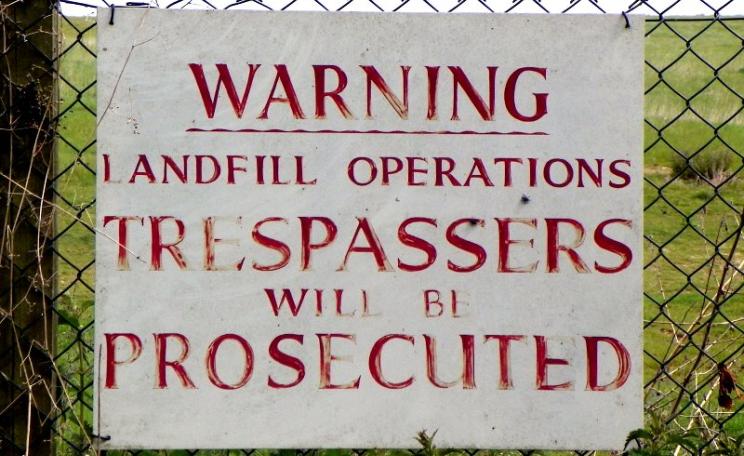
The shocking death of Zane Gbangbola, killed by toxic gas from a 'forgotten' landfill under his home, exposes the UK's dangerous legacy of contaminated land, writes Paul Mobbs. Without action, these polluted sites will damage health and even kill for centuries to come. But governments, local authorities, landowners and developers are united in a shameful policy of silence and denial.
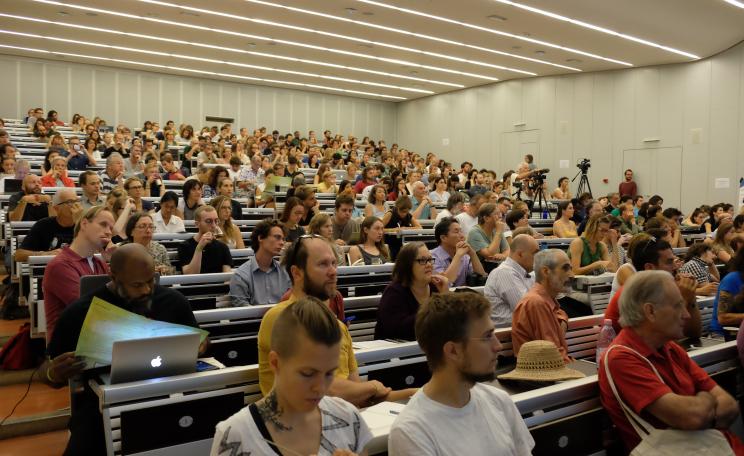
Reporting from The 5th International Degrowth Conference in Budapest - which continues today and tomorrow - NICK MEYNEN explores the new narrative of ‘sufficiency' being discussed and and asks will it catch on before it's too late?
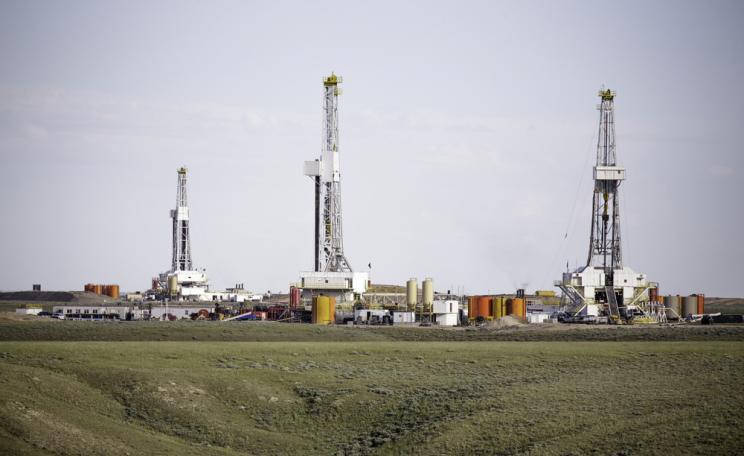
Disposing of wastewater from uncoventional gas and oil techniques - including fracking - is one of the big challenges facing the UK.
LAURA BRIGGS reports
Thousands of British farm animals are subjected to needless pain and distress - six times a day on average - as they are slaughtered according to the Bureau of Investigative Journalism.
Four of Britain's major unions are big supporters of nuclear power, writes Ian Fairlie - all because of the jobs. Now Labour's shadow energy minister has joined them in backing Hinkley C - even though renewable energy is a far better job-creator than nuclear, and already employs three times more people.
A gap in the market and the digital age has seen the British organic cut flower industry flourish over the last couple of years - with chemical-free, low air-mile blooms finally seeing their day in the sun. LAURA BRIGGS reports on the homegrown market that offers a bigger variety of flowers and without the environmental costs of imported ones
Hydrogen made from renewable electricity is already fuelling vehicles at affordable prices, writes DAVID THORPE. But now the 'green' fuel is set to go from niche to mainstream - powering not just cars, trucks and buses, but storing surplus renewable energy on sunny and windy days, then to be burnt in gas turbines or fuel cells to supply the grid with reliable power on demand.
With Brexit the UK will have to chose between two visions of our farming future, writes Keith Tyrell. Will it be heavily subsidised corporate agribusiness that ravages both nature and small, high quality farmers. Or will we seize the chance to build a sustainable food and farming system that supports wildlife, landscape, family farms, organic production and diverse rural economies?
The very first GE product, a dietary supplement, poisoned thousands of people of which dozens died, writes Steven M. Druker. The first GE food, the 'Flavr Savr' tomato, caused stomach lesions. But a long campaign of concealment and deception by regulators and corporate scientists re-engineered the truth to present GMOs as so safe they did not even need to be tested for safety.
With the 5th International Degrowth Conference taking place next week Spanish Ecologists Professor Joan Martinez Alier and Federico Demaria - both working at the Environmental Science and Technology Institute (ICTA) at the Autonomous University of Barcelona (UAB) - explain why we need a 'less is more' alternative economic model and how the burgeoning Global Environmental Justice movement is a key concept in achieving the only goal that will halt Climate Change.
For decades Israel has been driving Palestinian farmers off their land by imposing restrictions on agriculture, writes JONATHAN COOK. But one company, Canaan Fair Trade, has found an innovative way to resist peacefully, increasing resilience and prosperity in rural West Bank communities, and forging international alliances in the global movement for good food and farming.
As global temperatures reach new monthly highs and the Middle East is hit by record heatwaves, we might be forgiven for sliding into hopelessness, writes PAUL ROGERS. But a host of innovations in energy technology means that a carbon-free energy future is not just possible, but affordable. The first of the three paradigm shifts required to transform the climate change outlook is in place.
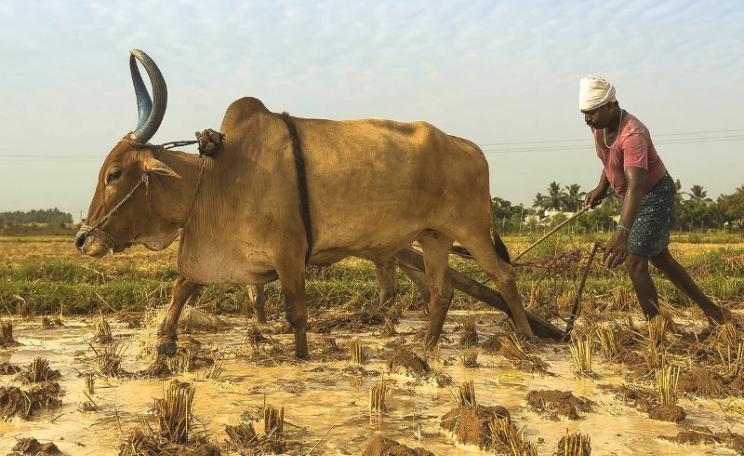
India celebrates its Independence Day today, writes Colin Todhunter. But the highly visible system of British colonial dominance has been replaced by a new imperial hegemony: the invisible, systemic rule of transnational capital, enforced by global institutions like the World Bank, while US-based global agribusiness corporations have stepped into the boots of the former East India Company.
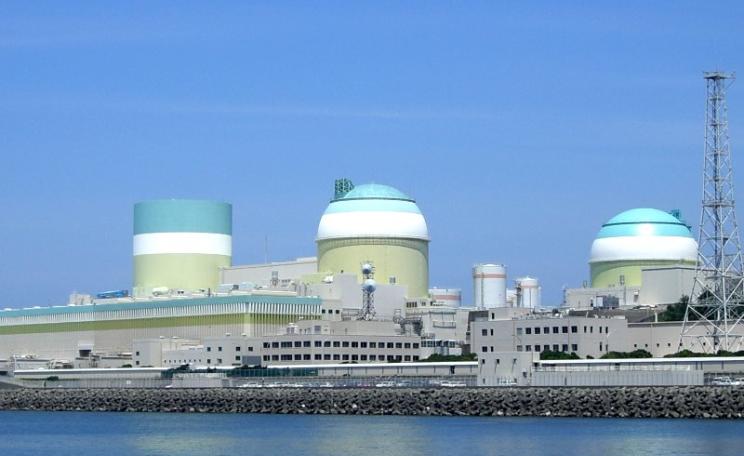
For all Japan's talk of 43 'operable' nuclear reactors, only two are actually running, writes Jim Green, as renewables and a 12% fall in demand eat into the power market. And while Japan's 'nuclear village' defends safety standards, the IAEA, tasked with promoting nuclear power worldwide, has expressed deep concerns over the country's weak and 'fragmented' safety regulation.
It is becoming ever more apparent that if the proposed new Rampal coal plant is a ‘dream project' for India, then as currently conceived it stands to become a nightmare for Bangladesh warns GREIG AITKEN