A growing body of scientific evidence show that cell phone users suffer a range of negative health impacts from infertility and brain tumors to hyperactivity and memory loss, writes Gary Null. Yet the Center for Disease Control has taken a weak and ambiguous stance on the issue, reflecting industry interests at the expense of citizens. We deserve - and must demand - better.
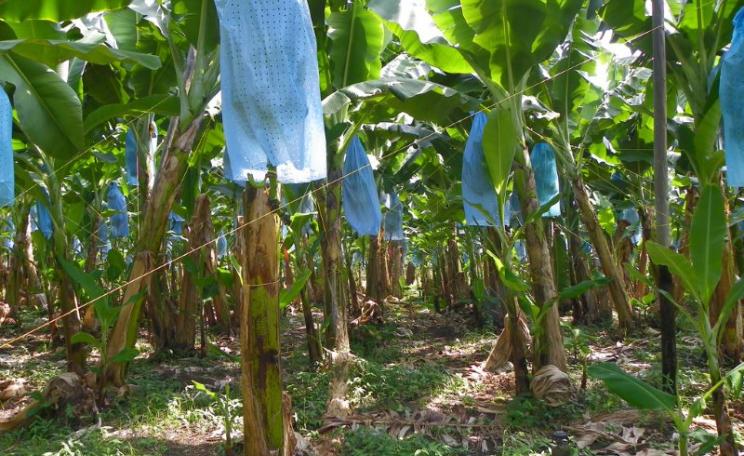
Bananas are at the sharp end of industrial agriculture's chemical war on pests and pathogens, writes Angelina Sanderson Bellamy. But even 60 pesticide sprays a year isn't enough to keep the diseases at bay. It's time to seek new solutions with little or no use of chemicals, working with nature, growing diverse crops on the same land - and breaking the dominance of the banana multinationals.
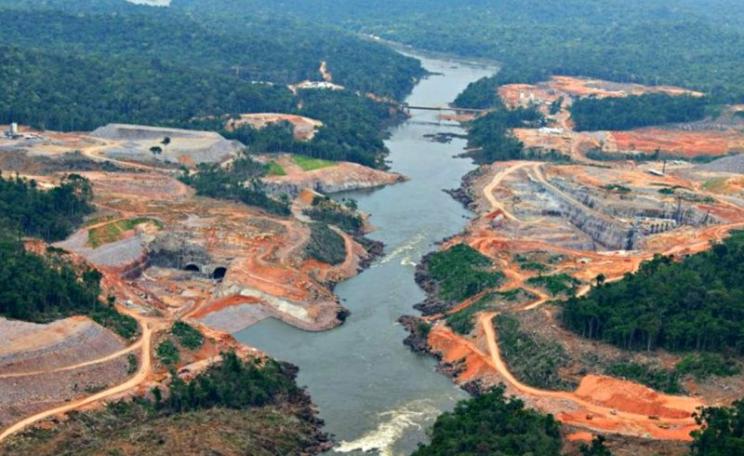
Roads, mines, dams, power lines, pipelines and other infrastructure projects are fast eating into the world's 'core forests', writes Bill Laurance. These rare and precious places where wildlife and ecological processes can flourish undisturbed must come before the evanescent gains of 'development'. To save what's left, governments and funders must learn the word 'No!'
Boosters of 'free trade' agreements - like the Trans Pacific Partnership that's being signed today - like to make big promises, writes Pete Dolack: trillions of dollars of economic gains, billions of dollars of investment, millions of new jobs. But there's only one certainty, and it's one they never mention: the permanent redistribution of power and income from working people to capital.
Erdogan's horrific 'war on terror' in the Kurdish cities of Eastern Turkey may have a silver lining, writes Defne Kadıoğlu Polat - at least for property developers and ruling party insiders. Plans are already under way for 'urban renewal' projects that will see the valuable real estate cleansed of buildings and people by the war developed into luxury apartments and shopping malls.
Biotech corporations have invested billions in a range of new 'GM 2.0' technologies designed to redesign the world's germplasm and create new generations of super-GMOs, writes Nina Holland. And powerful investors have no intention of letting tedious EU regulations get in the way of the profits they are now poised to reap - no matter what the laws actually say.
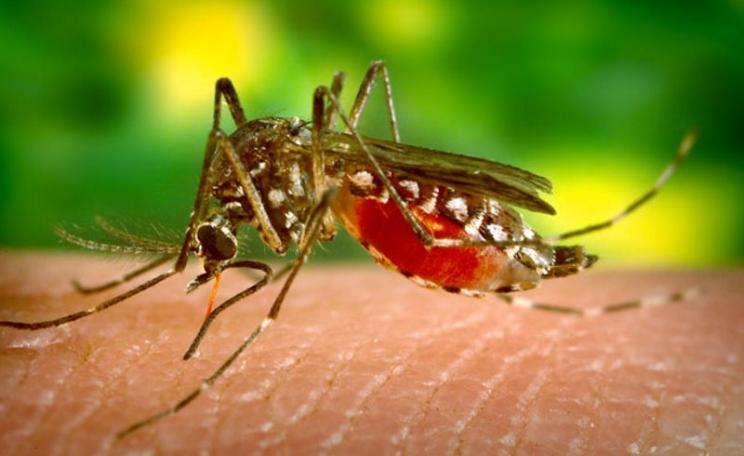
In Brazil's microcephaly epidemic, one vital question remains unanswered: how did the Zika virus suddenly learn how to disrupt the development of human embryos? The answer may lie in a sequence of 'jumping DNA' used to engineer the virus's mosquito vector - and released into the wild four years ago in the precise area of Brazil where the microcephaly crisis is most acute.
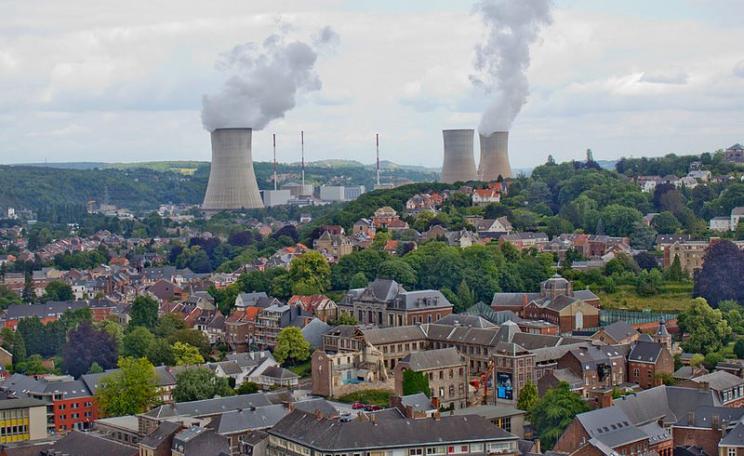
Despite the endless rhetoric about a 'nuclear renaissance', there are fewer power reactors today than there were a decade ago, writes Jim Green. The one country with a really big nuclear build program is China, but no one expects it to meet its targets. And with over 200 reactor shut-downs due by 2040, the industry will have to run very hard indeed just to stay put.
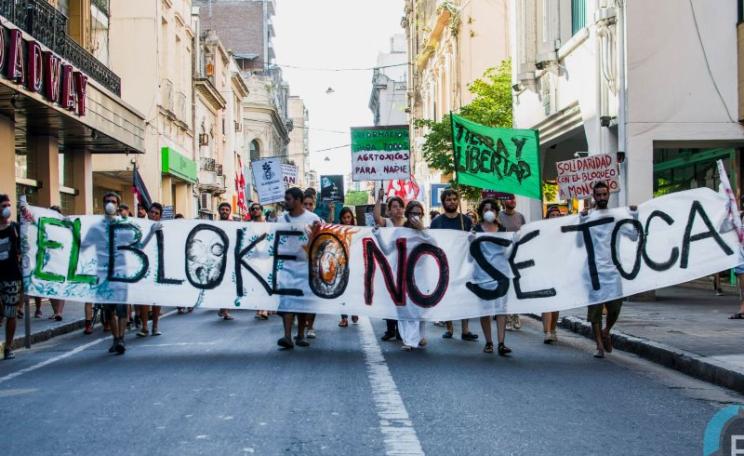
Protesters have now blocked a Monsanto seed factory in Córdoba, Argentina for over two years, writes Ciara Low. Another eviction attempt is now imminent, and campaigners are calling for a big mobilization this Sunday to fortify the blockade and send out a strong message to Monsanto and its acolytes: 'No Pasaran!' - 'They shall not pass!'
The UK's coal burn is not just having a huge impact on climate, writes Anne Harris. It's also devastating communities in the UK, Russia, Colombia and other nations that supply our coal power stations. Those impacted are doing their best to resist the mining companies that are destroying their land, stealing their homes and polluting their air and water. But they need our help!
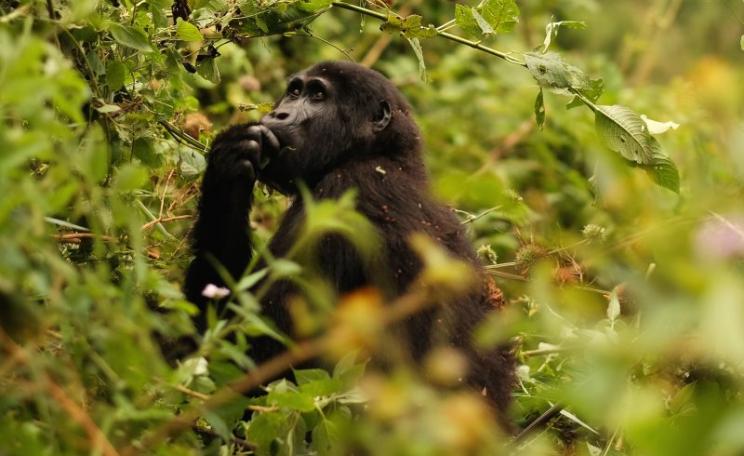
Mountain gorillas in the Bwindi Impenetrable Forest are at risk from tea plantations that would obliterate the adjacent Kafuga Forest, a vital buffer zone for local people, writes Richard Sadler. Deprived of foods, herbs, medicines and clean water from the forest, human pressure on the gorillas would inevitably increase, and expose them to potentially lethal diseases.
The EDF board is meeting tomorrow to reach its 'final investment decision' on Hinkley C. It was meant to be a rubber stamp but now it's anything but, as EDF's share price sinks to a new low, unions and employee directors harden their opposition to the project, and projects in France, Finland and China run way over time and cost with severe technical problems and safety concerns.
Since Poland's new government was elected last October it has moved to protect the country's 1.3 million small farmers, writes Julian Rose. First it freed those arrested for protesting corporate land grabs, now it is seeking to lighten oppressive hygiene regulations, and next it may support a new Food Act that would ban GMOs, and legislate for national food security and food sovereignty.
Inequality is on the agenda at the World Economic Forum in Davos this year, write David Sogge & Nick Buxton. A good thing, right? But look at the proposed 'solutions': ramp up the neoliberal 'development' model; lighten business regulation; pursue globalisation with greater vigor ... Yes, you got it. They would all accelerate the transfer the world's wealth upwards to corporate elites.
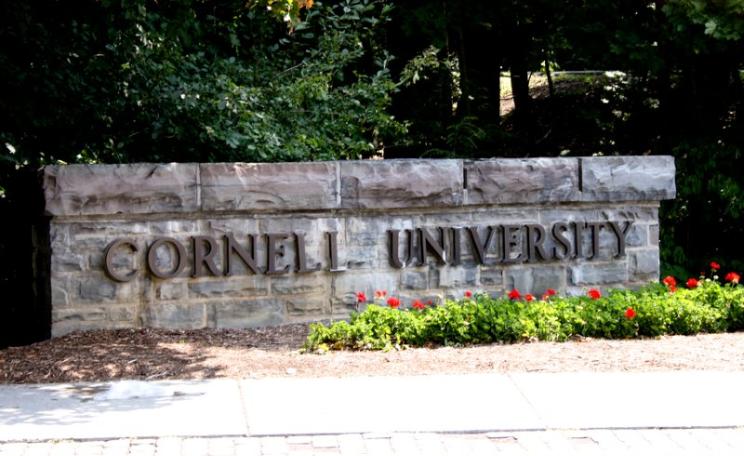
Cornell, one of the world's leading academic institutions, has abandoned scientific objectivity, writes Stacy Malkan - and instead made itself a global hub for the promotion of GM crops and food. Working with selected journalists and industry-supported academics, Cornell's so-called 'Alliance for Science' is an aggressive propaganda tool for corporate biotech and agribusiness.
The Gates Foundation - widely assumed to be 'doing good', is imposing a neoliberal model of development and corporate domination that's opening up Africa's agriculture to land and seed-grabbing global agribusiness, writes Colin Todhunter. In the process it is foreclosing on the real solutions - enhancing food security, food sovereignty and the move to agroecological farming.
According to classical economics Adam Smith's 'invisible' hand' of free markets produces the greatest good for us all, writes JP Sottile. But what happens when rip-roaring 'external costs' are left out of the equations? Wars, repression, pollution, resource destruction and climate change. And because that invisible hand is connected to Mother Nature, it's coming back to strike us.
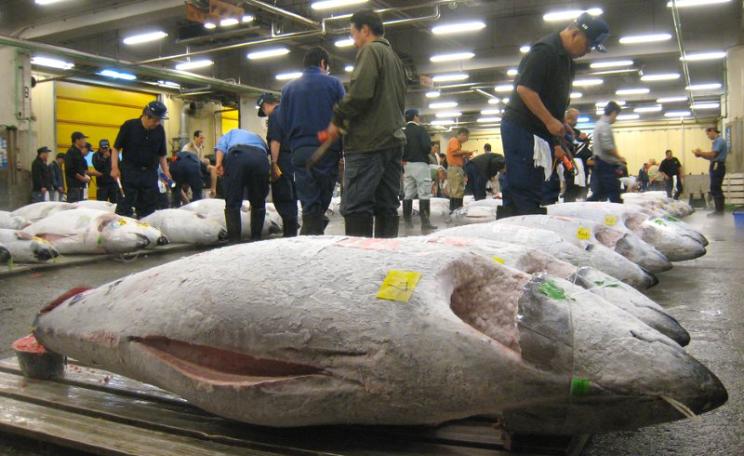
The global catch of fish and seafood is falling at three times the rate reported by the United Nations and urgently needs to be slowed to avoid a crash, reports Christopher Pala. The finding comes in a new study for Nature which quantifies the huge illegal industrial fish pillaging taking place around the world, together with artisanal catches, which in 2010 added over 50% to UN estimates.
Easy to miss in the New Year Honours list: a little-known civil servant for 'services to pesticides regulation'. But none the less shocking for that, writes Georgina Downs. Paul Hamey MBE is the very man who has been responsible for ensuring that rural residents receive no proper protection from repeated exposure to toxic mixtures of pesticides on nearby farms. Go figure.
Dam builders have a new mantra, writes Tom Fawthrop: 'sustainable hydropower'. Repeated at every opportunity, it is based on the unproven idea that large dams can be made 'sustainable' by promising future 'mitigation'. And so it is at the Don Sahong dam in Laos which is about to devastate the mighty Mekong and the 60 million people who depend on it for food and livelihood.
The UK's nuclear power programme is driven by military demands, write Andy Stirling & Phil Johnstone - but not in the way you might think. The most essential need is not for plutonium or tritium, but for a nuclear industrial sector to design, build and maintain the reactors that power nuclear submarines. Without them, the Trident missile system would have no military credibility.
The TTIP 'trade agreement between the US and the EU would devastate EU farms as it opens them up to competition from larger, less regulated US operations, writes Dario Sarmadi. This is the conclusion of a new study to be published tomorrow, which also finds that small-scale farmers would be the first to go - with the big winners the large agri-food corporations.
The EU is considering the exclusion of gene-edited plants and animals from GM regulations, write Janet Cotter & Ricarda Steinbrecher. However gene-edited organisms clearly fall within the definition of GMOs in both European and international law. They also present real risks to the environment and human health - and must be regulated like any other GMOs.
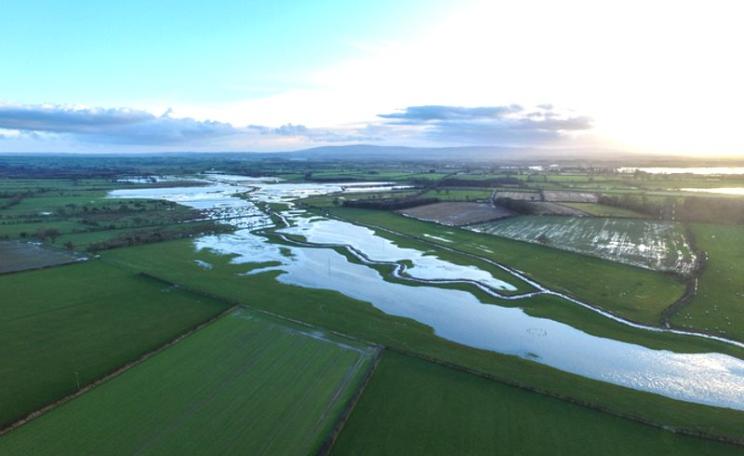
Changes to natural drainage processes in headwaters, rivers, floodplains and river channels has increased the UK's vulnerability to heavy rainfall, write Neil Entwistle & George Heritage. And to put things right, we must first gather the detailed evidence of what took place in recent floods. The Environment Agency must publish all its data, maps and images - now!