The small country of Denmark is making a big commitment to renewables, aiming to be fossil-fuel free by 2050, writes Laurie Guevara-Stone. A large expansion of mainly offshore wind power features large, along with moves to a 'smart grid', high vehicle taxes and energy conservation initiatives. Denmark is well on its way to becoming the energy leader of the EU.
The way food is produced has a profound impact on its nutritional profile, according to research published in the British Journal of Nutrition. Not only is organic farming better for animal welfare, the environment and wildlife, writes Peter Melchett, but organic meat, dairy, fruit and vegetables all have tangible health benefits for the people who eat them.
Africa's car battery recycling industry is anything but green, write Desirée García & Javier Marín on African Environment Day. Toxic emissions from the re-smelting of lead from old batteries is poisoning workers and nearby communities. And among the buyers of the lead are EU car companies, apparently indifferent to the death, disease and contamination they are financing.
Monarch butterfly numbers are dwindling despite protection of their wintering forests in Mexico, and voluntary schemes to restore their food plant, milkweed, in US field margins, writes Eva Sirinathsinghji. These measures alone are insufficient: no less than an end to the mass spraying of glyphosate on crops, predicated by 'Roundup-ready' GM corn and soy, will do.
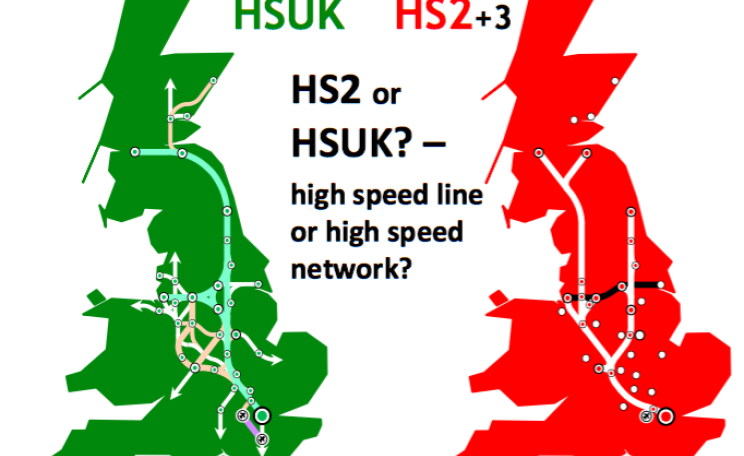
High Speed UK is the greener, well-connected alternative to HS2, write Colin Elliff, Andrew Coulson & Stephen Stretton - and it would save taxpayers billions. Financed by taxing property owners in connected cities on their windfall gains, HSUK would create a low fare, high capacity, interconnected railway network which would generate huge long-term profits for the nation.
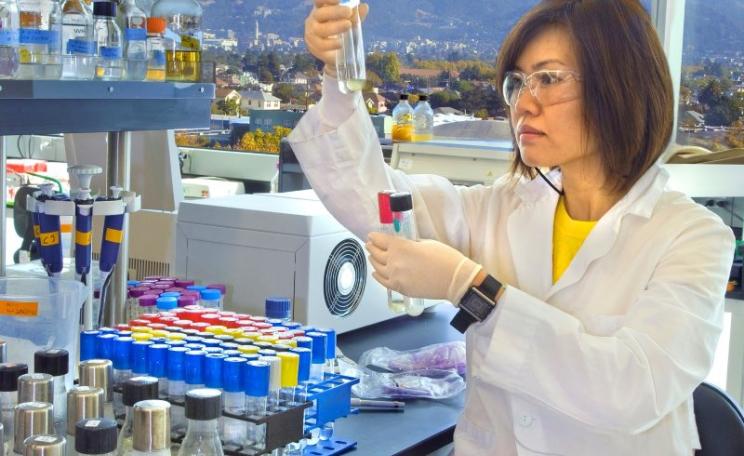
A synthetic biology plant producing the anti-malarial drug artemisinin has just shut down as it's much cheaper to use wormwood grown by African farmers, writes Almuth Ernsting. The technology is even further from making affordable diesel, with a production cost of $20-50 per litre. No wonder investors are losing patience - and confidence - in loss-making synbio companies.
The World Trade Organisation (WTO) has found India's huge solar initiative 'guilty' of breaking trade rules, write Dipti Bhatnagar & Sam Cossar-Gilbert, because it gives domestic manufacturers a small 10% quota for the supply of panels, leaving up to 90% for foreign competitors. It's a warning for perils of the entire WTO system, and of even harsher trade rules like those in TPP, TTIP and CETA.
Those who dare suggest that pesticides might be implicated in Brazil's microcephaly outbreak are being furiously attacked as irrational, nonsense-spouting 'conspiracy theorists', writes Claire Robinson. But the attackers have an uncanny ability to get their own facts in a twist. And among them are writers linked to industries with huge economic interests in the matter.
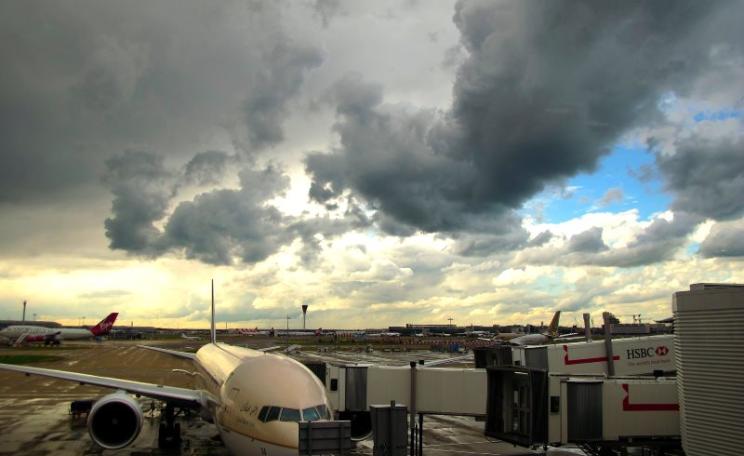
Plane Stupid's Heathrow 13 escaped immediate incarceration yesterday for occupying Heathrow's northern runway last summer. But the threat of imprisonment remains firmly in place, writes Ali Tamlit, from a state determined to defend the corporations that are inflicting the systemic violence of climate change on us all. The peaceful fight for a better world must go on.
Europe's economic crisis has offered vast business opportunities to an all-powerful nexus of financial interests that have snapped up valuable state assets at bargain basement prices, defrauding the poorest countries of countless billions of euros, write Sol Trumbo & Nick Buxton. The EU's highest institutions are in the grip of a deep, systemic corruption that knows no boundaries.
Those who value public lands - for economic, environmental, recreational and aesthetic values - owe a debt of gratitude to Harney County, Oregon, writes Peter Walker. A violent branch of the Sagebrush Rebellion came to town, and the community told it to go away: the decisive factor in the occupiers' defeat. But the greater war for America's public lands has only just begun.
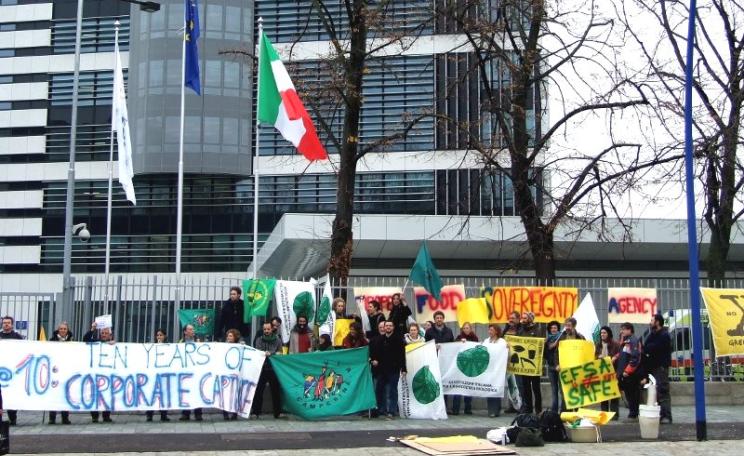
The chemical industry and the European Food Safety Authority are refusing to disclose key scientific evidence about glyphosate's risks, citing 'trade secrets' protection, writes Corporate Europe Observatory. They must be compelled to publish the 'mysterious three' scientific studies EFSA used to assess glyphosate as 'unlikely' to cause cancer to humans - contradicting the IARC's view.
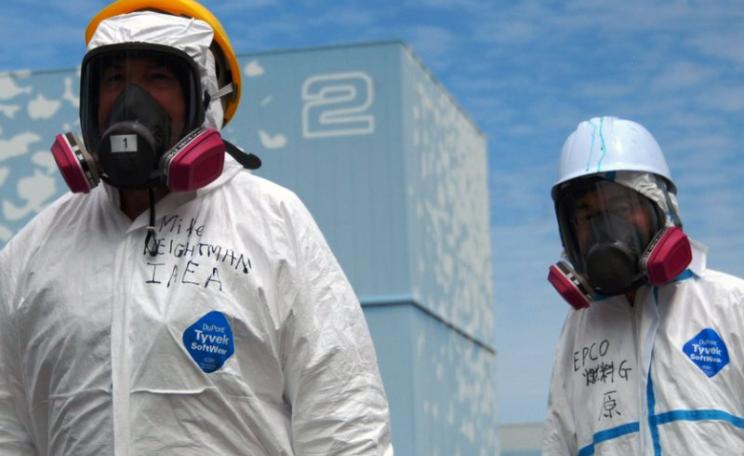
The Japanese were kept in the dark from the start of the Fukushima disaster about high radiation levels and their dangers to health, writes Linda Pentz Gunter. In order to proclaim the Fukushima area 'safe', the Government increased exposure limits to twenty times the international norm. Soon, many Fukushima refugees will be forced to return home to endure damaging levels of radiation.
India's farmers are the targets of structural violence aimed at uprooting indigenous agriculture and replacing it with an intensive corporate model based on GMOs and agrochemicals, writes Colin Todhunter. But as Monsanto's GM cotton succumbs to insect infestations despite repeated pesticide applications, agroecological farming is an increasingly attractive option for cultivators.
Gaza farmers have lost 187 hectares of crops to aerial spraying of herbicides by Israel hundreds of meters within the territory's borders. The action, carried out in the name of 'security', further undermines Gaza's ability to feed itself and may permanently deprive farmers of their livelihoods. It may also represent a war crime under the 1977 Protocol to the Geneva Conventions.
The increasingly militant protests by dairy farmers against low prices forced on them by the corporate 'free market' represent serious and effective resistance against the 'free trade' agenda being forced on the world by neoliberal governments, writes David Miller. They are the first steps to building a new global food system that respects food, people, culture and environment.
Despite Cameron's promise to lead the 'greenest Government ever', the environment has taken a heavy bashing since the 2015 election, writes David Clubb - whether on oil, fracking, renewable energy or planning policy. But Wales is doing its best to follow a sustainable path, and demonstrating badly needed environmental leadership that the whole UK would do well to follow.
The world is in the grip of a structural war against people, land, economies and ecosystems, writes Colin Todhunter. It is being waged by a quartet of organised criminal interests bent on monopolizing energy, money, food and violence across the globe. But a deep-rooted resistance against their 'neoliberal' doctrine of death and destruction is fighting back.
According to oil company executives, oil is going to be a major energy source to 2100 and beyond. So after hearing an oil man make his case, Chris Goodall went home and crunched some numbers. Money invested in solar power already produces more energy than if it's put into oil exploration and production, and the gap is only going to widen from here. Is this the new 'peak oil'?
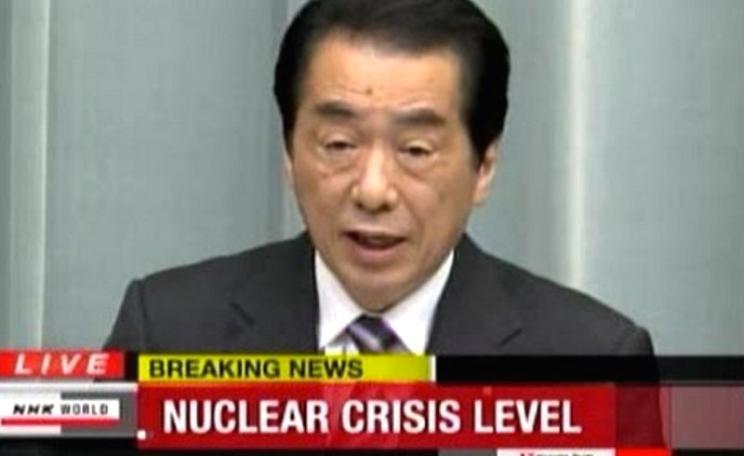
Nuclear power is a uniquely hazardous technology that can destroy entire nations, Japan's prime minister at the time of the Fukushima nuclear disaster has warned British MPs. The lessons of from such catastrophes must be heeded in other countries that believe that nuclear fission can be harnessed safely, writes Linda Pentz Gunter - or they, and the world, will reap the whirlwind.
Global oilseed, agribusiness and biotech corporations are engaged in a long term attack on India's local cooking oil producers, writes Colin Todhunter. In just 20 years they have reduced India from self-sufficiency in cooking oil to importing half its needs. Now the government's unlawful attempts to impose GM mustard seed threaten to wipe out a crop at the root of Indian food and farming traditions.
With the proposed connection between the Zika virus and Brazil's outbreak of microcephaly in new born babies looking increasingly tenuous, Latin American doctors are proposing another possible cause: Pyriproxyfen, a pesticide used in Brazil since 2014 to arrest the development of mosquito larvae in drinking water tanks. Might the 'cure' in fact be the poison?
The humanitarian crisis in Gaza has worsened after floods and purposeful destruction has taken its toll in recent months, writes Vanessa Amaral-Rogers. The eight year blockade by Israel and conflict with Egypt has already hit Palestinian families hard but now Gaza is at even greater risk as Egypt diverts seawater into life-line tunnels.
As the movement to 'delist' Grizzly bears from protection under the Endangered Species Act gathers pace in US states and the Fish & Wildlife Service, two National Park superintendents have spoken out for the bears', writes Louisa Willcox. The hunters and the FWS may be furious, but the change of approach enjoys strong support from a public who have come to love their local bears.