The surprise removal of tax benefits for investors in community renewable energy schemes - effective from Monday - is unlawful and must be reversed, states a legal letter to the Treasury. But meanwhile, investments in the sector have hit record levels, with two days still to go.
A six-month investigation finds that the revolving door between government and the chemical industry has led the EPA to rely on easily manipulated toxicology research carried out entirely on computers - and this 'in silico' science often trumps both biology and epidemiology when it comes to regulatory action, or lack of it. The result? Toxic substances remain in everyday products.
The US Environmental Protection Agency has just withdrawn its authorization for a toxic mix of two herbicides, glyphosate and 2,4-D, to be used on GM crops. The move came in response to a lawsuit claiming the initial registration was unlawful.
The 'Autumn Statement' delivered with such aplomb by the Chancellor is yet another attack on the UK's sustainable future, write David Lowry & Oliver Tickell - cutting energy efficiency funds just as tens of thousands are set to die of cold this winter, betting £250m on pointless nuclear research, and raiding the renewables budget to fund subsidies to nuclear power and fossil fuels.
A new report warns that coal, oil and gas assets will be stranded if the world is to limit temperature rise to 2C. Losses are projected to reach $2.2 trillion over the next decade, with coal taking the biggest hit, while oil demand peaks in 2020. Yet fossil energy companies are ignoring the very innovations that will put them out of business.
Amid the human suffering caused by terror attacks, it's easy to forget the economic dimensions, writes Paul Mobbs. But after the 13th November attacks in Paris defence industry shares soared, while a host of connected think tanks, lobbyists and politicians dominated the media in pushing for military responses. Is it time to expose and confront the terror industrial complex?
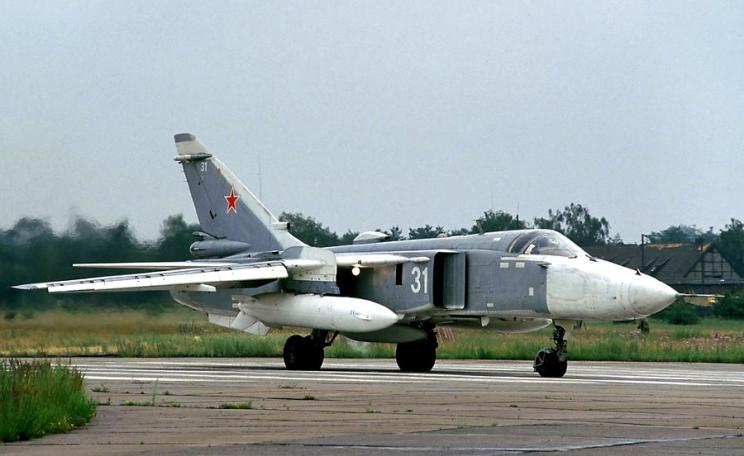
Turkey's shooting down of a Russian jet near its border with Syria has just revealed the real nature of the war, writes Oliver Tickell, and sharply illustrates the dangers of getting involved in a conflict that is driven more by a battle of two gas pipelines than a clash of ideologies. The message for the UK - keep well out! Or if we are serious about crushing IS, best join in with Assad and Putin.
New research warns that rising temperatures will reduce the mountain snow in 97 major river basins worldwide, writes Tim Radford - cutting summer water supply to 2 billion people in lowland areas who depend on the meltwaters.
Sooner than it takes to build a nuclear power station, lithium-air batteries could be helping wind and solar to make coal, oil and nuclear obsolete, say Cambridge scientists. Five times lighter and five times cheaper than current lithium batteries, Li-air would open the way to our 100% renewable future.
As falling milk prices push dairy farm out of business, new mega-dairies and feedlot operations of 700 or more cows are filling the void, writes Andrew Wasley. Never mind the pollution, slurry lagoons, and heavy plant on country lanes - do we want the cows that produce our milk confined to sheds? And what's the future for traditional dairy farmers with small, well cared for herds?
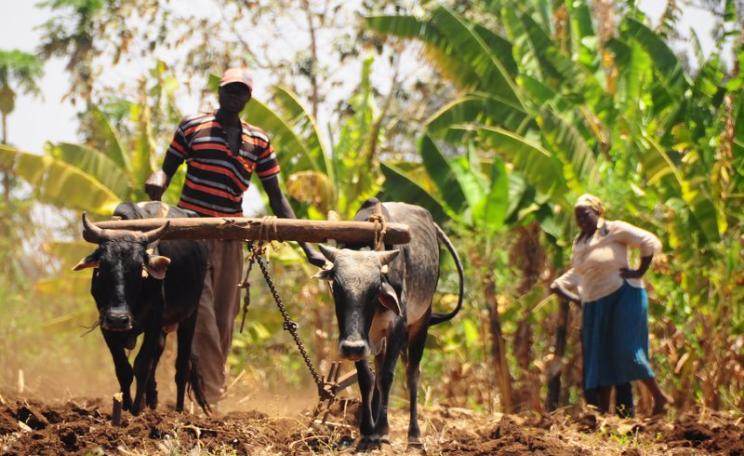
While the Gates Foundation and conservative politicians are bigging up GMOs and agribusiness, writes Colin Todhunter, a quiet revolution has been working its way across Africa. Agroecological farming, constantly adapting to local needs, customs, soils and climates, has been improving nutrition, reducing poverty, combatting climate change, and enriching farmland.
Luxembourg will join Austria's legal challenge to the UK's support package for the Hinkley C nuclear power station. Meanwhile EDF has laid off 65 engineers working on the project in Paris, and the EU Commission has initiated proceedings against Hungary over its Paks II nuclear project with Rosatom.
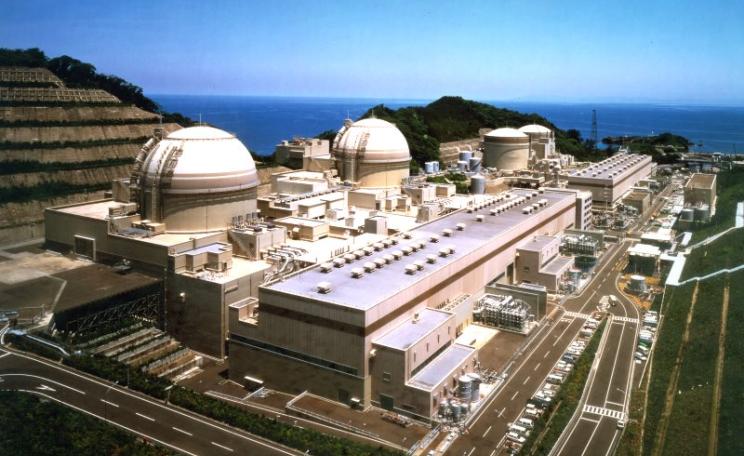
NASA scientist James Hansen is heading to COP21 in Paris to berate climate campaigners for failing to support 'safe and environmentally-friendly nuclear power', writes Jim Green. But they would gladly support nuclear power if only it really was safe and environment friendly. In fact, it's a very dangerous and hugely expensive distraction from the real climate solutions.
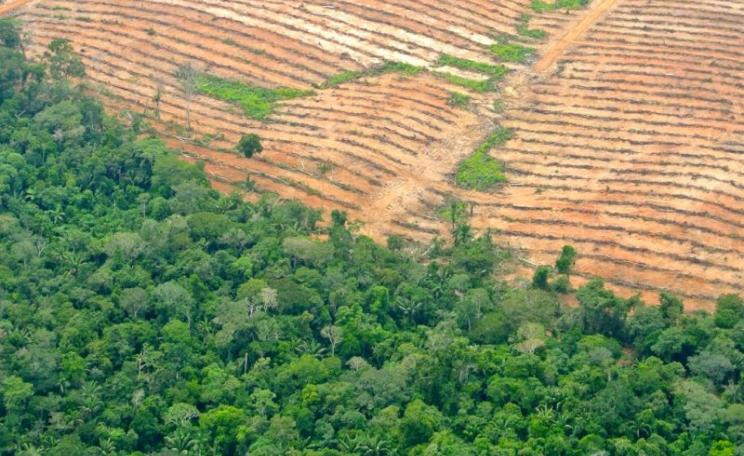
Death threats to an indigenous forest defender in Peru have followed his success in closing down an illegal palm oil operation on his tribe's lands carried out by a member company of the Roundtable on Sustainable Palm Oil, now meeting in Kuala Lumpur.
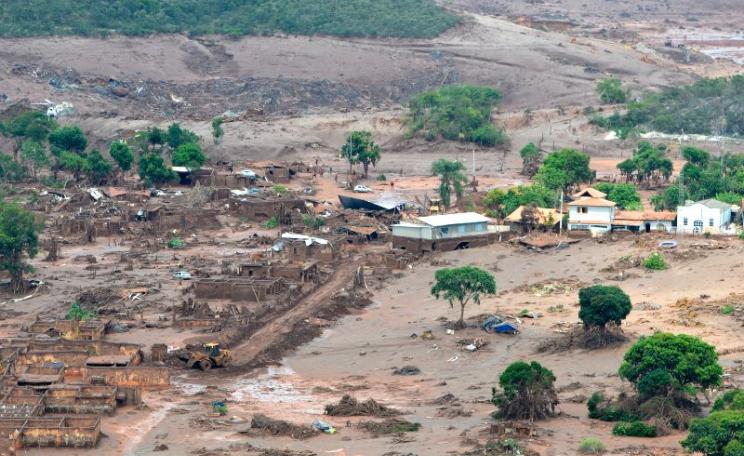
Brazil has suffered its biggest ever industrial disaster, write Ana Luisa Naghettini & Geraldo Lopes. Breached and overflowing dams have released a massive slug of toxic muds and tailings from iron mining into the country's fifth largest river system that provides drinking water for downstream cities, destroying ecosystems in rivers and vast areas of biologically fragile ocean.
The two major demonstrations planned by climate campaigners at COP21 in Paris have been banned by police for security reasons. But organisers insist that over 2,000 events are still going ahead - and call for solidarity marches and protests around the world.
Amber Rudd's speech today exposes her total failure to assemble a coherent energy strategy, writes Oliver Tickell. It reveals the increasingly certain failure to meet EU renewable energy targets, proposes a new tax on wind and solar generation, and leaves the country facing the real prospect of lights going out in the next decade. The one hard policy? To maximise oil and gas recovery.
The greatest danger of the Paris conference is that the global South will be bullied into to accepting a terrible deal rather than leave with none at all, writes Brian Tokar. That gives civil society an essential role - to support the resistance of developing country representatives inside the summit to an unjust and ineffective agreement imposed on them by the rich, powerful, high-emitting nations.
New reports show the huge potential of renewables in Southern Europe to rekindle prosperity, writes Helle Abelvik-Lawson, using clean, low cost energy from wind, solar and geothermal sources backed up with pumped storage hydro, displacing dirty lignite and oil fired generation.
In the run-up to the COP21 climate summit in Paris the G20's Antalya Communiqué is weaker on climate, fossil fuel subsidies and support for renewable energy than the G20's 2009 Pittsburgh Statement made shortly before the failed COP15 in Copenhagen six years ago.
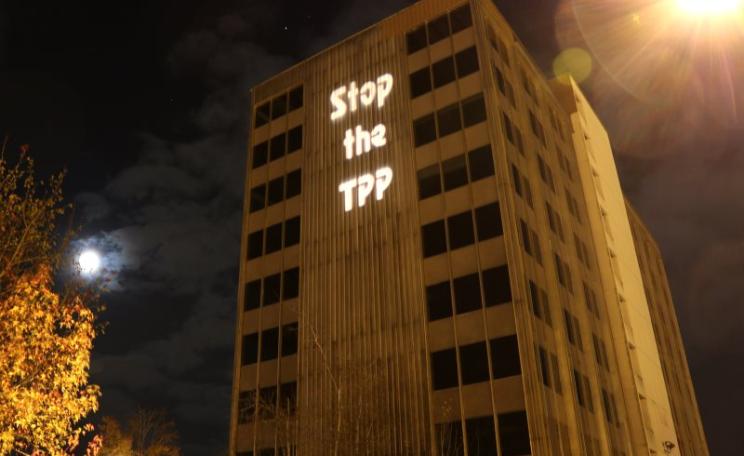
Thanks to New Zealand, the full text of the Trans Pacific Partnership has been made public. And as Pete Dolack writes, it's a disaster for health, environment, workers and democracy - one that will unfold over years and decades to come, as investors and corporations consolidate their power over elected governments and cement in the global rule of unaccountable capital.
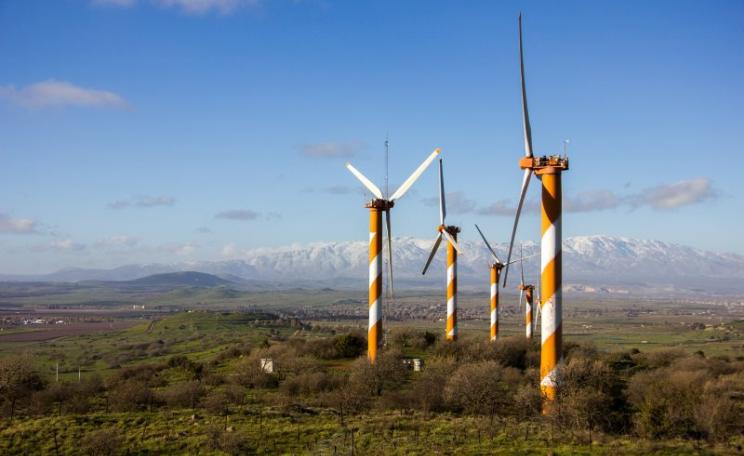
After a massive oil find in Syria's Golan Heights, occupied by Israel since 1967, Israel is asking President Obama to recognise its annexation of the territory, writes Jonathan Cook. To consolidate its hold, plans are afoot to quadruple Israeli settler numbers to 100,000.
Is it a coincidence that the terrorist outrage in Paris was committed weeks before COP21, the biggest climate conference since 2009? Perhaps, writes Oliver Tickell. But failure to reach a strong climate agreement now looks more probable. And that's an outcome that would suit ISIS - which makes $500m a year from oil sales - together with other oil producers.
Europe's top food safety regulator has ruled that the world's top selling herbicide, glyphosate, does not cause cancer - in defiance of the WHO and overwhelming scientific evidence. The decision opens the way for a 10-year EU re-approval next year, before its Chemicals Agency has released its own findings.