Hydrogen cars - and the fuel cells that drive them - are about to get a whole lot cheaper thanks to a redesign of the platinum catalyst that makes them work, writes Oliver Tickell. By inserting atom-sized holes into the precious metal's surface, its activity can be trebled.
On the face of it, the UK's policy to pursue nuclear power at all costs, while destroying the renewable energy sector, is totally illogical, write Philip Johnstone & Andy Stirling. But then it may make perfect sense - if only you accept that it's really all about maintaining the country's role as a nuclear weapons state for generations to come. And the 'deep state' has a way of getting its way.
The might of the Polish state is turning against the country's small farmers following a series of effective protests against the sale of land in the country's western Pomerania province to foreign investors.
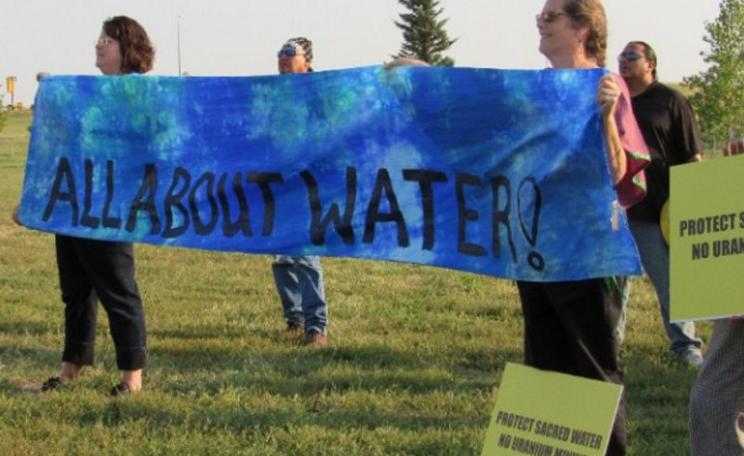
The impending renewal of the license for a uranium mine in Nebraska has ignited a years long resistance among those - most of them women - for whom good health and safe, clean water in the Ogallala aquifer is as important as life itself, writes Suree Towfighnia. But for others, jobs and money come first. Now the Nuclear Regulatory Commission must reach its decision.
The leaked chapter of the Trans Pacific Partnership chapter on intellectual property represents a wholesale attack on internet freedom, investigative journalism, and the wider creative commons, writes Jeremy Malcolm. While massively advancing corporate financial interests in binding clauses, the parts that purport to protect information users are soft guidelines that cannot be enforced.
The UK's official agency for car pollution testing has taken £80 million from the auto industry in ten years, a Greenpeace investigation reveals, while its senior staff and engineers have a 'revolving door' relationship with car makers.
Disastrous water pollution from gold mines in El Salvador has united government and people to oppose new metal mines, writes Lynn Holland. In Central America's most water scarce country, the imperative is to keep lakes, rivers and streams clean and wholesome. But there may be a heavy price to pay, with a Canadian mining company pressing a $300 million 'compensation' claim.
With all the EU's GMO exemptions filed, a clear majority - by number, population and area of farmland - have chosen to be GMO-free, writes Mary Dobbs. But the rules surrounding their opt-outs are complex in the extreme and many countries will find it hard to maintain their GMO-free status - specially if the Commission and the biotech corporations like Monsanto and Syngenta choose to exercise their powers.
A new study in the US's 'fracking capital' Pennsylvania has found that pregnant women who live near gas fracking wells are far more likely to give birth prematurely or develop problems during their pregnancies.
Thanks to massive forest clearance for palm oil plantations combined with drought conditions in this 'El Nino' year, writes Zachary Davies Boren, rainforest and peatland fires across Indonesia are set to emit more carbon than the UK, while covering millions of square kilometres with choking smoke.
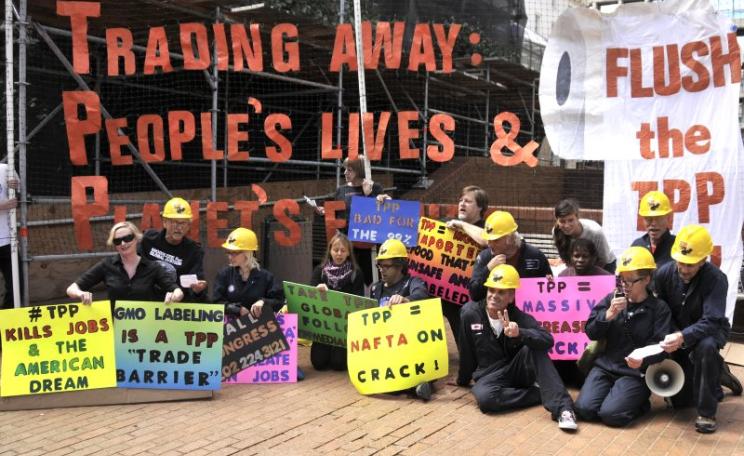
Just how bad is the TPP? Incredibly, we don't know its full horror because even now, the agreement is a state secret, writes Pete Dolack. But the text will have to be released soon so that Congress and other parliaments can vote on it. And only then we will know the full scale of the corporate sellout it represents. The choice facing legislators is clear: democracy, or corporate dictatorship?
Ecotricity boss Dale Vince has accused the government of rigging the electricity market, writes Alex Kirby, by showering fossil fuels and nuclear power with huge subsidies, while taxing renewables and insisting they must 'stand on their own two feet'.
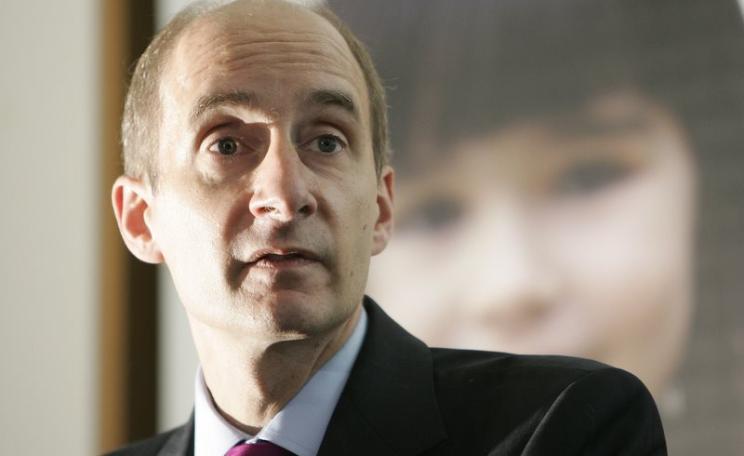
This week George Osborne took the entire energy policy brief out of the department for energy and climate change, and handed it to the new National Infrastructure Commission. It could mean a swift end to the Hinkley C nuclear plant and a new wave of renewables - but don't count on it. NIC chairman Lord Adonis is no green dreamer. But at least he takes energy seriously.
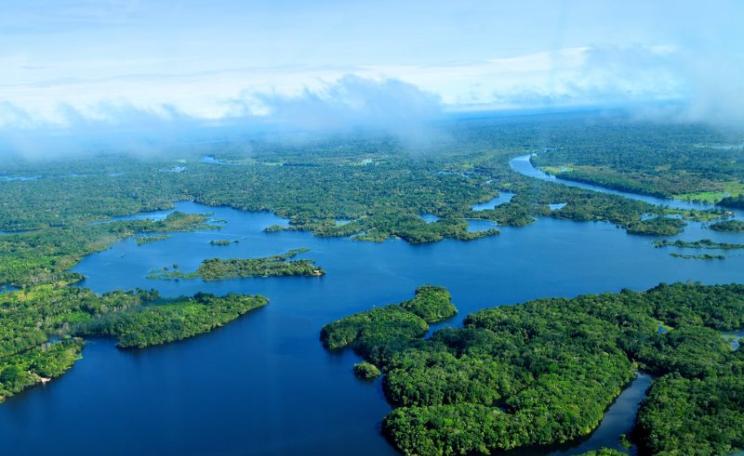
Brazil is about to auction hundreds of fracking blocks across the country - extending deep into the Amazon forest including the territories of remote and vulnerable indigenous peoples. Registered bidders include BP, Shell and ExxonMobil.
George Osborne's silence over nuclear power in his conference speech yesterday speaks volumes, writes Jeffrey Henderson. Fresh from his trip to China to put together deals worth tens of billions with state-owned Chinese corporations to get Hinkley C and Bradwell nuclear plants built, he had nothing to say on the matter. Is it because too many serious questions remain unanswered?
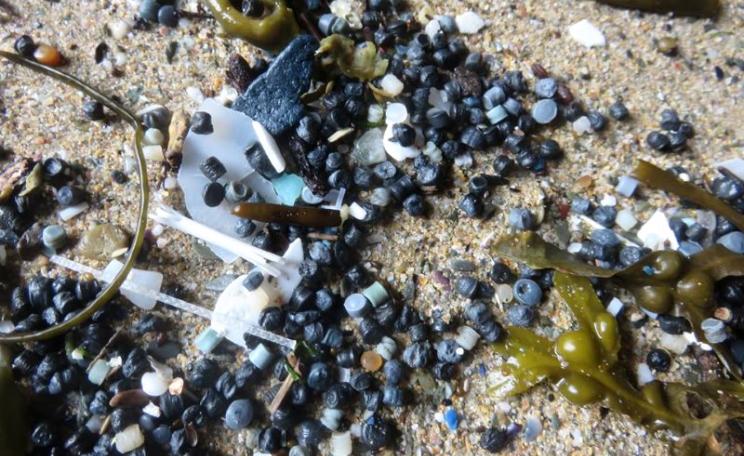
Cornish beaches are awash with millions of 'nurdles', tiny wildlife-choking plastic pellets presumed spilled from an rogue shipping container. As England's plastic bag charge comes into force, it's a sign that there's still a long way to go to rid our seas of the plastic menace.
Peru is in hot competition with Brazil to be the main focus of Amazonian deforestation, writes Clément Doleac. A neoliberal government desperate to hand over the country's forests, oil, gas, minerals and indigenous lands for corporate exploitation is unafraid to break national laws, turn a blind eye to air and water pollution, and respond to any challenges with overwhelming violence.
Just as George Osborne is hoping to get China to invest billions in EDF's Hinkley C nuclear plant in Somerset, news from EDF's Flamanville nuclear site threatens to sink the project. French regulators are to demand another lengthy round of tests on its flawed reactor vessel. And if Flamanville isn't working by 2020, £17 billion of UK finance guarantees for Hinkley C will collapse.
Fifteen EU states have now joined the GM-free movement as the 3rd October deadline for registration nears, along with four regions. They collectively account for 65% of the EU's arable cropland, and 65% of its population, and Greenpeace expects more to sign up.
There are two rules about the end costs of nuclear power, writes Ian Fairlie. It's far more than you ever knew. And whatever sum of money was ever set aside, it's nowhere near enough. Germany understands this. That's why it refused to let E.ON spin off its nuclear liabilities into a hands-off company. But the UK, it seems, has lost the ability to learn from its nuclear mistakes.
With the deadline for EU countries who wish to ban genetically GM crops drawing near, writes Oliver Tickell, Poland is the latest to register with the European Commission to go GM-free. Now the division of the EU into pro and anti-GM zones may test the single market beyond its limits.
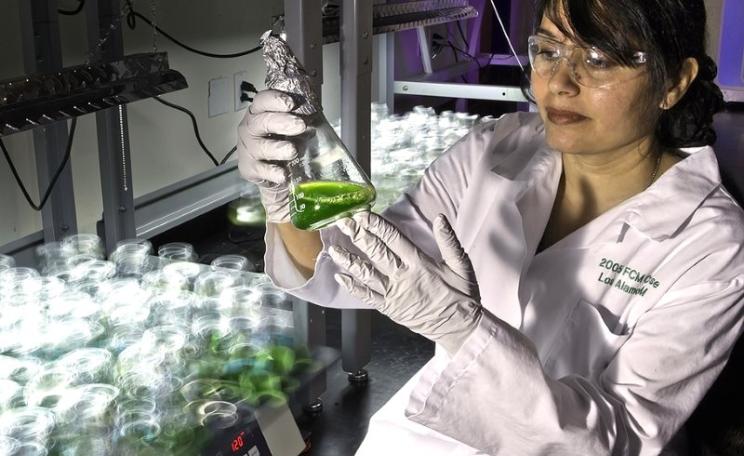
The biofuels of the future will depend on microbes, writes Almuth Ernsting: algae to produce the biomass, and fungi or bacteria to break cellulose down into useful molecules. Just one problem: wild strains aren't up to the job. So scientists are trying to genetically engineer supercharged 'synthetic biology' variants - which will inevitably enter the environment. What could possibly go wrong?
America's coal-fired power plants produce 140 million tons of ash a year, reports Ben Whitford, most of it dumped in open storage ponds that contaminate drinking water with arsenic and heavy metals. And now Presidential candidate Jeb Bush is promising to scrap 'new and costly' (actually feeble) EPA regulations before they have even been implemented.
Shell's US president says the oil giant's unpopular drilling operations in Alaska's Chukchi Sea will stop for the 'foreseeable future' as exploratory drilling finds little oil and gas to justify its $7 billion investment.